

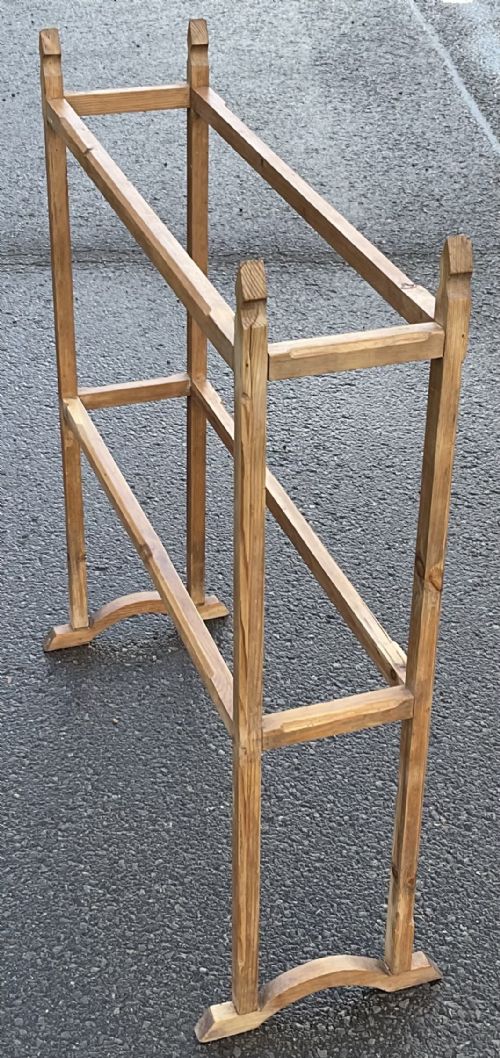


Freestanding Clothes Rail
A freestanding clothes rail brings practical organisation to a room, offering sturdy hanging space without the need to fix anything to a wall.
Freestanding Clothes Rail
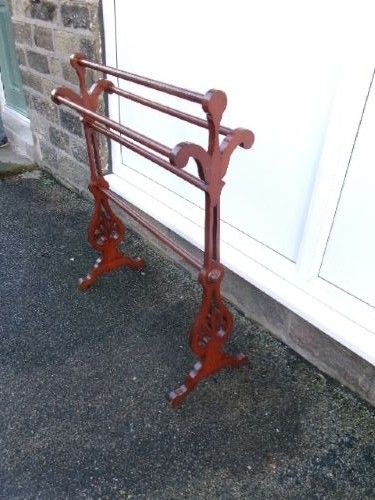
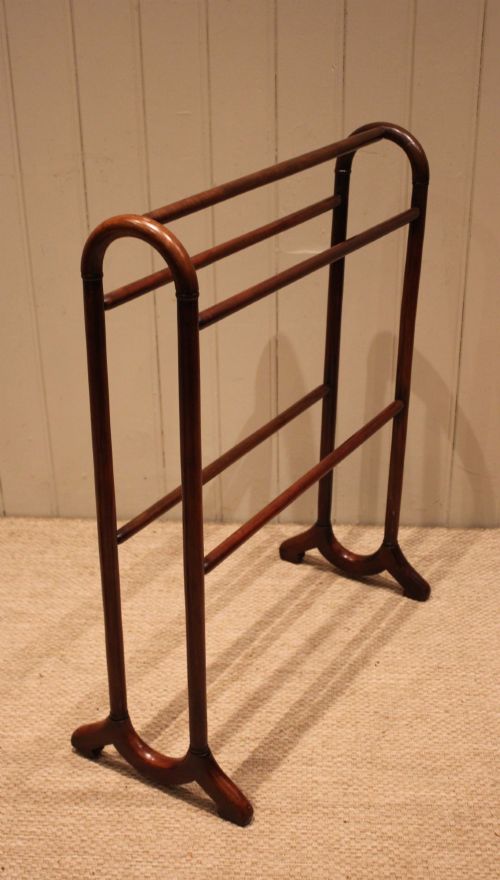
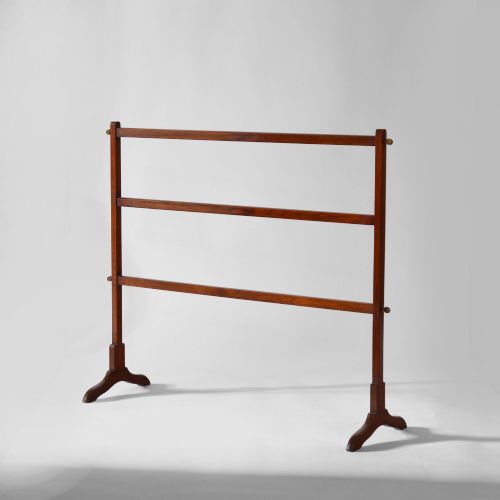
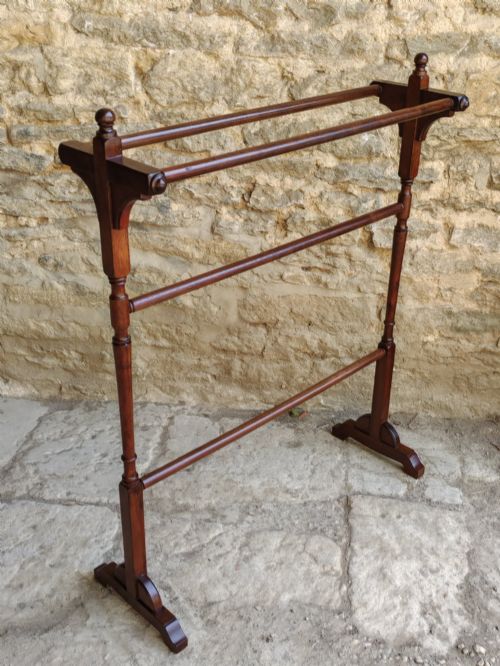
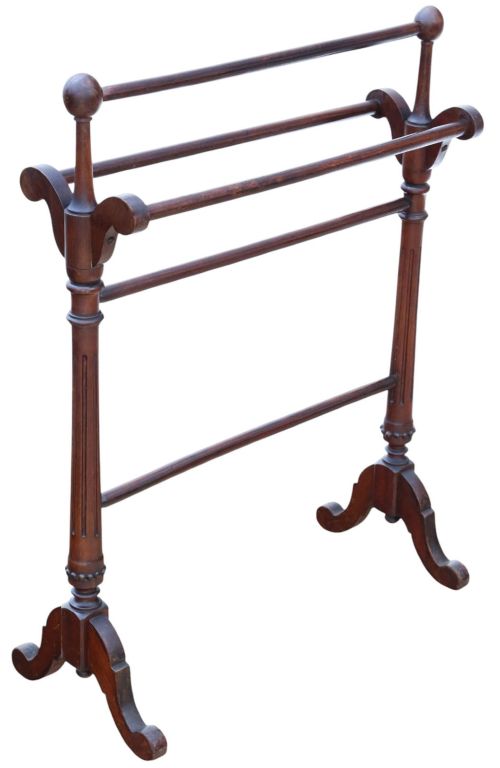
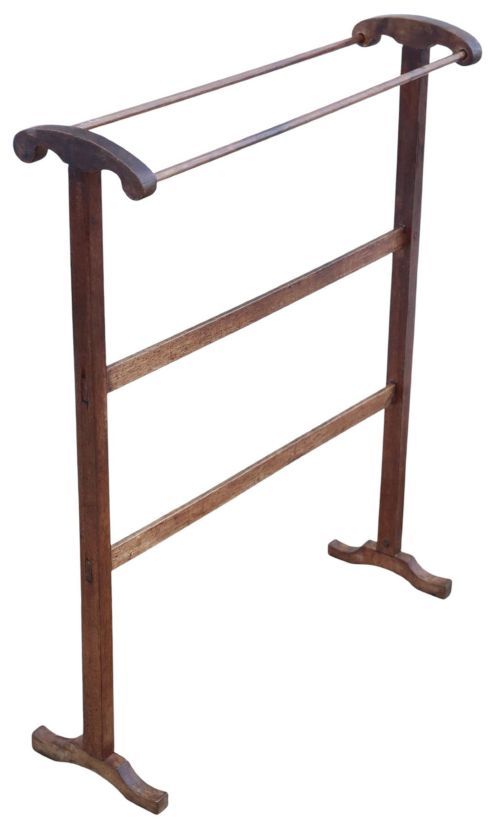
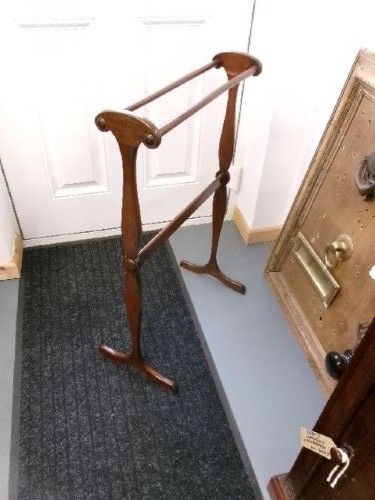
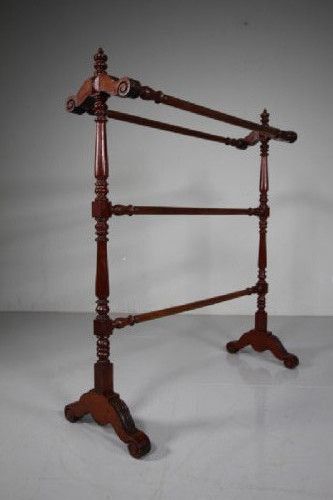
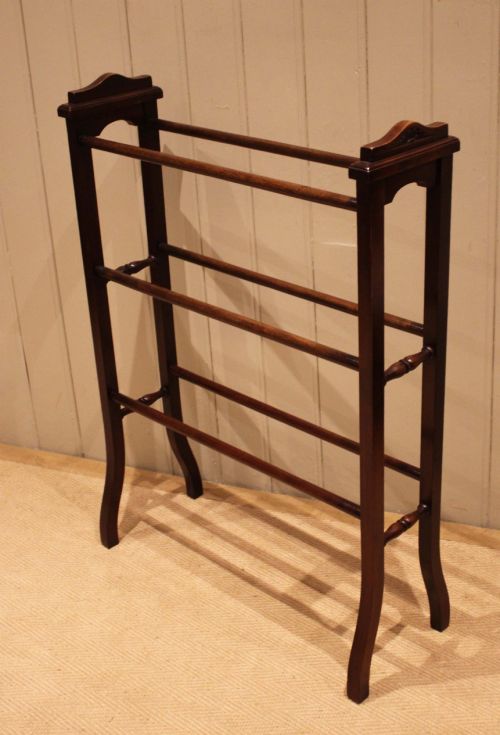
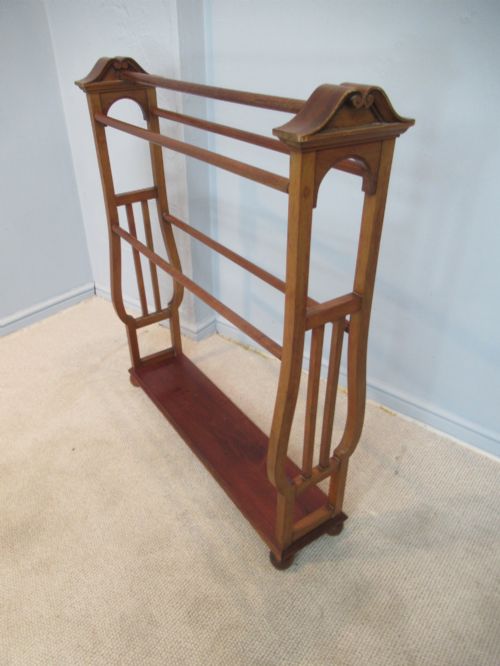
A freestanding clothes rail serves various domestic storage needs, appearing frequently in the records as towel rails, robe stands, and clothes racks. These pieces range from compact bedroom helpers to larger hall stands suited to heavier garments.
The selections available online show a strong presence of Victorian and Edwardian examples, alongside pieces from the Regency and William IV periods. Timber frames dominate the offerings, predominantly constructed in mahogany, pine, and oak.
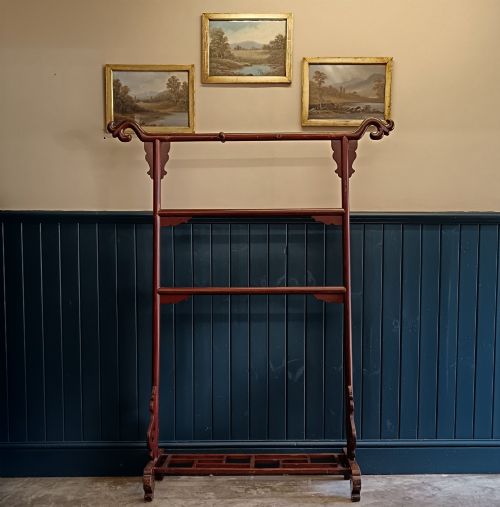
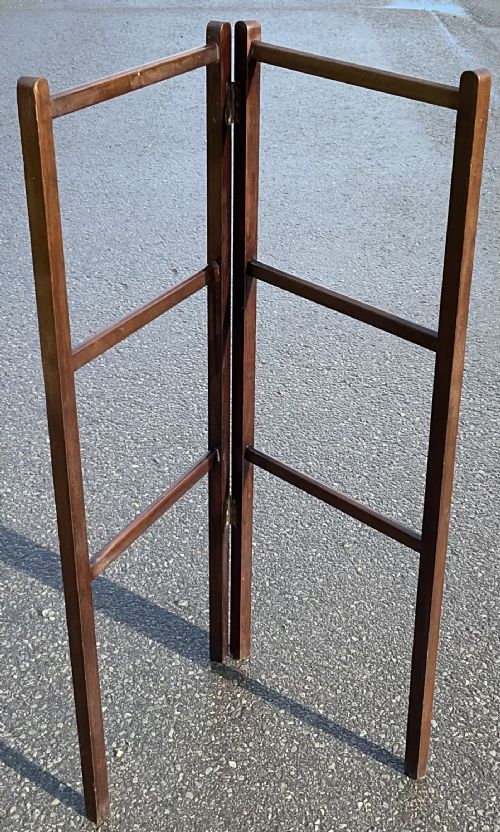
Buyers often encounter folding designs alongside stationary multi-bar stands. Pieces span traditional British workshop styles as well as specific regional interpretations such as Chinese lacquered clothes racks and French Arts and Crafts pine rails.
Materials and construction methods
Makers utilised solid hardwoods like mahogany, walnut, and oak to build durable frames that could support damp textiles or heavy garments. Softwoods such as pine appear frequently in domestic examples, sometimes enhanced with pigmented finishes or black ebonising.
Joinery techniques relied on traditional methods to ensure stability across folding mechanisms and multi-bar configurations. Metal components, particularly brass, sometimes supplied hinges, brackets, or decorative mounts to support the wooden structures.
Freestanding Clothes Rail Retail Price Guide 2026
Typical asking prices for freestanding clothes rail among the pieces listed under this phrase on Sellingantiques today, from the lower quarter to the upper quarter. They describe what is for sale here now, not the wider market.
Listings feature items from the 19th Century, Regency, and Victorian periods alongside Edwardian and 1920s examples.
Distinguishing quality in construction
Superior examples demonstrate careful selection of timber grain, particularly in mahogany and walnut pieces where the natural figure of the wood defines the visual character. Finer pieces also exhibit robust joinery that maintains rigidity across folding frames and multiple hanging rails.
Decorative detailing separates standard utility items from finer commissions. Elements such as carved motifs, inlay work, and original brass fittings indicate a higher standard of craftsmanship within period workshop production.
Gillows
The Freestanding Clothes Rail Glossary
- Cheval towel rail
- A freestanding rail mounted on pivoting supports or swinging frames, allowing sections to angle outwards. This design originated to increase drying capacity or ease access to garments.
- Ebonised
- Wood treated with a dark finish to imitate the appearance of ebony. Makers applied this process to various timbers during the late nineteenth century to achieve a formal, uniform black surface.
- Hall stand
- A tall piece of furniture placed near an entrance to hold outerwear, hats, and walking items. These often combine hanging rails with umbrella holders and mirror panels.
- Inlaid
- Wood decorated by setting contrasting materials into shallow carved recesses on the surface. This technique created geometric or floral patterns across panels and uprights.
- Robe stand
- A vertical frame designed specifically for hanging garments rather than domestic linens. These structures provide tall hanging space within domestic chambers.
Freestanding Clothes Rail: Frequently Asked Questions
How do I choose the right size freestanding clothes rail?
Consider the available floor space and the weight of the items you intend to hang. Larger multi-bar stands suit spacious bedrooms or hallways, while smaller folding rails fit tighter areas.
Measure the height and width of your intended spot against the dimensions listed for each piece. Taller oversized rails offer maximum hanging capacity but require adequate clearance.
Are these rails strong enough for heavy coats?
Most period wooden rails were built to support damp towels, heavy linens, or everyday garments. Solid hardwood versions in mahogany or oak provide sturdy support for daily use.
Check the construction style and number of bars to gauge capacity. Folding or multi-fold designs distribute weight across several uprights for added stability.
How do I care for antique wood furniture?
Keep wooden rails away from direct heat sources and excessive moisture to prevent timber warping or cracking. Dust the surface regularly with a dry cloth and apply occasional appropriate wax polish.
Avoid placing damp items directly onto untreated pine or vulnerable polished surfaces for extended periods. Gentle maintenance preserves the original finish and structural integrity.
How can I tell the period of a clothes rail?
Examine the timber selection, construction methods, and decorative styles characteristic of different eras. Victorian and Edwardian pieces often feature turned mahogany bars, while Arts and Crafts examples display simpler, functional pine or oak forms.
Stylistic markers such as Regency proportions or William IV turning help narrow down the manufacturing decade. Comparing the hardware and joinery style provides further context for dating.