

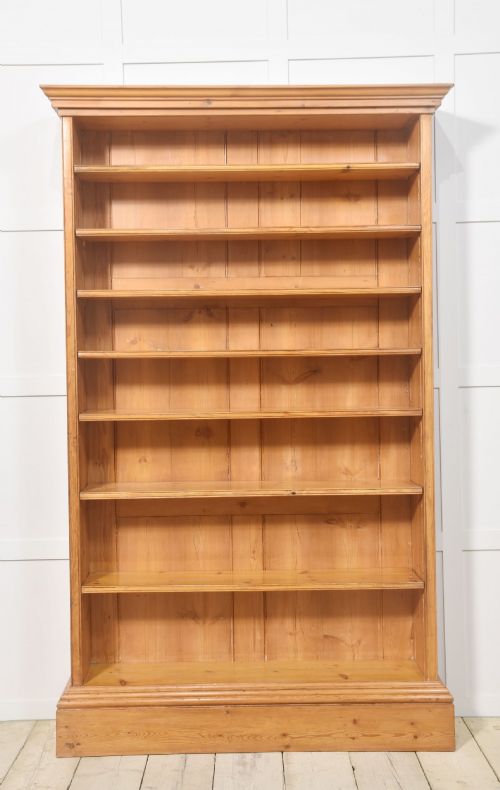


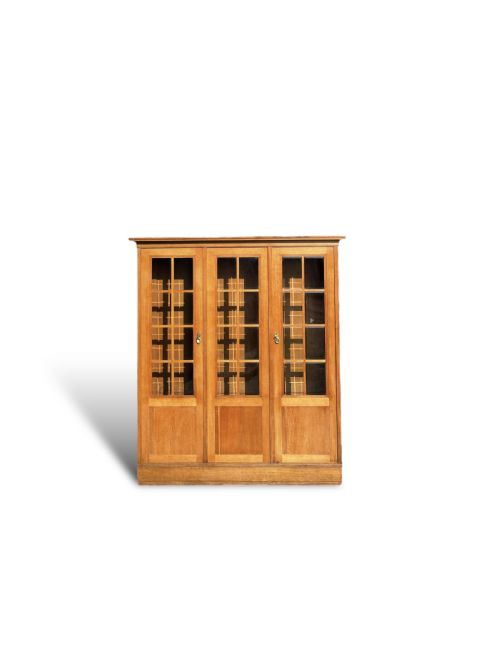
Freestanding Book Cabinet
These freestanding book cabinet pieces offer practical book storage and display, formed in timber across multiple periods.
Freestanding Book Cabinet
A freestanding book cabinet provides accessible shelving and enclosed storage for volumes, standing independently without wall attachment.
You will most frequently encounter oak and mahogany examples originating from the Victorian, Edwardian, and nineteen-twenties periods.
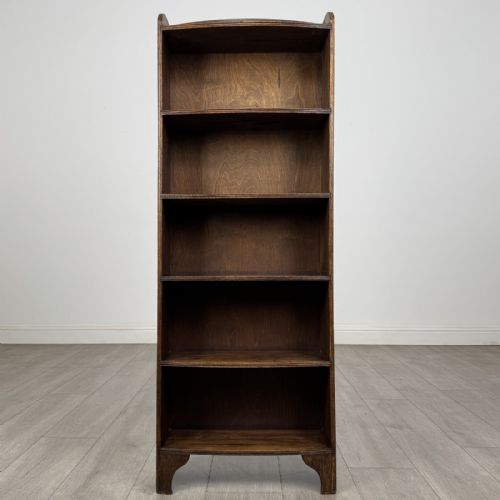
The selection ranges from open shelving formats and glazed cabinets to specialised forms like waterfall bookcases and cocktail cabinets.
How freestanding book cabinet pieces were made
Cabinet makers built these pieces using solid timbers such as oak, mahogany, pine, and pitch pine, often enhanced with burr walnut veneers.
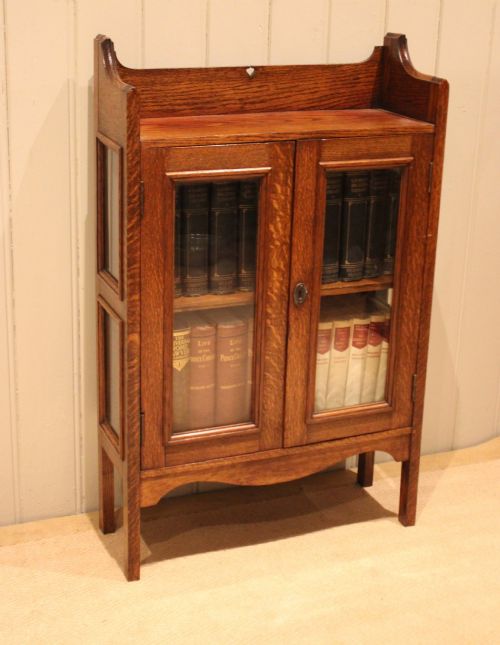
Glazing and brass hardware feature prominently on cabinets with doors, while open shelving designs rely on sturdy timber construction for support.
Freestanding Book Cabinet Retail Price Guide 2026
Typical asking prices for freestanding book cabinet among the pieces listed under this phrase on Sellingantiques today, from the lower quarter to the upper quarter. They describe what is for sale here now, not the wider market.
One set of four library bookcases spans an impressive four hundred and twelve centimetres wide.
What varies in quality
Quality rests in the selection of cabinet timber, the crispness of joinery, and the integration of glass and brass elements.
Substantial multi-door library pieces and refined Empire style or Arts and Crafts examples demonstrate greater ambition than standard domestic variants.
The Freestanding Book Cabinet Glossary
- Open Bookcase
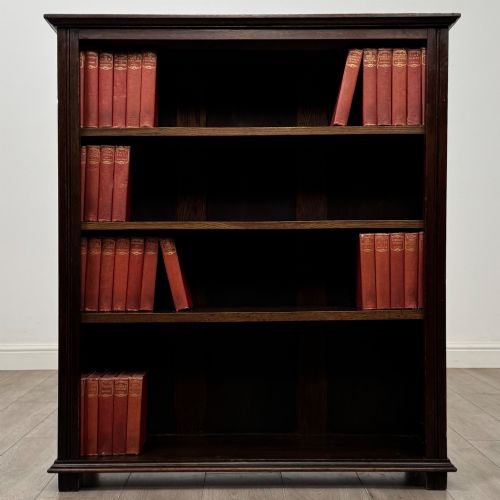
- A freestanding shelving unit without doors designed for easy access to volumes. These typically feature fixed or adjustable timber shelves.
- Glazed Bookcase
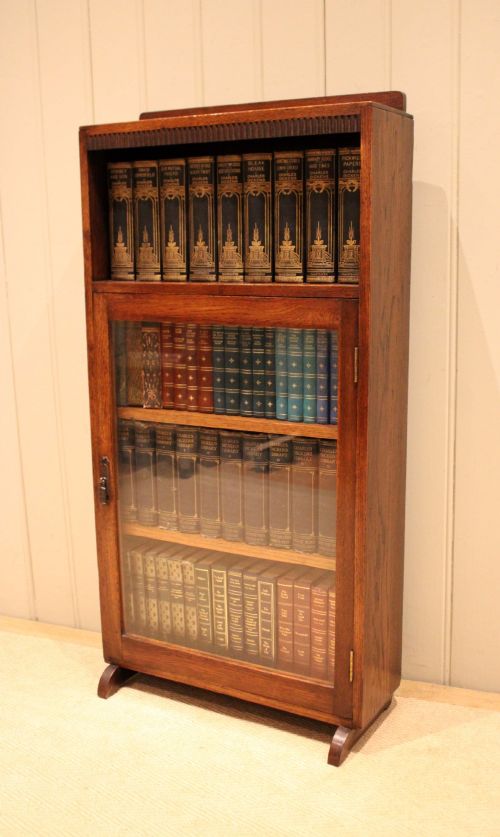
- A cabinet fitted with glass panelling in the doors to protect books from dust while maintaining visibility. It often incorporates wooden framing bars.
- Waterfall Bookcase
- A stepped shelving design where each tier recedes from the one below it. This form emerged during the Edwardian period in timber.
- Cocktail Cabinet
- A specialised storage piece for drinks and glassware, sometimes categorized alongside bookcases. Burr walnut veneer frequently decorates these units.
Freestanding Book Cabinet: Frequently Asked Questions
What periods do these cabinets come from?
The pieces span the nineteenth century, the Victorian and Edwardian eras, up to the nineteen-twenties and nineteen-thirties.
Maker choices and timber selections shifted across these decades, moving from dense mahogany libraries to lighter oak and walnut forms.
How are glazed and open bookcases different?
Glazed versions include glass doors that protect volumes from dust and environmental wear. Open versions leave shelves exposed for immediate access.
Both styles sit independently on the floor, though glazed variants often incorporate brass hinges and locks.
What timbers were used for these cabinets?
Makers utilised hardwoods like oak, mahogany, and burr walnut alongside softer woods including pine and pitch pine.
Selection depended on the period style, with Arts and Crafts and Edwardian pieces favouring oak and mahogany.
Are all these cabinets strictly for books?
While primarily designed for libraries and studies, the category includes cocktail cabinets and cupboard bookshelves.
These variations served different domestic storage needs while maintaining the same freestanding cabinet format.