


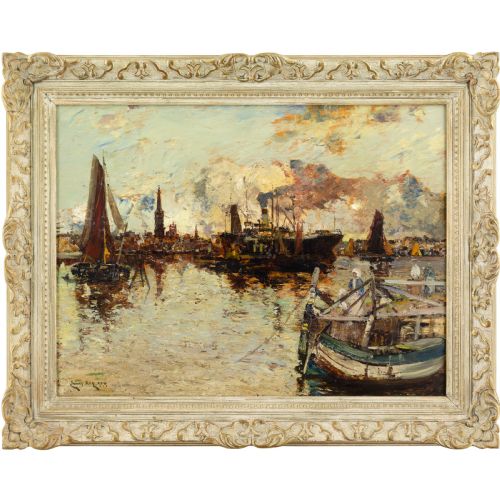
Framed Impressionist Oil Art
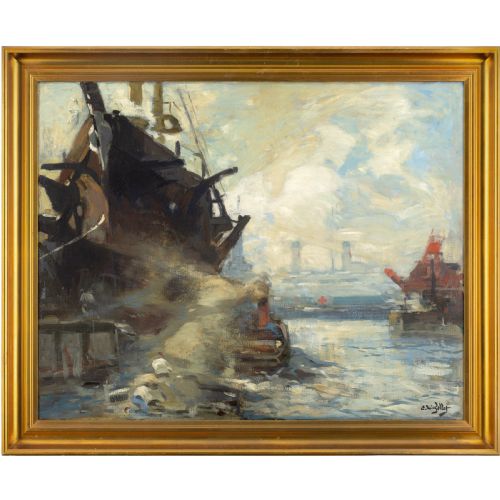
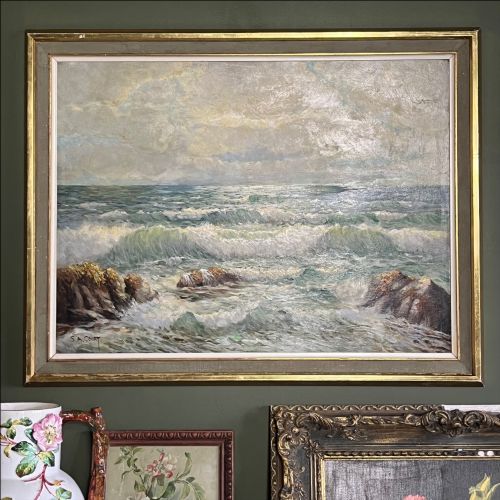
Framed impressionist oil art brings together textured brushwork and atmospheric light, offering a window into domestic scenes, coastal views, and quiet landscapes.
Framed Impressionist Oil Art
Framed impressionist oil art encompasses paintings executed on canvas or board, originating from periods spanning the nineteenth century through to the mid-twentieth century and later. These works capture fleeting moments of light and atmosphere, often rendered through visible, expressive brushstrokes rather than tight academic finish.
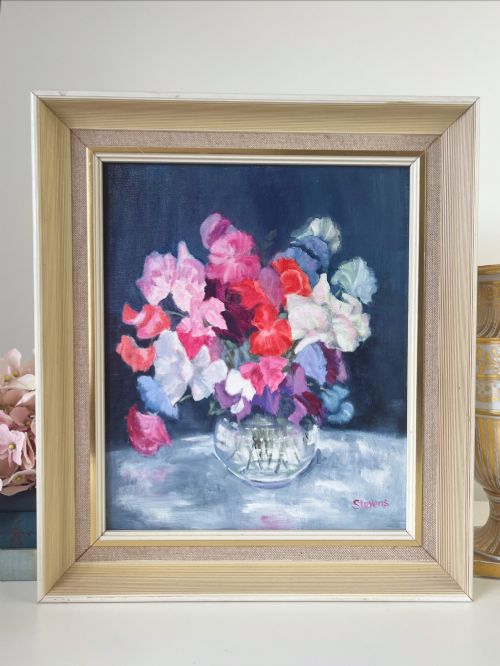
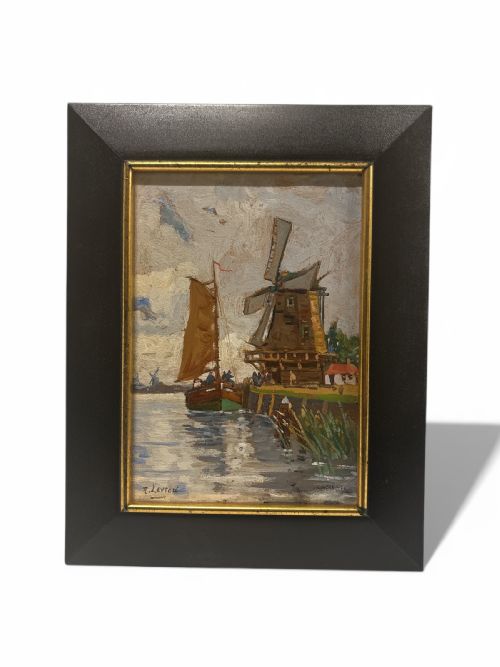
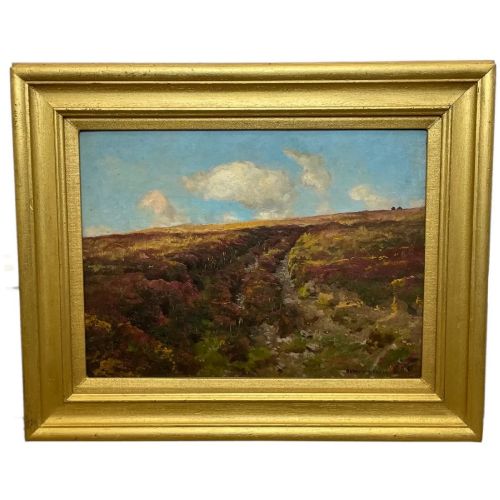
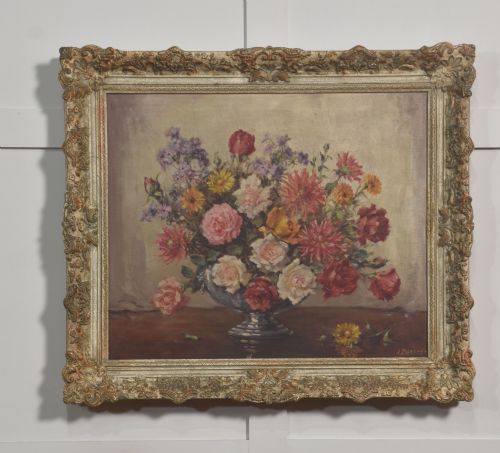
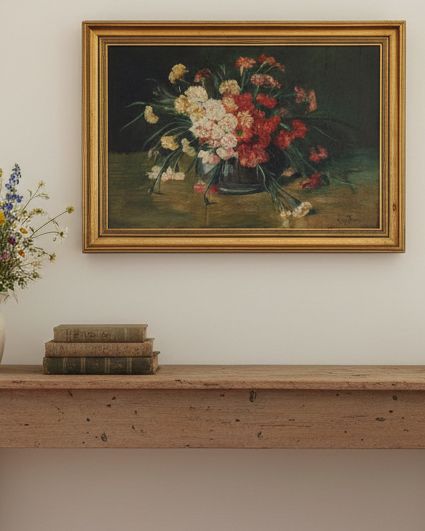
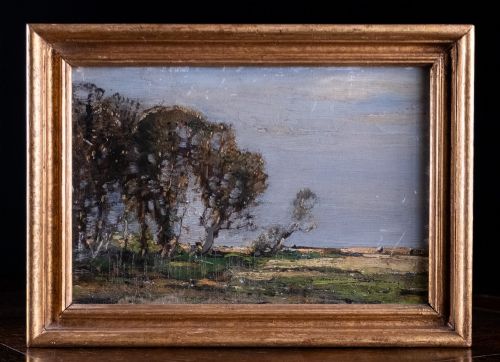
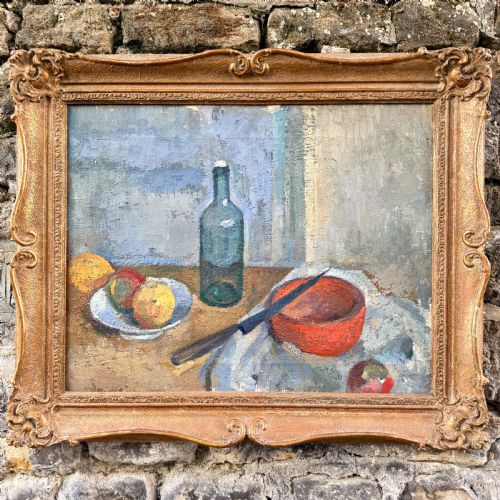
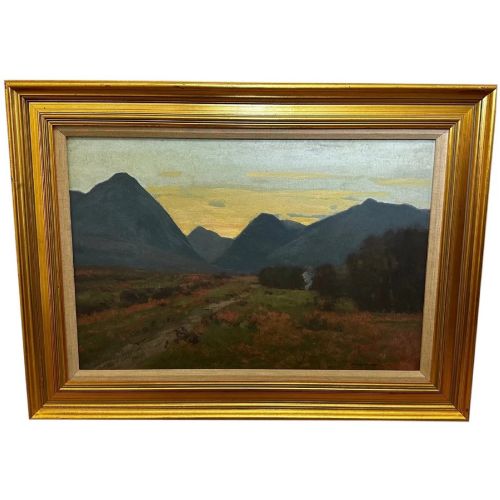
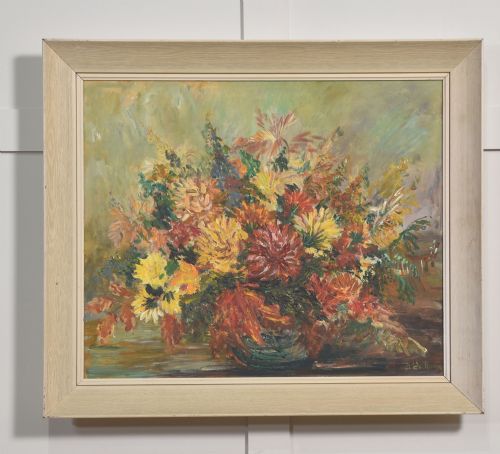
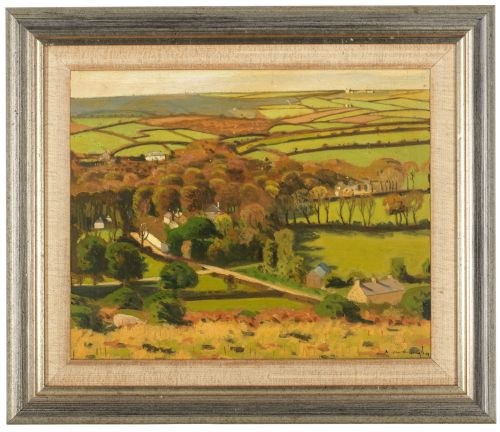
The selections on this page concentrate heavily on early twentieth-century examples, alongside nineteenth-century works and later mid-century pieces. Common subjects range from coastal marine views and rural landscapes to floral still lifes and interior scenes, housed within their original or period-matching frames.
Makers and regional schools represented include British, French, Belgian, and Italian artists working in impressionist, post-impressionist, and modern idioms. Buyers encounter both signed cabinet pieces and larger canvases attributed to recognised regional painters.
Materials and Technique
Pigments mixed in oil are laid onto woven canvas or rigid wooden and composition boards, allowing artists to build impasto texture or apply thin, luminous glazes. En plein air methods direct the application of paint outdoors to capture immediate shifts in natural light.
Wood and gilt wood frames enclose the works, providing structural protection and visual boundary while reflecting the framing fashions of their respective decades.
Several canvases record quiet domestic moments, windswept harbours, and sheep grazing amongst wild garlic.
Judging Quality
Quality rests upon the sureness of the brushwork and the artist's command of light, tone, and composition. The strongest examples display a confident handling of pigment that creates depth and atmosphere without relying on excessive detail.
Preservation of the original paint surface and the harmony between the artwork and its period frame dictate the overall integrity of the piece.
George Graham·Clifford Hanney·Arthur Wardle·Eugène-Louis Gillot·Kershaw Schofield·George Houston·Robert Morson Hughes·James Kay·Augusto Alberici·Gabriel Mathieu·Arthur Gué·Charles Houben·John Lübschitz·Antonio DeVity·Paul Bret·Konstantin Stoitzner·Emma Fordyce MacRae·Charles Stuart Forbes·Eric Brown
The Framed Impressionist Oil Art Glossary
- Impressionism
- A nineteenth-century painting style focusing on the visual impression of the moment, particularly the shifting effects of light and colour. Practitioners favoured visible brushstrokes and open compositions.
- En plein air
- The practice of painting outdoors directly from the subject to capture natural light and transient atmospheric conditions. This technique underpins much early twentieth-century landscape work.
- Impasto
- Paint applied thickly to a canvas or board, standing out from the surface so that the marks of the brush or palette knife remain clearly visible. It adds physical texture and dimension to the painted scene.
- Gilt wood
- Wood coated with a thin layer of gold leaf or gilt paint, commonly utilised for picture frames during the nineteenth and early twentieth centuries. It provides a reflective border that isolates the artwork from its surroundings.
Framed Impressionist Oil Art: Frequently Asked Questions
How do I hang and display these oil paintings?
Choose a wall away from direct, harsh sunlight and fluctuating heat sources such as radiators, which can dry out canvas and wood over time. Ensure the wall fixtures securely support the weight of the frame and the painting.
Hang the piece at eye level so the centre of the canvas aligns naturally with the viewer's gaze. Adequate ambient room lighting helps reveal the textured brushwork and subtle tonal shifts characteristic of impressionist works.
Are these paintings supplied with their original frames?
Many pieces retain their period frames, which are often constructed from gilt wood or painted timber appropriate to the date of execution. These frames are selected to complement the aesthetic of the artwork.
Descriptions note specific framing details where applicable, helping collectors identify period-matching or replacement mouldings.
What subjects are most common in these works?
Landscapes and marine scenes form a significant portion of the selection, reflecting the en plein air traditions of the early twentieth century. Coastal views, rural pastures, and harbour activities frequently appear.
Still lifes featuring flowers and domestic interior views also feature prominently, offering a glimpse into period interior aesthetics.
How can I tell the difference between periods?
Nineteenth-century works often lean towards academic realism or early tonal impressionism, accompanied by heavier, ornate gilt frames. Early twentieth-century pieces typically exhibit looser brushwork and brighter palettes influenced by post-impressionist developments.
Mid-century and later works show further abstraction and simplified forms, reflecting the evolution of modern British and European painting styles.