
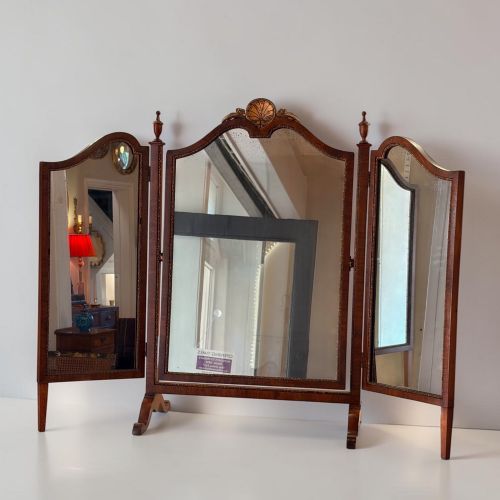
Folding Wood Table
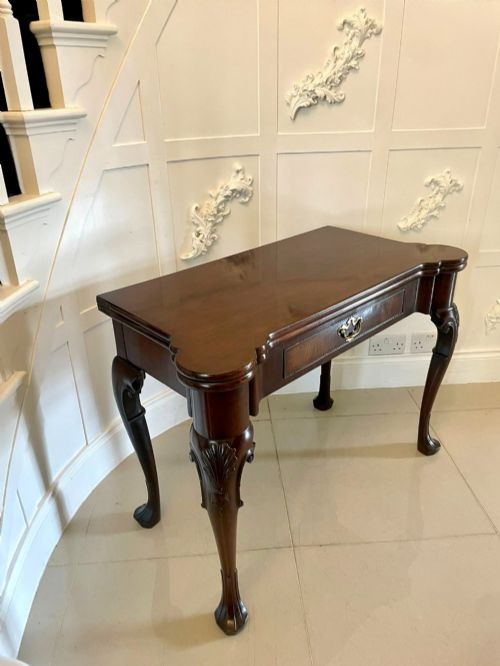
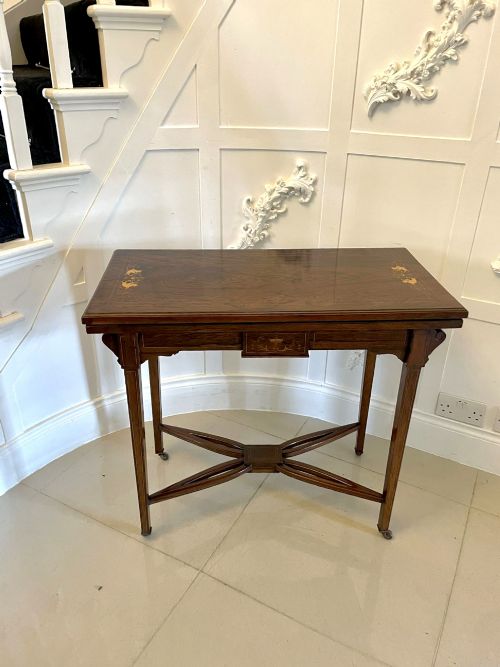
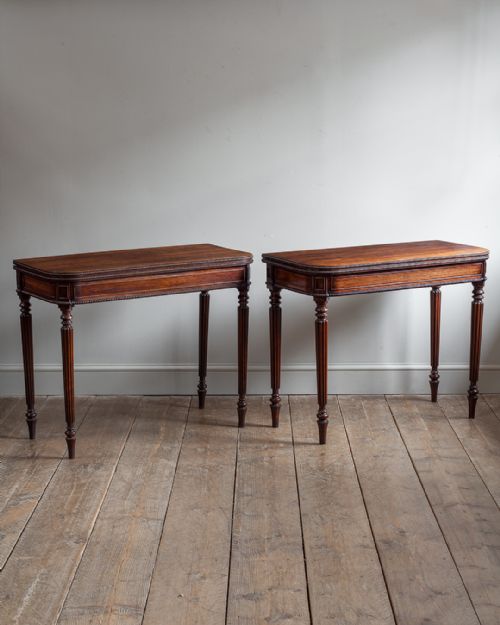
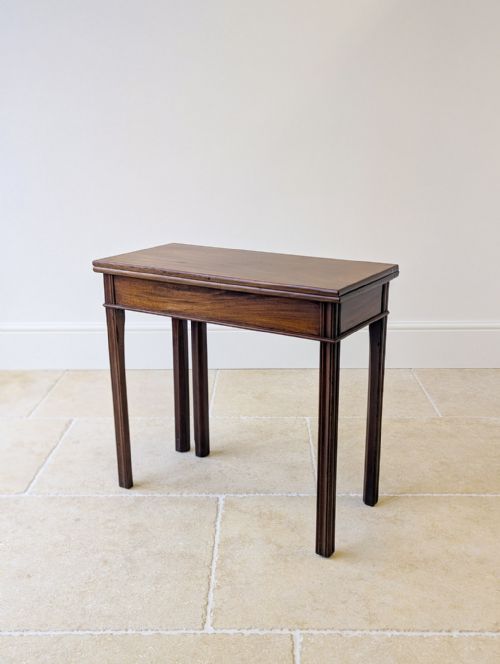
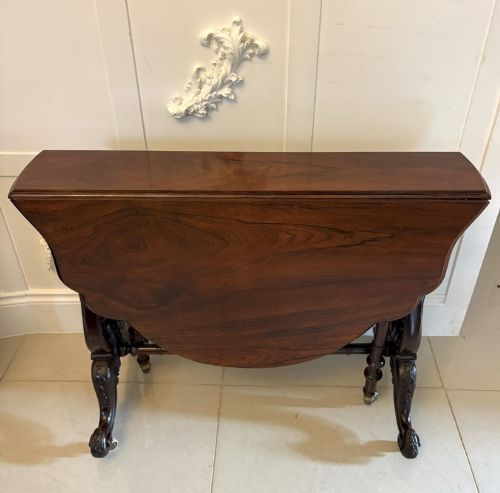
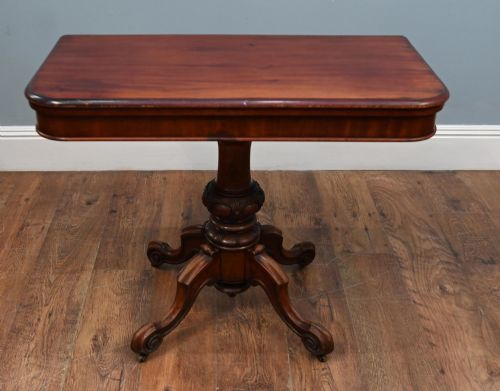
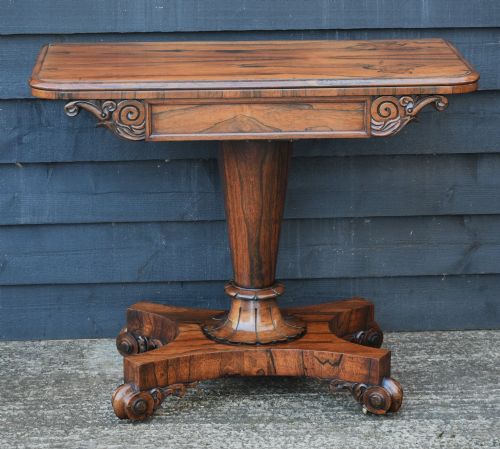
A folding wood table provides flexible surface space through a hinged top or clever drop leaves, spanning Georgian tea tables to campaign pieces.
Folding Wood Table
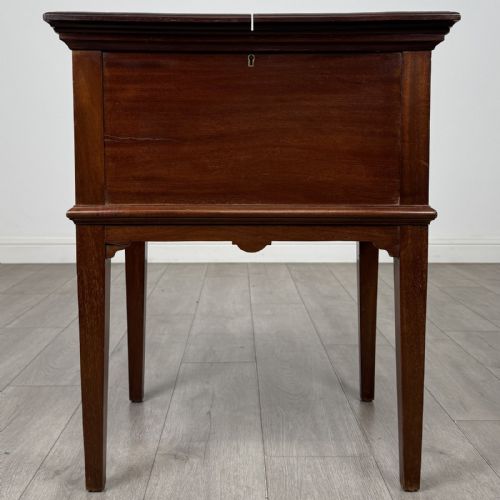
A folding wood table serves multiple domestic roles, functioning as a card table, tea table, console or occasional piece depending on the period. When searching for a folding wood table, buyers encounter formats that transform from compact consoles into full dining or gaming surfaces through hinged mechanisms.
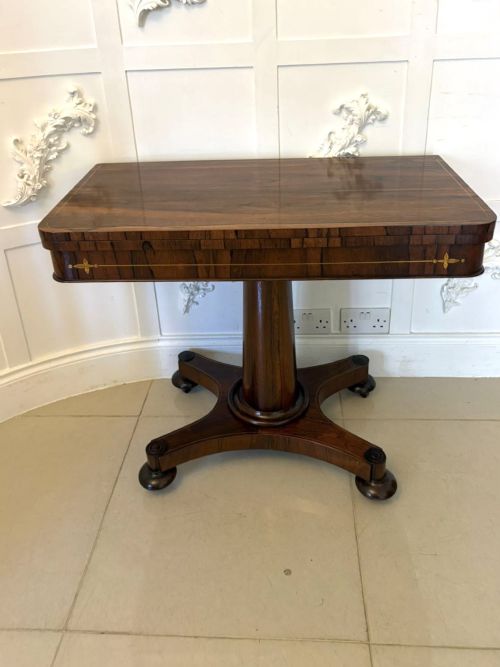
The selection ranges from 18th century George III mahogany fold-over tea tables to Edwardian occasional tables and early 20th century campaign pieces in beech. Rosewood, mahogany and walnut dominate the forms, frequently styled in the Regency, Victorian and Edwardian traditions.
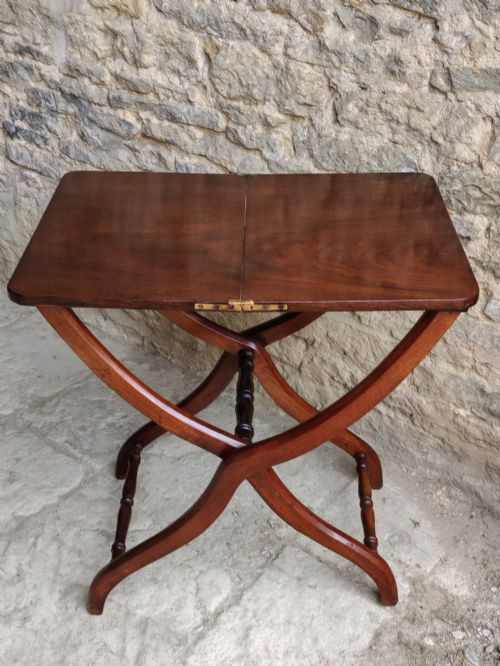
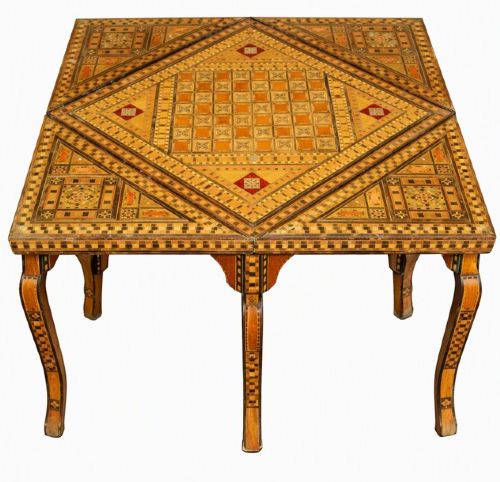
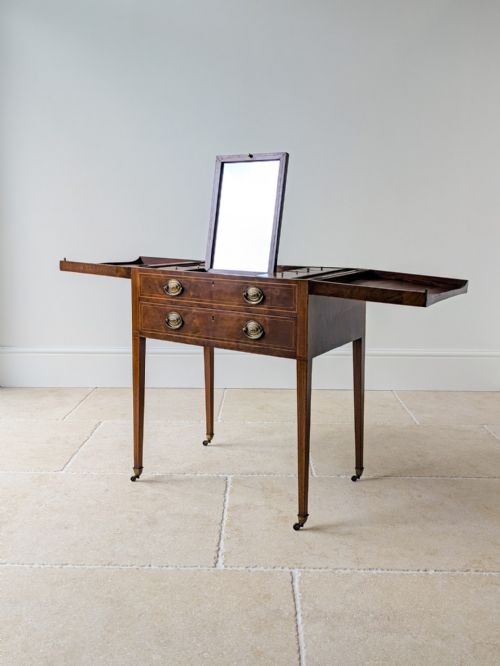
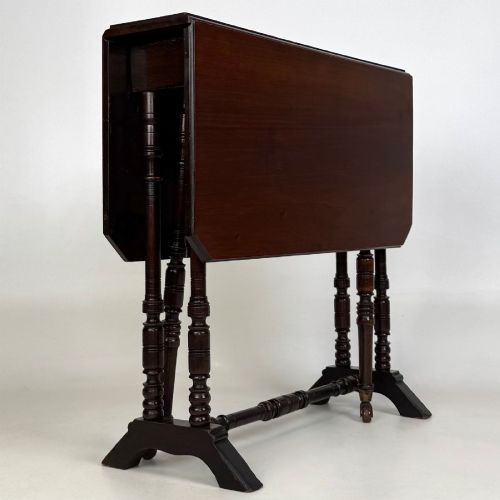
Many examples utilise specialised mechanics, such as concertina actions, swivel tops or drop leaves, allowing the furniture to adapt to smaller rooms while retaining period character. Card tables and games tables with green baize or inlaid surfaces represent a significant portion of the available designs.
How they were made
Cabinet makers utilised dense timbers such as mahogany, rosewood and walnut, frequently applying fine veneers including burr walnut, burr yew wood and satinwood over solid secondary woods. Brass inlay, boxwood stringing and intricate hand carving distinguish the decorative surfaces across Georgian and Victorian examples.
Structural integrity relied upon precision joinery for the folding mechanisms, including pivot hinges, concertina frames and swing-out rear legs that support the extended top. Turnings, carved pedestal bases and pedestal pillars provide stability to the pivoting and drop-leaf configurations.
Listings feature woods including mahogany, rosewood, walnut, satinwood, boxwood and beech across Georgian, Regency and Victorian periods.
What varies in quality
The sophistication of the timber figure and the precision of the veneer work dictate the upper tier of quality, seen in pieces utilising highly figured mahogany or burr walnut. Brass inlay execution and the crispness of carved basket bases or friezes separate master workshop output from standard production.
Mechanical smoothness defines the practical tier, where original concertina actions or swing legs operate without binding. The integrity of the secondary woods and the retention of original finish and brass hardware preserve the integrity of the piece.
George Bullock
The Folding Wood Table Glossary
- Fold-over top
- A hinged tabletop that doubles the surface area when opened and laid flat upon a base or pivoting frame.
- Concertina action
- An expanding frame mechanism that stretches outward to support a fold-over top evenly on all four sides.
- Demi-lune
- A half-moon shape common in console and tea tables designed to sit flat against a wall when folded.
- Campaign style
- Portable or folding furniture designed for military officers, utilising practical timbers like beech or mahogany with brass mounts.
- Drop leaf
- A hinged side section of a table top that drops down when unsupported and lifts up on pivoting brackets.
Folding Wood Table: Frequently Asked Questions
What is a folding wood table used for?
These tables served primarily for dining, tea service and card games in period homes, offering a compact footprint when closed.
By folding out or utilising drop leaves, the furniture expanded instantly to accommodate social gatherings before returning to a wall console or side position.
How do you date a folding wood table?
Dating relies on timber selection, structural proportions and decorative motifs, such as Regency brass inlay or Edwardian satinwood banding.
Mechanism types also indicate period, with complex concertina frames pointing to earlier Georgian and Regency workshops.
Where should I place a folding wood table?
A demi-lune or console version sits neatly against a hallway or living room wall in its closed, folded position.
When guests arrive, the table moves outward into the room and unfolds to create a functional surface for games or dining.
Are these tables sturdy when opened?
Period engineering ensured stability through swing-out rear legs, pivoting tops and expandable concertina frames designed to bear weight.
Careful alignment of the hinges and proper support from the base keep the extended leaves level during use.