

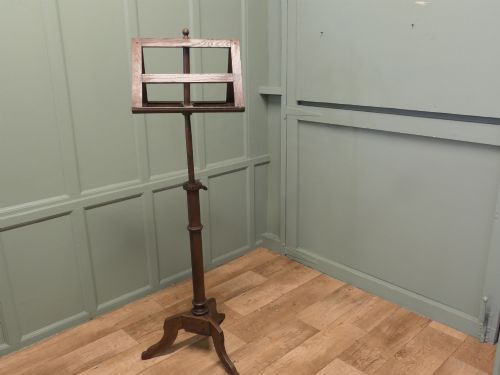
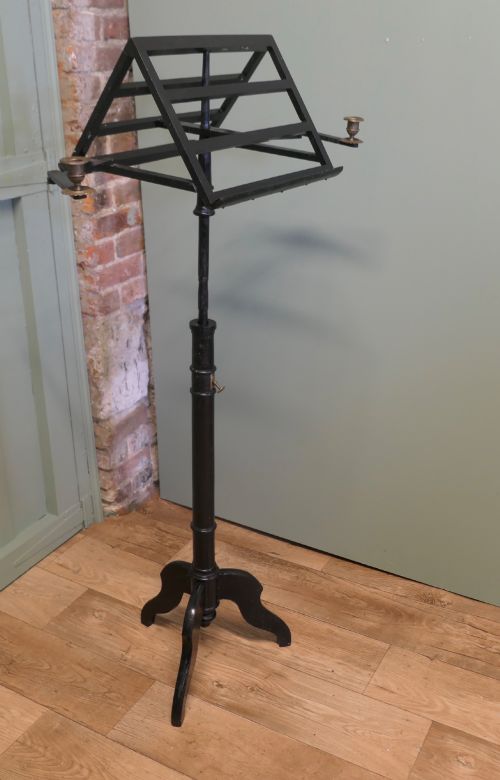
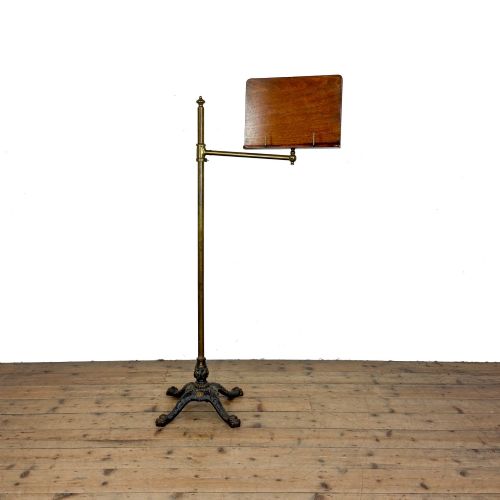




Floor Standing Music Stand
These floor standing music stand pieces combine practical utility with period craftsmanship, offering adjustable functionality and traditional materials for the home.
Floor Standing Music Stand
When you search for a floor standing music stand, you encounter a selection of adjustable reading stands, lecterns, and multi-purpose furniture designed to hold sheets, folios, or books at a convenient height.
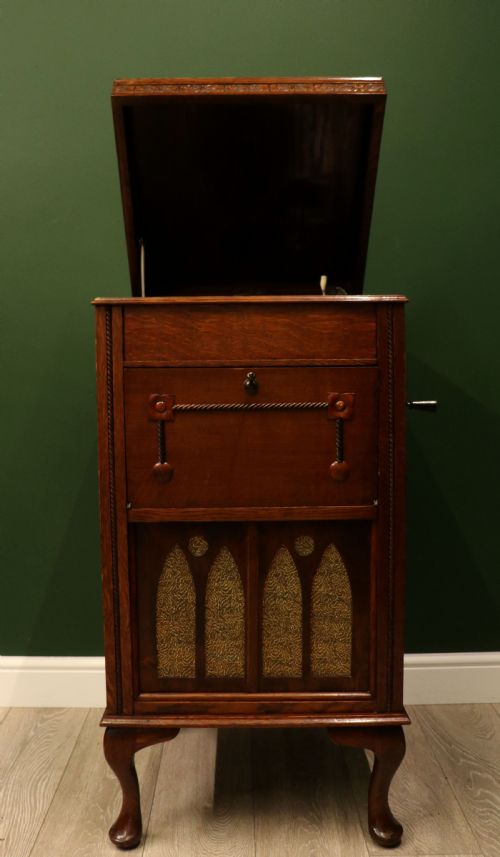
The pieces appearing on this page span the Victorian, Edwardian, and interwar periods, with forms ranging from brass revolving stands to carved wooden music and portfolio holders.
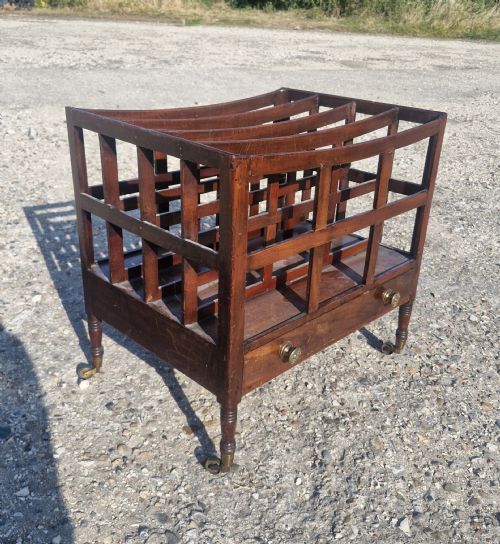
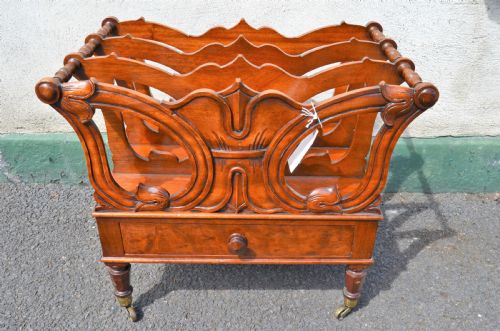
Makers utilised various traditional furniture types to serve similar purposes, meaning you will also find related items like canterburys and reading tables that double as manuscript supports.
How they were made
Makers constructed these stands using substantial timbers such as mahogany, oak, and rosewood, often applying ebonising or detailed carving in styles like Black Forest.
Metal components, particularly brass and cast iron, provided the necessary weight, durability, and adjustable mechanisms required for pivoting or altering the height of the rest.
Floor Standing Music Stand Retail Price Guide 2026
Typical asking prices for floor standing music stand among the pieces listed under this phrase on Sellingantiques today, from the lower quarter to the upper quarter. They describe what is for sale here now, not the wider market.
What varies in quality
The distinction between standard utility items and finer examples lies in the integrity of the adjustable mechanisms and the selection of timber, such as Cuban mahogany or figured oak.
Carved details and stability separate mass-produced pieces from bespoke items, reflecting the skill of the workshop and the intended setting, whether an ecclesiastical interior or a Victorian parlour.
U Phone of Leeds·Lochmanns·Harrods
The Floor Standing Music Stand Glossary
- Canterbury
- A low wooden stand with partitions, originally designed for sheet music or folios and frequently combined with drawers or carrying handles. They reflect domestic organisation in the nineteenth century.
- Lectern
- A tall desk with a slanted top designed to hold a book or manuscript for reading aloud or performing music. These often appear in oak or pine.
- Ebonised
- Wood treated with a dark finish to imitate expensive ebony. This technique was popular for nineteenth-century reading and music stands.
- Revolving
- Describing a stand fitted with a mechanism that allows the top tier to turn freely. This permits easy access to multiple items stored on different sides.
Floor Standing Music Stand: Frequently Asked Questions
How do I adjust the height on these stands?
Many period stands utilise brass screw mechanisms or sliding poles to alter the elevation of the reading desk. Users simply loosen the collar or thumbscrew, position the rest at the desired level, and tighten it securely.
Heavier cast iron or wooden ratchet designs rely on notched supports to hold the angle of the desk in place. Care should be taken with older brass threads to avoid stripping the metal during adjustment.
Can these stands hold heavy modern books?
Most nineteenth and early twentieth-century stands were built to support sheet music, folios, or standard leather-bound volumes. Solid mahogany and oak examples handle substantial weight easily.
Lighter bamboo or adjustable reading stands suit smaller volumes and paperbacks better. Checking the depth of the ledge helps determine whether a thick modern book will rest securely.
Where should I place a music stand in a room?
These pieces function well beside armchairs, pianos, or desks as practical reading furniture. Their upright forms occupy minimal floor space while providing a dedicated surface for current reading material or sheet music.
Placing them away from direct heat sources protects the timber and glued joints from drying out. Positioning them near natural light enhances both their utility and their decorative presence.
How do I distinguish Victorian from Edwardian stands?
Victorian stands often feature rich mahogany timbers, darker ebonised finishes, or ornate carving associated with styles like Black Forest and William IV. Brass detailing and revolving designs also characterise this era.
Edwardian and interwar pieces tend to show lighter oak construction, simpler lines, and practical adjustments. The overall proportion and joinery style usually indicate the manufacturing decade.