







Flemish School Art
Flemish school art brings centuries of European painting tradition into your home through rich oil on canvas works defined by dramatic portraiture and detailed landscapes.
Flemish School Art
When you search for flemish school art, you encounter oil paintings spanning from the seventeenth century through to mid-century impressionist interpretations. These pieces capture historical portraits, tavern interiors, and winter landscapes rooted in northern renaissance and baroque traditions.
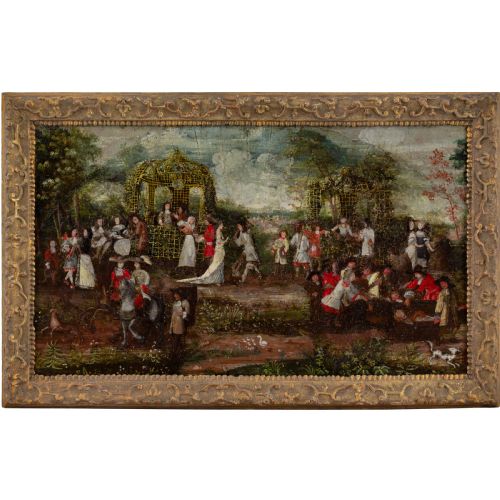
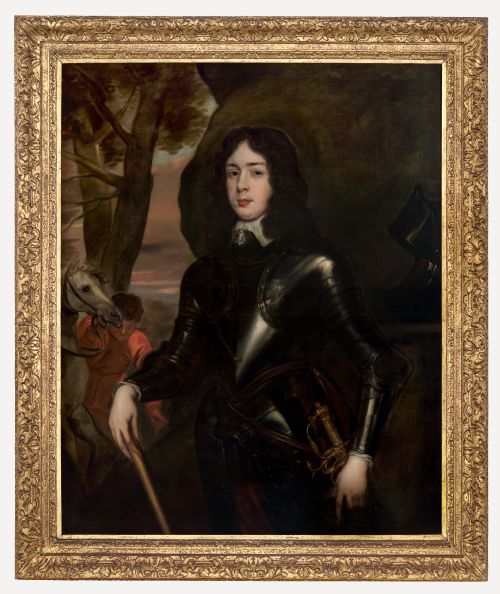
The selections available here range from late seventeenth-century fan leaves and royal portraits to nineteenth-century interpretations after masters like David Teniers and Peter Paul Rubens. Portraits of gentlemen in red robes and armoured officers sit alongside riverscapes and garden scenes.
Materials and Technique
The works rely primarily on oil paint applied to canvas, often supported by wood frames including giltwood and gilt wood constructions. Artists built depth through layered oils that captured the texture of armour, fabric, and flesh.
Many compositions reflect the direct influence of major historical painters, utilising seventeenth-century baroque techniques or later nineteenth-century revival styles to recreate the luminosity and detail characteristic of the northern schools.
Flemish School Art Retail Price Guide 2026
Typical asking prices for flemish school art among the pieces listed under this phrase on Sellingantiques today, from the lower quarter to the upper quarter. They describe what is for sale here now, not the wider market.
Several portraits feature subjects in heavy armour staring sternly past horses and grooms, proving that historical pets often photobombed the aristocracy.
Assessing Quality
Quality rests in the handling of light and shadow, the precision of brushwork in facial expressions and textiles, and the historical fidelity of the composition. Stronger examples demonstrate confident pigment application that maintains clarity across both figures and background details.
The integrity of the canvas and the preservation of the original oil layers significantly influence the visual impact of each painting. Pieces that retain their tonal balance without heavy overpainting offer a more authentic connection to the period.
Sir Anthony van Dyck·David Teniers The Younger·Ambrious Benson·Peter Paul Rubens·Louis Smets
The Flemish School Art Glossary
- Oil on Canvas
- A painting medium where pigments are suspended in a drying oil and applied to a stretched woven fabric support. This technique allowed artists to achieve rich colour saturation and subtle blending.
- Giltwood
- Wood that has been coated with a thin layer of gold leaf or gold powder. It frequently frames classical and baroque paintings to complement the warm tones within the artwork.
- Flemish Baroque
- A style of painting originating in Flanders during the seventeenth century characterised by movement, drama, and exuberant colour. It developed in close association with the Counter-Reformation.
- Northern Renaissance
- The cultural and artistic movement in Europe north of the Alps during the fifteenth and sixteenth centuries. It is noted for meticulous attention to natural detail and realism.
- Manner of
- A term used when an artwork is executed in the style of a specific master rather than by their own hand. It indicates a contemporary or later follower working within a recognised workshop tradition.
Flemish School Art: Frequently Asked Questions
What defines flemish school art?
These works encompass oil paintings from northern European traditions, focusing on portraiture, historical figures, and detailed interior or landscape scenes.
The pieces reflect stylistic shifts from baroque portraiture to later impressionist interpretations while maintaining a connection to historical European workshops.
How do I care for an oil painting?
Keep paintings away from direct sunlight, extreme temperature fluctuations, and high humidity to protect the canvas and oil layers.
Dust the surface gently with a soft, dry brush and avoid using chemical cleaners or water on the paint or giltwood frame.
How are periods told apart?
Seventeenth-century pieces often display baroque lighting and formal portrait composition, while nineteenth-century works frequently show looser brushwork or revival tendencies.
Examining the canvas texture, stretcher construction, and framing style helps place the work within its historical context.
Where were these paintings displayed?
Historical works originally hung in domestic residences, civic buildings, and aristocratic galleries to project status, taste, and lineage.
Today, they serve as focal points in private studies, living rooms, and traditional hallway settings.