

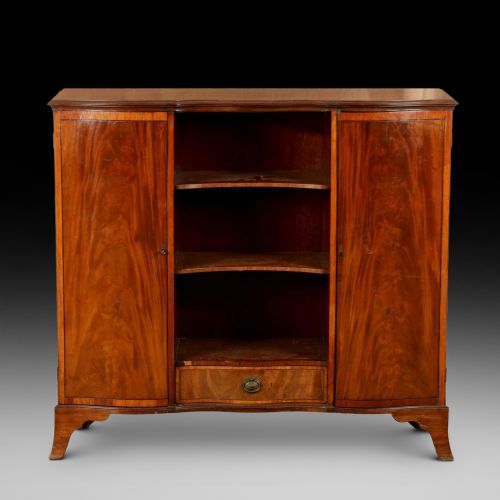
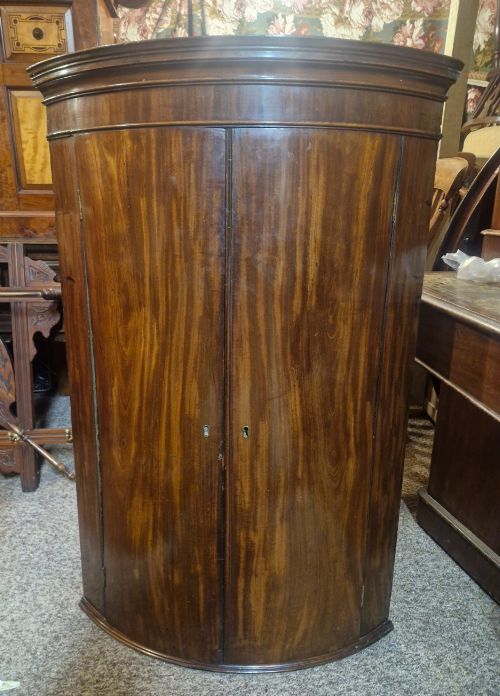
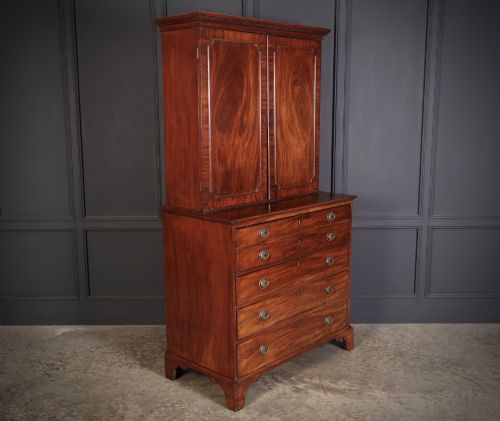
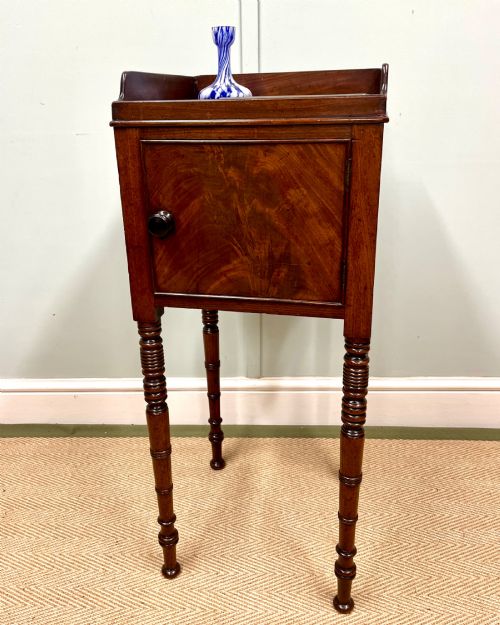
Flamed Mahogany Cabinet
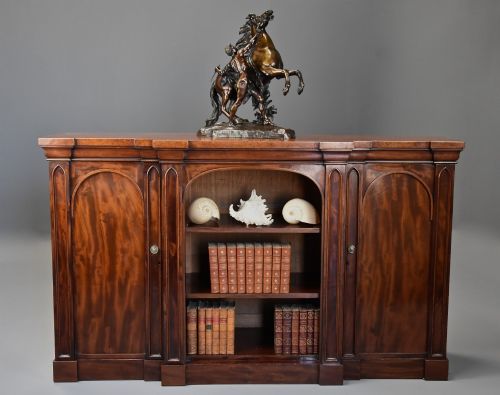
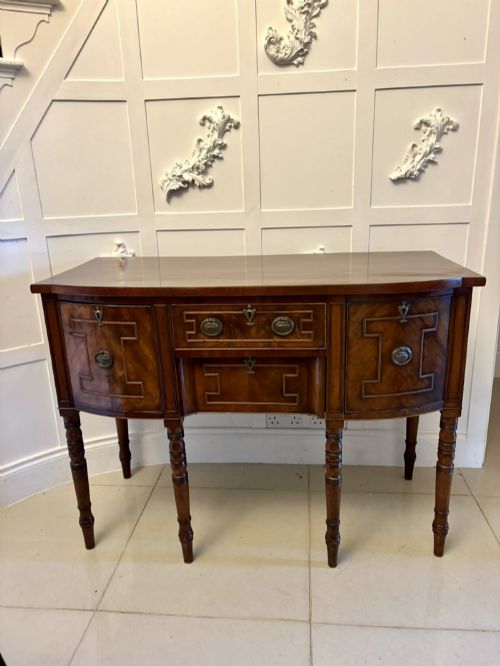
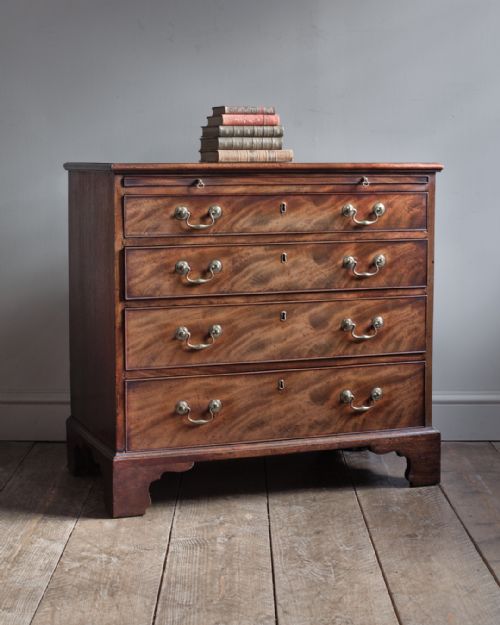
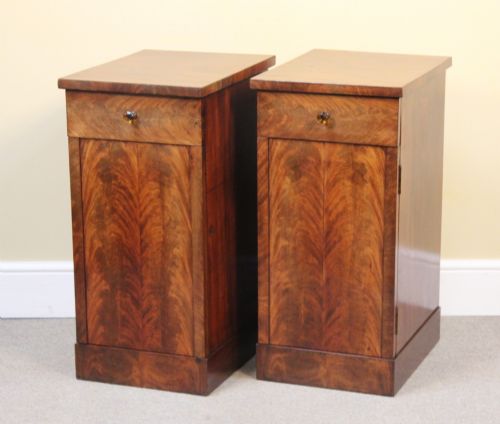
A flamed mahogany cabinet brings together rich, swirling timber grain and practical storage across Georgian, Regency and Victorian periods.
Flamed Mahogany Cabinet
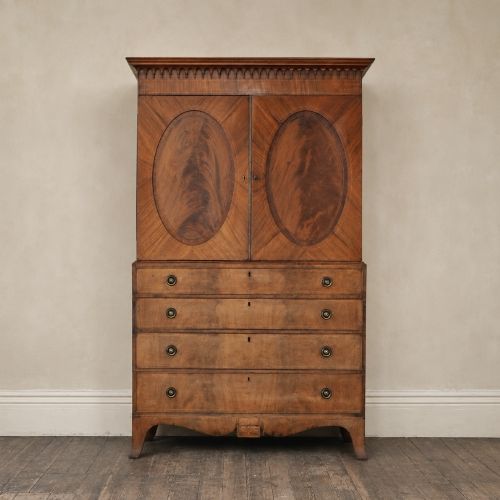
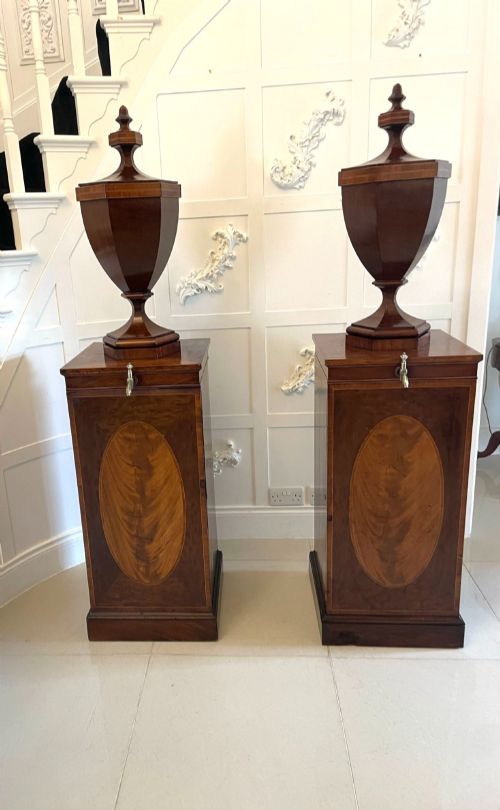
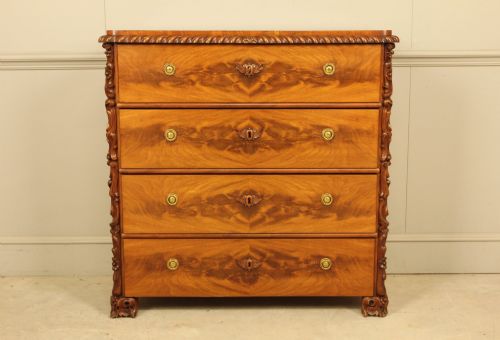
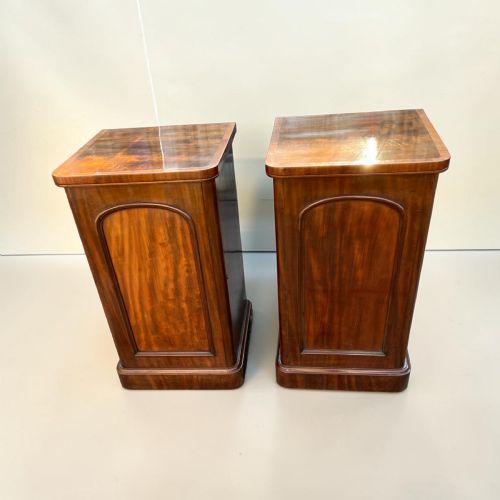
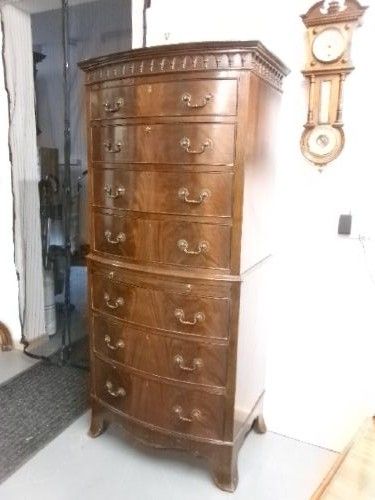
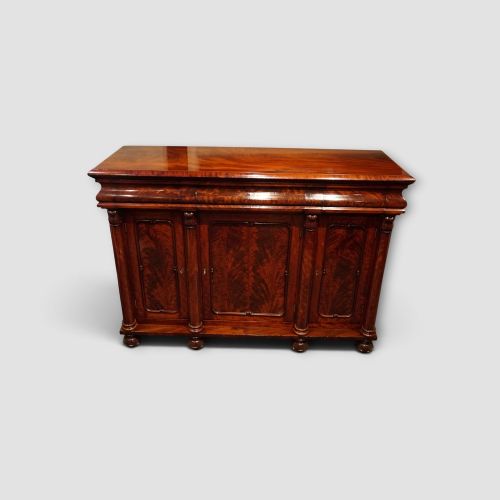
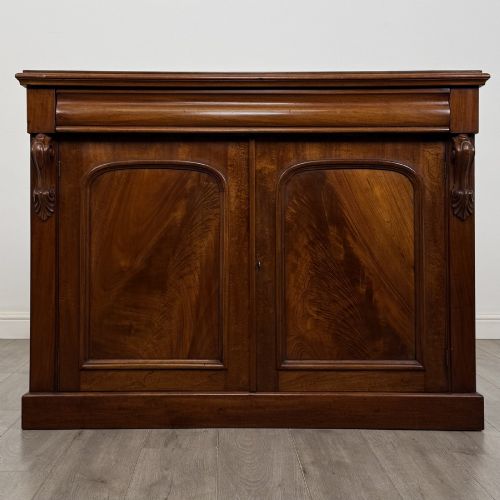
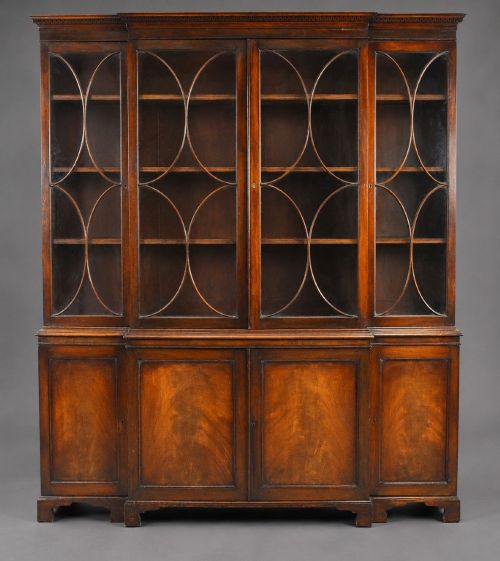
When you search for a flamed mahogany cabinet, you encounter furniture built to display decorative wood veneers on functional storage forms. The pieces span periods from the Georgian era through to the late Victorian decades, taking shapes such as side cabinets, linen presses, chiffoniers and collectors cabinets. You meet bookcases, sideboards and bedside chests sharing this timber figure.
The most common versions on this page originate from the nineteenth century, including Victorian side cabinets and Regency secretaire bookcases. Cabinet makers utilised the distinct figuring of the wood on primary display surfaces like doors and drawer fronts, framed by solid mahogany carcasses. These pieces served domestic interiors for storage and display, a purpose they retain today.
Materials and Construction
Craftsmen built these cabinets using solid mahogany carcasses overlaid with thin flame mahogany veneer to create dramatic grain patterns. Workshops applied timber veneers using animal glues, smoothing the surfaces by hand to highlight the natural fire of the wood. Inlays of satinwood and boxwood frequently appeared on Georgian and Regency surfaces to define borders.
Structural elements incorporated secondary timbers alongside brass hardware for locks, hinges and drawer pulls. Glazed doors on bookcases utilised timber glazing bars to divide panes, whilst interior drawers often featured fitted compartments for specific domestic uses.
Flamed Mahogany Cabinet Retail Price Guide 2026
Typical asking prices for flamed mahogany cabinet among the pieces listed under this phrase on Sellingantiques today, from the lower quarter to the upper quarter. They describe what is for sale here now, not the wider market.
Object forms range from compact bedside chests and chiffoniers to large breakfront bookcases and wardrobes.
Assessing Quality and Execution
The standard of a flamed mahogany cabinet rests upon the symmetry and book-matching of the veneer across the primary surfaces. Superior examples display continuous, swirling grain patterns that align perfectly from drawer to drawer or across double doors, whereas lesser pieces use disjointed timber cuts. The crispness of inlaid boxwood or satinwood stringing also indicates the maker's hand.
Joinery execution dictates longevity, visible in the tightness of dovetails on internal drawers and the stability of the carcase. Finer cabinets retain original brass fittings, working locks and undisturbed secondary timbers, which maintain the structural integrity established during construction.
Hille
The Flamed Mahogany Cabinet Glossary
- Flame mahogany veneer
- A thin slice of timber cut from the junction where branches join the main trunk, producing a rippling, flame-like pattern. This decorative surface forms the visual focal point of the cabinet.
- Secretaire
- A desk disguised as a chest of drawers or cabinet, featuring a drop-down front that reveals a fitted interior with pigeonholes and small drawers. It combines writing functions with enclosed storage.
- Chiffonier
- A low sideboard cabinet developed in the Regency period, usually enclosed by two doors and surmounted by a shelf or gallery back. It provides compact storage for dining or living spaces.
- Linen press
- A tall piece of furniture featuring upper doors enclosing sliding trays or shelves for textiles, above a base of lower drawers. These cabinets were essential for storing household linens.
- Demi lune
- A half-moon shape used for the footprint and top of specific side cabinets and sideboards. This curved form fits flush against a wall whilst softening room angles.
Flamed Mahogany Cabinet: Frequently Asked Questions
How do I clean a mahogany cabinet?
Dust surfaces regularly with a soft, dry cloth to prevent particulate buildup on the delicate veneer. Apply traditional beeswax periodically to nourish the timber and maintain the soft sheen without sealing the wood.
Avoid commercial silicones or excess moisture, which penetrate old finishes and damage the underlying animal glue holding the veneer. Gentle care preserves the historical surface of the timber.
Where should I place my cabinet?
Position your flamed mahogany cabinet away from direct sunlight and heat sources like radiators to prevent the timber and veneer from drying out and cracking. Stable indoor humidity protects the structural glues and prevents warping in old carcases.
Allow sufficient clearance for doors and secretaire flaps to open fully without striking walls or surrounding furniture. A level floor ensures that doors hang true and drawers run smoothly.
How do I tell Regency from Victorian pieces?
Regency cabinets often display restrained classical lines, brass inlay and architectural proportions influenced by ancient Greek and Roman design. The timber figures tend to be selected for bold, sweeping flame patterns combined with rosewood or satinwood crossbanding.
Victorian cabinets frequently feature heavier proportions, richer carving and darker finishes developed through industrial-era production methods. Understanding these stylistic shifts helps date the cabinet accurately.
What were collectors cabinets used for?
Collectors cabinets were designed to house specialised items such as coins, shells, minerals or insects within shallow, felt-lined internal drawers. The fitted interiors kept delicate specimens organised, protected and easily viewable.
Today, these cabinets serve similar display functions for small decorative objects, jewellery or ephemera. Their compact internal drawers offer distinct organisation compared to standard cupboards.