


Fine Gold Jewellery Earrings
Fine gold jewellery earrings bring together precious metal and gemstones across decades of design, offering everything from understated studs to elaborate drops.
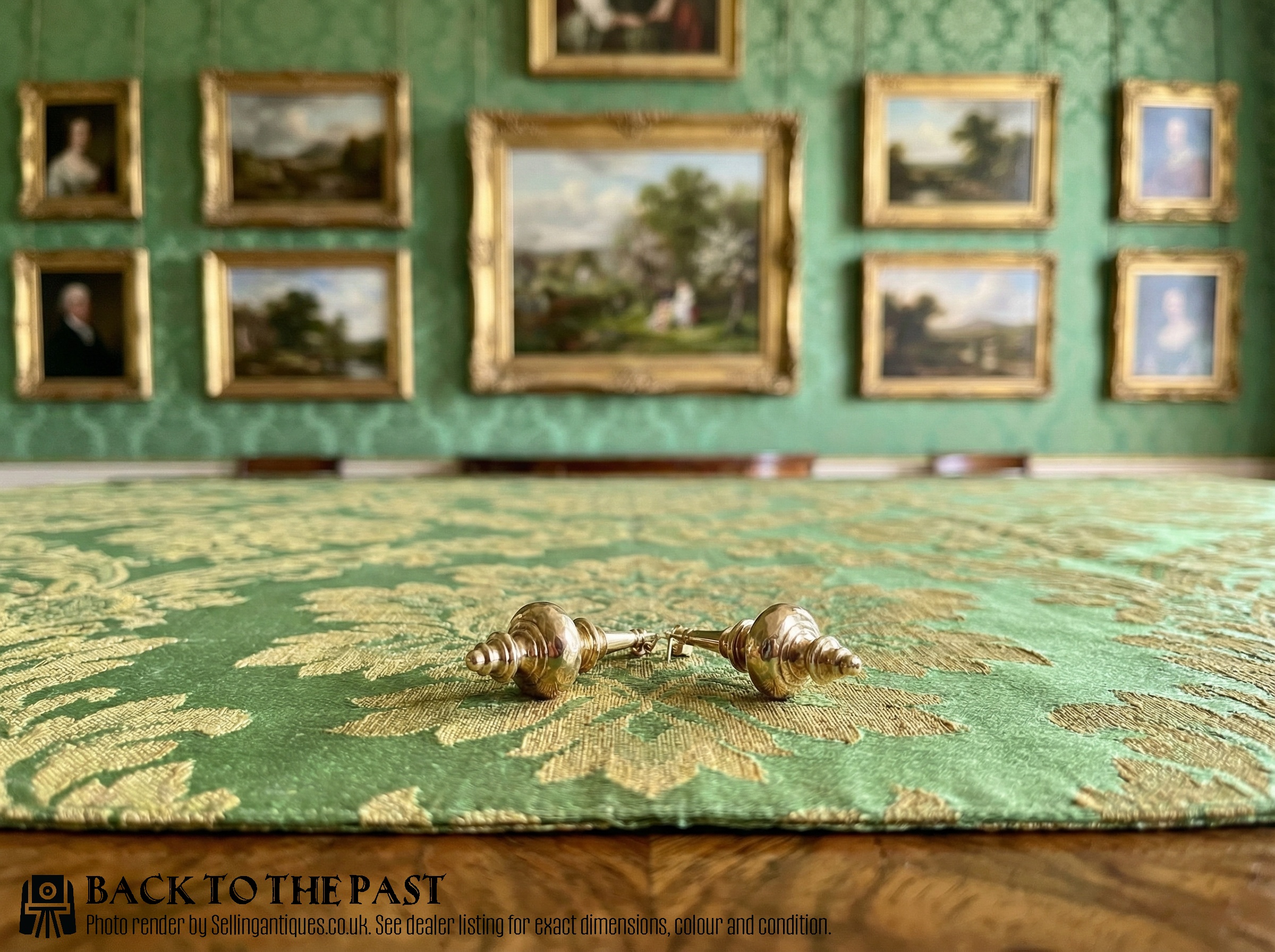
Fine Gold Jewellery Earrings
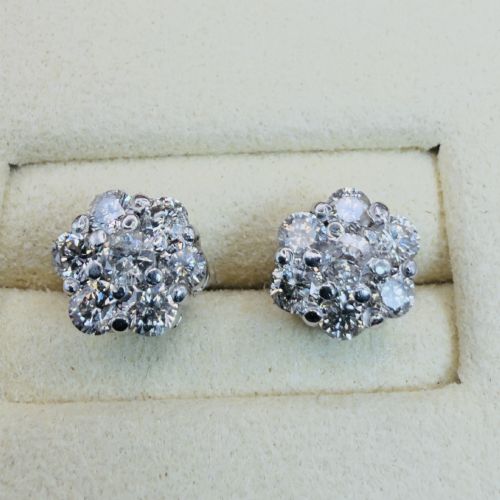
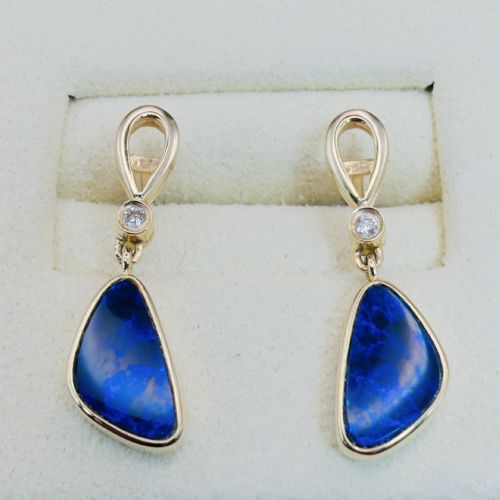
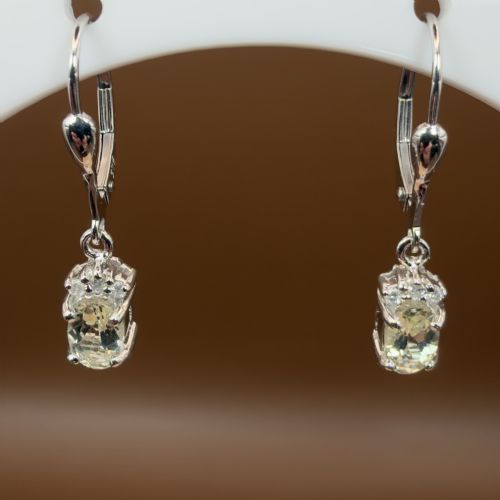
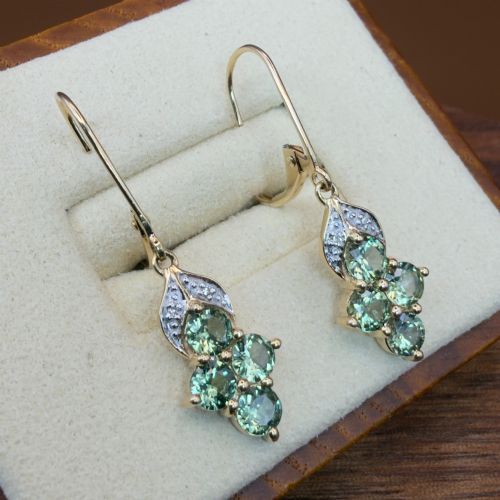
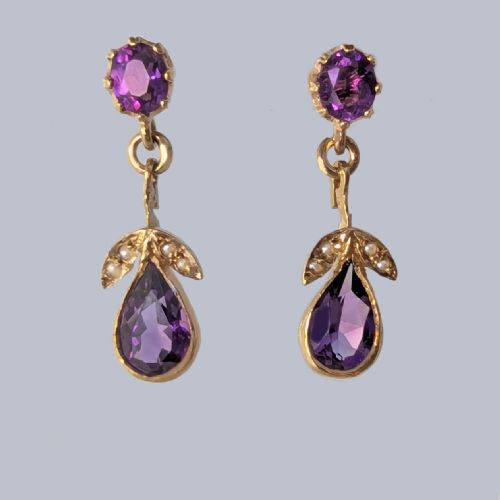
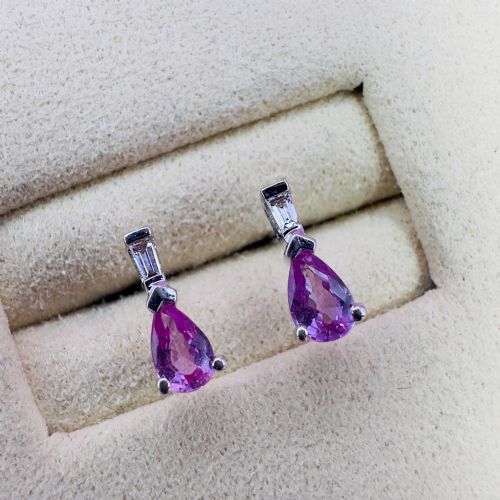
Fine gold jewellery earrings encompass a diverse range of historic and mid-century designs, featuring everything from simple studs to intricate drop and cluster configurations. These pieces originate from various eras, including the Edwardian period, the 1920s, and the mid-century decades.
Materials and Techniques
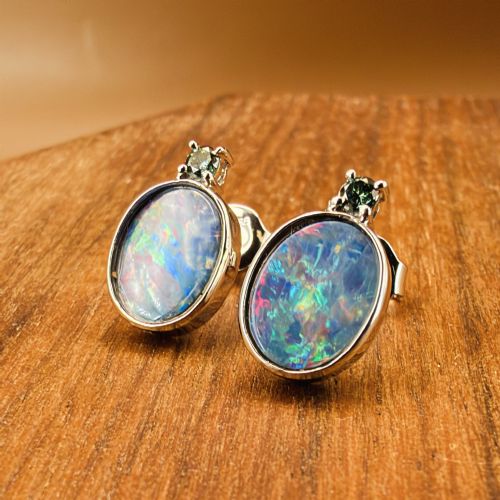
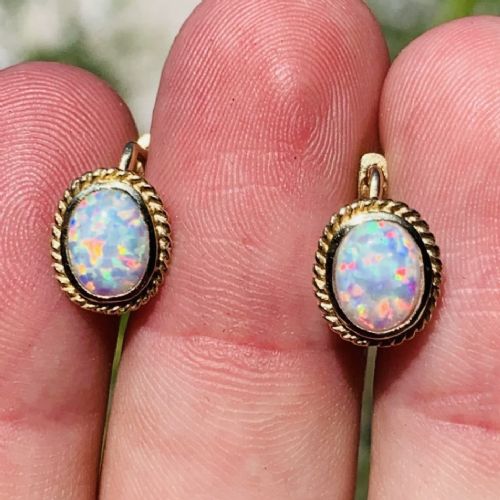
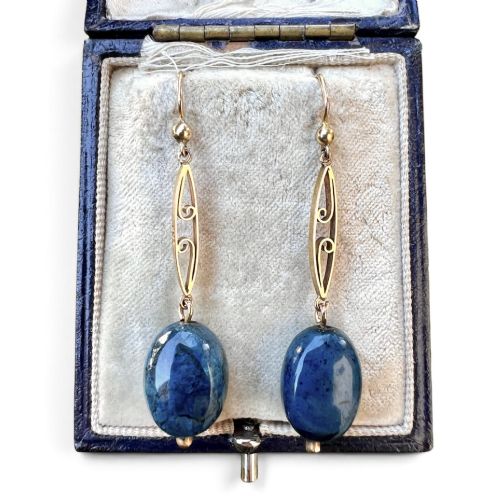
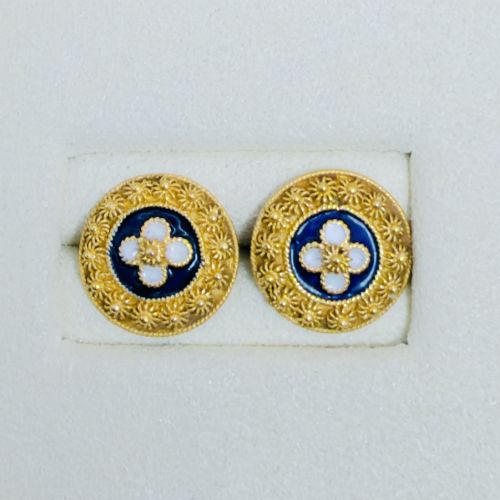
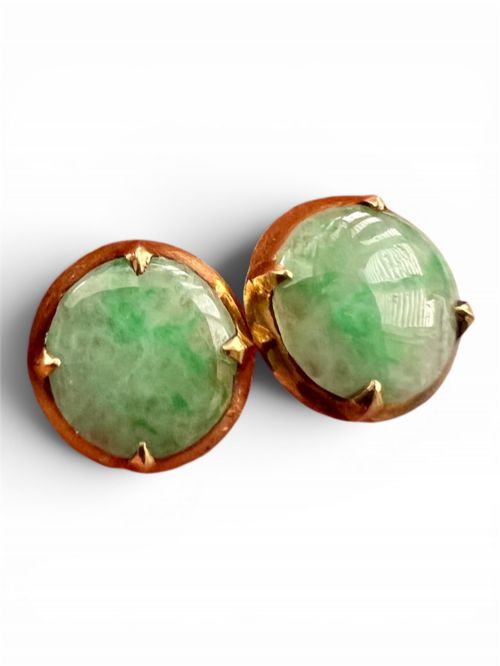
These items utilise yellow, white, and occasionally higher-carat gold foundations, shaped into rope twists, filigree mounts, and cluster settings. Gemstones such as diamonds, amethysts, opals, and sapphires are secured using traditional claw, bezel, and flush settings.
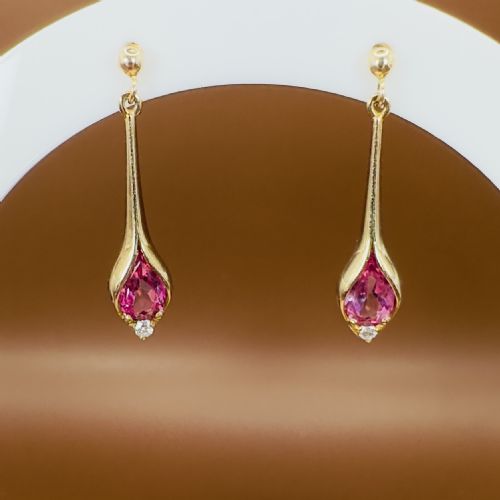
Craftsmanship involves precise stone cutting, including marquee, oval, and pear facets, alongside delicate pearl stringing and enamel work. Metalwork techniques range from structural hinges and screw backs to detailed foliate silver mounts paired with gold.
Some vintage pairs arrive tucked inside their original presentation boxes, preserving the exact journey they began decades ago.
Quality and Distinction
Quality rests upon the selection and matching of the central gemstones, such as the clarity of diamonds and the play of colour in opals and natural pearls. Superior examples demonstrate rigorous gemological choices coupled with balanced proportions.
The sophistication of the metalwork, whether through intricate filigree or substantial cast mountings, separates standard production from exceptional pieces. Preserved maker provenance and original packaging further distinguish the finest items.
Andrew Grima
The Fine Gold Jewellery Earrings Glossary
- Carat
- A unit of measurement used to indicate the purity of gold in an alloy, or the weight of precious gemstones. Higher carats indicate a greater proportion of pure gold.
- Cluster
- A gemstone setting arrangement where a central stone is surrounded by a tighter grouping of smaller stones. This design maximises visual impact and light reflection.
- Filigree
- An ornate form of delicate metalwork made with twisted threads, usually gold or silver, soldered together. It creates lace-like openwork patterns across the piece.
- Doublet
- A composite gemstone made of two sections fused together, frequently seen in opals to enhance durability and display a stronger play of colour.
- Screw back
- A mechanical fastener used on non-pierced earrings featuring a threaded post and a small nut. It allows the wearer to adjust the pressure on the earlobe securely.
Fine Gold Jewellery Earrings: Frequently Asked Questions
How do I care for antique gold earrings?
Store them individually in lined boxes to prevent scratching between pieces. Clean delicate components like pearls and opals gently with a soft dry cloth rather than harsh liquid immersions.
Check settings periodically to ensure stones remain secure within their mounts. Avoid wearing delicate items during vigorous physical activities or exposure to chemical sprays.
What periods do these earrings represent?
The selection includes Edwardian pieces characterised by light mounts and natural pearls, alongside Art Deco and mid-century designs featuring geometric cuts and bolder gemstones.
Victorian revival and contemporary classic styles also appear, reflecting changing aesthetic preferences across the twentieth century.
Are all these earrings for pierced ears?
Many examples utilise modern post-and-clutch or hinge-back designs suited for pierced lobes. Historic pieces may incorporate alternative fixings such as screw backs designed for non-pierced ears.
Buyers should examine the specific fastening type listed for each pair to confirm compatibility with their own preferences.
How are different gold carats distinguished?
Jewellery pieces are commonly stamped with hallmark indicators denoting the gold purity, such as nine-carat, fourteen-carat, or eighteen-carat standards. Colour variations between yellow and white gold reflect the specific alloy metals mixed with the pure gold.
White gold is typically created by alloying gold with white metals like palladium or silver, often finished with a rhodium plating.