
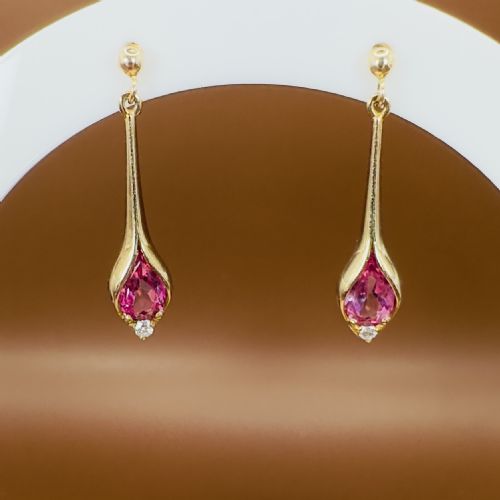


Fine Gold Gemstone Studs
Fine gold gemstone studs are classic ear ornaments that deliver concentrated colour and sparkle close to the earlobe.
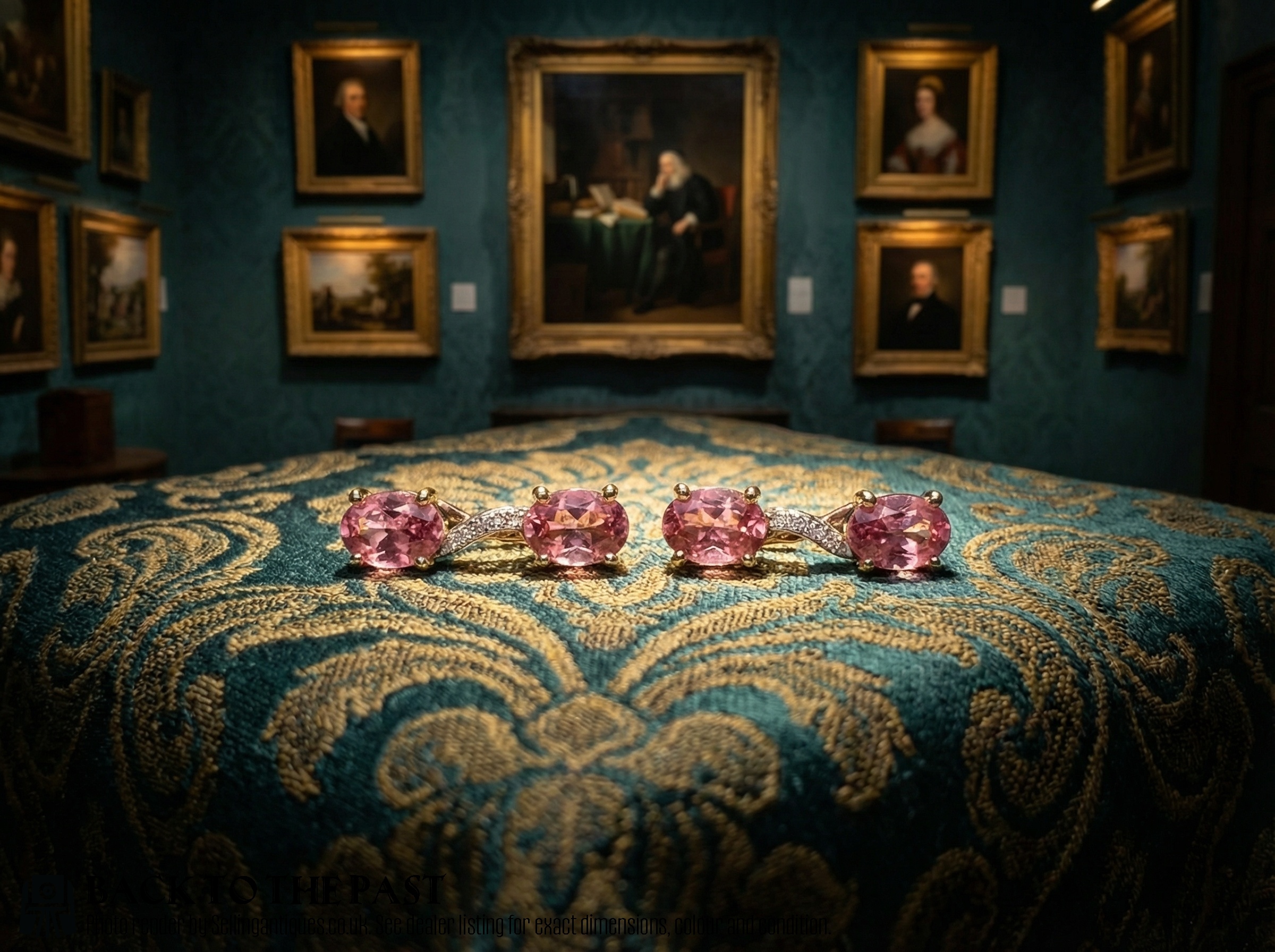
Fine Gold Gemstone Studs
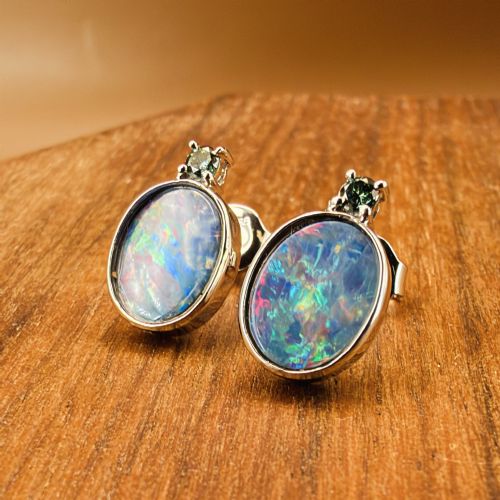
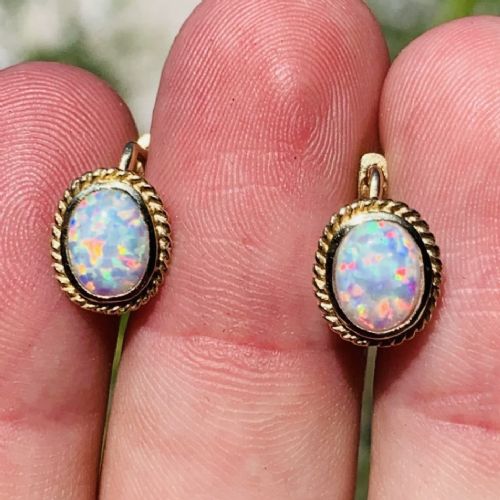
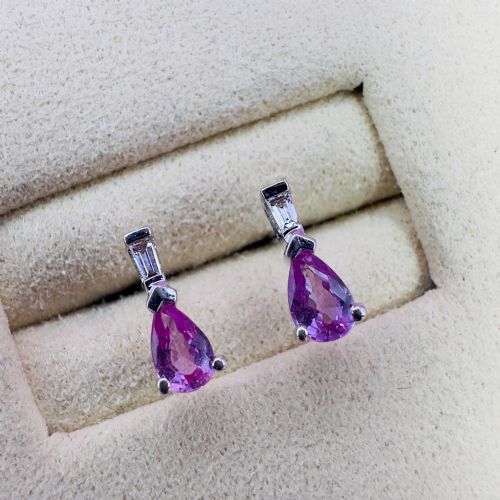
Fine gold gemstone studs comprise a diverse assembly of earrings that centre on precious and semi-precious stones set in various carats of yellow, white and rose gold. When exploring fine gold gemstone studs, buyers encounter forms ranging from simple solitaire configurations to complex cluster arrangements and drop designs.
The selection spans decades of design, incorporating pieces originating from the nineteen-twenties through to the nineteen-sixties and later. Common gemstone choices include diamonds, sapphires, emeralds, amethysts, opals and aquamarines, fashioned into oval, pear, emerald and marquise cuts.
Styles represented across the inventory reflect periods such as Art Deco, Mid-Century, Modernist and Victorian Revival alongside classic fine jewellery aesthetics. Most frequently, buyers meet earrings utilising nine-carat, fourteen-carat and eighteen-carat gold settings.
How they were made
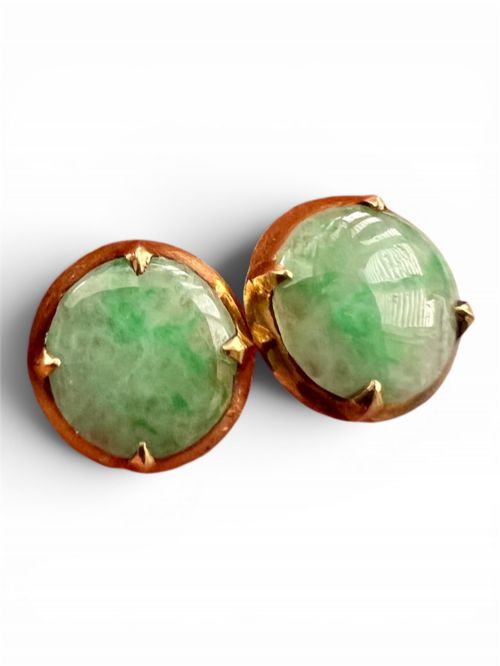
These earrings are constructed using diverse gold purities, predominantly nine-carat, fourteen-carat and eighteen-carat alloys in both yellow and white varieties. Metalwork techniques involve casting, filigree wirework and precision claw or bezel settings designed to secure faceted and cabochon stones firmly.
Gemstones incorporated into the designs undergo specific lapidary shaping, including brilliant cutting, step cutting, oval cuts and pear cuts. Stones such as jadeite, opal and rose quartz are frequently shaped as smooth cabochons, whereas diamonds, emeralds, sapphires and spinels display precise facets to maximise light reflection.
One exceptional mid-century set arrives complete with its original presentation box, preserving a tiny time capsule of nineteen-sixties presentation.
What varies in quality
Quality in these earrings rests upon the optical characteristics of the central stones and the precision of the metalwork. Superior pieces display vibrant, evenly saturated gemstone colour combined with clean clarity and secure, well-finished settings that conceal no structural weakness.
The choice of gold purity and the complexity of the mount also distinguish examples within the range. Heavier eighteen-carat gold structures and intricate cluster or filigree arrangements require greater artisan skill than simpler cast nine-carat mounts.
Andrew Grima
The Fine Gold Gemstone Studs Glossary
- Cabochon
- A gemstone shaped and polished with a smooth, convex surface rather than being faceted. This style is frequently utilised for opaque or translucent stones like opals and jadeite.
- Cluster
- An arrangement of smaller gemstones grouped closely around a larger central stone. This design style maximises overall visual presence and sparkle.
- Filigree
- Delicate ornamental work consisting of twisted fine gold threads soldered together. It creates an openwork lace pattern common in vintage mountings.
- Carat
- The unit of measurement for the weight of gemstones or the fineness of gold alloy. In gold, it indicates the proportion of pure gold out of twenty-four parts.
- Marquise cut
- An elliptic gemstone shape with pointed ends, also known as a navette cut. This faceted form creates an elongated appearance on the earlobe.
Fine Gold Gemstone Studs: Frequently Asked Questions
How do I style fine gold gemstone studs?
These versatile earrings suit everyday wear as well as formal occasions depending on their size and gemstone choice. Simple solitaire studs pair easily with casual attire, while cluster or drop variations complement evening wear.
Matching the gold tone of the settings with other worn jewellery creates a cohesive appearance. Drawing attention to the earlobe with coloured stones also allows you to coordinate earrings with other accessories.
Are these earrings comfortable for daily wear?
Most stud configurations sit close and secure against the earlobe, making them practical for continuous daily use. Drop styles add movement while remaining lightweight enough for extended periods.
Secure friction backs or screw backs help keep the earrings properly positioned throughout the day. Selecting appropriate sizes ensures the weight does not strain the earlobe.
How do I identify the period of vintage studs?
Dating relies on observing stylistic markers such as geometric Art Deco motifs or organic Mid-Century Modernist lines. Metal hallmarks and specific gemstone cutting techniques also provide reliable clues to the era of manufacture.
Comparing the setting construction methods with known historical periods helps narrow down the production decade. Original boxes and documentation can further verify the historical context of a specific pair.
What is the difference between solid and white gold?
Yellow gold retains its natural warm metallic hue, whereas white gold is an alloy combined with white metals like palladium or nickel and often plated with rhodium. Both types offer durable foundations for gemstone settings across different carats.
White gold provides a neutral backdrop that emphasises the colourless brilliance of diamonds or the cool tones of aquamarines. Yellow gold brings warmth to coloured gems like amethysts, emeralds and rubies.