
Fine Art Painting
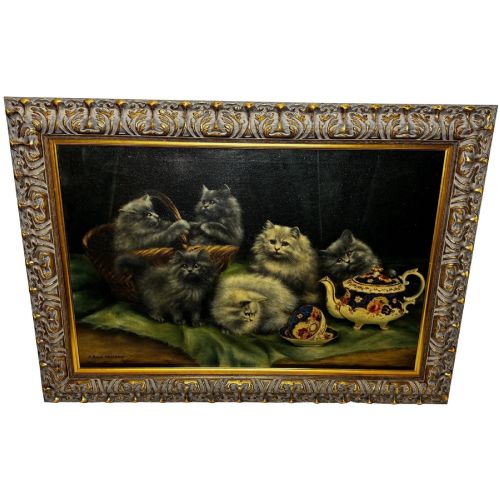
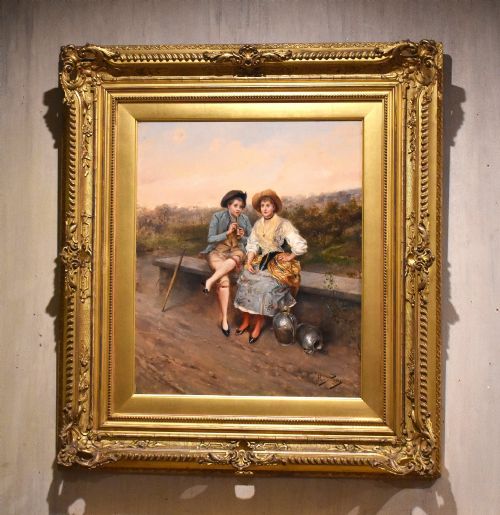
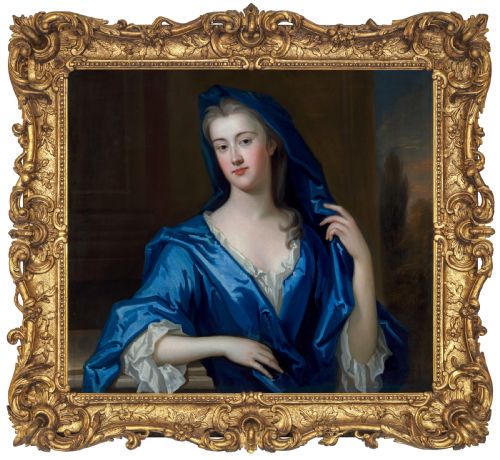
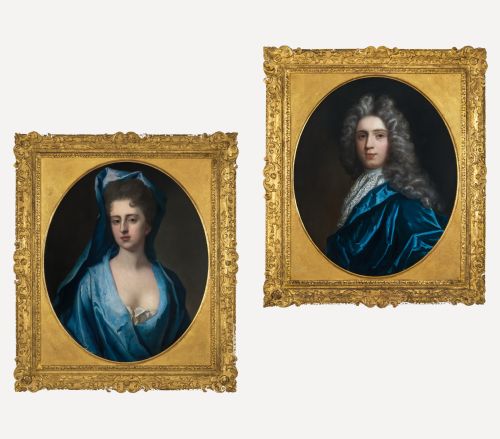
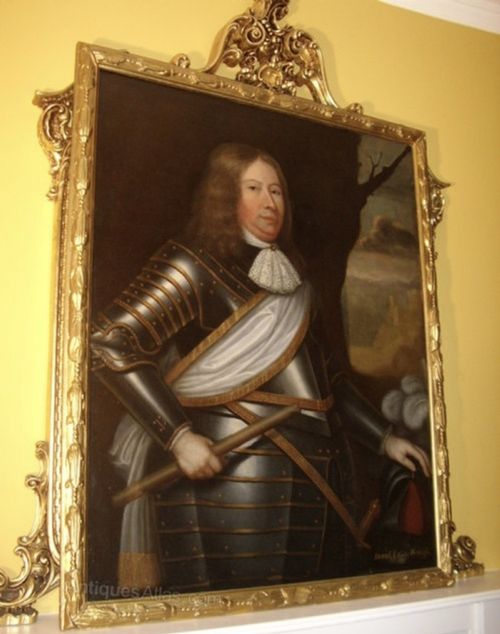
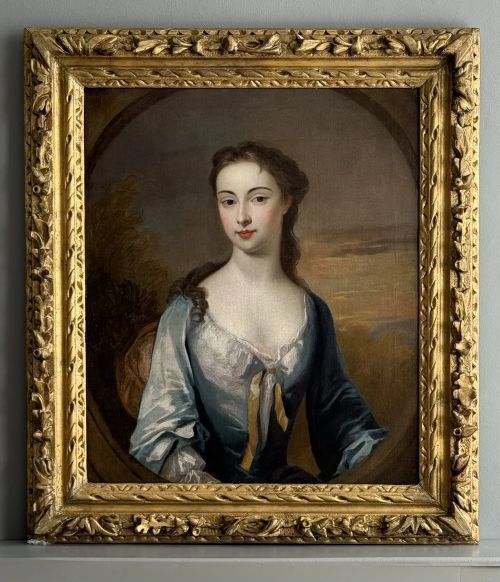
Fine art painting captures centuries of portraiture and landscape through oil on canvas, panel, and delicate watercolour.
Fine Art Painting
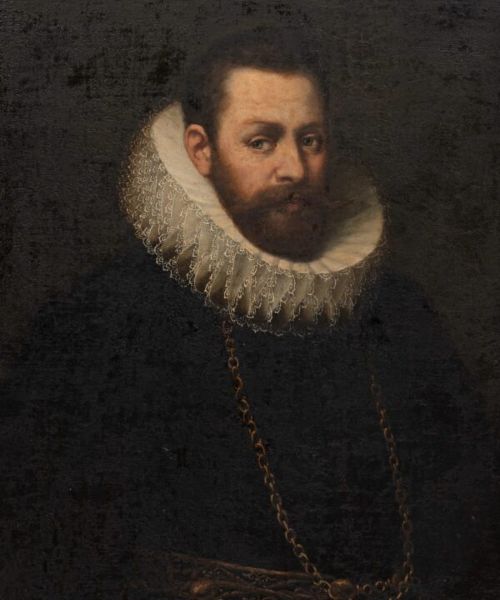
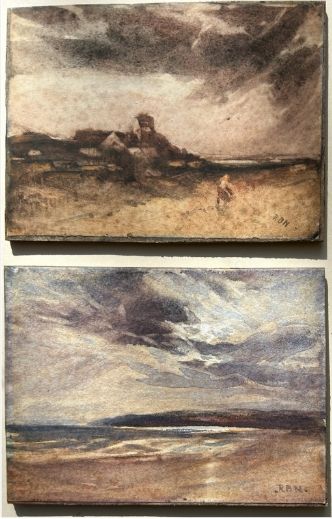
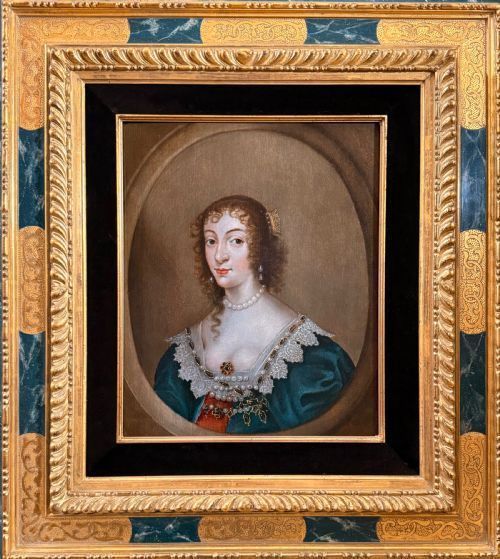
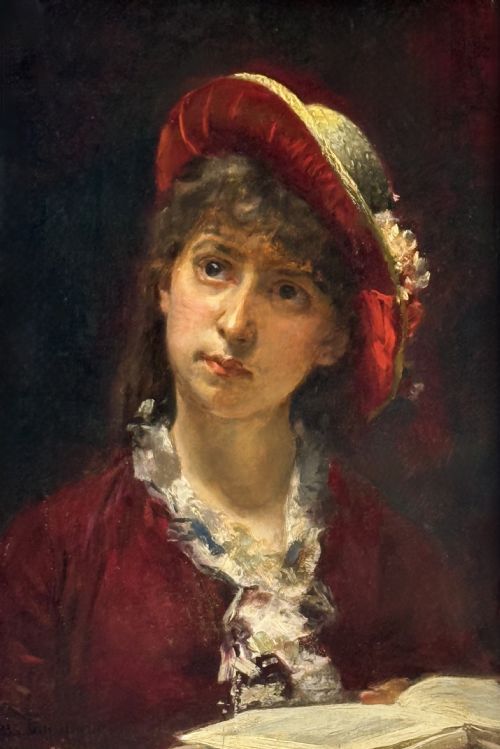
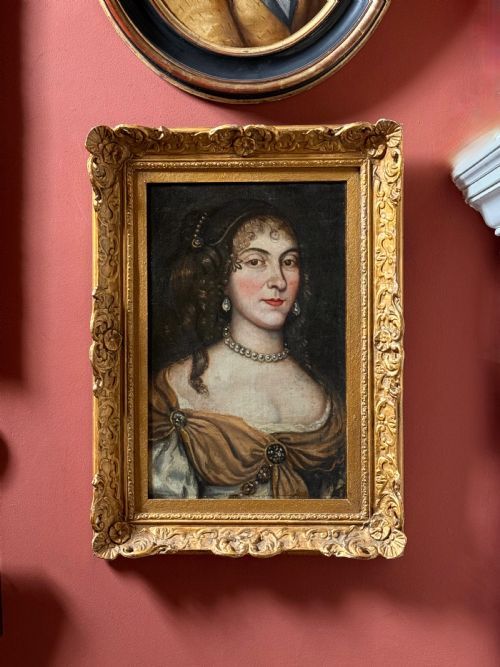
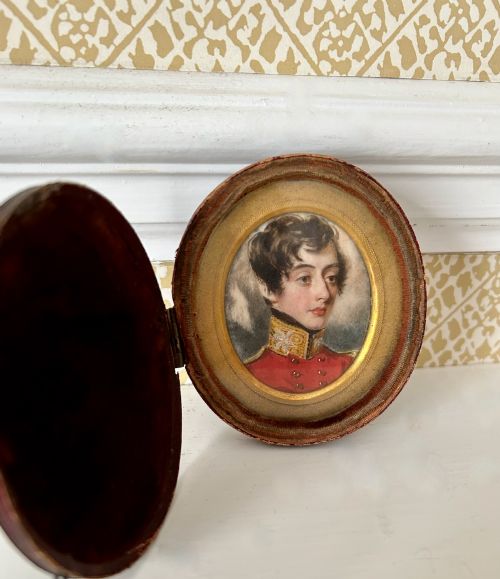
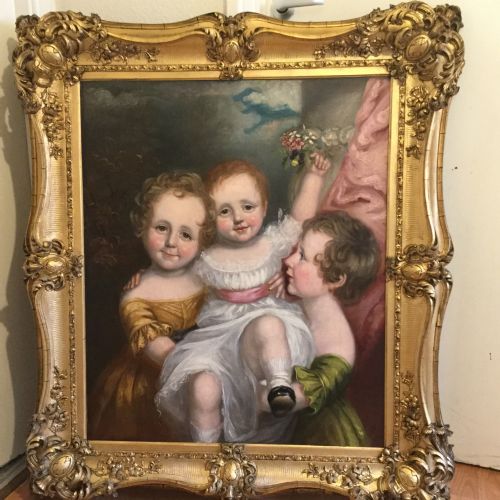
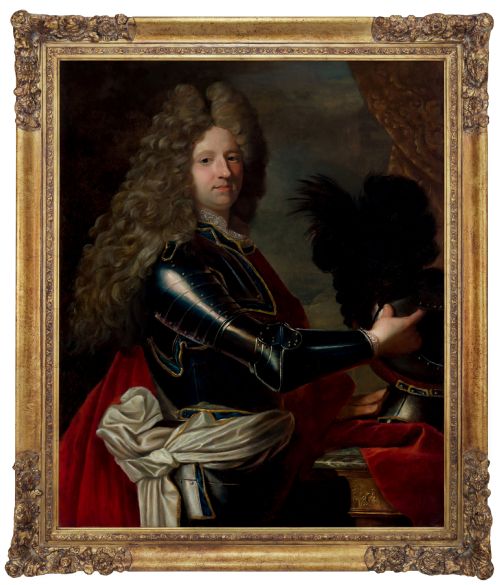
When searching for fine art painting, buyers encounter centuries of historic portraiture, landscapes, and figure studies spanning the seventeenth century through to the early twentieth century. These works range from intimate watercolour miniatures on ivory to large oil paintings on canvas and wood panel.
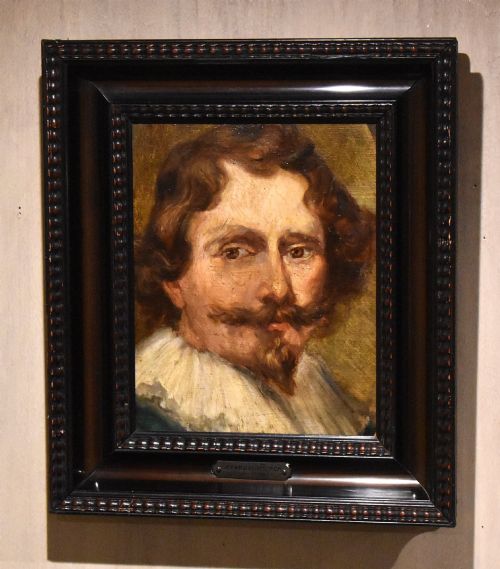
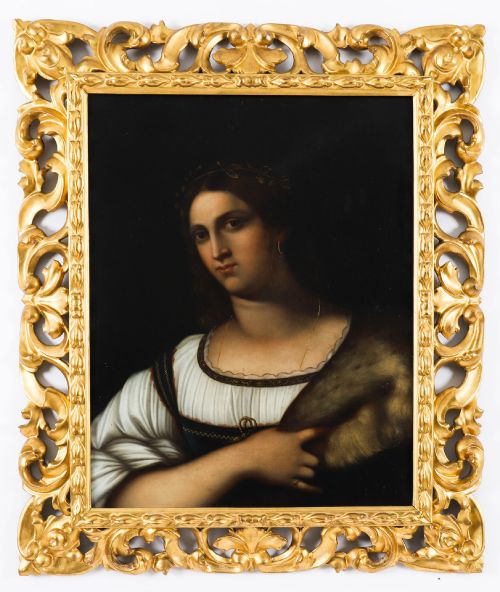
The most common pieces on this page are oil portraits executed by studio hands, regional artists, or followers of major historical painters. Landscapes from Victorian and Regency periods also appear frequently alongside traditional European school compositions.
Materials and Techniques
The primary technique relies on oil paint applied to stretched canvas or wooden panels, often framed in period giltwood. Pigments build up depth and texture, particularly in seventeenth and eighteenth-century portraits.
Watercolour works utilise paper supports, sometimes combined with delicate handling on ivory for portrait miniatures. Gilt framing complements the painted surface across multiple eras.
Listings span the 17th, 18th, 19th, and early 20th centuries, featuring oil on canvas, panel, paper, and ivory.
Judging Quality
Quality rests upon the strength of draftsmanship in the face and hands, the preservation of the original paint layer, and the fidelity of the period frame. Works attributed to major studio circles or identified sitters carry distinct historical weight.
Handling of light, garment detail, and atmospheric perspective separate competent decorative works from pieces possessing artistic presence.
Robert Buchan Nisbet·Charles Jervas·Michael Dahl·Thomas Murray·Sir Thomas Lawrence·Hyacinthe Rigaud·William Mellor·Sir Peter Lely·Cornelius Johnson
The Fine Art Painting Glossary
- Oil on canvas
- A painting technique using pigments bound in a drying oil applied to a woven fabric support stretched across a wooden frame.
- Oil on panel
- A painting executed on a flat wooden board, common in earlier centuries before canvas became dominant.
- Portrait miniature
- A small, highly detailed painting, frequently executed on ivory or vellum during the Georgian and Victorian eras.
- Giltwood
- Wood carved and coated with gold leaf, standard for framing historic paintings.
- School of
- A term indicating a work produced by an unnamed artist working in the style and location of a master.
Fine Art Painting: Frequently Asked Questions
How do I identify the period of a painting?
Period identification relies upon costume details, hair styles, and framing conventions visible in the work. Canvas preparation and stretcher construction also offer chronological clues.
Comparing brushwork and palette to known examples from specific decades helps narrow down the date.
What is the difference between an artist and their circle?
An attribution directly to an artist implies their own hand created the work. A circle designation indicates a contemporary working closely around that master.
Studio attributions point to assistants working under the supervision of the main master.
How should historic oil paintings be displayed?
Historic oil paintings need stable room environments away from direct sunlight and sudden temperature shifts. Proper wall mounting prevents physical stress to the canvas or panel.
Original giltwood frames require gentle dusting without chemical cleaning agents.
Why are portrait miniatures painted on ivory?
Ivory provided a smooth, luminous surface that added a natural glow to human skin tones when painted in watercolour. This material allowed miniature painters to achieve remarkable detail.
Protective cases preserved these small portraits for personal carriage or intimate display.