

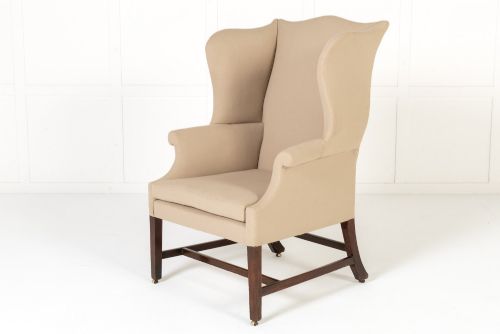
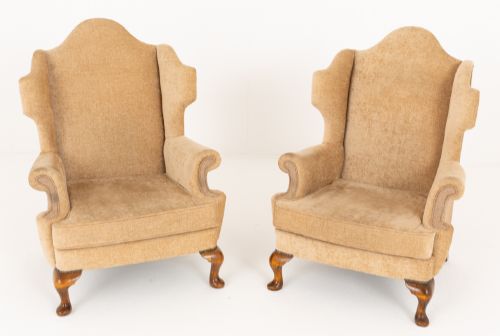

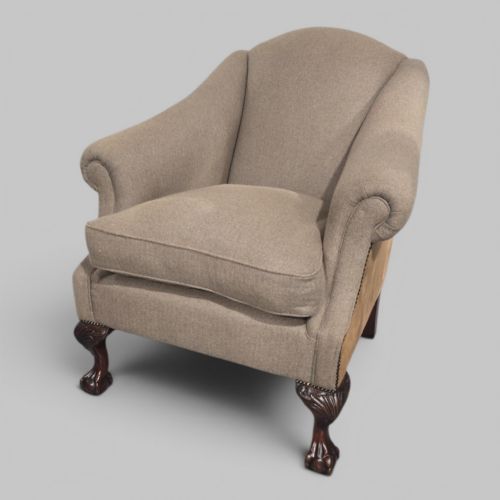


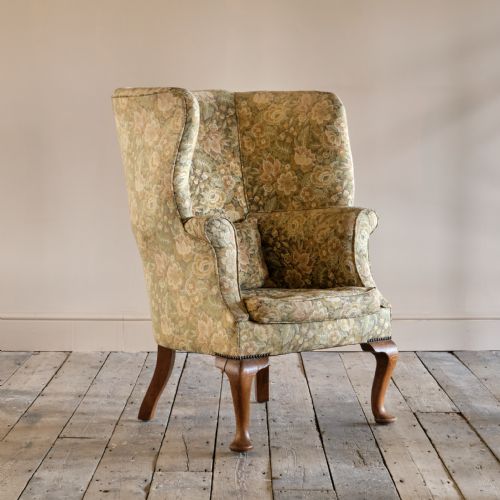

Fabric Wing Chair
A fabric wing chair brings high-backed warmth and traditional comfort to a room.
Fabric Wing Chair
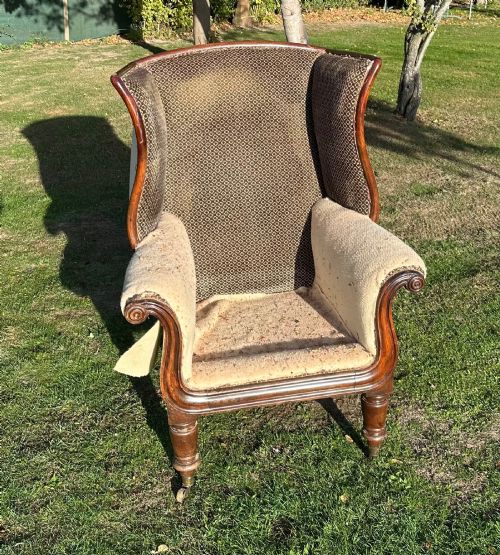
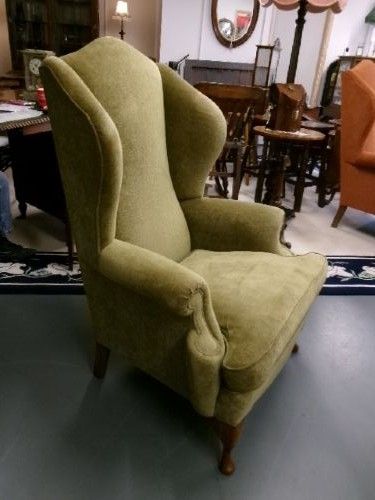
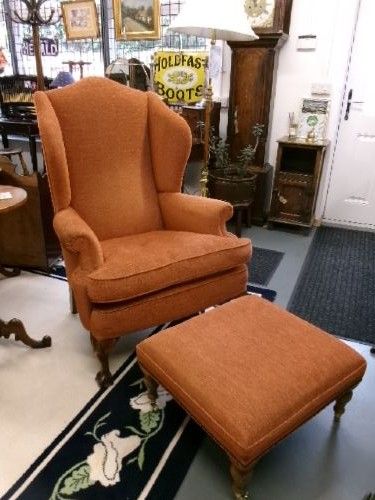
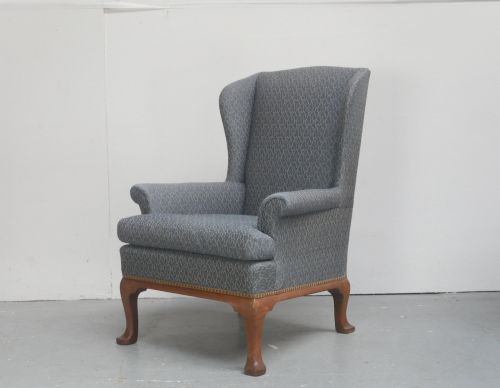
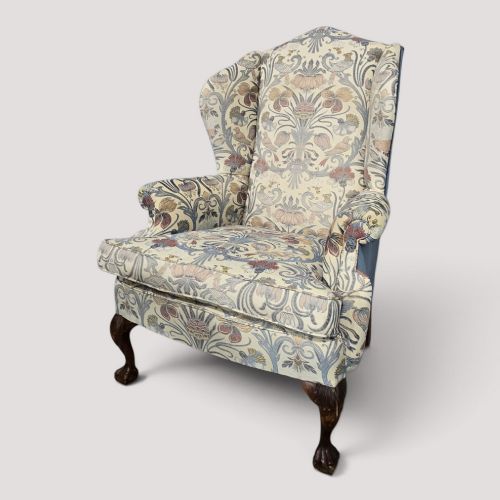
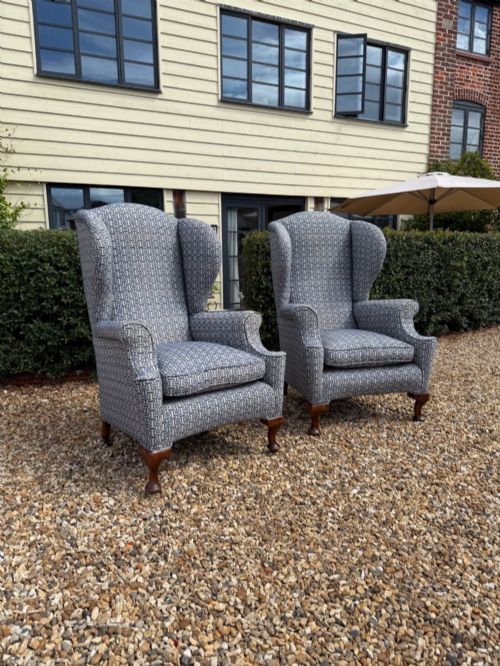
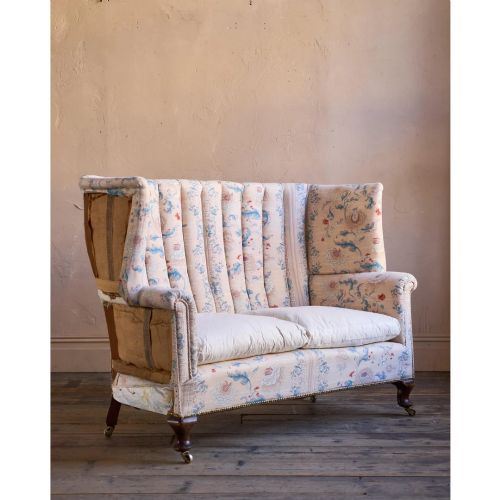
A fabric wing chair is a high-backed seating form designed to shield the sitter from draughts, appearing across periods from the 18th century through to the 1930s. The selection spans standard armchairs, barrel-backed variants, and occasional double wingback sofas.
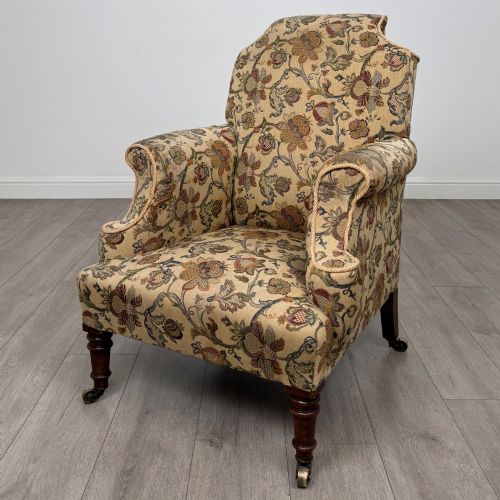
Most examples you encounter date from the Victorian, Edwardian, and 1920s eras, often constructed in revival styles including Queen Anne and Georgian. These pieces range from substantial country house models to smaller fireside chairs upholstered in textiles such as damask, wool, and cotton.
Makers recorded in the archive and current listings include firms like Howard & Sons, Thomas Sopwith, Whytock & Reid, and Thomas Chippendale. These makers provide benchmark examples of upholstered seating across walnut, mahogany, and oak frames.
How they were made
Construction relies upon solid hardwood frames fashioned from mahogany, walnut, oak, and general timber. These structural carcases support the padded wings and deep seats.
Upholstery techniques involve traditional textile coverings including damask fabric, wool, ticking, and cotton. Brass hardware frequently appears on castors or detailing across the legs and feet.
Fabric Wing Chair Retail Price Guide 2026
Typical asking prices for fabric wing chair among the pieces listed under this phrase on Sellingantiques today, from the lower quarter to the upper quarter. They describe what is for sale here now, not the wider market.
Current listings feature wood, mahogany, walnut, and hardwood frames paired with textile, damask, and brass elements across eight distinct periods.
What varies in quality
The distinction between standard pieces and top-tier examples rests in the sculptural grace of the wooden framework and the integrity of the period upholstery. Finer chairs exhibit hand-carved details on mahogany or walnut legs rather than plain turned supports.
Proportion and scale also dictate worth, as grand George III and 18th-century forms demand higher regard than later mass-produced 20th-century variants. Maker attribution to known workshops elevates the standing of individual pieces considerably.
Howard And Sons·Thomas Sopwith·Whytock And Reid·Thomas Chippendale
The Fabric Wing Chair Glossary
- Wingback
- A high-backed armchair featuring projecting side panels designed to trap heat and block draughts. This signature silhouette defines the entire category.
- Barrel back
- An upholstered seating form where the padded back curves continuously around into the arms. It offers a more enclosed, cocooning sit than a standard square wing chair.
- Mahogany
- A durable hardwood commonly utilised for the exposed legs and framework of 18th and 19th century seating. Its rich reddish-brown tone became synonymous with quality cabinet making.
- Damask fabric
- A reversible figured textile traditionally woven with intricate patterns. It frequently appears as the decorative outer upholstery on formal period chairs.
Fabric Wing Chair: Frequently Asked Questions
How do I identify an 18th-century model?
Look for timber selection, hand-carved leg details, and traditional frame construction methods typical of the Georgian period. Early pieces often display deeper proportions and heavier hardwood carcases.
Compare the profile against documented examples from the same era to verify authenticity.
Were these chairs used only by firesides?
While the wings originally served to block draughts from open hearths, these seats functioned as principal reception room furniture. Their enclosed design provided privacy and comfort in large draughty houses.
They moved freely between libraries, parlours, and drawing rooms over the centuries.
How do I care for period upholstery?
Protect antique textiles by avoiding direct sunlight and utilising gentle vacuum attachments to remove surface dust. Professional cleaning is advised for fragile historic fabrics.
Inspect the internal webbing and padding periodically to ensure the structure remains stable.
What is the difference between Georgian and Victorian styles?
Georgian pieces emphasise refined proportions and restrained carving, often utilising mahogany. Victorian iterations tend to be heavier, featuring fuller padding and diverse revival influences.
Upholstery choices also shifted across these decades alongside prevailing interior fashions.