

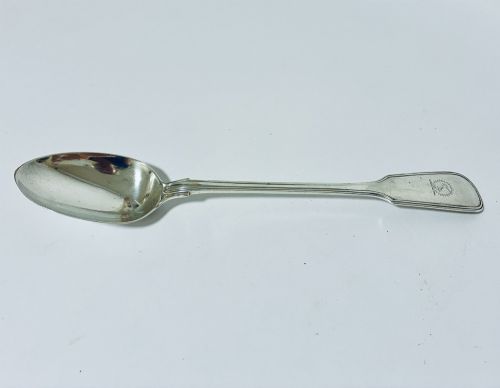


Engraved Silver Utensil
An engraved silver utensil brings domestic history to the dining table, offering weight and craftsmanship found in periods from the eighteenth century to the twentieth.
Engraved Silver Utensil
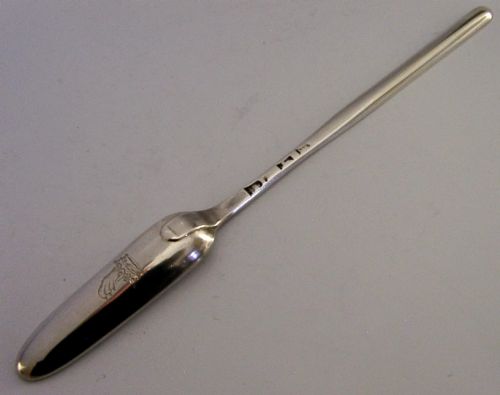
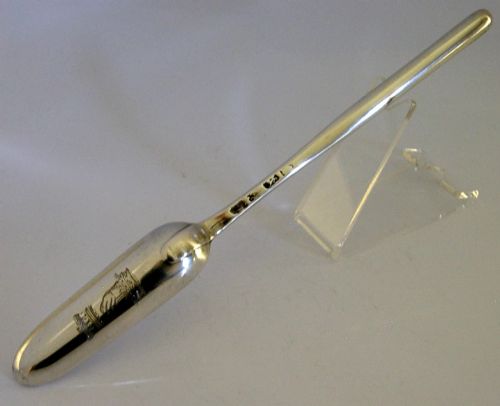
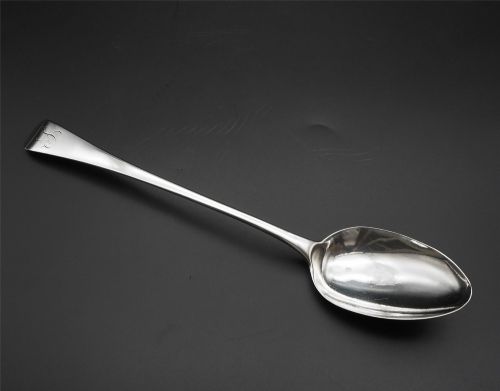
When you search for an engraved silver utensil, you encounter pieces designed for serving, cutting, and portioning food at the table. The selection includes serving spoons, fish slices, salad servers, serving tongs, and smaller items like butter knives and caddy spoons.
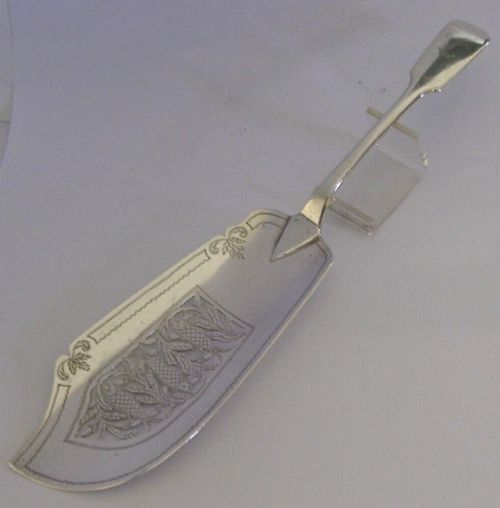
Most examples found here hail from the Georgian and Victorian eras, alongside select pieces from the eighteenth and nineteenth centuries. You are most likely to meet serving spoons and fish slices bearing hand-engraved crests, foliate scrolls, or pierced decoration.
Origins span British workshops, with specific pieces originating from London and Ireland, complemented by Scandinavian antique designs. These utensils served practical dining functions in wealthy households, often preserved in fitted boxes lined with silk or velvet.
How they were made
Makers shaped sterling silver and silver through traditional smithing techniques, forming heavy bowls and blades by hand. Handles frequently incorporate organic materials such as mother-of-pearl, secured alongside the metal work.
Engraving was executed by hand using sharp gravers to cut decorative family crests, initials, and intricate floral patterns directly into the silver surface. Piercing was utilised on fish slices and fruit forks to remove metal in geometric or floral motifs.
Gilding was applied to specific interior surfaces, such as the bowls of caddy spoons, producing a contrasting gold-gilt finish against the polished silver.
Engraved Silver Utensil Retail Price Guide 2026
Typical asking prices for engraved silver utensil among the pieces listed under this phrase on Sellingantiques today, from the lower quarter to the upper quarter. They describe what is for sale here now, not the wider market.
Specific forms include butter knives, caddy spoons, fish slices, salad servers, and folding fruit forks dating back to the eighteenth century.
What varies in quality
The depth and crispness of the hand-engraving separate standard utilitarian objects from finer presentation pieces. Sharp, clean lines in crests and foliate scrolls indicate skilled workmanship by the silversmith.
Gauge and weight determine the structural rigidity of the utensil, with heavier spoons and fish slices resisting bending during use. The integration of auxiliary materials like mother-of-pearl handles with silver ferrules demonstrates careful assembly.
Wilkes Booth·Charles Boyton
The Engraved Silver Utensil Glossary
- Sterling silver
- A silver alloy containing 92.5 percent pure silver and 7.5 percent other metals, typically copper, chosen for durability in tableware.
- Fish slice
- A wide, flat utensil with a pierced and engraved blade designed for serving fish at the table.
- Caddy spoon
- A small spoon utilised for measuring loose tea leaves from a caddy, often featuring an engraved or gilt bowl.
- Mote spoon
- A narrow eighteenth-century spoon with a pierced bowl used for skimming tea leaves and a pointed stem for clearing teapot spouts.
- Fiddle pattern
- A nineteenth-century flatware handle shape widening sharply near the end, resembling the outline of a violin.
Engraved Silver Utensil: Frequently Asked Questions
What is a fish slice used for?
A fish slice served as a specialised serving tool at formal nineteenth-century dining tables. The wide blade allowed the host to lift and portion delicate fish dishes without breaking them.
Many examples feature pierced designs and hand engraving, indicating they were meant to be seen and handled during dinner service rather than kept hidden in the kitchen.
How are Georgian and Victorian silver utensils different?
Georgian pieces often display simpler, robust forms with hand-hammered weight and crisp, hand-cut crests. Victorian items frequently embrace heavier ornamentation, incorporating intricate floral engraving and diverse handle materials like mother-of-pearl.
Both periods utilise sterling silver, but the stylistic choices on the handles and blades reflect the shifting tastes of the dining room across the decades.
Were these utensils used every day?
Many of these pieces served as functional items in wealthy households for specific dining courses, such as serving fish, salads, or tea. Utensils like caddy spoons and butter knives had dedicated daily roles in the morning or afternoon routine.
Surviving examples often retain crisp engraving because they were stored carefully in fitted leatherette boxes lined with silk or velvet between uses.
How can I tell a serving spoon from a dinner spoon?
Serving spoons are noticeably larger and heavier than standard eating spoons, designed to transfer food from a communal dish to an individual plate. They often feature larger bowls and longer stems to reach deep into serving bowls.
Some period examples were created as matched pairs specifically for serving vegetables, berries, or meat courses.