




English Regency Chest Drawers
An english regency chest drawers delivers architectural discipline and rich cabinet timber, bringing proportion and storage into daily rooms.
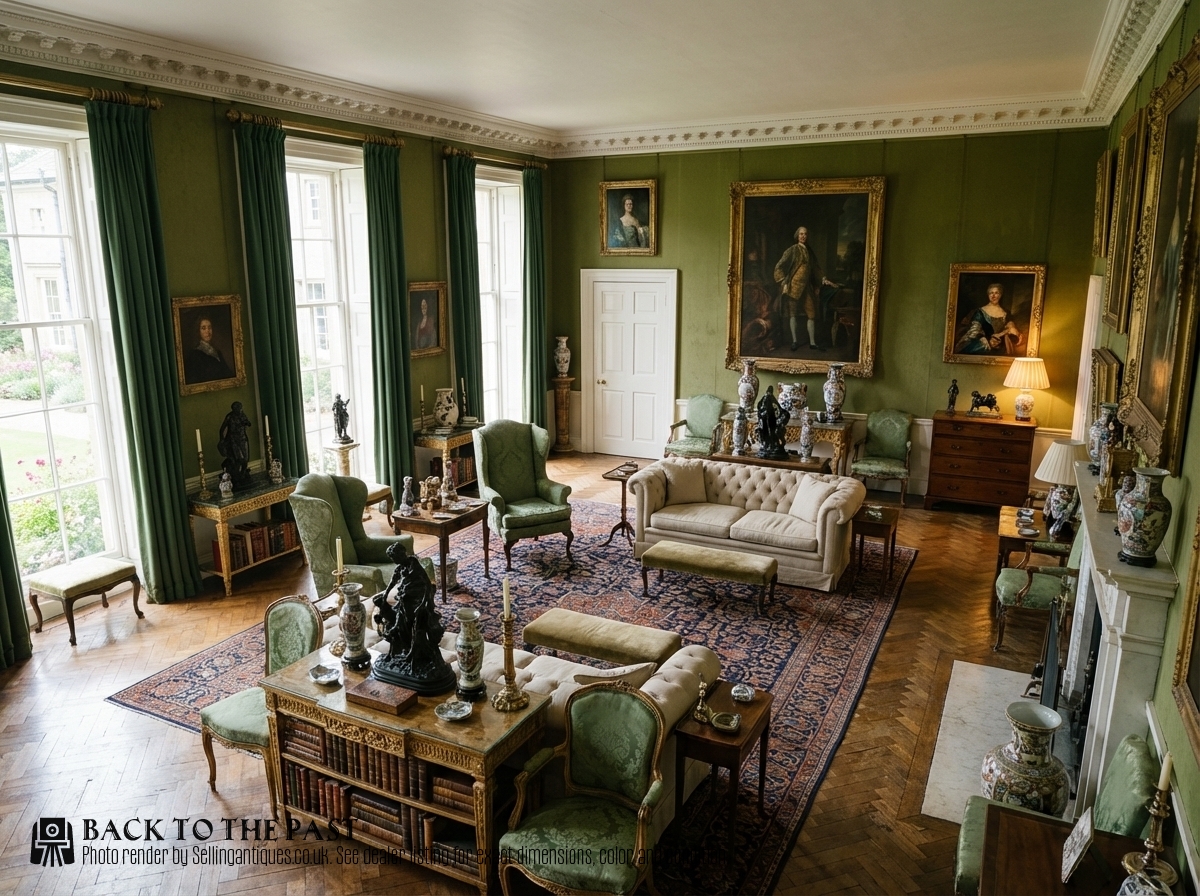
English Regency Chest Drawers
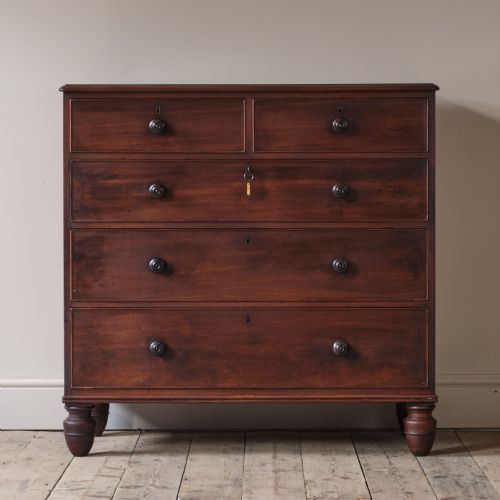
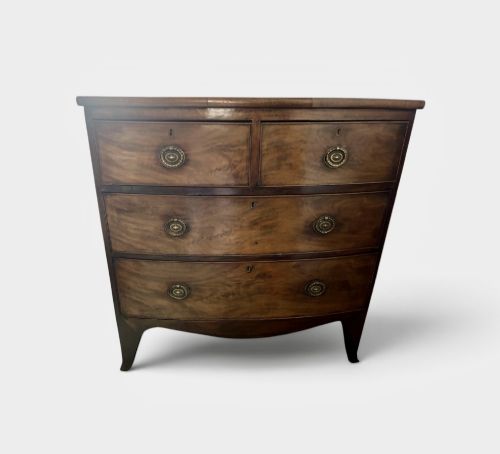
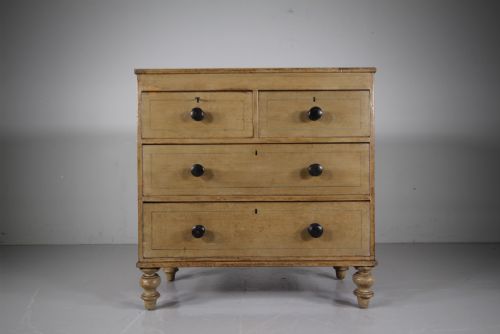
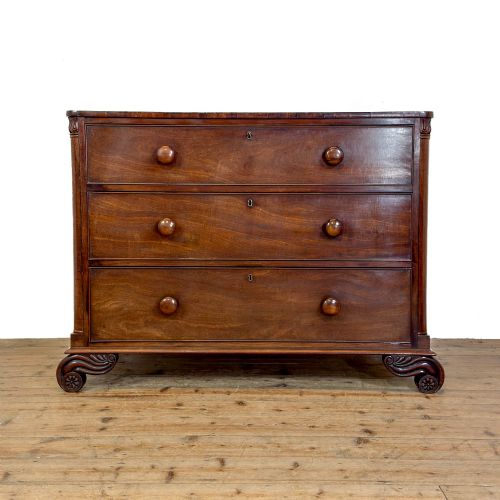
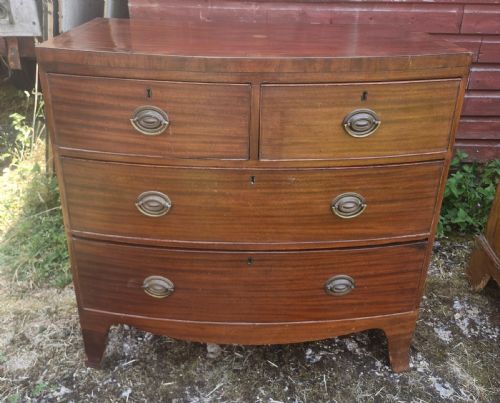
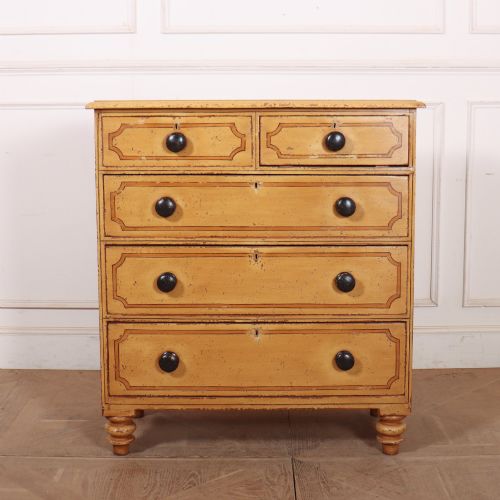
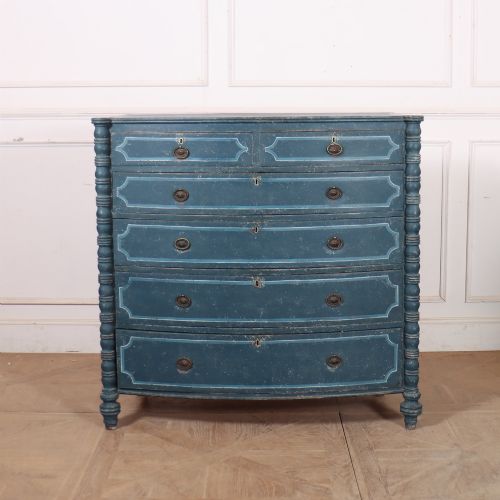
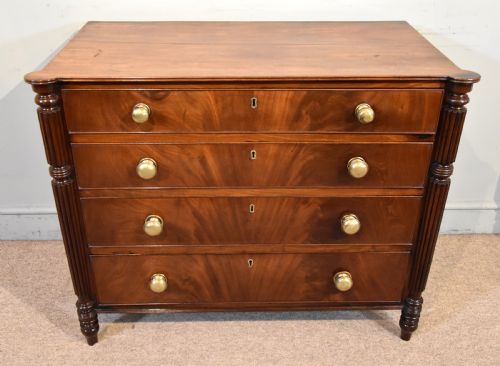
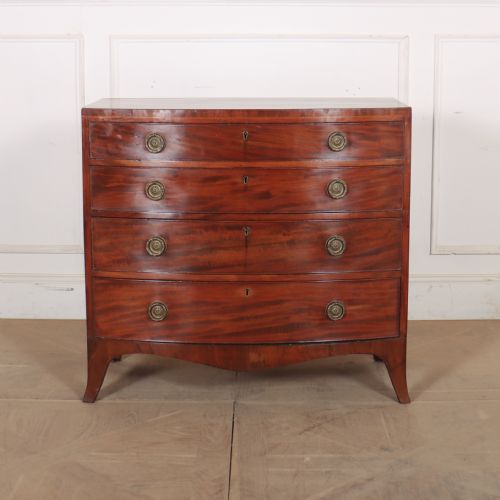
When searching for an english regency chest drawers, buyers encounter sturdy case furniture built primarily during the Regency, Georgian, and wider nineteenth-century periods. The selection centres heavily on mahogany timbers, frequently styled with bow fronts, D-fronts, or straight drawer configurations.
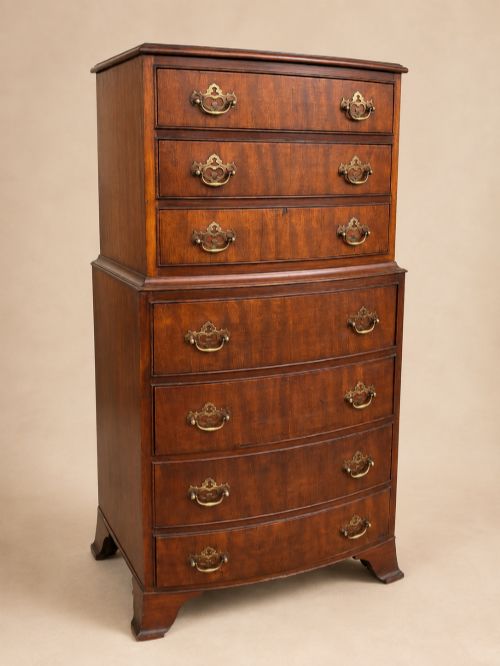
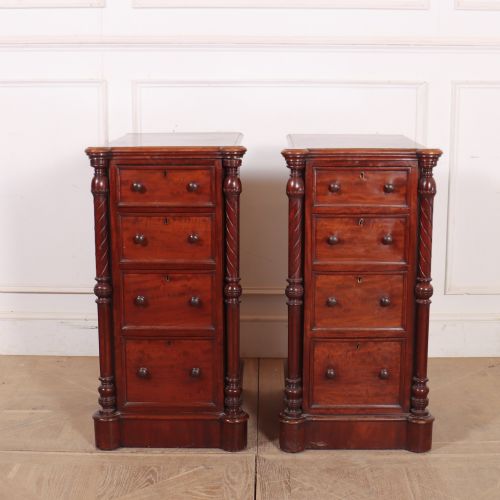
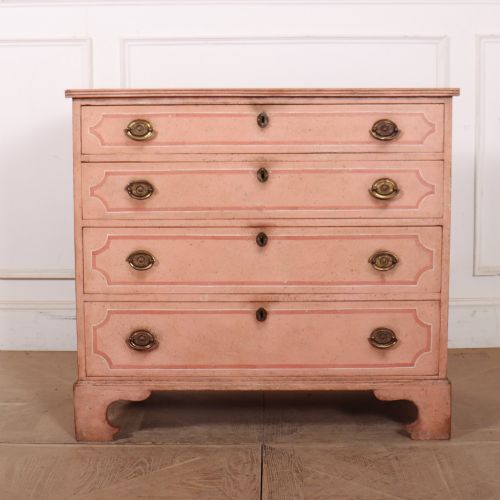
Beyond standard drawer units, the form extends into specialised pieces including tallboys, secretaire desks, bedside chests, and chests on stands. Pieces range from modest small chamber examples to large graduated drawer arrangements finished in flame mahogany veneers or original paint.
How They Were Made
Cabinet makers constructed carcass frames from structural timbers like pine and oak, applying decorative veneers such as flame mahogany and burr oak to primary visual surfaces. Brass hardware, including ring pulls and escutcheons, provides functional contrast against dark wood grains.
Surface treatments involve traditional methods like polishing figured timbers to highlight grain movement, alongside painted finishes applied directly to pine bases. Drawer construction relies on precise joinery to house graduated drawers securely within the bow and straight frames.
Listings feature mahogany, painted wood, oak, flame mahogany veneer, and pine across nineteenth-century periods.
What Varies in Quality
The degree of figuration in the wood veneer dictates much of the visual appeal, with richly marked flame mahogany and pollard oak standing apart from plain painted pine surfaces. Cabinetry execution, seen in the smoothness of drawer operation and the crispness of edge inlays, separates standard utility pieces from high-workshop production.
Originality of surface finish and hardware heavily influences the character of a piece, as untouched patination retains historical depth. Structural integrity in secondary timbers like oak and pine ensures the carcass remains sound through decades of daily use.
T & G Seddon·Gillows of Lancaster
The English Regency Chest Drawers Glossary
- Bow front
- A convex curved cabinet front that projects outward at the centre. This shape became popular during the Regency period to soften room angles.
- Flame mahogany
- A veneer cut from timber fork junctions to produce a distinctive flickering flame pattern. Cabinet makers utilised this grain on primary drawer fronts for visual impact.
- Secretaire
- A chest incorporating a fitted writing drawer that drops down to reveal internal compartments and small pigeon holes. It combines desk functionality with standard drawer storage.
- Tallboy
- A tall chest of drawers built in two stacked sections, often taking the form of a chest on chest. This format maximises vertical storage capacity.
- D-front
- A cabinet front shaped in a semi-circular curve resembling the letter D. It offers an alternative profile to standard flat or bow fronts.
English Regency Chest Drawers: Frequently Asked Questions
How do I identify a genuine period piece?
Examine the timber selection and secondary woods such as oak and pine used within the drawer linings. Period construction displays hand-cut joinery and aged patination across the surfaces.
Check for consistency in the hardware and veneer application. Genuine examples show wear patterns aligned with nineteenth-century daily use.
Where should I place a chest in my home?
These chests function effectively in bedrooms, hallways, and drawing rooms where surface space and storage are required. Bow fronted and D-fronted shapes soften straight architectural lines in modern interiors.
Keep pieces away from direct heat sources to protect timber veneers from drying and cracking over time.
What is the difference between bow front and straight chests?
Bow front chests feature a curved projecting front that adds decorative movement to the silhouette. Straight chests offer flat rectangular profiles suited for tighter wall spaces.
Both styles utilise similar internal drawer arrangements and carcass construction methods.
How do I care for antique mahogany surfaces?
Maintain the finish by dusting with a dry cloth and applying natural beeswax periodically to nourish the wood. Avoid synthetic polishes that build up residue over the grain.
Protect the top surface from moisture and direct sunlight to preserve the rich colour of the mahogany.