

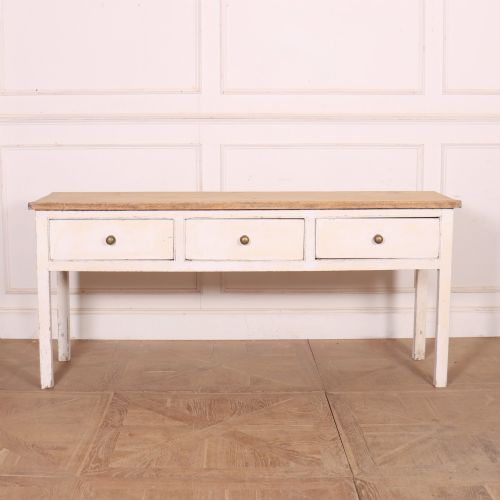

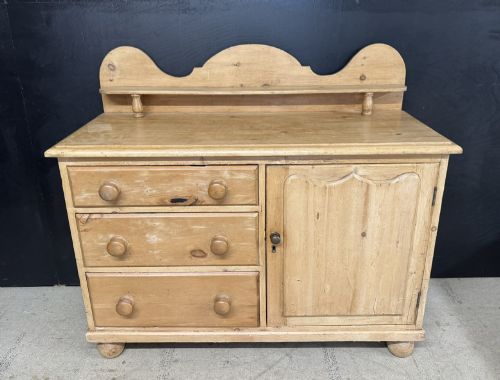
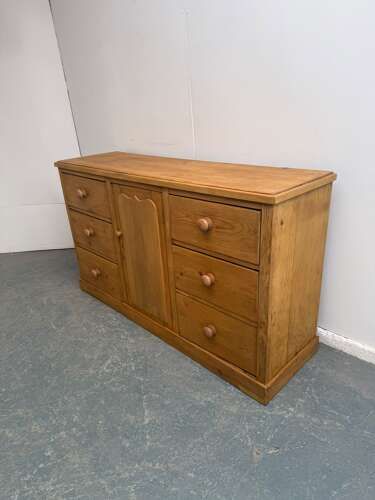

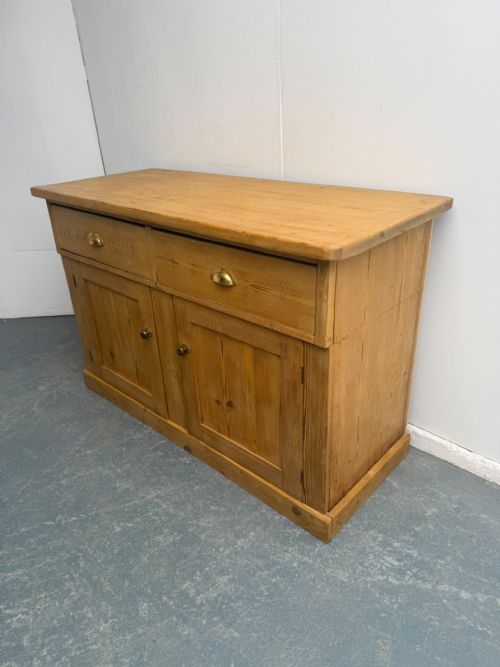





English Kitchen Sideboard
An English kitchen sideboard or dresser anchors a room with practical utility and centuries of working history.
English Kitchen Sideboard
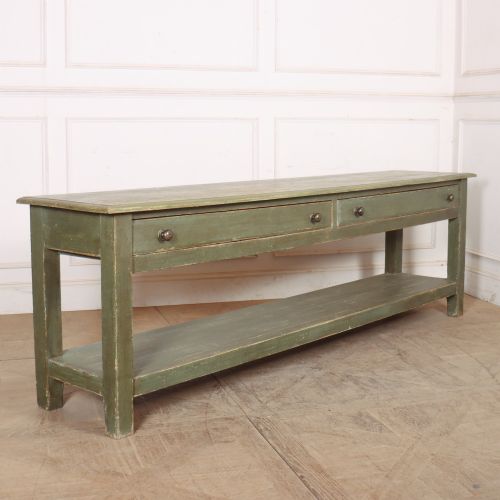
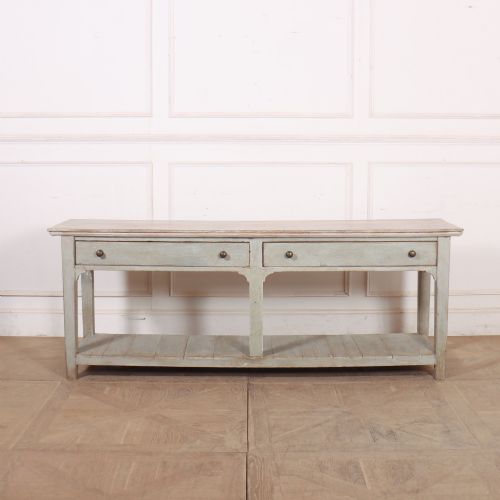
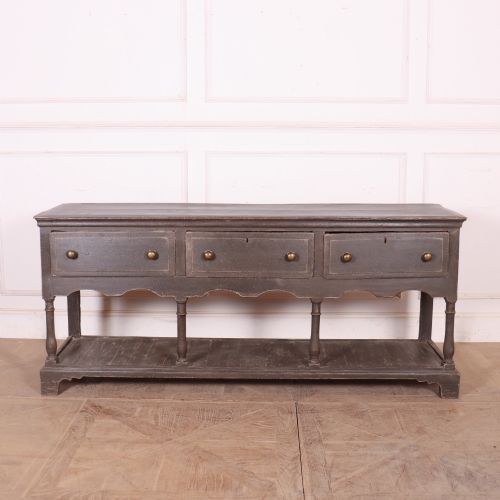
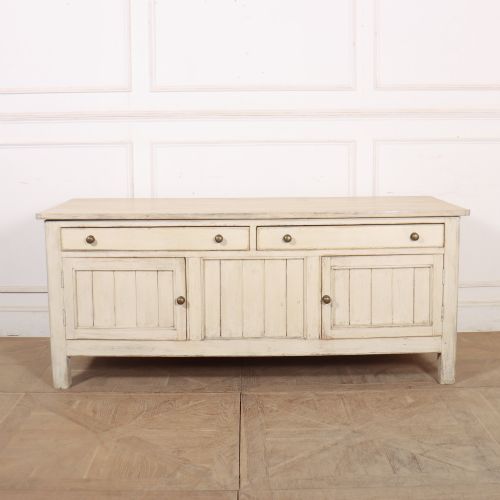
When you search for an english kitchen sideboard, you encounter robust utility furniture designed for storage and food preparation in domestic spaces. The selection ranges from open potboard bases to towering dressers with plate racks, shaped by vernacular traditions.
Pine and oak predominate in these listings, alongside painted timber surfaces that show the marks of decades of service. Pieces span the eighteenth and nineteenth centuries, taking the form of dresser bases, serving tables, and housekeepers cupboards.
The most common formats on this page are the low dresser base and the traditional kitchen dresser, often fitted with drawers and cupboards. These items derive from regional workshops across England, carrying distinct structural traits from periods including the Georgian and Victorian eras.
Materials and construction methods
Cabinet makers built these pieces using solid native timbers like oak and pine, frequently selecting elm for specific components. Construction relied on traditional joinery techniques, including dovetail joints for drawer construction and mortise and tenon frames.
Surfaces were either left as waxed natural wood or treated with historical paint layers, while hardware typically includes brass fixtures and drop handles. Potboard bases incorporate lower shelves designed for storing heavy crockery and kitchen utensils within easy reach.
English Kitchen Sideboard Retail Price Guide 2026
Typical asking prices for english kitchen sideboard among the pieces listed under this phrase on Sellingantiques today, from the lower quarter to the upper quarter. They describe what is for sale here now, not the wider market.
Listings feature eighteenth and nineteenth century periods, utilising pine, oak, elm, and painted timber across dresser and sideboard forms.
Factors determining quality
Quality in an english kitchen sideboard rests upon the integrity of the original timber and the preservation of early surface treatments. Untouched painted finishes and rich, waxed patination elevate an example above standard utility pieces.
Structural honesty and the retention of original brass hardware or period drawer pulls distinguish finer specimens. The subtlety of proportions and the balance between base cabinets and upper racks mark out superior regional craftsmanship.
The English Kitchen Sideboard Glossary
- Dresser base
- A low cabinet featuring drawers and cupboards, designed to sit beneath a wall rack or function independently as a serving table.
- Potboard
- An open lower shelf built into the base of a dresser, historically utilised for storing heavy pots, pans and earthenware.
- Housekeepers cupboard
- A large storage cabinet with panelled doors, traditionally kept in the domestic quarters for linens and provisions.
- Vernacular
- Architectural and furniture styles rooted in local traditions, using regional materials without formal academic design constraints.
English Kitchen Sideboard: Frequently Asked Questions
How were these sideboards originally used?
These pieces served as central workspaces and storage units in domestic kitchens, holding dry goods, utensils, and serving dishes.
The flat top provided a sturdy surface for food preparation before dining rooms became standard in British homes.
What is the difference between oak and pine pieces?
Eighteenth-century examples frequently utilise sturdy oak for structural longevity, showing deep grain and warm natural tones through wax finishes.
Nineteenth-century items often turn to pine or painted timber, offering a lighter visual weight suited to country house interiors.
Where were these pieces made?
Makers constructed these items in regional workshops across England, incorporating local building styles and readily available regional timbers.
West Country and rural English traditions heavily influenced the proportions, leg turnings, and overall functional design.