



English Garden Planters
English garden planters bring structural horticulture to life, offering robust vessels shaped in iron, stone, copper, and oak for patios and orangeries.
English Garden Planters
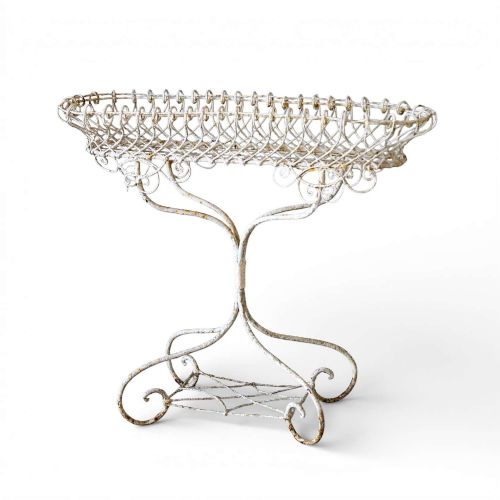
English garden planters encompass a practical range of vessels designed to house flora, from substantial stone troughs and cast iron urns to wirework plant stands and well buckets. These items serve functional roles in gardens, patios, and orangeries, while doubling as architectural display pieces.
The varieties on this page span several centuries, with pieces stretching from the Georgian era through the Victorian period and into the early twentieth century. Buyers encounter forms ranging from rustic country vernacular buckets to grand Victorian cast iron jardinieres and outdoor display urns.
Materials dictate much of the character in these pieces, featuring heavy sandstones, riveted coppers, wrought iron scrollwork, and galvanised metals. Each form reflects the utility and ornamental ambitions of its period, whether designed for heavy estate gardening or domestic hearth storage.
Materials and construction
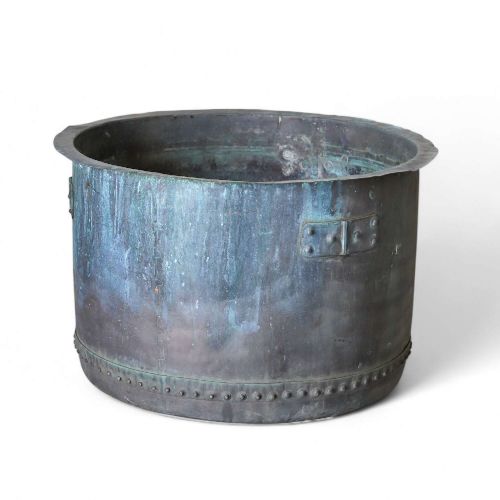
Metal vessels rely on traditional smithing techniques, utilising hand-riveted copper plates, forged wrought iron scrollwork, and cast iron mouldings to achieve durable structures. Wirework pieces combine delicate lattice baskets with sturdy metal frames to support botanical displays.
Stone and timber examples demonstrate masonry and cooperage skills, shaping raw sandstone into large square troughs or binding oak staves into sturdy well buckets and tubs. These materials weather naturally outdoors, developing patinas that mark their age and exposure.
English Garden Planters Retail Price Guide 2026
Typical asking prices for english garden planters among the pieces listed under this phrase on Sellingantiques today, from the lower quarter to the upper quarter. They describe what is for sale here now, not the wider market.
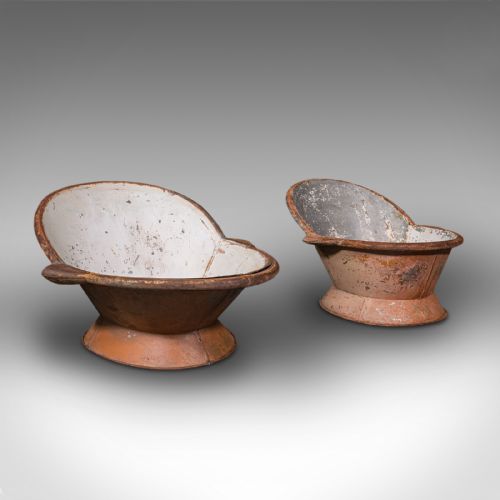
Several heavy antique hip baths have swapped morning ablutions for garden duty, finding a second life as spacious patio jardinieres.
Markers of quality
Quality rests in the integrity of the original construction, such as the neatness of hand-riveting on copper bodies and the precision of scrollwork on iron plant stands. Heavier metal gauges and solid stone blocks indicate utility intended for long-term estate use rather than light domestic decoration.
The natural ageing of materials shapes the desirability of a piece, with undisturbed copper patinas and weathered sandstone surfaces offering visual depth. Better examples retain their structural form despite decades of weathering, moisture, and botanical use.
The English Garden Planters Glossary
- Jardiniere
- An ornamental pot or stand for holding plants or flowers. These vessels often sit on raised bases and feature decorative cast iron or ceramic bodies.
- Trough
- A long, narrow open container traditionally used for feeding livestock or holding water, repurposed in gardens as a heavy stone planter. These pieces are typically hewn from solid sandstone.
- Well bucket
- A deep cylindrical container historically used for drawing water from a well, frequently adapted for use as a planter or fireside storage bin. They often feature wooden staves bound with metal hoops.
- Wirework
- Metal objects constructed from interwoven or welded wire, popular in Victorian plant stands and garden furniture for creating lightweight yet supportive structures.
- Patina
- The surface appearance altered by age, weathering, and use, showing oxidation on metals or lichens on stone.
English Garden Planters: Frequently Asked Questions
How do I choose the right size planter for my garden?
Consider the scale of your outdoor space and the root system of the intended flora. Large stone troughs and cast iron urns suit expansive lawns and patios, while plant stands and well buckets fit tighter spots.
Weight is also a factor when positioning heavy metal or stone vessels, as relocating them after planting requires significant effort.
Can I use these antique planters outdoors year-round?
Most metal, stone, and galvanised pieces withstand outdoor elements well, having been built for enduring garden use. Copper, iron, and sandstone naturally weather when exposed to rain and soil.
Ensure adequate drainage to prevent standing water from cracking stone or accelerating corrosion in older metals during freezing temperatures.
How do I care for antique metal planters?
Keep metal surfaces clean of accumulated debris and stagnant soil moisture to maintain their structural integrity. Allow natural patinas to develop rather than attempting aggressive polishing.
Applying a protective wax or rust inhibitor can help preserve iron and copper pieces if they remain exposed to harsh weather conditions.
What is the difference between an urn and a jardiniere?
Urns typically feature a footed base rising to a rounded or flared bowl, often designed as classical display pieces for gardens and entrances. Jardinieres are generally broader pots or stands meant specifically to house potted plants.
Both serve decorative and functional roles, though urns lean toward formal architectural ornament.