


English Easy Armchair
An english easy armchair brings deep-seated comfort and enduring country house character to a room.
English Easy Armchair
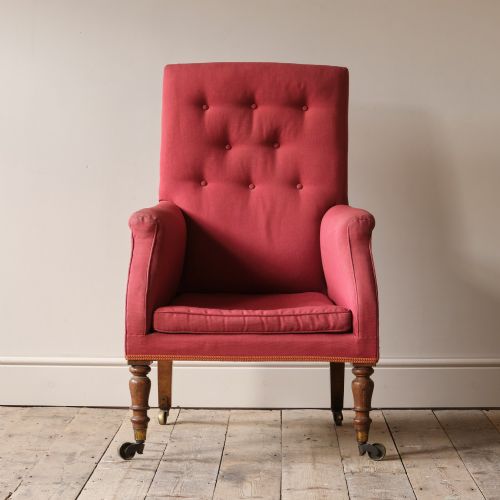
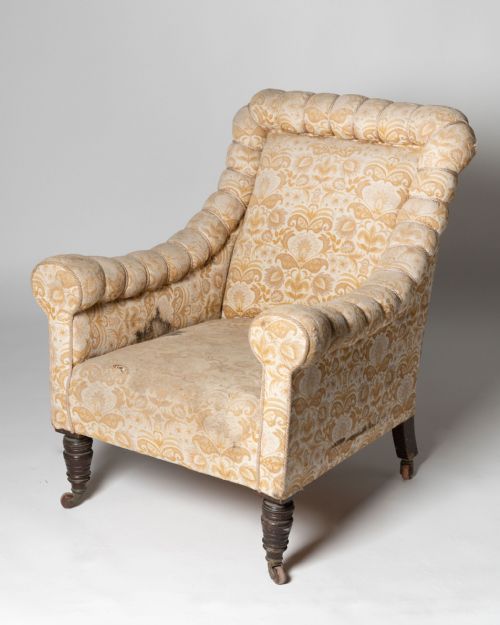
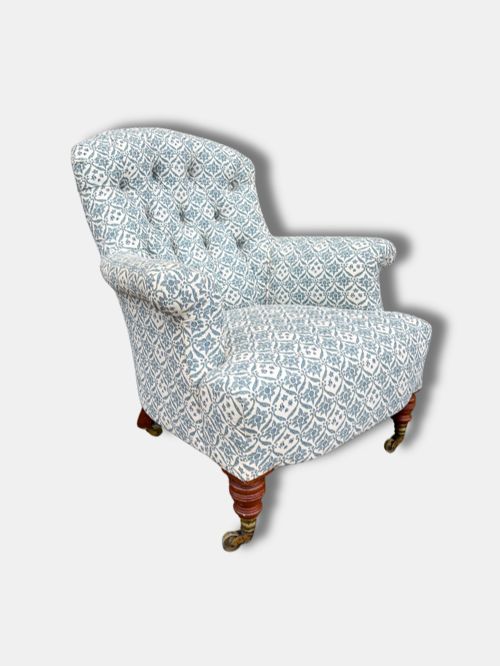
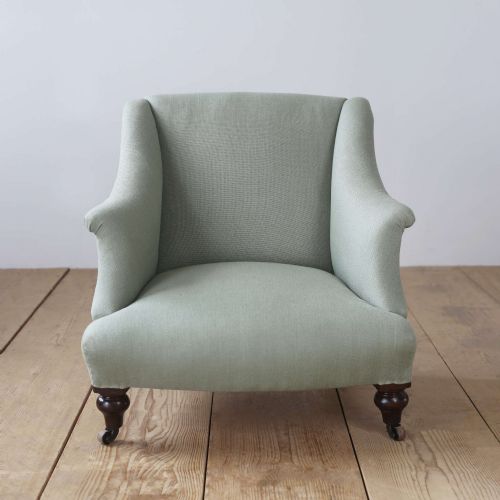
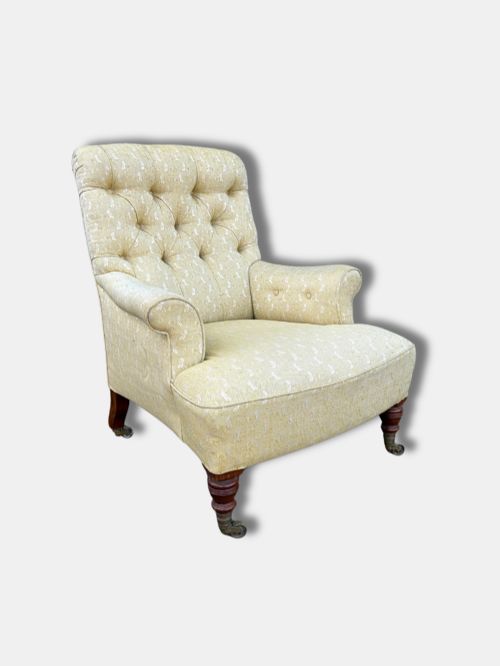
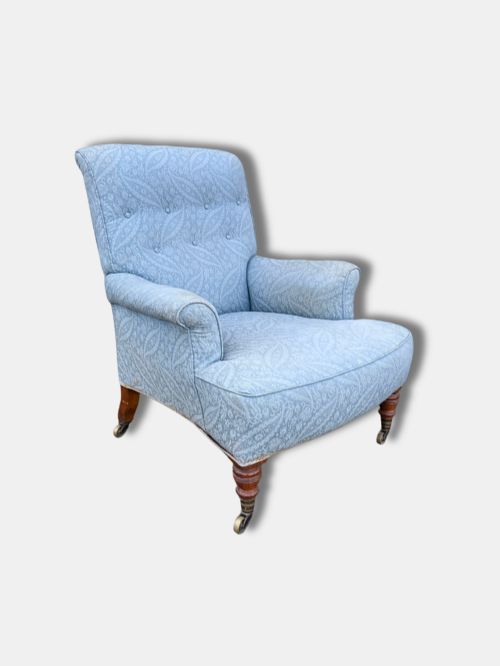
An english easy armchair is a generously proportioned seat designed for relaxation, often associated with country houses and formal drawing rooms. When searching for this phrase, a buyer encounters forms ranging from button-backed lounge chairs to large upholstered wingbacks.
The pieces on this page span the nineteenth and early twentieth centuries, including Victorian, Edwardian, and later periods. Makers such as Howard and Sons and Gillows heavily influence the selection with distinct club, Bridgewater, and scroll-backed silhouettes.
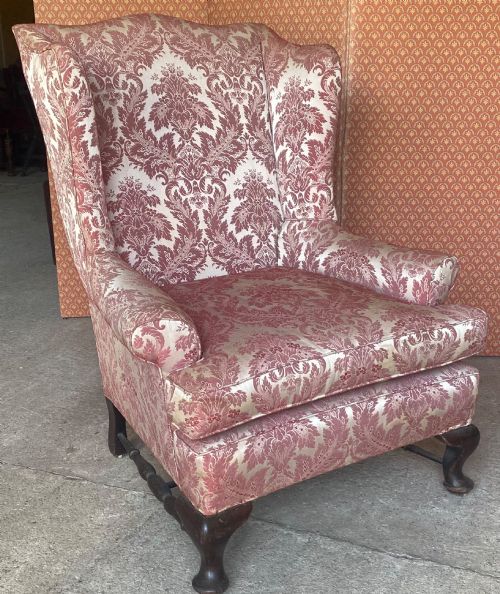
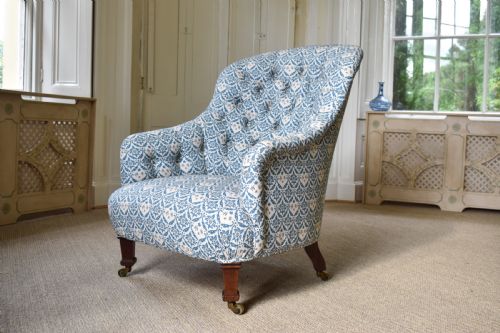
Buyers frequently find armchairs upholstered in practical ticking, calico, velvet, or damask. These seating options serve as focal points in traditional libraries, studies, and living spaces.
Materials and construction
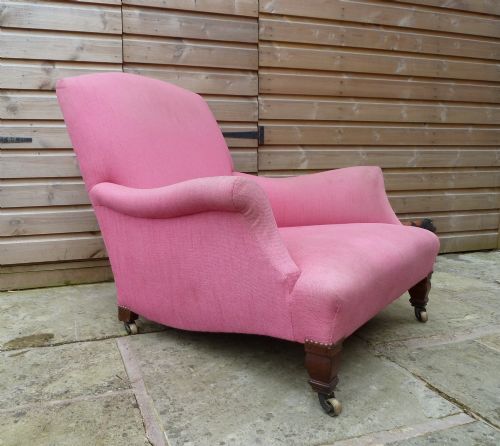
These armchairs rely on sturdy internal frameworks shaped from hardwoods such as mahogany, walnut, and general timber. Visible wooden elements often showcase turned legs, brass castors, or polished mahogany frames.
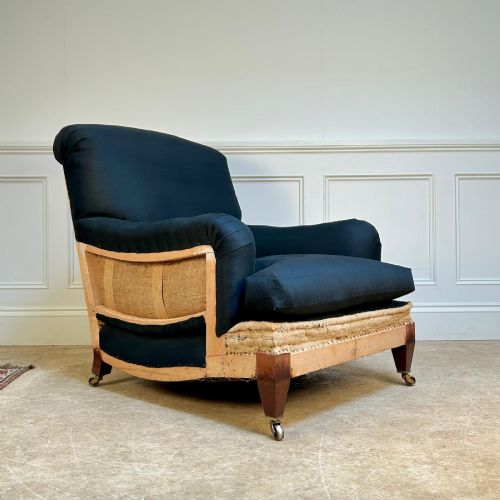
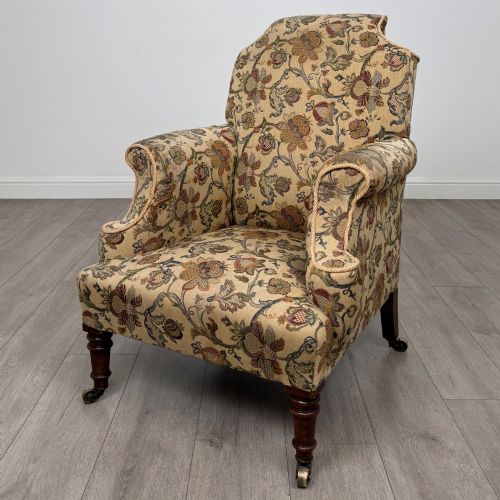
Upholstery techniques involve layered stuffing enclosed in durable fabrics like ticking, leather, calico, and heavy woollen crewelwork. Button-backing and tight spring systems provide the signature resilience found in nineteenth-century and early twentieth-century examples.
English Easy Armchair Retail Price Guide 2026
Typical asking prices for english easy armchair among the pieces listed under this phrase on Sellingantiques today, from the lower quarter to the upper quarter. They describe what is for sale here now, not the wider market.
Current listings feature armchairs spanning the Victorian, Edwardian, and Art Deco periods, utilising materials like mahogany, walnut, brass, velvet, and ticking.
Assessing quality and craftsmanship
Quality rests heavily on the integrity of the maker's mark, with signed or stamped pieces by renowned firms commanding distinct attention. The weight and durability of the internal hardwood frame also dictate the longevity of the seat.
Refinement shows in the hand-stitched upholstery details, the subtlety of the scroll or wing contours, and the preservation of original castors and turned wooden legs. Superior examples maintain a harmonious balance between deep cushioning and structural support.
Howard and Sons·Trollope and Sons·Gillows·Mellier and Co
The English Easy Armchair Glossary
- Wingback
- An upholstered armchair with side panels designed to shield the sitter from draughts. These high backs often feature prominent scrolled or padded 'wings'.
- Calico
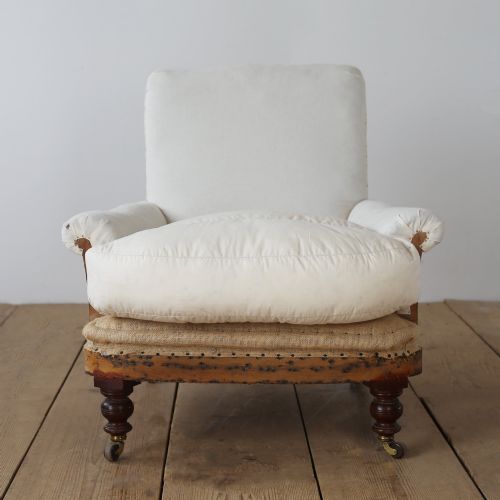
- A plain-woven cotton fabric used historically as the inner upholstery stage before final decorative fabric covers were applied. Many period chairs remain preserved in this foundational material.
- Ticking
- A tightly woven, durable cotton or linen textile traditionally used for mattress and furniture covers. It forms the classic striped upholstery seen on numerous country house seating pieces.
- Button back
- An upholstery style where depressions are formed in the padding by pulling buttons deep into the stuffing. This secures the filling evenly across the curved backrest.
English Easy Armchair: Frequently Asked Questions
What defines an english easy armchair?
An english easy armchair is characterised by generous proportions, deep cushioning, and an emphasis on comfort. These seats often feature upholstered arms and backs designed for long periods of lounging.
Historically associated with country houses and gentlemen's clubs, they bridge the gap between formal drawing-room furniture and relaxed domestic seating.
Where should I place an english easy armchair?
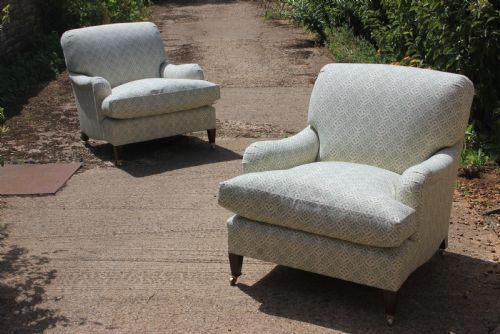
These armchairs suit studies, libraries, and living rooms where deep seating is desirable. Their traditional silhouettes anchor a reading corner or sit comfortably beside a fireplace.
Because many examples feature finished backs or attractive ticking and patterned textiles, they also work well floating in the middle of a spacious room rather than pushed strictly against a wall.
How do I identify a period armchair?
Identifying the period involves examining the timber species, leg design, and upholstery methods. Victorian and Edwardian examples often display turned wooden legs with brass castors and button-backed padding.
Signatures or stamps from makers such as Howard and Sons provide definitive guidance on origin and date. Structural traits like mahogany frames or specific revival styles point further toward the nineteenth-century manufacturing era.
What is a calico stage armchair?
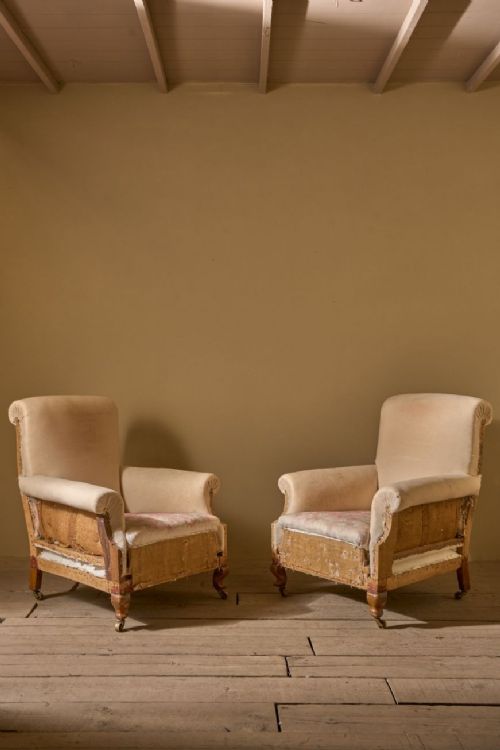
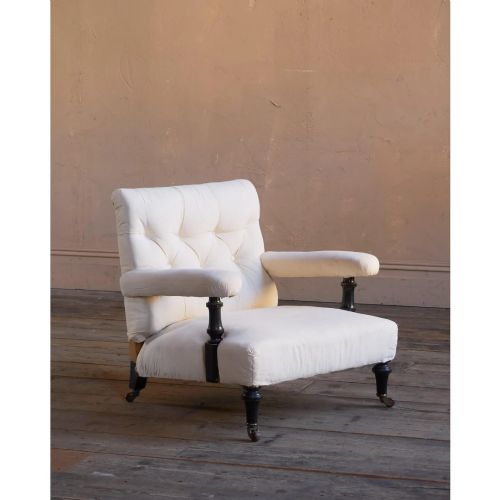
A calico stage armchair refers to a piece upholstered in plain cotton calico rather than a decorative top fabric. This neutral foundation allows a buyer to apply their own chosen textile.
Historically, workshops delivered high-end chairs in calico so clients could match the final upholstery precisely to their interior scheme.