
English Brown Table
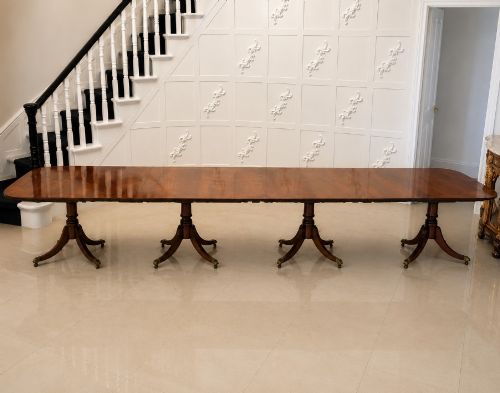
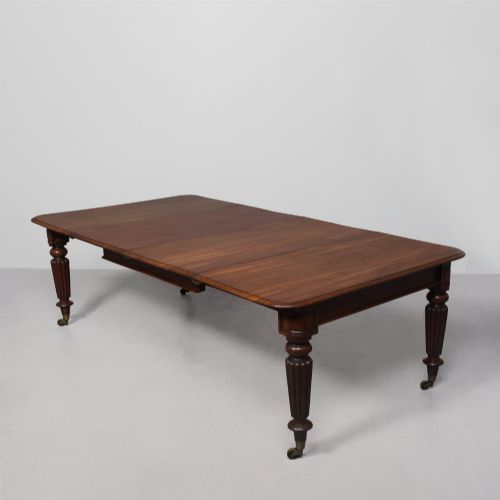
An English brown table brings centuries of domestic history into a room, spanning sturdy oak gatelegs and formal mahogany library pieces.
English Brown Table
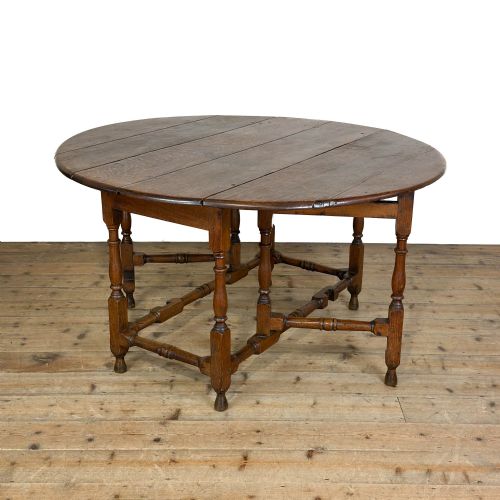
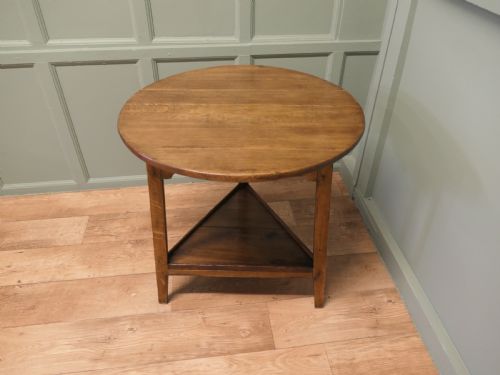
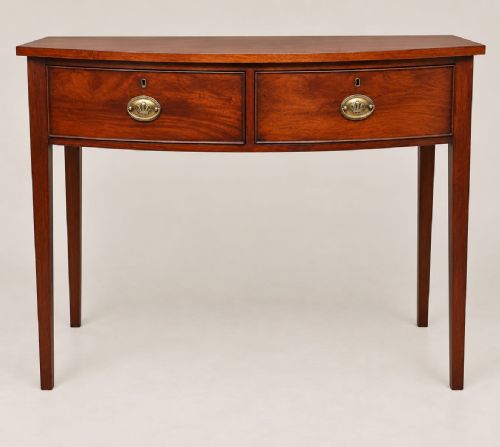
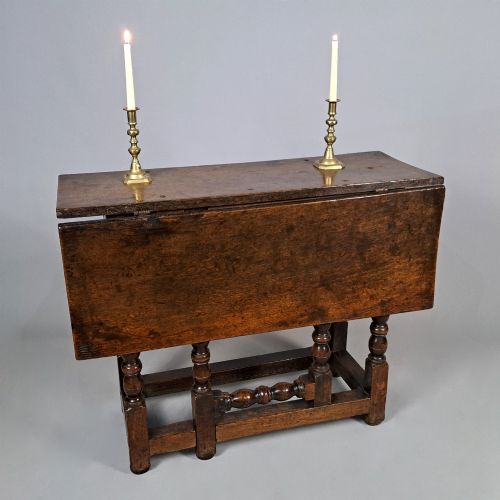
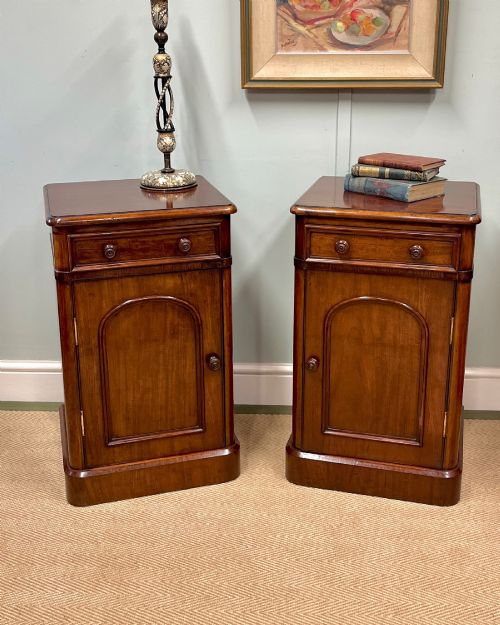
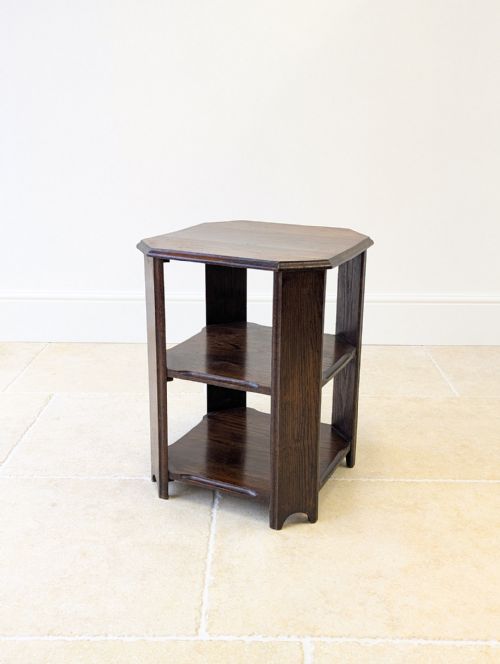
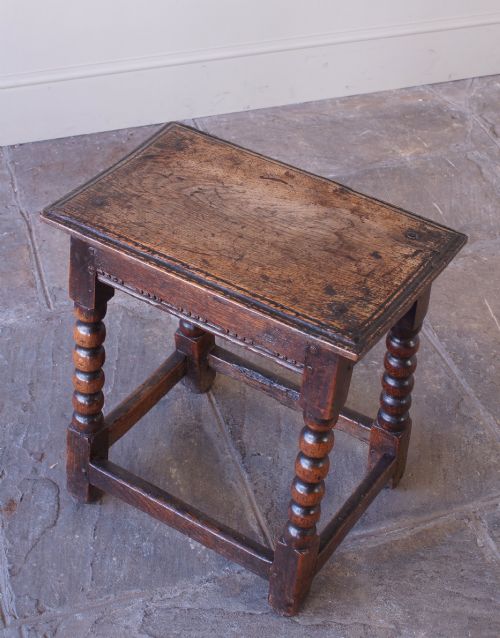
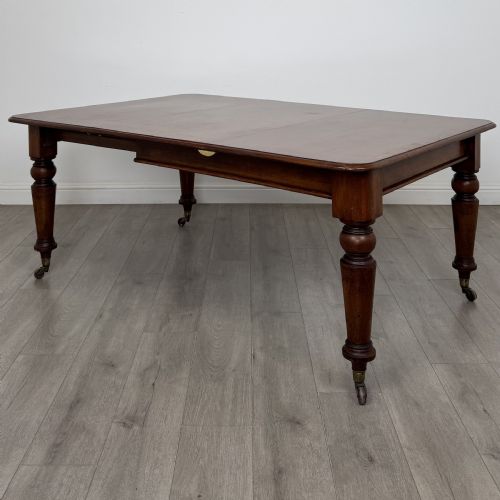
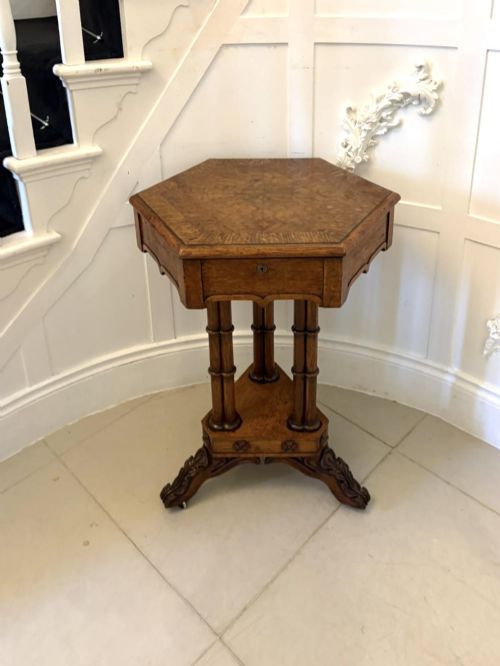
An English brown table encompasses a wide domestic vocabulary, from 17th-century joint stools and oak cricket tables to expansive Georgian and Victorian dining pieces. Buyers seeking an English brown table will encounter side tables, occasional tables, writing desks, and drop-leaf gateleg forms rooted in centuries of craftsmanship.
The materials span native timbers like oak, elm, and yew, alongside imported dense hardwoods such as mahogany and walnut. These pieces served practical functions in kitchens, libraries, and parlours, evolving through Georgian, Regency, and Edwardian design idioms.
Distinctions in Quality
The hierarchy among these tables rests on timber selection, the integrity of original construction, and surface patination. Tables featuring figured walnut veneers, intricate crossbanding, or well-preserved native timbers stand apart from utilitarian counterparts.
Proportion and structural balance define the upper tiers of the range. Original components, such as unreplaced leaves in extending dining tables or period brass fittings, elevate the standing of a piece considerably.
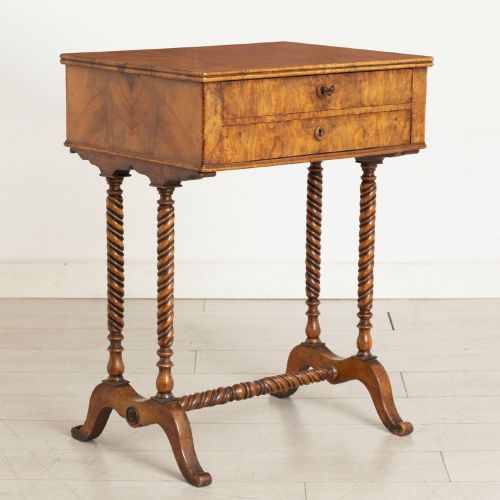
Some tables double as sewing repositories, hiding compartments for thread while keeping tea securely held above.
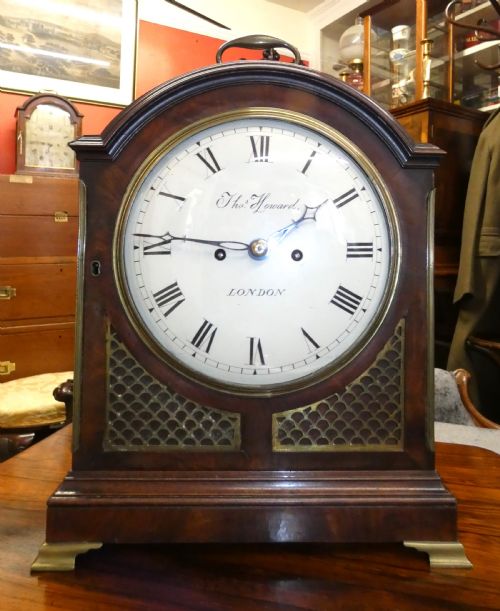
Thomas Howard·Comitti Of London·William Gard
The English Brown Table Glossary
- Cricket table
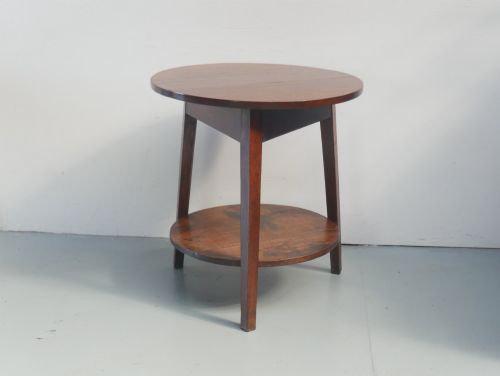
- A small, three-legged occasional table typically constructed from oak with a round top, originating in country houses.
- Gateleg table
- A drop-leaf table whose hinged legs swing out to support the extended leaves.
- Lowboy
- A small low dressing table or side table with drawers, popular during the 18th century.
- Joint stool
- A sturdy wooden stool built with pegged mortise and tenon joinery, often predating standard chairs.
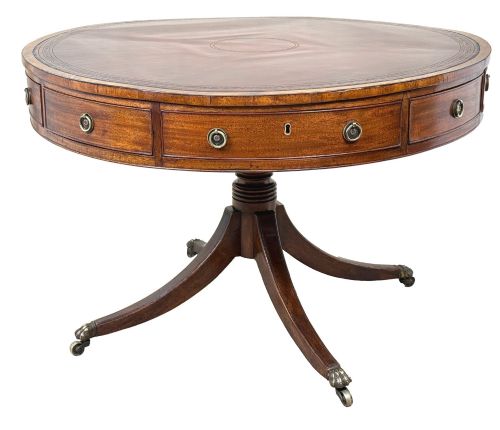
- Drum table
- A circular library table with a deep top containing drawers, usually supported on a central pillar and tripod base.
English Brown Table: Frequently Asked Questions
What defines an English brown table?
These pieces comprise wooden tables originating in England across several centuries, constructed primarily from timbers such as oak, mahogany, walnut, and elm.
They encompass diverse forms ranging from rustic country kitchen and cricket tables to formal library and dining furniture.
How do I date an antique oak table?
Dating relies on observing construction methods, tool marks, and timber choice, as 17th-century examples utilise pegged joinery and hand-riven oak.
Later 19th-century interpretations often display machine-sawn components and different fastening techniques alongside period stylistic revivals.
Were these tables used in kitchens?
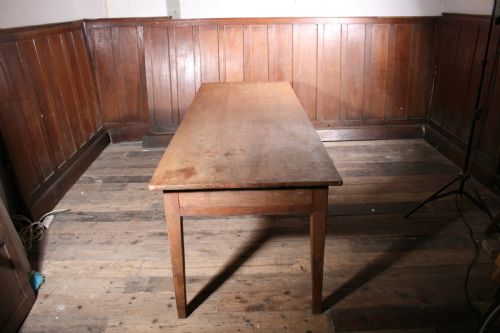
Many sturdy elm and oak examples served practical roles in domestic preparation areas, functioning as robust farmhouse and kitchen diner surfaces.
Lighter walnut and mahogany variants were designated for formal dining rooms, libraries, and drawing rooms rather than culinary work.
How should I maintain a wood surface?
Preserving the timber requires avoiding direct heat and excessive moisture, using natural waxes sparingly to maintain the finish without buildup.
Regular dusting with a soft cloth protects the historical patination developed across decades or centuries of use.