

English Antiques
English antiques span centuries of craftsmanship, offering practical furniture and decorative objects rooted in traditional domestic life.
English Antiques
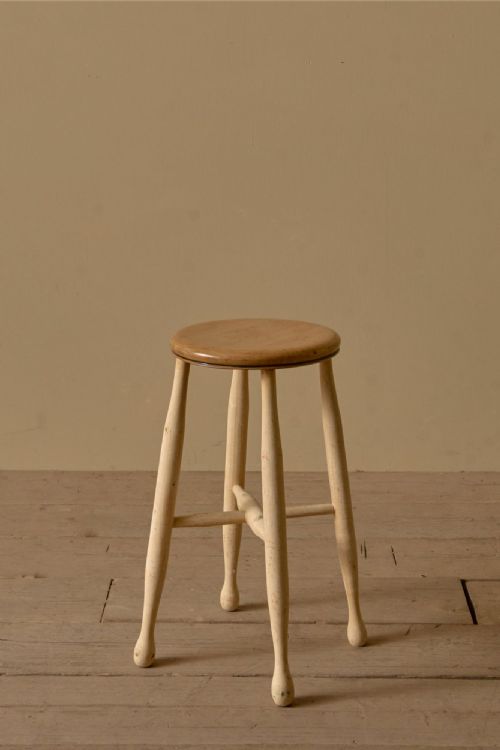
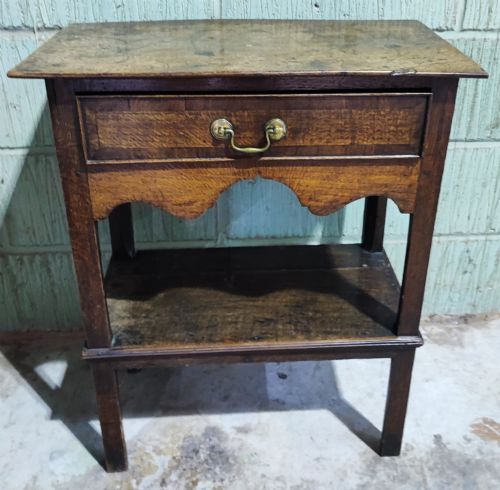
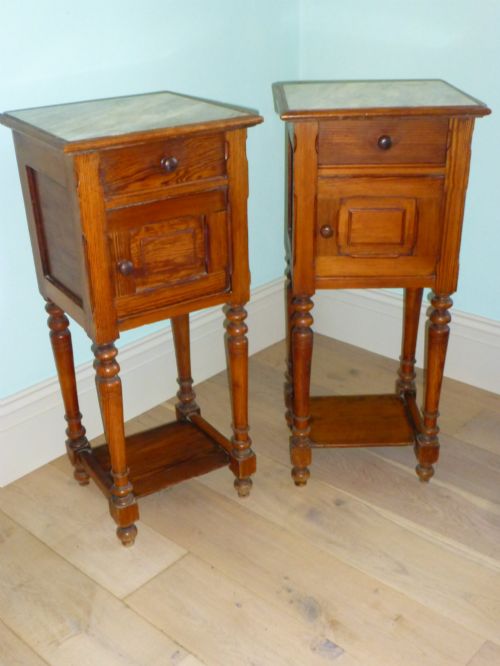
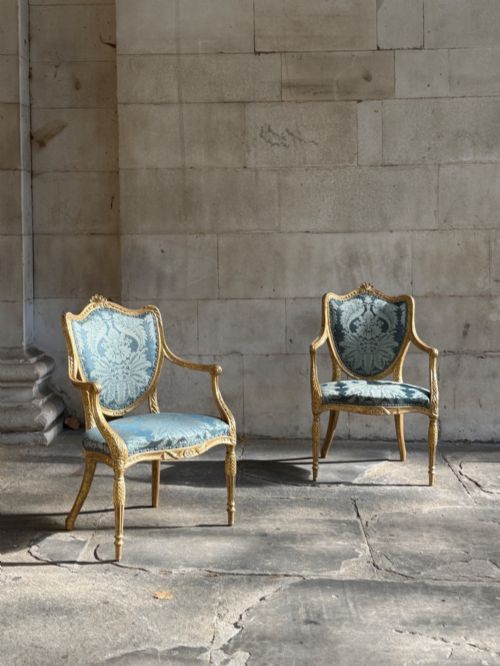
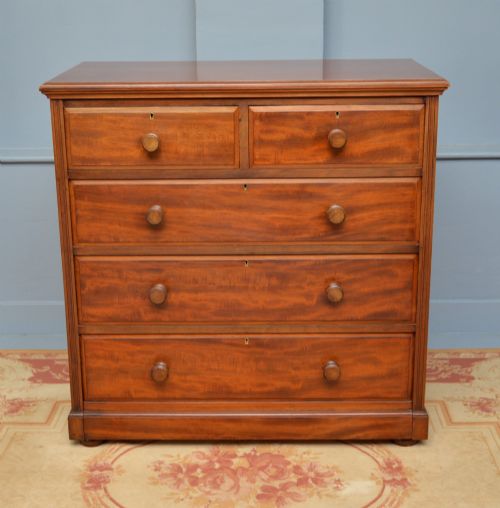
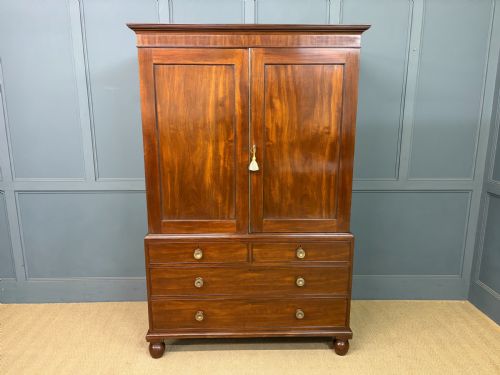
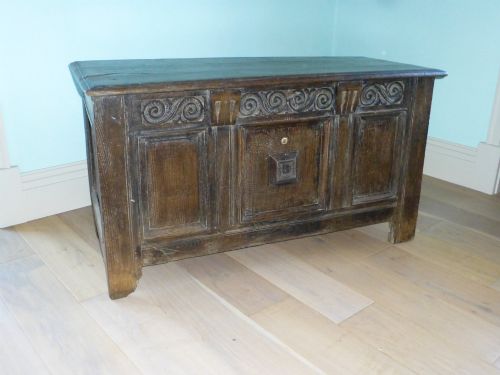
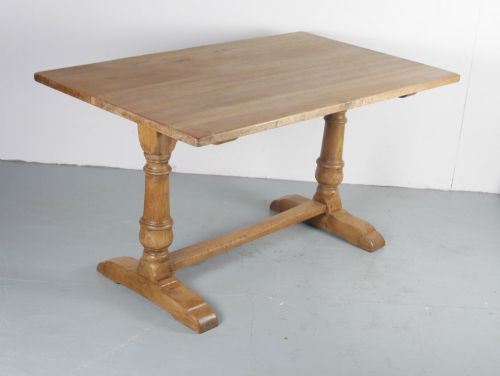
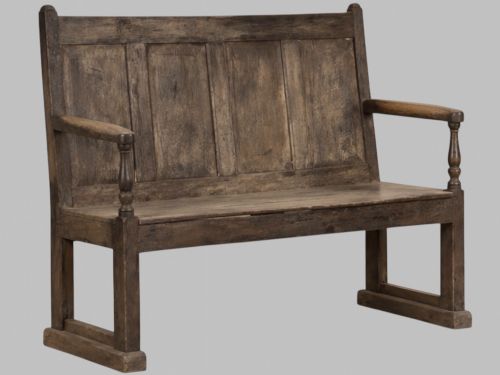
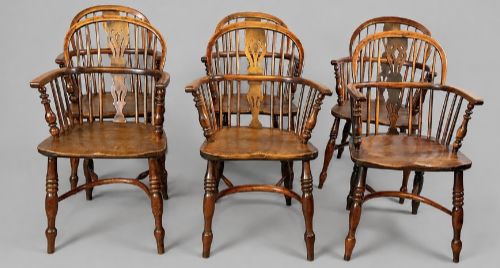
English antiques comprise a diverse range of furniture, silver, porcelain, and decorative items spanning from the seventeenth century through the early twentieth century. When exploring English antiques, buyers encounter practical domestic forms including oak chests, mahogany dining tables, walnut desks, and seating such as Windsor armchairs.
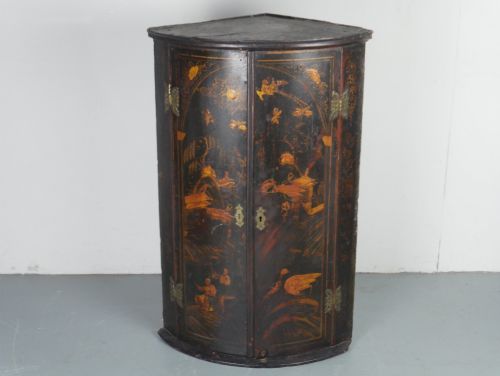
The selection reflects distinct eras, most notably the Georgian, Regency, and Victorian periods, alongside earlier seventeenth-century survivals. Pieces range from formal mahogany side tables and rosewood bookcases to rustic elm joint stools and oak strong boxes.
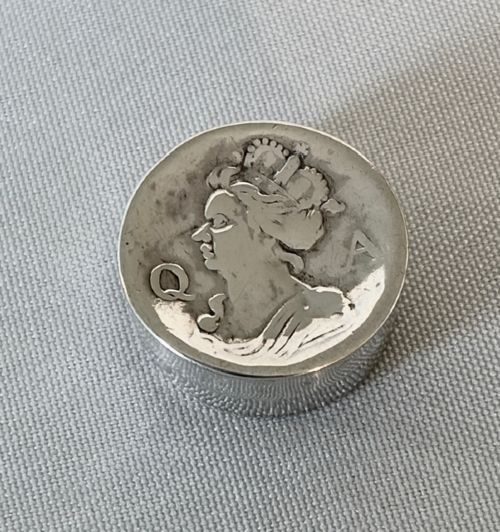
Porcelain and silver items also feature prominently, including teapots and vases from factories such as Worcester and Derby, alongside smaller personal items like silver vinaigrettes and porringers.
How they were made
Cabinetmakers utilised native and imported timbers, constructing pieces in solid oak and elm during earlier periods before shifting to mahogany, rosewood, and walnut in subsequent centuries. Joinery techniques included dovetailing for drawers and mortise and tenon joints for structural frames.
Ceramic pieces utilised local and refined clays, shaped into porcelain vessels and decorated with hand-painted enamels from notable studios and potteries. Metalware combined cast brass, silver, and copper components, often finished with engraved or gilt detailing.
English Antiques Retail Price Guide 2026
Typical asking prices for english antiques among the pieces listed under this phrase on Sellingantiques today, from the lower quarter to the upper quarter. They describe what is for sale here now, not the wider market.
Listings feature items spanning the seventeenth, eighteenth, nineteenth, and twentieth centuries, constructed from oak, mahogany, porcelain, and brass.
What varies in quality
Quality rests upon the selection of timber and the precision of the initial construction, where finely figured walnut, pollard oak, or dense mahogany indicate superior workshop standards. The depth of hand-carved ornamentation and the retention of original surface finishes further separate standard utilitarian items from exceptional commissions.
In porcelain and silver, the refinement of the paste, the complexity of the hand-painted enamel decoration, and the clarity of maker marks distinguish workshop output. The integrity of structural joints and the preservation of original mounts dictate the overall standing of each piece.
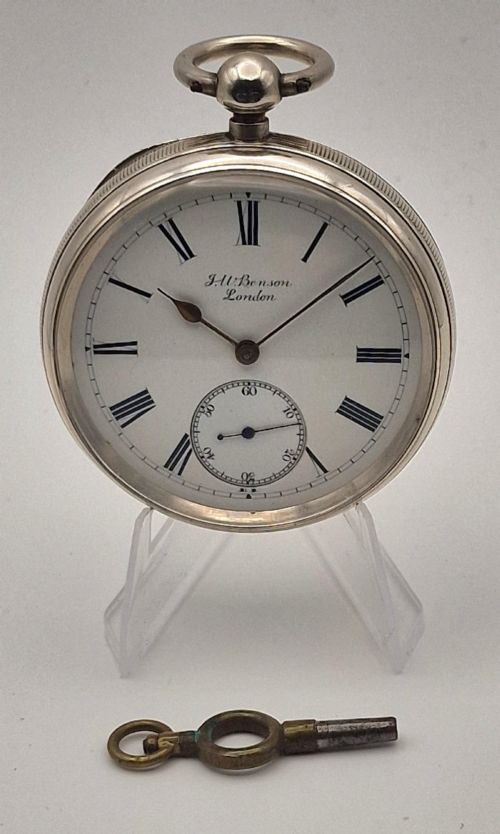
Nathaniel Mills·John Rose Coalport·Charles Overing·Gillow·J W Benson·Elkington and Co·James Giles·Maple and Co·Flight Barr and Barr·William Pegg·Howard and Sons·John Reilly
The English Antiques Glossary
- Joint stool
- A sturdy wooden stool constructed with mortise and tenon joints rather than turned legs inserted into a seat. These early domestic seats frequently date to the seventeenth and eighteenth centuries.
- Vinaigrette
- A small metal box fitted with an internal pierced grille, designed to hold a sponge soaked in aromatic vinegar. These silver or silver-gilt personal accessories were common in the Georgian and Regency periods.
- Porringer
- A small two-handled bowl used in earlier centuries for porage, broth, or liquids. Examples from the seventeenth and eighteenth centuries are typically fashioned from silver.
- Fusee dial wall clock
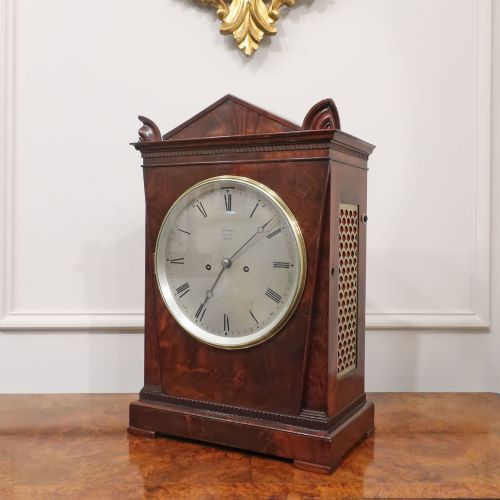
- A clock mechanism driven by a chain and a conical pulley called a fusee, ensuring constant tension as the mainspring unwinds. These reliable timepieces were widely produced in the Victorian era.
- Pembroke table
- A small rectangular table featuring two hinged drop leaves on opposing sides. They gained popularity during the eighteenth and nineteenth centuries as versatile breakfast or side tables.
- Cheval fire screen
- A vertical decorative screen mounted on a frame with standing feet, designed to protect occupants from excessive fireplace heat. Victorian examples often incorporated needlework panels.
English Antiques: Frequently Asked Questions
What is an English oak coffer?
An oak coffer is a heavy storage chest constructed with panelled sides and a hinged lid, utilised in seventeenth-century households for linens and valuables.
These robust pieces display traditional carpentry methods and substantial timber frames suited for domestic utility.
How do I identify a Regency bookcase?
Regency bookcases typically utilise exotic veneers such as rosewood, often complemented by brass mounts, gallery rails, and breakfront designs.
These early nineteenth-century pieces reflect neoclassical influences and precise cabinetmaking standards.
What are Windsor armchairs?
Windsor armchairs are wooden seating pieces featuring a solid sculpted seat into which turned legs and back spindles are directly inserted.
They emerged in various regional English forms during the eighteenth and nineteenth centuries, combining comfort with structural durability.
How should I care for antique mahogany?
Antique mahogany benefits from stable room environments away from direct sunlight and rapid humidity fluctuations to prevent timber splitting.
Regular dusting with a dry cloth and occasional application of traditional wax helps maintain the polished surface.