

Empire Brass Fixtures
These empire brass fixtures bring together heavy cast metals and sparkling drops to illuminate rooms with classical French grandeur.
Empire Brass Fixtures
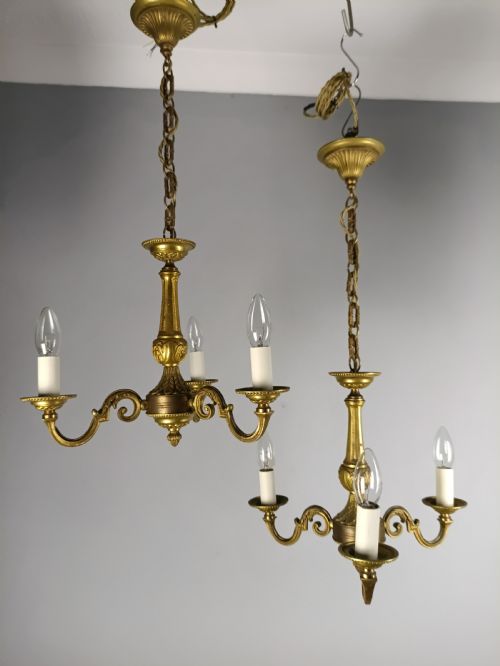
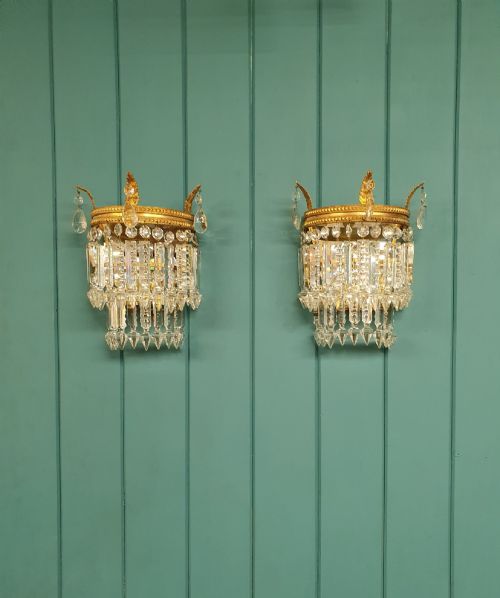
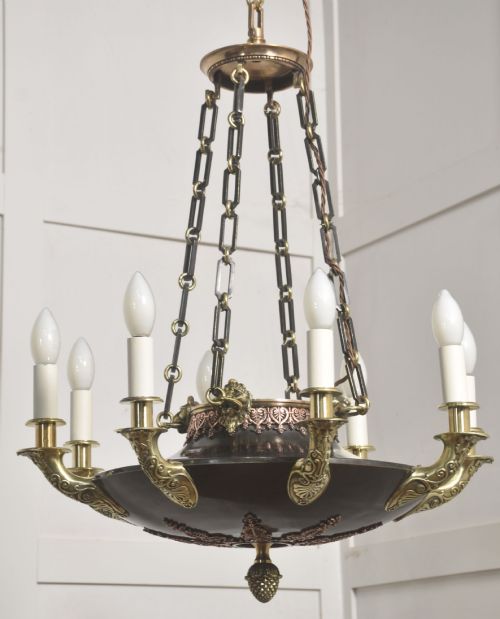
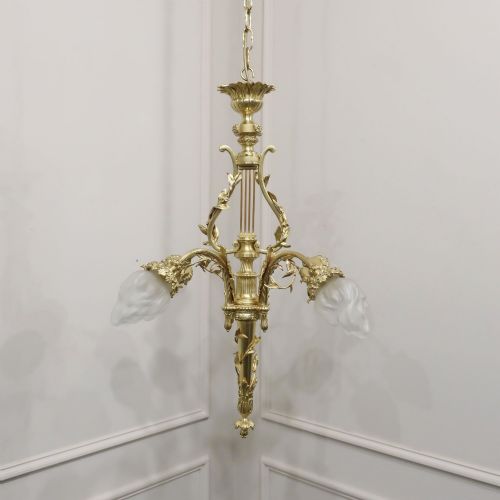
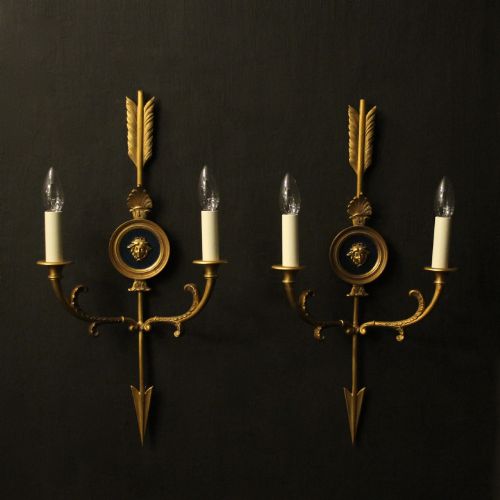
When searching for empire brass fixtures, buyers encounter a range of lighting forms spanning from the eighteenth century through the art deco period. Chandeliers, ceiling lights, and wall sconces dominate the selection, heavily leaning towards French neoclassical and empire revival designs.
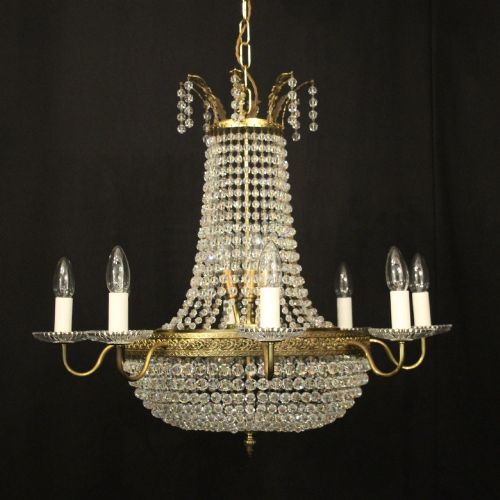
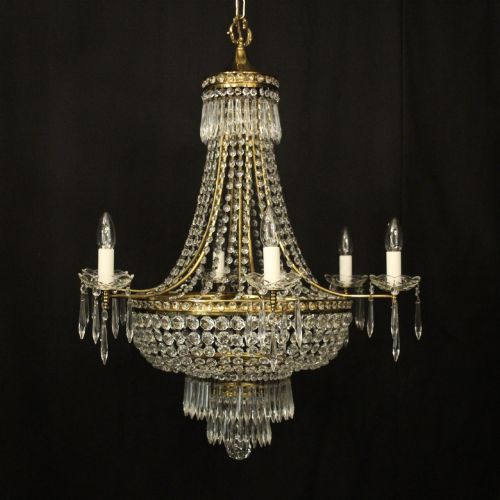
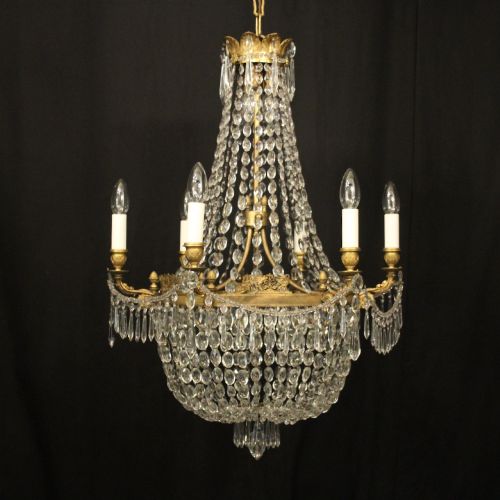
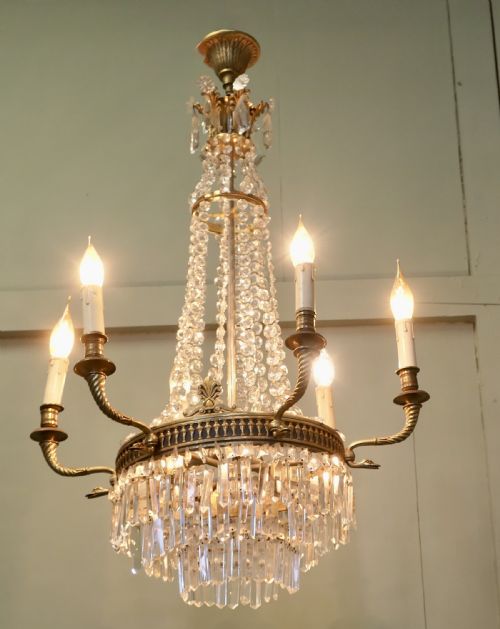
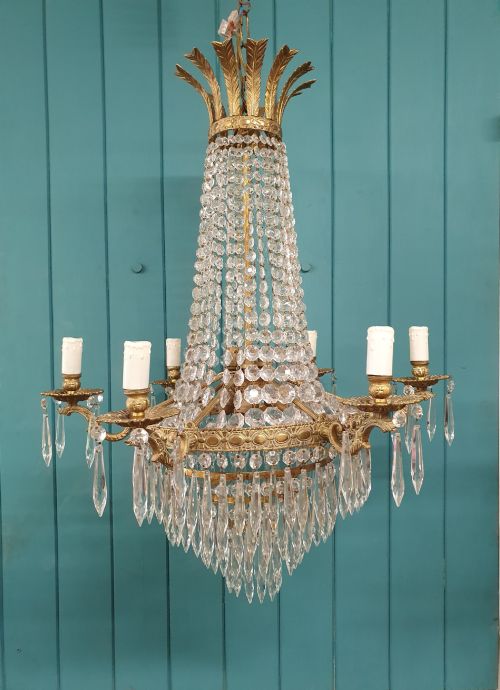
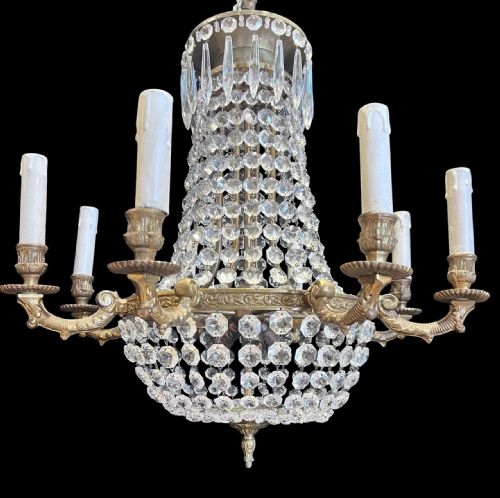
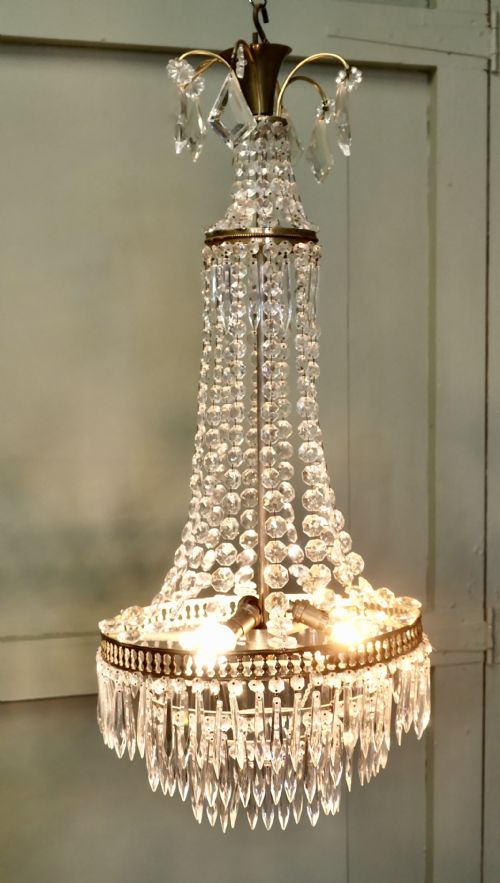
The most common version on this page is the multi-light chandelier featuring traditional tent and waterfall configurations. These pieces combine brass, gilt bronze, and cut crystal elements to create layered illumination suitable for principal reception rooms.
How they were made
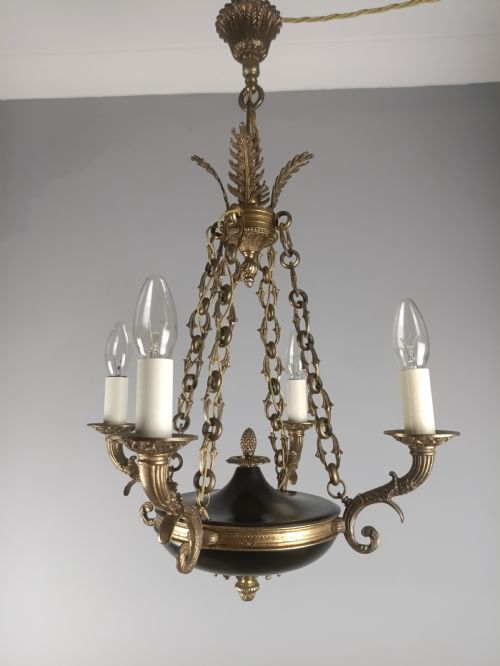
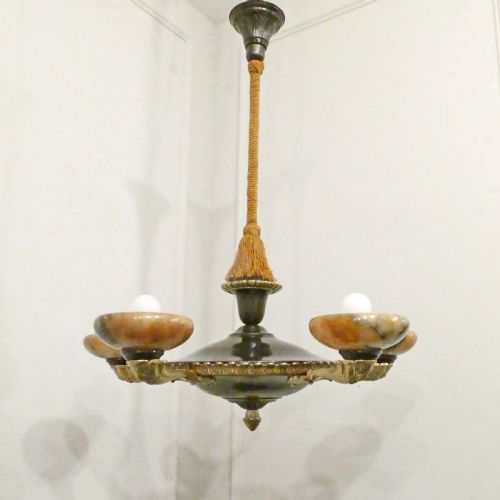
The construction of these light fittings relies heavily on cast brass and gilt bronze frames shaped into arms, lyres, and bands. Artisans joined these metal structures with pins and screws, incorporating copper components where necessary for internal stability.
Hanging elements consist of cut glass and crystal drops, ranging from simple bag formations to elaborate prisms and waterfall strands. Metal components frequently received gilding to enhance the reflective quality of the surrounding glass.
Empire Brass Fixtures Retail Price Guide 2026
Typical asking prices for empire brass fixtures among the pieces listed under this phrase on Sellingantiques today, from the lower quarter to the upper quarter. They describe what is for sale here now, not the wider market.
Listings feature brass, gilt bronze, and cut crystal across periods spanning the eighteenth, nineteenth, and early twentieth centuries.
What varies in quality
The distinction between tiers rests upon the crispness of the metal casting and the depth of the gilding applied to the bronze or brass frames. Superior examples display sharply defined leaf decoration and substantial metal weight rather than thin, pressed components.
Crystal quality further separates the categories, with high-end fixtures utilising heavily cut glass that refracts light cleanly through prisms and bead strands. Inferior variants employ simpler moulded glass that lacks the sharp facets and resonance of finer crystal.
The Empire Brass Fixtures Glossary
- Tent and waterfall
- A traditional chandelier configuration where upper strings of beads form a tent shape above a wider cascading waterfall of crystal drops. This style defines many classic French lighting designs.
- Gilt bronze
- Metal alloy cast into ornate decorative shapes and coated with a thin layer of gold or gilt finish. It serves as the primary structural frame for many high-grade fixtures.
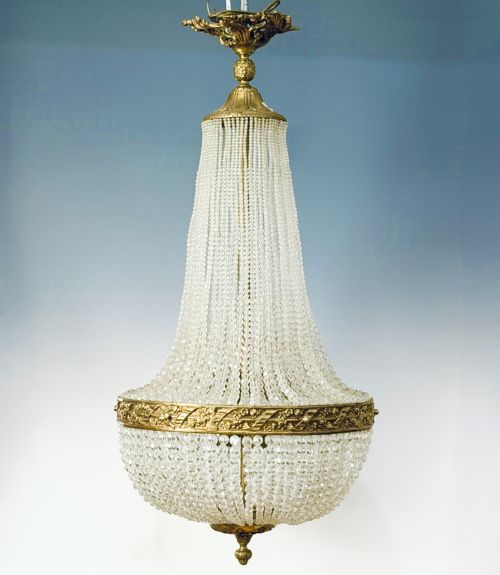
- Bag chandelier
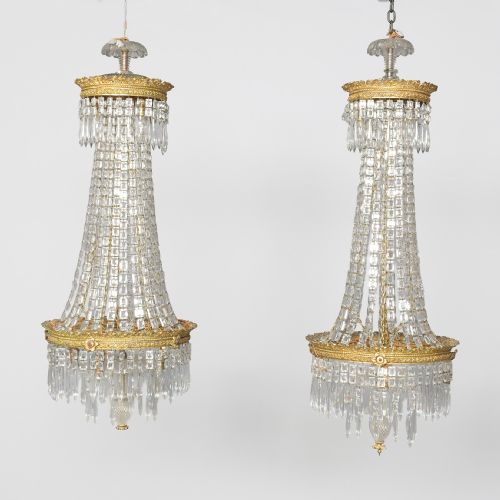
- A lighting form characterised by a tight gathering of crystals shaped into a pointed pouch or bag beneath the main frame. These pieces often feature surrounding brass rings and intricate prism borders.
- Bouillotte wall light
- A specific style of French lighting featuring a backplate and candle arms, frequently paired with green toleware components. They provide directional illumination for smaller wall spaces.
- Prisms
- Cut glass or crystal pendants suspended from the arms and frames of chandeliers to diffuse and multiply the light. The faceting determines how brightly the crystal sparkles when illuminated.
Empire Brass Fixtures: Frequently Asked Questions
How do I clean an antique crystal chandelier?
Maintenance requires removing dust with a soft brush and wiping glass elements individually using a mild solution. Metal frames should be treated with care to preserve any original gilt finishes.
Harsh chemical cleaners can damage both the brass surfaces and the historic wiring, so gentle spot cleaning remains the preferred method for regular upkeep.
Can these antique lights be rewired for modern homes?
Most period chandeliers and wall lights accept modern electrical wiring to meet current safety standards. Professional electricians can thread new flex through the central channels without altering the visible metal structure.
Retaining the original sockets is sometimes possible, but modern internal components ensure the fixture operates safely in contemporary settings.
What rooms suit an empire style chandelier?
Dining rooms, high-ceilinged hallways, and drawing rooms provide the ideal proportions for multi-arm tent and waterfall fixtures. Their vertical drop and wide spread require sufficient clearance beneath them.
Smaller wall sconces from the same decorative tradition work effectively in bedrooms, stairwells, or flanking fireplaces where ceiling heights are more modest.
How do I identify an eighteenth century piece?
Earlier pieces exhibit hand-cut crystal drops tied with wire loops rather than modern machine-pressed fixings. The casting marks on the brass and bronze frames also tend to show greater irregularities.
Examining the construction methods of the internal frame reveals the hand-assembly techniques characteristic of pre-nineteenth century metalwork.