

Embroidered Textile Panel
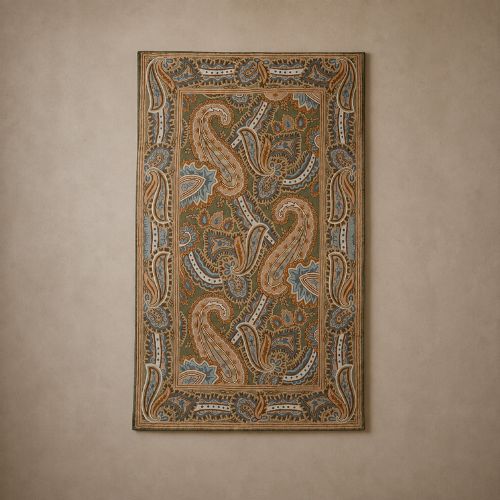
An embroidered textile panel brings centuries of needlework skill, vibrant threadwork, and historical narrative directly into a room as striking wall art.
Embroidered Textile Panel
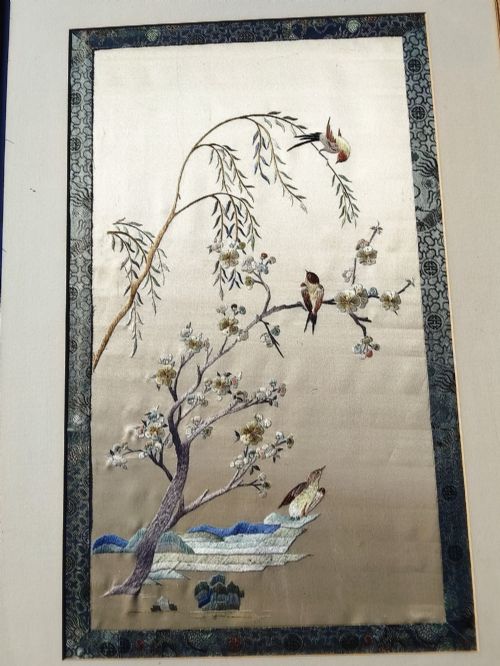
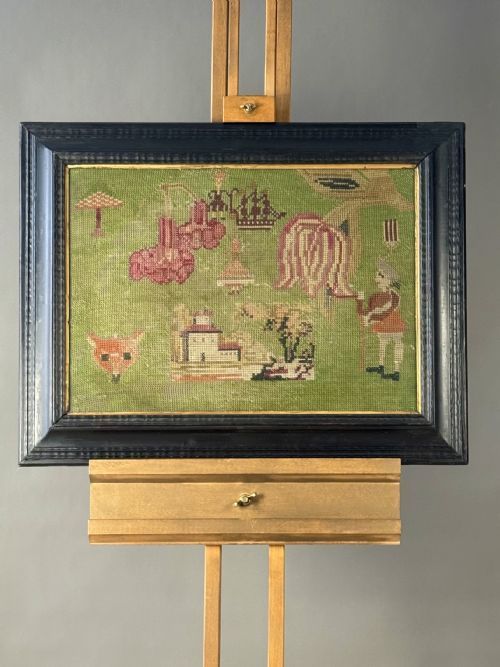
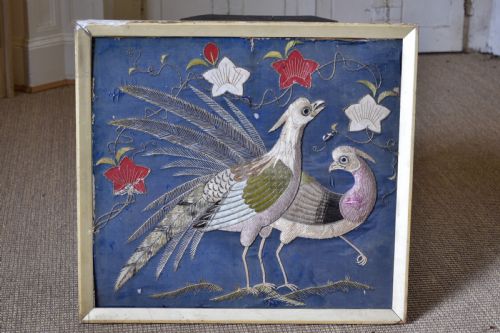
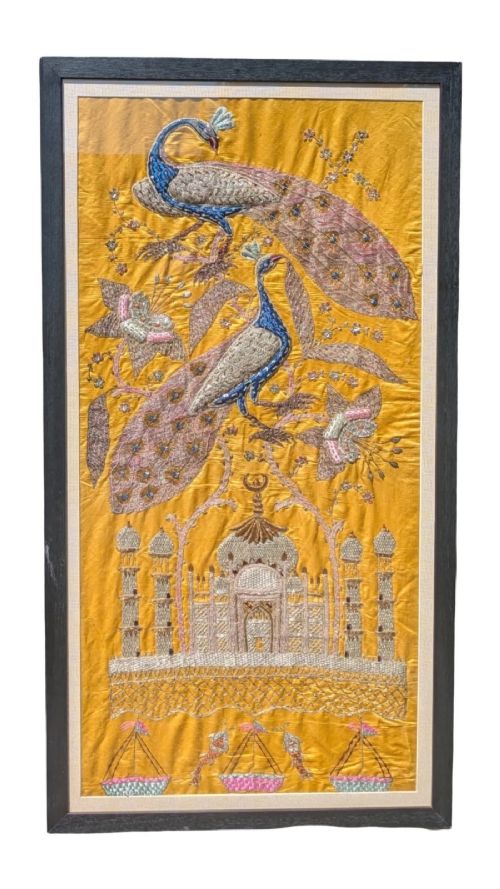
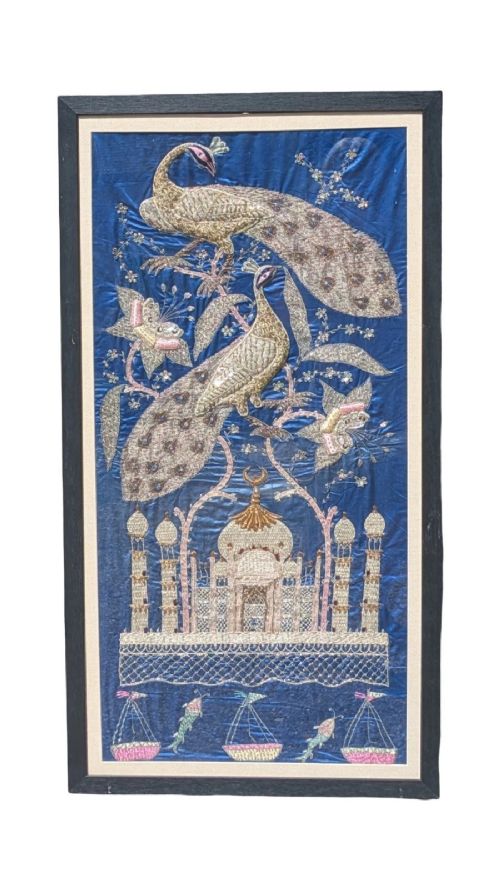
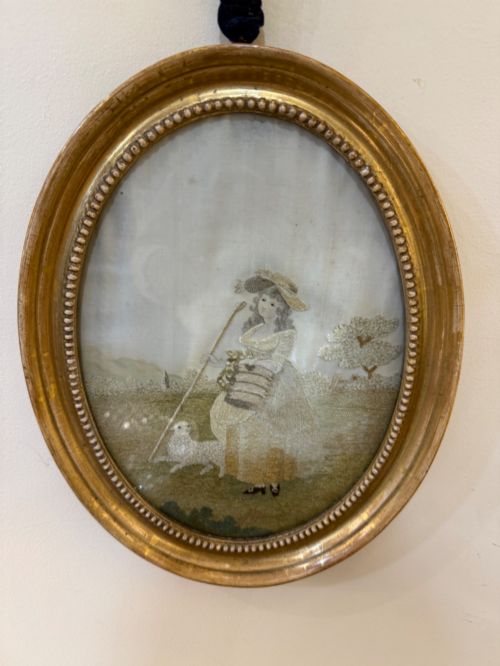
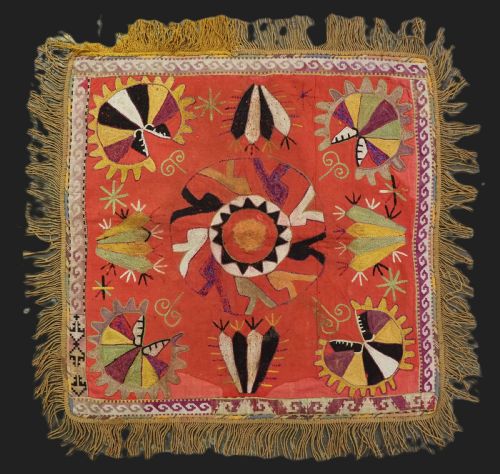
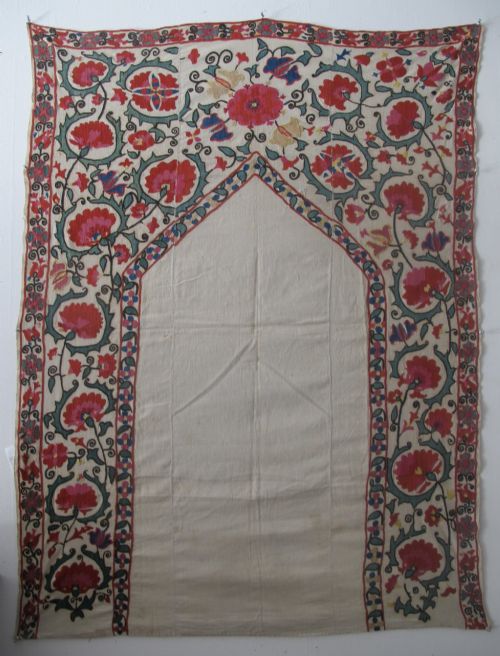
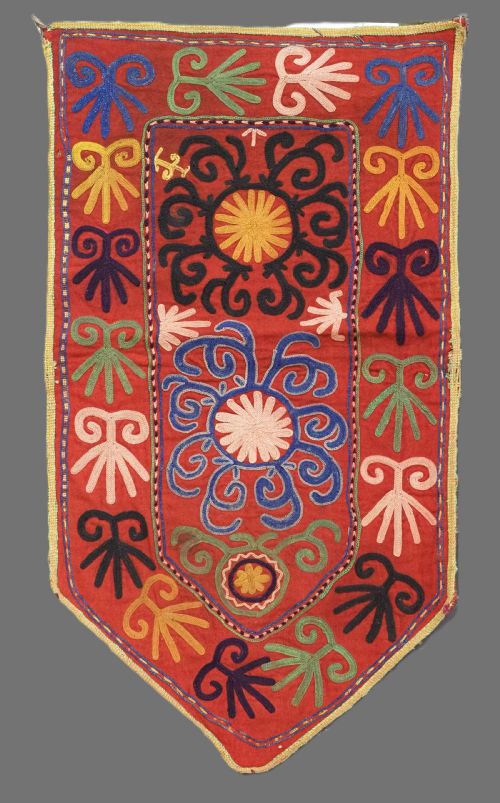
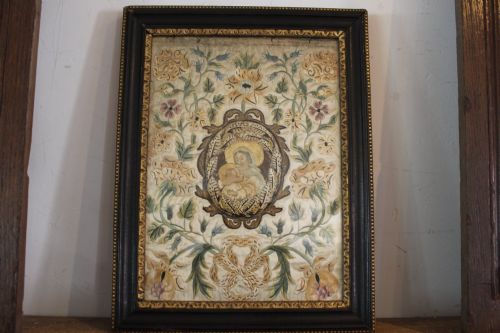
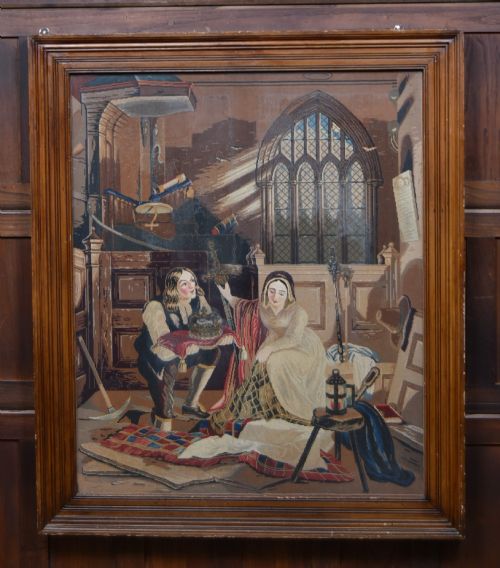
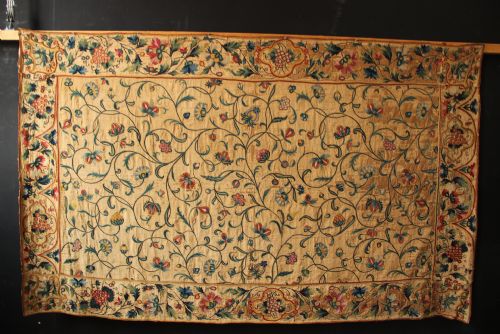
An embroidered textile panel represents a diverse category of needlework created across multiple centuries and geographic regions, functioning primarily as wall hangings or framed works of art. When searching for an embroidered textile panel, collectors encounter everything from Central Asian Suzanis and dowry hangings to English crewelwork and Georgian needlework pictures.
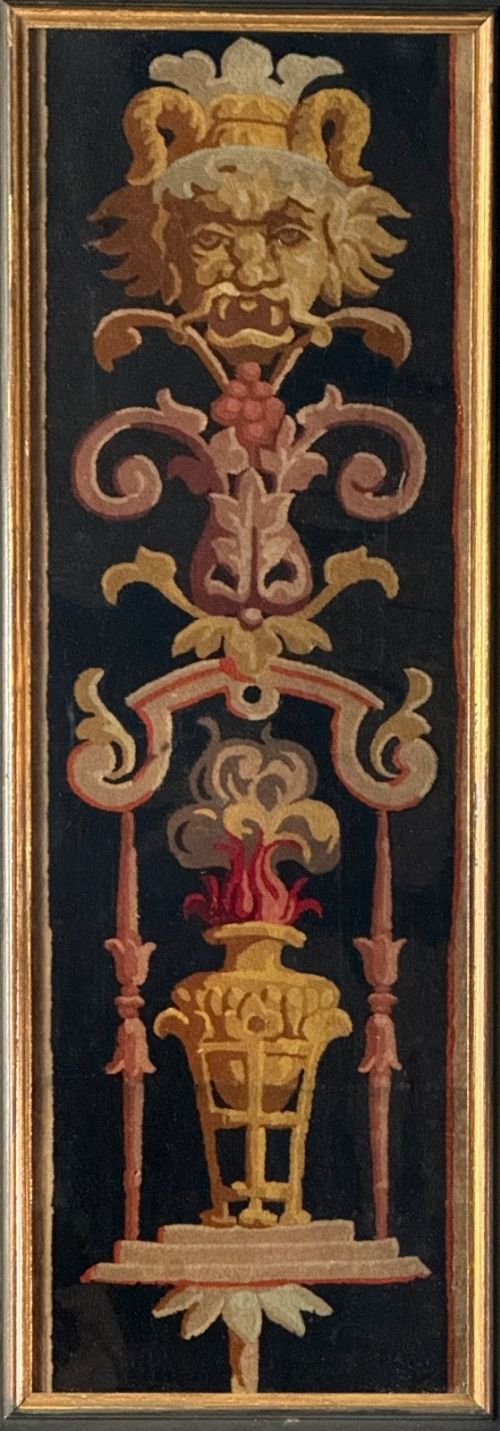
The selection ranges widely in form and origin, spanning 17th-century Stuart stumpwork and Italian borders through to 19th-century wool work and Chinese silk panels. These pieces often serve as focal points in interiors, bringing rich textures and historical narratives into modern spaces.
Makers utilised various traditional formats, including architectural Suzani hangings, rank badges, band samplers, and mirror covers. The pieces reflect the domestic and regional customs of their makers, preserving needle techniques passed down through generations.
How they were made
The construction of these panels relies upon natural support fabrics such as linen, cotton, canvas, and silk, providing a stable foundation for intricate hand stitching. Artisans worked these grounds using silk floss, wool, cotton, and metallic thread to build up dense, textured surface designs.
Needlework techniques vary considerably by region and period, encompassing crewelwork, stumpwork, beadwork, and fine chain or satin stitches executed by hand. Many panels incorporate supplementary materials like glass elements or hand-painted silk details to enhance pictorial depth.
Listings feature textile panels spanning from the 17th century through the 1930s, incorporating silk, wool, cotton, and metallic thread.
What varies in quality
The quality of an embroidered textile panel rests primarily on the density of the stitching, the intricacy of the design, and the survival of the original ground fabric. Finer examples display tight, complex threadwork and secure anchoring that maintain the structural integrity of the pictorial composition.
Material selection also dictates the tier of the piece, with lustrous silk floss, well-preserved metallic threads, and hand-spun wools separating standard domestic items from superior works. Furthermore, the complexity of the motifs - such as figural scenes or architectural elements - distinguishes master execution from simpler regional production.
The Embroidered Textile Panel Glossary
- Suzani
- A large, embroidered textile panel originating from Tajikistan, Uzbekistan, and other Central Asian regions, traditionally worked in silk on a cotton or silk ground. These pieces often display bold floral and architectural motifs.
- Crewelwork
- A traditional form of embroidery utilising wool yarn on a heavy linen or cotton twill fabric. It frequently appears in English panels depicting flowing floral and fauna designs.
- Stumpwork
- A raised embroidery style popular in 17th-century England that uses padded underlayers and wire supports to create high-relief figures and motifs. This technique often illustrates biblical or royal scenes.
- Rank badge
- A square embroidered panel worn on the robes of Chinese officials during the Qing dynasty to denote civil or military status. These pieces typically feature birds, animals, and auspicious symbols.
- Sampler
- A piece of needlework produced to demonstrate or test a maker's proficiency in various stitches and alphabets. Historical examples frequently include dates and the maker's name.
Embroidered Textile Panel: Frequently Asked Questions
How should I hang an embroidered textile panel?
These delicate works require careful mounting away from direct sunlight to prevent the fading of silk and wool threads. Framing under glass protects the textile from dust while breathable linen backing supports the weight of older panels.
Larger wall hangings often utilise a hidden sleeve or velcro attachment along a padded wooden batten to distribute the tension evenly across the fabric. Professional conservation mounting ensures the textile maintains its structural integrity over time.
What is the difference between a Suzani and an ilgich?
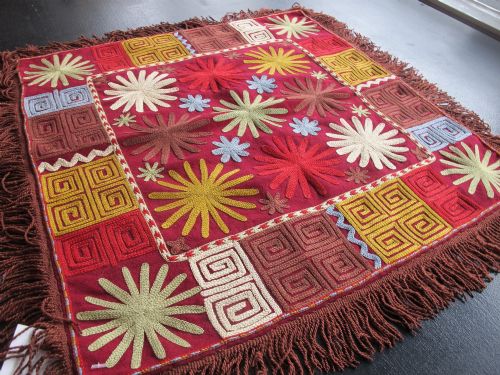
A Suzani is a large, fully worked embroidered hanging from Central Asia, traditionally used as a decorative wall covering or part of a dowry. They typically feature expansive floral and sunburst designs.
An ilgich is a specific type of embroidered dowry hanging produced by the Lakai tribe in Central Asia, characterised by distinctive geometric motifs and vibrant chain stitching. These pieces are generally smaller in scale than standard Suzanis.
How do I identify a 17th-century embroidered panel?
Seventeenth-century panels often exhibit specific stitching techniques like raised stumpwork, heavy crewel wools, or metallic threads worked on linen grounds. The iconography frequently includes royal figures, classical grotesques, masks, or religious motifs typical of the Stuart and Jacobean periods.
Examining the reverse of the panel reveals hand-spun threads and natural dye variations consistent with early textile production. Material analysis of the ground fabric further aids in confirming the historical period.
Were these panels made for daily use?
Many textile panels served specific domestic or ceremonial functions, such as dowry furnishings, mirror covers, and architectural wall dividers. Items like Lakai ilgiches and Uzbek Suzanis were created to celebrate marriages and decorate nomadic or settled homes.
Other examples, such as English samplers and needlework pictures, functioned as educational exercises or refined parlour decorations. Over time, these functional items transitioned into decorative art objects displayed in frames.