

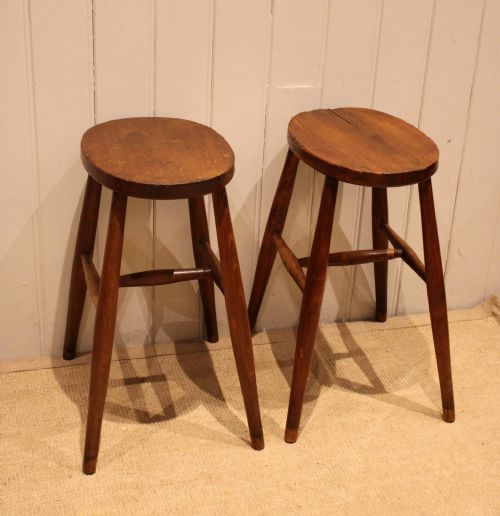


Elm Seated Stool
An elm seated stool brings honest vernacular character and sturdy timber utility into a room.
Elm Seated Stool
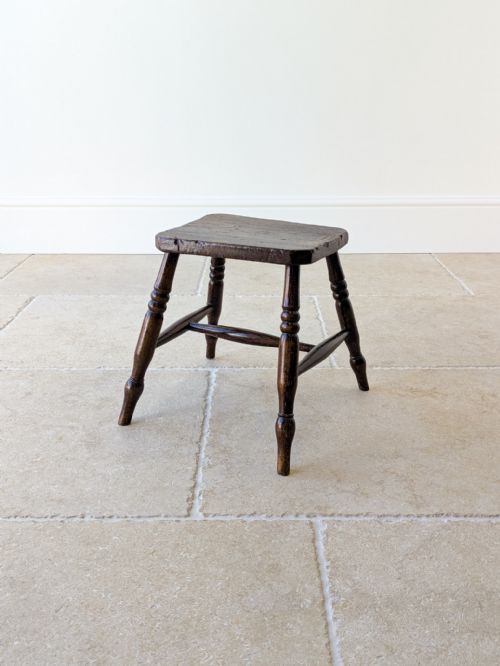
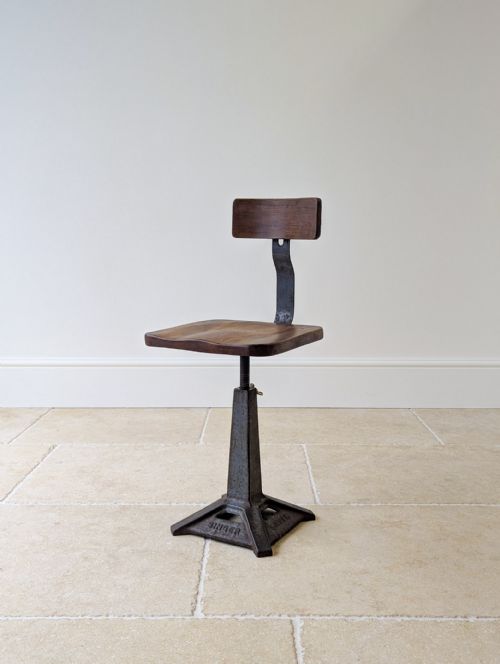
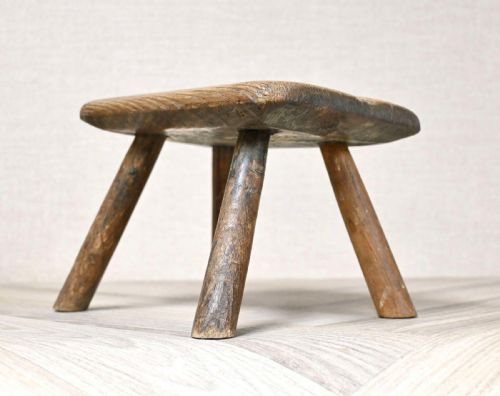
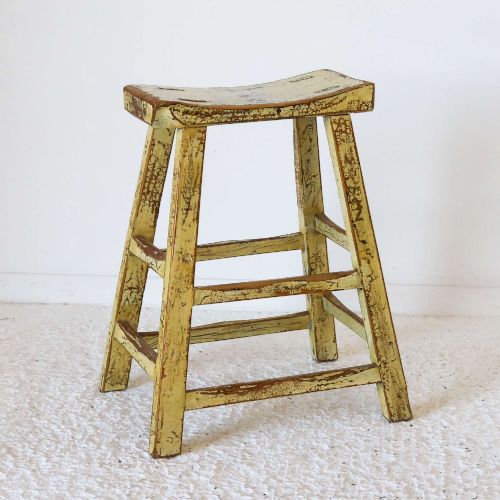
An elm seated stool represents practical domestic and working furniture shaped across the eighteenth, nineteenth, and early twentieth centuries. These pieces encompass everything from humble milking stools and Windsor forms to industrial machinist seats and Chinese provincial examples.
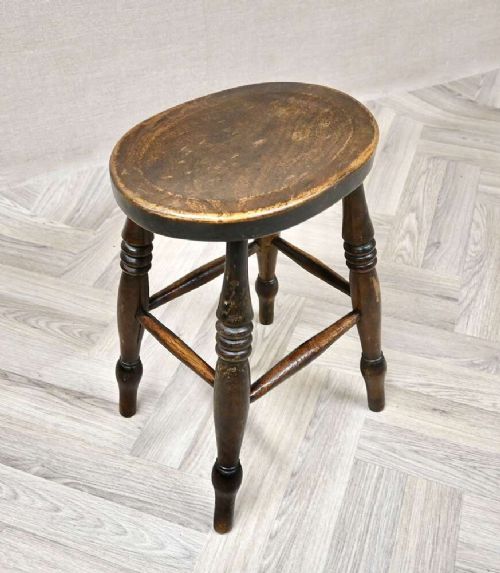
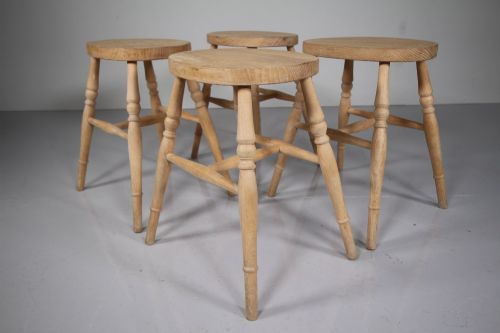
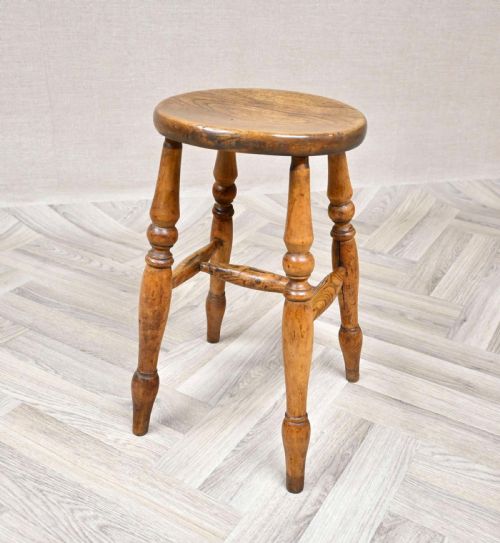
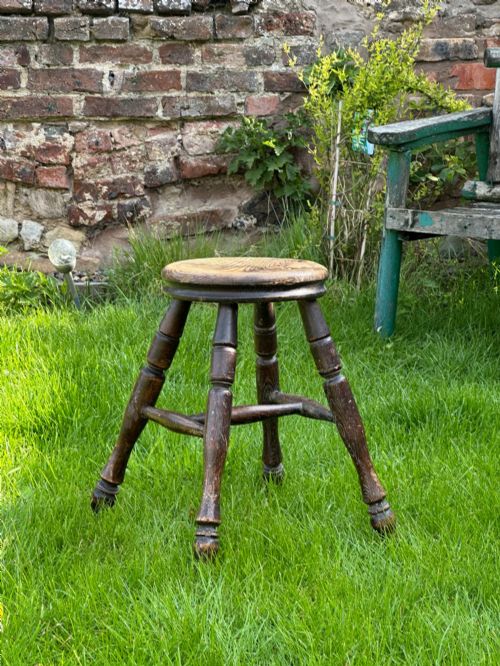
The most common variants met here are nineteenth-century country pieces featuring solid timber saddle seats supported by turned legs. Makers drew upon regional vernacular traditions, resulting in functional seating built for daily use in farms, workshops, and taverns rather than formal salons.
Materials and Construction
Makers relied on elm for the seat boards because its interlocking grain resisted splitting under heavy use and pressure. This characteristic timber was frequently paired with contrasting woods such as beech, oak, or ash for the turned legs and stretchers.
Joinery techniques relied on traditional wedged through-tenons and pegging to secure the legs firmly into the thick wooden seats. Industrial and utilitarian versions occasionally incorporated cast iron frames, particularly in machinist chairs and workshop stools.
A nineteenth-century mill worker's stool retains the quiet posture of someone who spent long hours beside clattering looms.
Assessing Quality
Quality rests upon the sculptural depth of the seat carving and the balance of the timber's figuring, especially in burr elm examples. Superior pieces display thoughtful proportion in the leg turnings and a pleasing integration of contrasting woods.
Wear patterns and original surface finishes significantly influence desirability, with untouched patination outperforming stripped or heavily restored timber. The integrity of the structural joints and the weight of the seat board distinguish workshop masterpieces from routine utility items.
The Elm Seated Stool Glossary
- Vernacular
- Everyday furniture made by regional craftsmen for local use rather than high-style metropolitan workshops. These pieces reflect local timber availability and utilitarian requirements.
- Saddle seat
- A wooden seat scooped and shaped into ergonomic contours resembling a horse's saddle. This shaping provided comfort during long hours of milking or hand labour.
- Windsor
- A construction method where legs and back spindles are wedged directly into a solid wooden seat rather than joined to a frame. This technique created robust seating widely adopted in country workshops.
- Stretcher
- Horizontal wooden rods connecting the legs of a stool to provide rigidity and strength. They frequently double as footrests on taller bar or drafting seats.
- Patina
- The surface sheen and colour developed over decades of handling, polishing, and natural ageing. A rich patina indicates long service and gentle maintenance.
Elm Seated Stool: Frequently Asked Questions
What were elm seated stools originally used for?
These practical seats served workers across farms, dairies, taverns, and factories where durable seating was essential. Milkers, mill workers, and clerks relied on them for daily labour.
Over time, these utilitarian objects transitioned into domestic settings as occasional seats, footstools, or low tables due to their compact footprints and sturdy construction.
How do I care for an antique elm seat?
Keep wooden stools away from direct heat sources and sudden temperature shifts to prevent the timber from drying out and splitting. Feed the dry grain occasionally with a suitable wax polish.
A gentle buffing with a soft cloth will maintain the surface sheen without building up excessive residue on the historic timber.
Are these stools comfortable to sit on?
Many examples feature deeply dished saddle seats carved to fit the human form, offering surprising ergonomic support. However, they were engineered for labour and productivity rather than lounging.
A cushion can easily be added if you plan to use a low or tall stool for extended periods at a desk or counter.
How do I tell different periods apart?
Eighteenth-century examples often display simpler, heavier turnings and deeply worn timber surfaces from generations of handling. Nineteenth-century pieces frequently show finer lathe work and greater variety in regional leg styles.
Twentieth-century additions introduce industrial elements like cast iron adjustment mechanisms or simpler commercial production methods.