

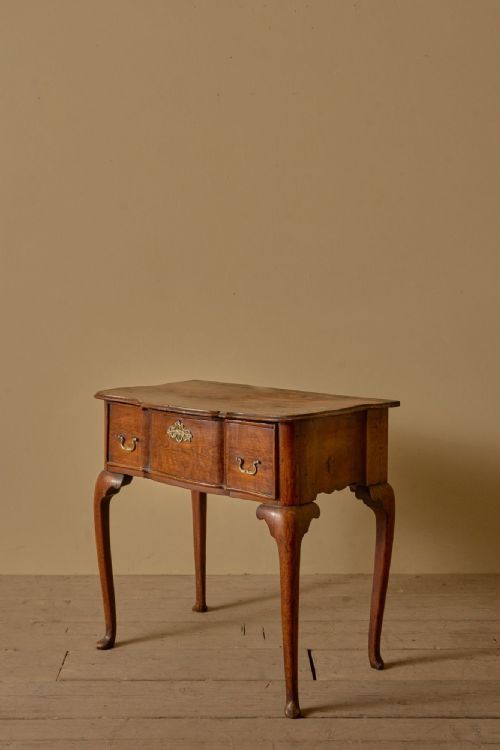
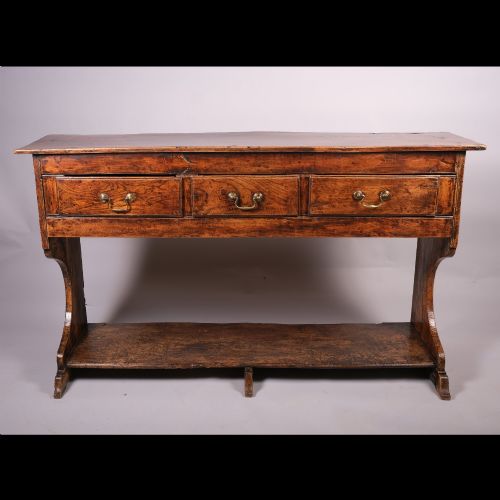
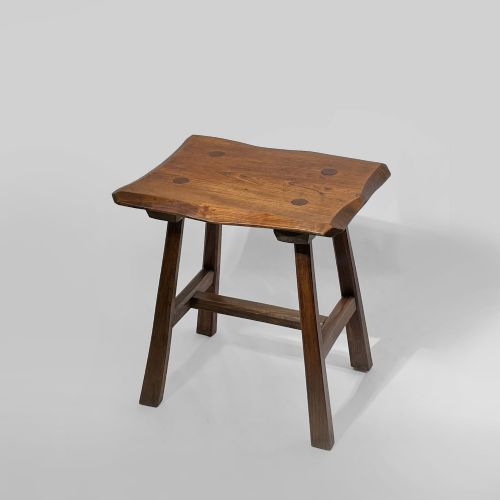


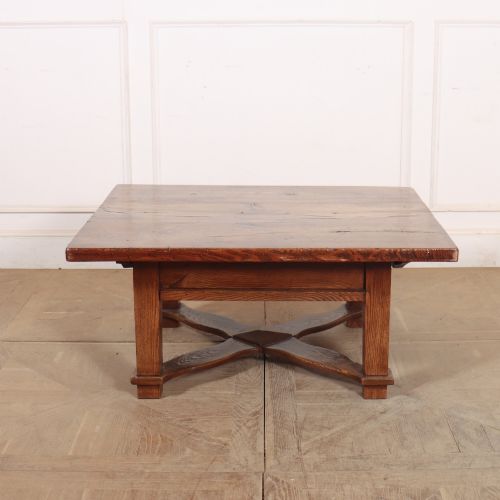
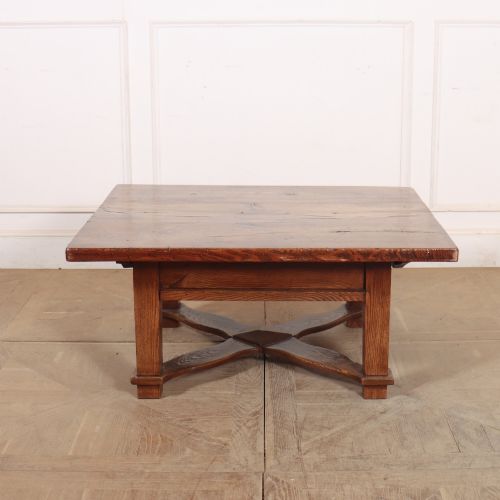


Elm Low Table
An elm low table brings warmth and grain to a room, offering a functional surface rooted in centuries of vernacular craft.
Elm Low Table
An elm low table encompasses a diverse group of low-set surfaces found across European and Asian traditions. When you search for an elm low table, you encounter pieces designed for kneeling, serving or general domestic use.
The selection on this page ranges from 18th century examples to pieces from the 1920s and 1930s. Forms include coffee tables, occasional tables, trestle tables and stools adapted for modern living.
Origins span from Austrian and French country workshops to Chinese vernacular production and Japanese Meiji period pieces. This global spread means construction methods and aesthetic details vary widely while the timber remains constant.
How they were made
Makers utilised solid elm timber, frequently accompanied by burr elm for striking grain patterns. Secondary woods such as oak appear in supportive elements like dresser bases and side tables.
Construction relies on traditional joinery suited to the resilient nature of hardwood and timber planks. Surface treatments range from natural scrubbed finishes to lacquer and carved birch detailing.
Elm Low Table Retail Price Guide 2026
Typical asking prices for elm low table among the pieces listed under this phrase on Sellingantiques today, from the lower quarter to the upper quarter. They describe what is for sale here now, not the wider market.
Object forms range from traditional coffee and side tables to stools, dressers, sideboards and Meiji period tea tables.
What varies in quality
The character of the timber dictates much of the visual appeal, with burr elm and distinct grain movement commanding greater interest. The integrity of the original construction and surviving surface finish also separate standard examples from finer ones.
Regional execution matters, whether in the rustic vernacular style of European country pieces or the refined lines of Qing Dynasty and Meiji period forms. The balance between utility and decorative presence defines the standing of each piece.
The Elm Low Table Glossary
- Burr Elm
- A figured wood grain resulting from growth deformations, prized for its swirling patterns on tabletop surfaces. It adds texture and visual depth to occasional furniture.
- Trestle Table
- A table structure consisting of horizontal beams supported by pair of trestle feet. This form appears across various periods in both European and Asian contexts.
- Chabudai
- A traditional Japanese low table used for drinking tea or partaking in meals while kneeling on tatami mats. Meiji period examples often feature simple timber construction.
- Vernacular
- Architecture or furniture built by local craftsmen to meet everyday needs using regional materials. These pieces prioritise practical function over grand stylistic pretensions.
- Biedermeier Revival
- A 20th century stylistic movement referencing the clean lines and domestic comfort of earlier Central European design. It manifests in smooth surfaces and restrained ornamentation.
Elm Low Table: Frequently Asked Questions
What is an elm low table used for today?
These pieces serve primarily as coffee tables or low occasional surfaces in contemporary sitting rooms. Their modest height makes them practical companions to low seating arrangements.
Beyond living spaces, smaller versions function well as bedside tables or display platforms for objects and plants.
How do I care for an antique elm surface?
Protect the timber from direct heat sources and strong sunlight to prevent the wood from drying out or splitting. Dust regularly with a dry or slightly damp cloth.
Avoid chemical polishes that can damage historic finishes. Natural waxes applied sparingly help maintain the lustre of the grain.
Are all low tables from China?
No, the listings include European examples from Austria, France, Sweden and Britain alongside Asian pieces. Regional traditions produce distinct forms, from Austrian coffee tables to Japanese Chabudai.
Examining the joinery and timber characteristics helps identify the likely geographic origin of a specific piece.
How can I tell the age of a low table?
Dating relies on tool marks, construction methods, and the natural patina accumulated on the timber over decades or centuries. Stylistic indicators, such as Qing Dynasty influence or Biedermeier Revival forms, also provide chronological clues.
Comparing the wear patterns on the legs and surface helps confirm whether a piece shows genuine age.