
Edwardian Wooden Cabinet
An edwardian wooden cabinet brings functional storage with refined timber grain into a room, spanning forms from bedside lockers to tall wardrobes.
Edwardian Wooden Cabinet
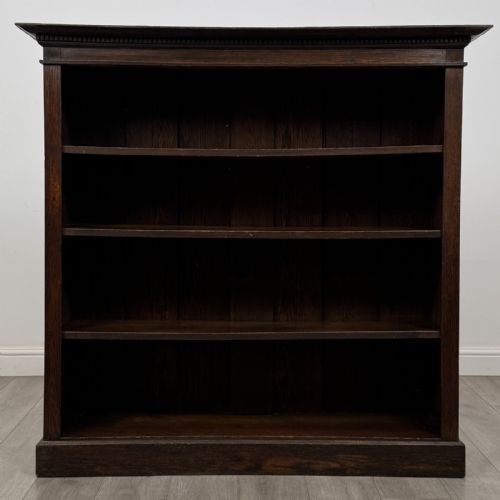
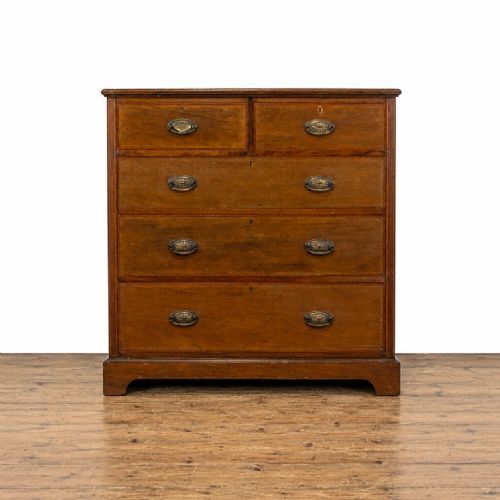
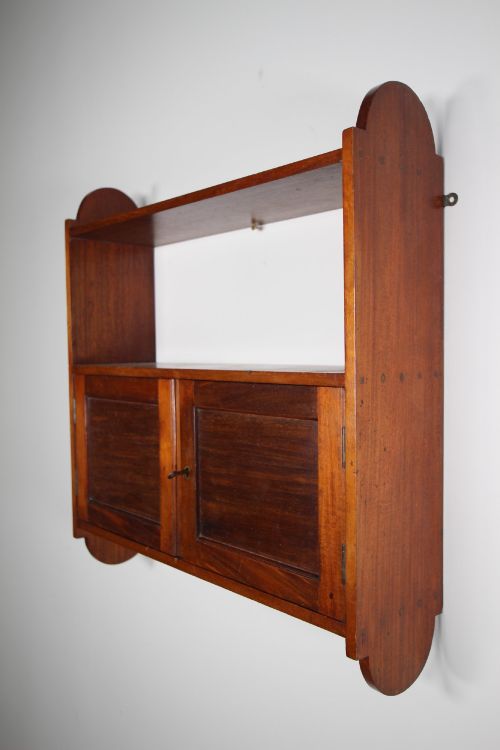
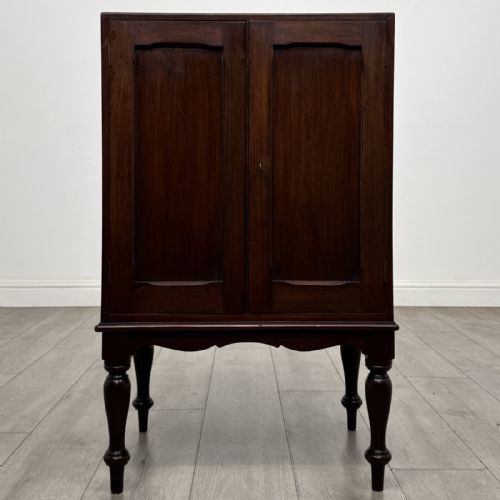
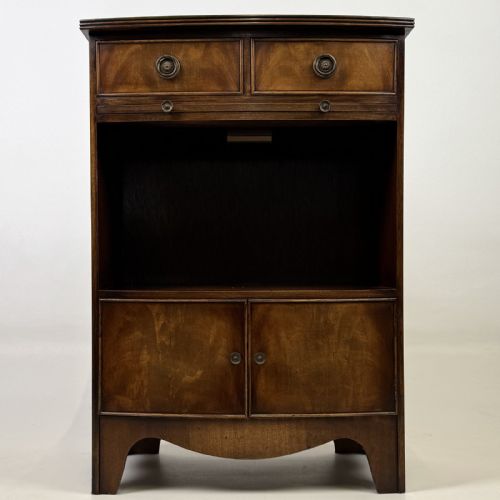
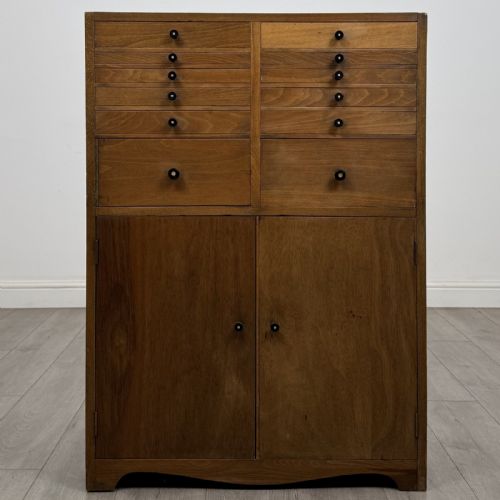
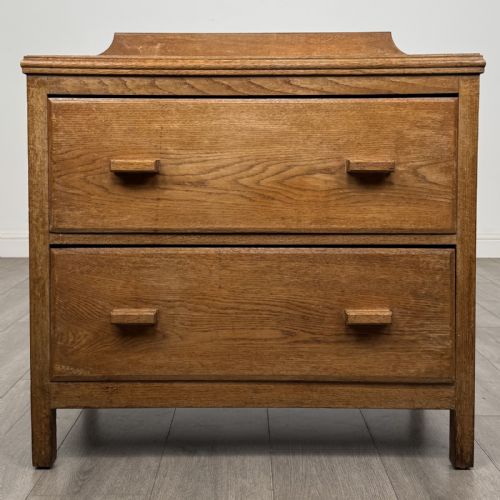
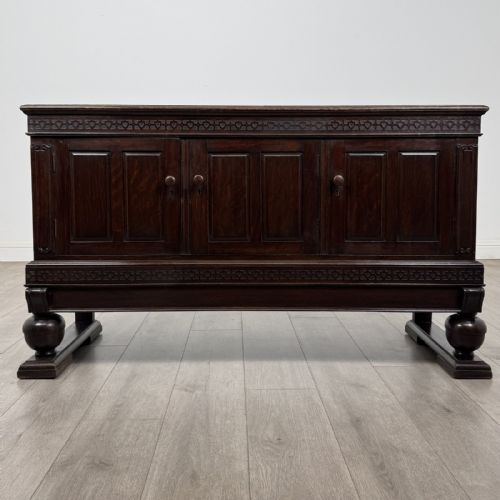
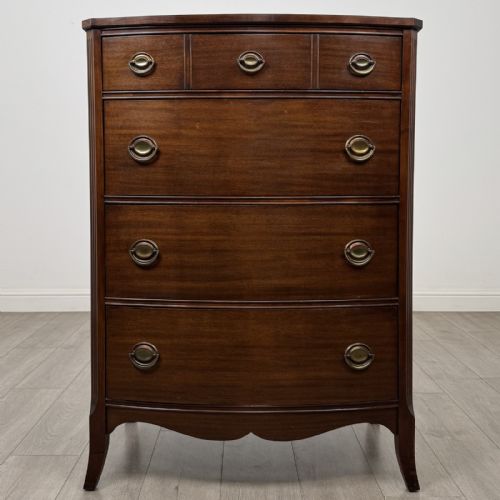
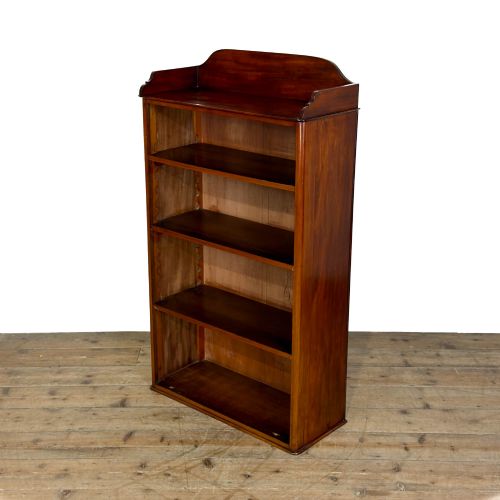
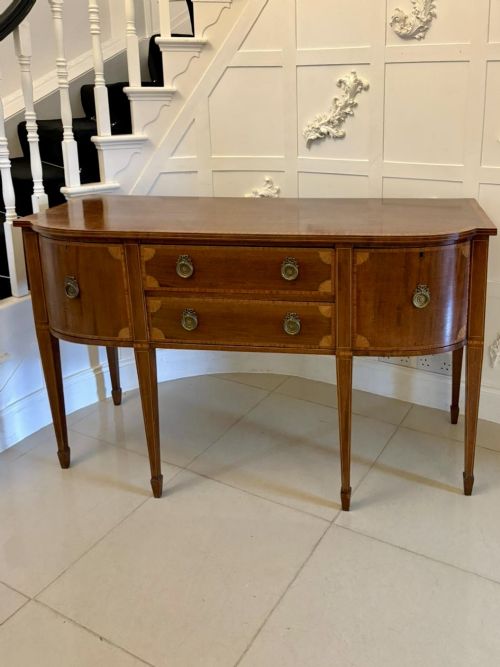
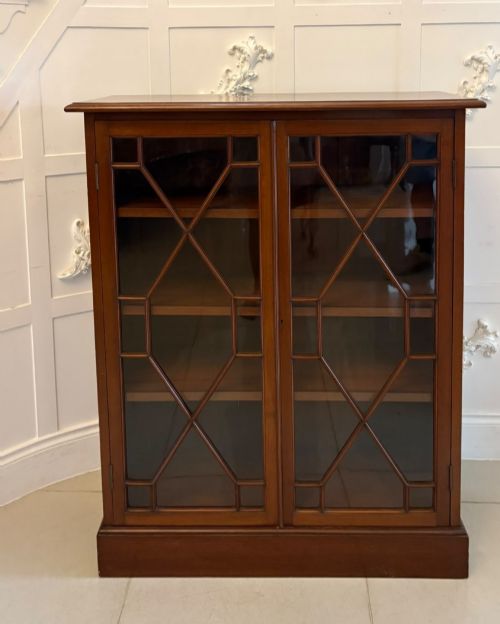
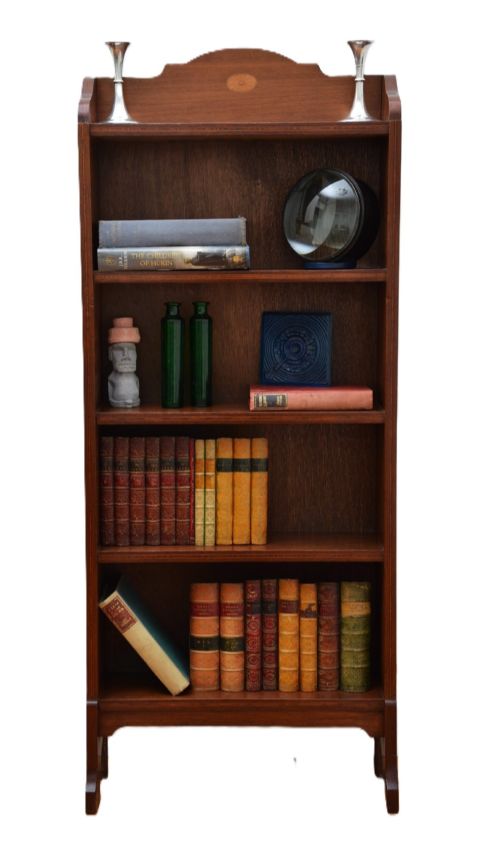
An edwardian wooden cabinet covers a wide selection of storage furniture produced around the turn of the twentieth century, alongside pieces bridging late Victorian and 1920s tastes. Buyers encounter varied forms on this page, including sideboards, chests of drawers, bookcases, wardrobes, bedside cabinets, and specialised cupboards.
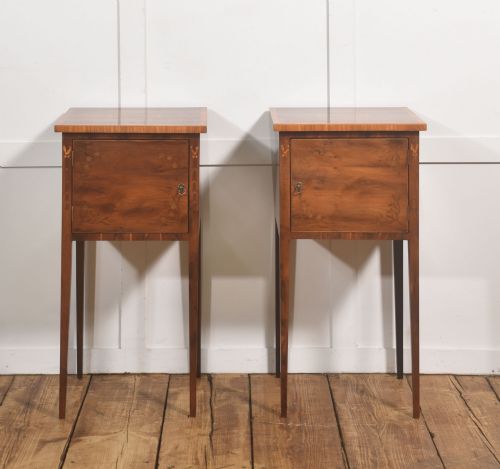
The materials span mahogany, oak, walnut, satinwood, and pine, frequently enhanced with brass hardware, glass panels, and satinwood inlay. Stylistic influences draw upon Edwardian traditions, Sheraton Revival elegance, Arts and Crafts simplicity, and occasional Georgian or Art Deco revivals.
Makers and workshops utilised these timbers to construct functional items for domestic and commercial interiors, ranging from domestic linen cupboards to shop display units and filing cabinets.
How they were made
Cabinet makers utilised solid timbers and veneers such as mahogany, oak, and burr walnut, applying polished finishes and brass handles to secure structural longevity. Inlay techniques, including satinwood crossbanding and marquetry, decorated surfaces on Sheraton style pieces and Edwardian sideboards.
Joinery methods incorporated panelled doors, turned legs, bracket feet, and raised galleries, alongside fitted internal compartments like pigeon holes, pull-out slides, and eleven-drawer configurations.
A mechanical dispensing cabinet once served Knight’s Castile Soap in shops before finding a second life in modern collections.
What varies in quality
Quality separates through the selection of timber veneers, the precision of marquetry or crossbanding inlay, and the retention of original brass hardware. Superior examples display thoughtful proportions, such as bow fronts or serpentine shapes, and integrated internal fittings like adjustable shelves or fitted cutlery sets.
Construction integrity marks the division between standard utility items and finer workshop productions, visible in the joinery of drawers, panelled doors, and stable bases like bracket feet or turned legs.
Shapland and Petter
The Edwardian Wooden Cabinet Glossary
- Crossbanding
- A strip of veneer applied to the border of a panel so the grain runs perpendicular to the centre, often seen in contrasting timbers.
- Marquetry
- Formed by fitting decorative wood veneers together to create pictorial or geometric patterns on cabinet surfaces.
- Purdonium
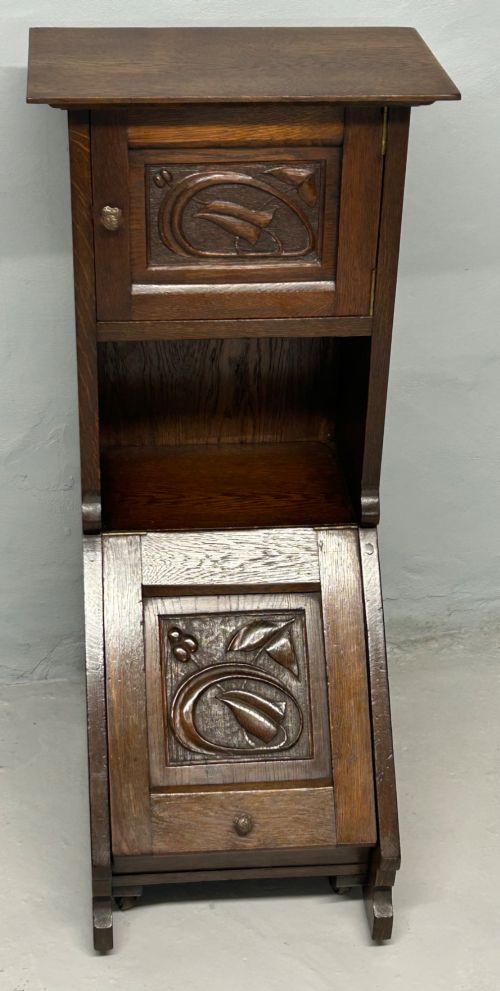
- A specialised coal box or scuttle, typically constructed in oak during the Arts and Crafts period.
- Tantalus
- A locking wooden drinks cabinet designed to secure decanters while keeping their contents visible.
- Gallery
- A raised decorative rail or spindle border positioned along the top surface of a chest of drawers or sideboard.
Edwardian Wooden Cabinet: Frequently Asked Questions
What is an edwardian wooden cabinet used for?
These cabinets served multiple domestic and commercial purposes, from storing linens and clothing in bedrooms to holding books, tableware, or office papers. Specialised variations also functioned as bedside storage, shop display units, and dry bars.
Buyers today utilise them in similar ways, placing bedside cabinets, bookcases, and small cupboards into contemporary rooms for practical storage combined with period timber character.
How do I date an edwardian wooden cabinet?
Dating relies on observing construction traits, timber choices, and stylistic cues recorded across the pieces, which bridge late Victorian production, Edwardian manufacture, and early twentieth-century designs up to 1930. Edwardian examples often feature lighter oak or mahogany with subtle satinwood inlay.
Comparing hardware like brass handles, leg styles such as turned supports or bracket feet, and interior configurations helps narrow the manufacturing period between 1880 and 1930.
What styles are common in these cabinets?
The listings show distinct stylistic movements, including straightforward Edwardian designs, Sheraton Revival pieces with marquetry, and Arts and Crafts oak items. Georgian Revival and Art Deco influences also appear in specific sideboards and display cabinets.
These varied styles reflect a period of transition in British furniture design, moving from heavy Victorian proportions towards lighter, refined Edwardian aesthetics.
Are these cabinets made of solid wood?
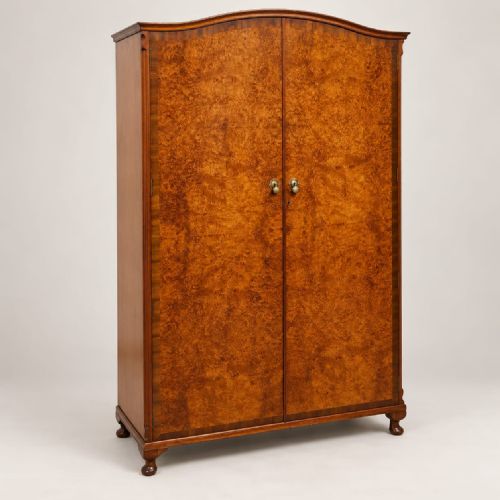
Makers utilised a combination of solid timbers and applied veneers, selecting woods like mahogany, oak, walnut, satinwood, and pine. Veneers such as burr walnut allowed craftsmen to display decorative grain patterns across large surfaces like wardrobe doors and sideboards.
Internal elements, drawer linings, and structural framing frequently employed solid secondary woods, while exterior surfaces featured polished veneers and decorative crossbanding.