
Edwardian Wood Cabinet
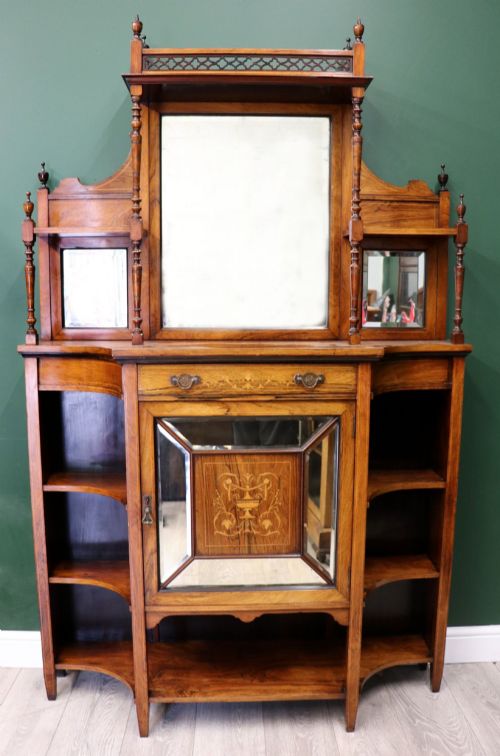
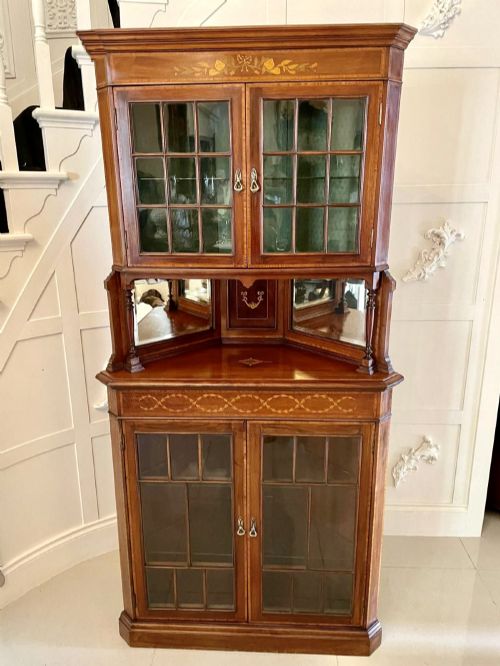
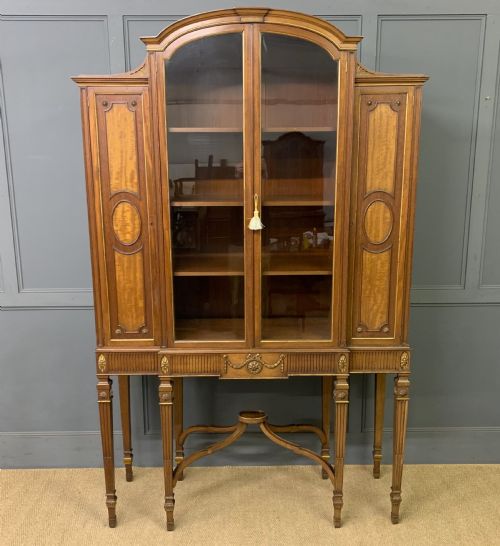
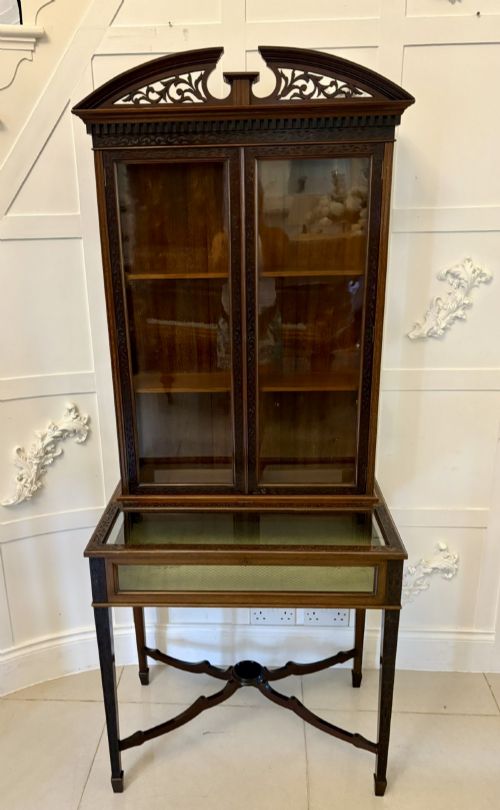
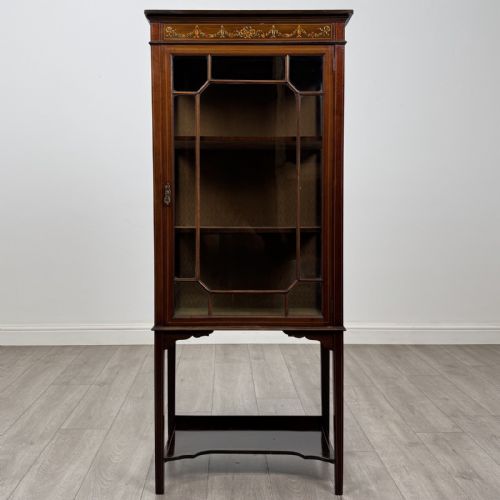
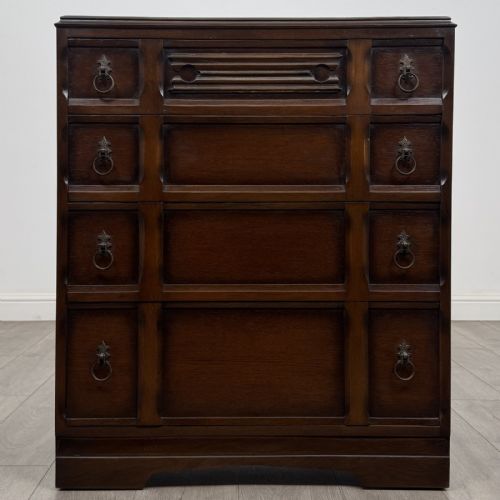
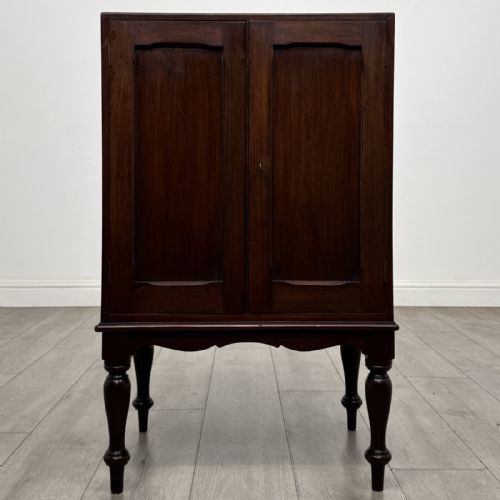
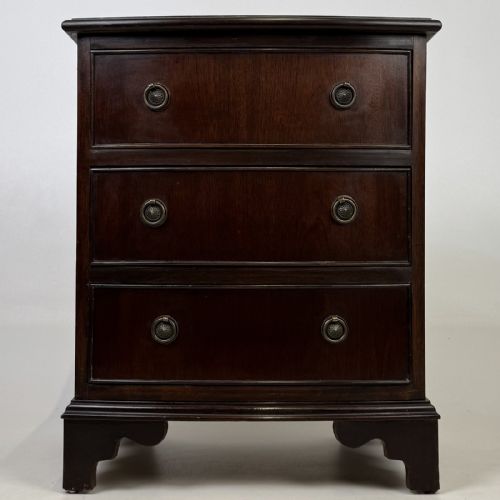
An edwardian wood cabinet brings together warm mahogany, oak and walnut with refined period details for practical home storage.
Edwardian Wood Cabinet
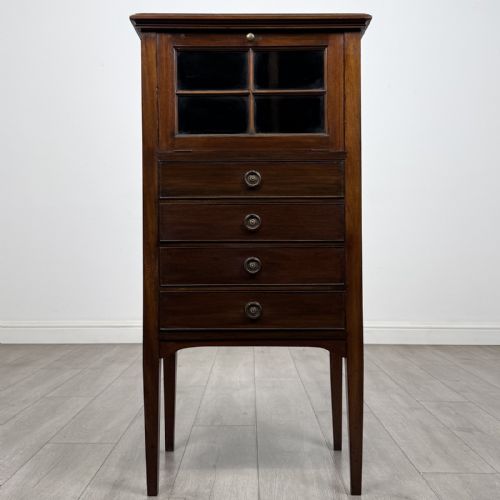
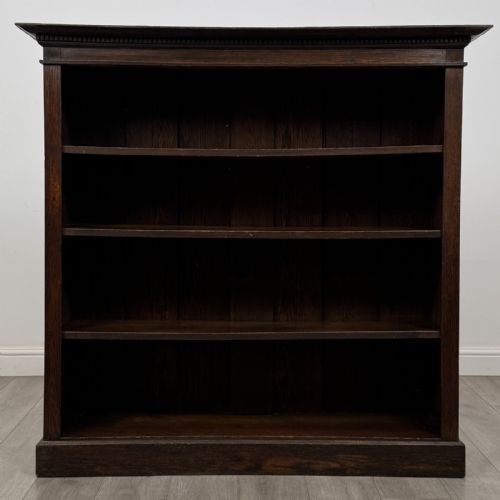
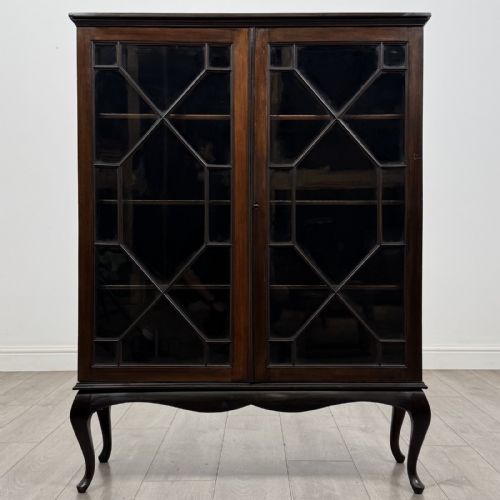
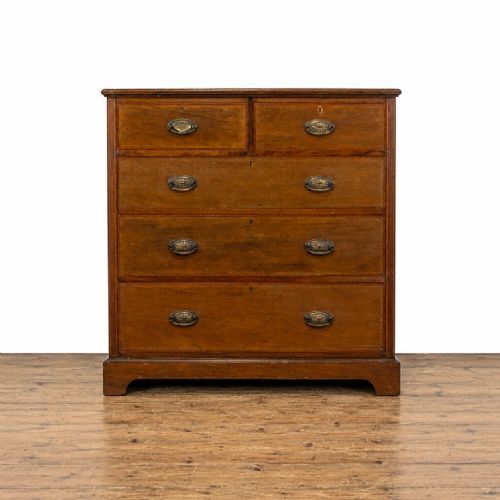
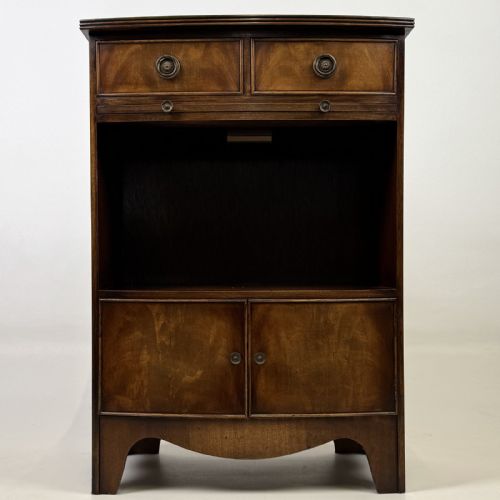
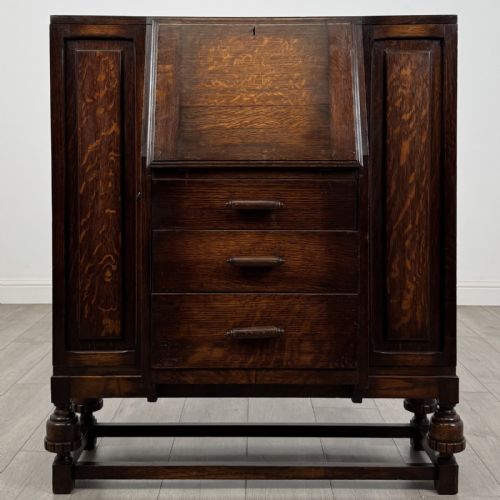
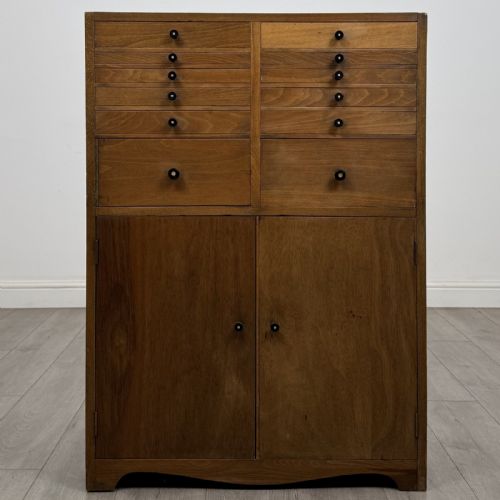
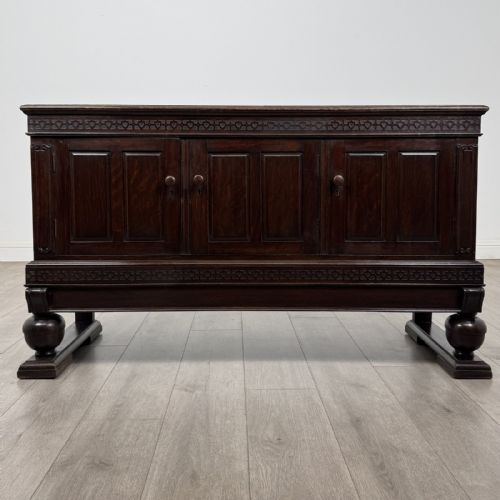
An edwardian wood cabinet encompasses diverse domestic forms including display cabinets, bookcases, chests of drawers, sideboards, and bureau bookcases designed for formal parlours and studies.
Mahogany and oak dominate the selection, often enriched with satinwood inlay, glass panels, and brass handles that reflect the domestic tastes of the period.
Pieces frequently display revival influences such as Sheraton Revival and Chippendale Revival alongside Arts and Crafts simplicity, demonstrating the broad design vocabulary of the era.
How they were made
Cabinet makers utilised solid timbers and selected veneers of mahogany, oak, walnut, and rosewood, applying satinwood crossbanding and marquetry inlay for surface decoration.
Construction methods incorporated panelled doors, dovetailed drawers, turned legs, bracket feet, and claw and ball feet, alongside specialised mechanisms like tambour fronts and pull-out slides.
Glazing bars framed glass doors for display cabinets and bookcases, while brass hardware completed the structural assembly of chests, cupboards, and sideboards.
Purdoniums offered Victorian and Edwardian households a polite way to store coal without sullying the drawing room floor.
What varies in quality
The refinement of timber selection and the precision of inlaid details set exemplary examples apart from simpler utility pieces produced during the same period.
The integration of substantial architectural elements such as raised galleries, claw and ball feet, and finely carved mouldings distinguishes finer workshop production.
Interior execution, including fitted pigeon holes, adjustable shelving, and secondary wood choices, reveals the underlying standard of the maker's craftsmanship.
Gunn Furniture
The Edwardian Wood Cabinet Glossary
- Crossbanding
- A narrow strip of veneer applied perpendicularly to the grain of the main surface, often seen in contrasting timbers like satinwood on mahogany.
- Purdonium
- A specialised cabinet designed specifically to house coal next to a fireplace, typically featuring a sloping front and an internal metal liner.
- Tambour
- A flexible shutter door formed from narrow strips of wood glued to a canvas backing, allowing it to slide smoothly around a curved track.
- Secretaire
- A desk form incorporating a drop-front writing flap that conceals a fitted interior of small drawers and pigeon holes.
- Marquetry
- The art of applying pieces of veneer to a structure to form decorative patterns, frequently utilising floral or geometric motifs.
Edwardian Wood Cabinet: Frequently Asked Questions
What is an Edwardian wood cabinet?
These pieces are domestic storage and display furniture manufactured around the turn of the twentieth century, encompassing bookcases, sideboards, and display cabinets.
They utilise woods like mahogany, oak, and walnut, frequently incorporating glass doors, brass handles, and delicate inlay work suited to contemporary homes.
How do I identify a bureau bookcase?
A bureau bookcase combines a lower writing desk section featuring a fold-down flap with an upper shelving or display area enclosed by glazed doors.
Inside the drop-front section, you will typically find small drawers and pigeon holes designed for stationery and correspondence.
Where were these cabinets placed?
Original placement depended on the specific form, with display cabinets and glazed bookcases positioned in reception rooms to showcase china and books.
Smaller side cabinets, chests of drawers, and music cabinets served bedrooms, hallways, and drawing rooms for everyday household organisation.
How do I care for antique wood?
Maintain timber surfaces by keeping pieces away from direct heat sources and sudden humidity changes that can cause veneer and solid wood to split.
Apply a microcrystalline wax sparingly to nourish the polish, avoiding silicone-based sprays that damage historic finishes over time.