




Edwardian Stud Earrings
Edwardian stud earrings bring together delicate gold settings and bright old-cut stones, offering a subtle touch of antique character for daily wear.
Edwardian Stud Earrings
Edwardian stud earrings span delicate gem-set clusters and simple solitaire designs, sitting close to the earlobe with screw-on or standard backs. When exploring edwardian stud earrings, buyers will encounter pieces shaped by the early twentieth century alongside adjacent Victorian and Art Deco periods.
While true Edwardian pieces form the core, the inventory also encompasses items from the 1910s and 1920s sharing the same low-profile aesthetic. These earrings suit modern wear while retaining the distinct craftsmanship of their original eras.
How they were made
The construction relies on precious metals including 9ct and 18ct gold, alongside platinum and 18ct white gold for later or more intricate designs. Metalworkers used claw settings and cluster mounts to secure stones firmly while minimising visible metal.
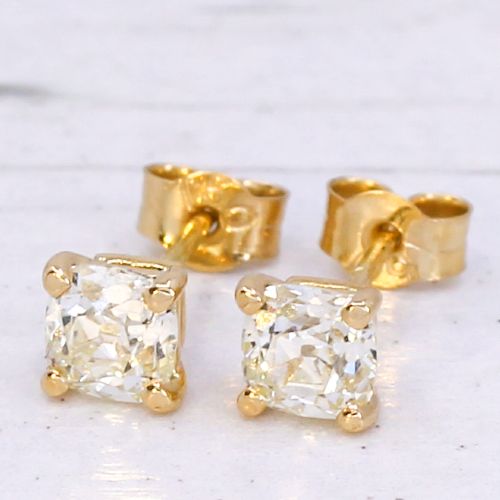
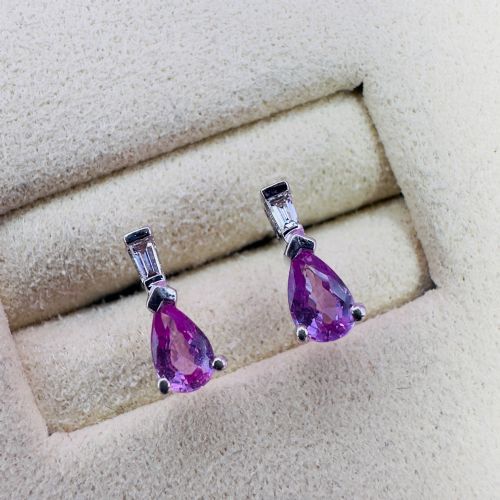
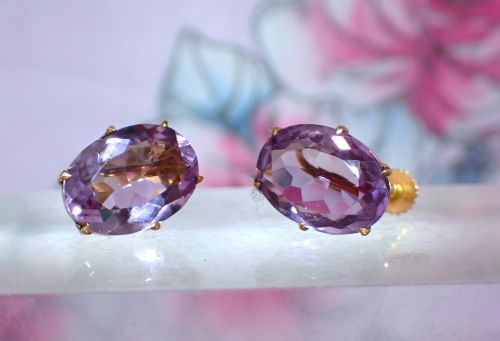
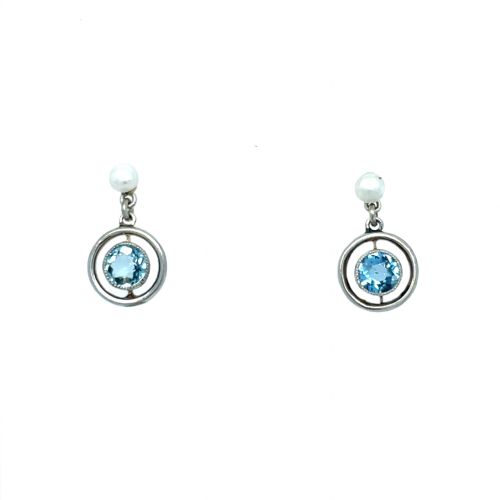
Gemstones such as old mine cut diamonds, rose cut diamonds, and pear cut sapphires were shaped by hand to fit specific mounts. Pearls and cabochon amethysts were integrated into gold frames using pegs, bezels, or fine wirework.
Edwardian Stud Earrings Retail Price Guide 2026
Typical asking prices for edwardian stud earrings among the pieces listed under this phrase on Sellingantiques today, from the lower quarter to the upper quarter. They describe what is for sale here now, not the wider market.
Some clover-shaped pairs hint that past owners sought a little extra luck while tending their Edwardian gardens.
What varies in quality
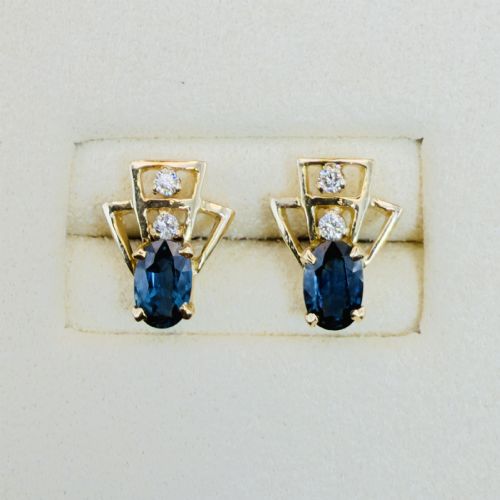
Quality rests primarily on the match and cut of the central gemstones, where old mine and old cut diamonds display distinct light play compared to standard modern facets. The clarity of coloured stones, such as natural sapphires and deep amethysts, dictates the visual depth of the cluster.
The refinement of the metalwork also separates standard examples from exceptional ones, particularly where millegrain edges and delicate gallery wire are intact and crisp. Secure and original fastening mechanisms, whether screw backs or posts, maintain the structural integrity of the pair.
The Edwardian Stud Earrings Glossary
- Old mine cut
- An early diamond cut characterised by a cushion shape, high crown, and large culet facet. This cut gathers candlelight effectively.
- Millegrain
- A decorative technique featuring a row of tiny raised metal beads along the edge of a setting. It adds a soft texture typical of the period.
- Cabochon
- A gemstone shaped and polished with a smooth, rounded dome rather than faceted edges. It is frequently seen on amethysts and opals.
- Cluster
- An arrangement where a central stone is encircled by a border of smaller gems. This style maximises visual presence on the earlobe.
- Rose cut
- A historic diamond cut featuring a flat base and a domed top covered in triangular facets. It produces a subtle, understated shimmer.
Edwardian Stud Earrings: Frequently Asked Questions
Are these earrings comfortable for daily wear?
These pieces sit close to the lobe, which reduces snagging on clothing or hair during everyday activities. Many designs use secure fastenings to keep them firmly in place.
Selecting the right weight ensures the earlobe does not stretch over long periods. Most styles distribute their mass evenly across the backing.
How do I identify an Edwardian fastening?
Many authentic pieces utilise threaded screw-on backs rather than standard modern butterfly clutches. These posts require the nut to be twisted onto the threaded wire.
Older mechanisms often show slight hand-finishing marks under magnification. Inspecting the back can reveal the original manufacturing technique used by the jeweller.
Can I wear them with modern jewellery?
The combination of yellow gold, white gold, and platinum allows these pieces to blend easily with contemporary accessories. Their understated scale prevents them from overpowering other items.
Mixed metal tones in the original settings actually bridge the gap between silver-coloured and gold pieces. This versatility makes integration straightforward.
What is the difference between Edwardian and Art Deco styles?
Edwardian designs tend to feature flowing floral motifs, lacy platinum work, and softer organic shapes. They emphasise lightness and delicate grace.
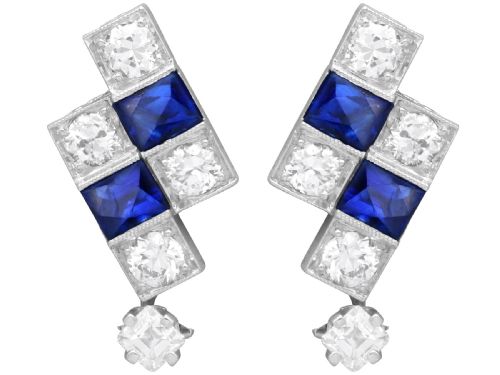
Art Deco items introduce geometric precision, stark lines, and symmetrical arrangements. The transition between the two periods often blurs in pieces made around the First World War.