




Edwardian Silver Napkin Holder
These edwardian silver napkin holder pieces are solid table accessories designed to keep family linens orderly at formal dining tables.
Edwardian Silver Napkin Holder
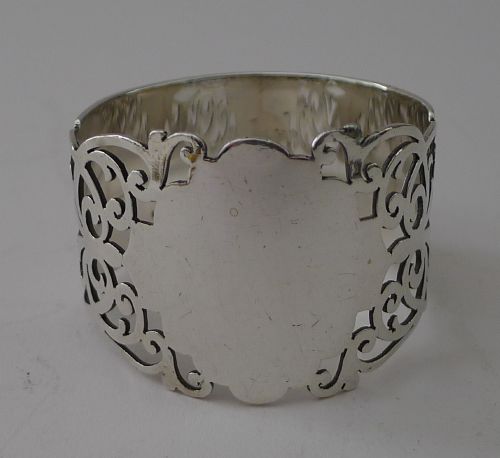
When you examine an edwardian silver napkin holder or related dining accessory, you encounter functional tableware produced during the early twentieth century. The selection ranges from single pieces to full cased sets meant for family dining.
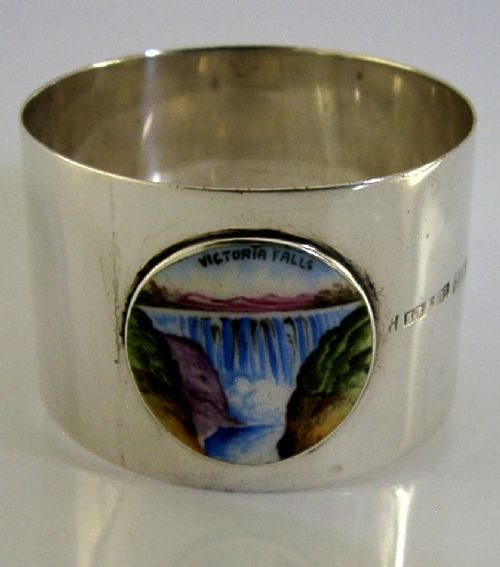
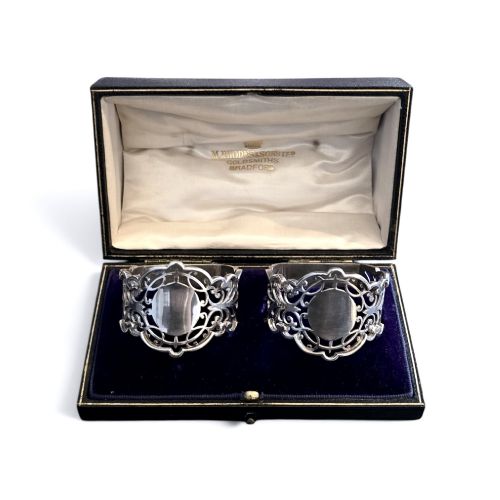
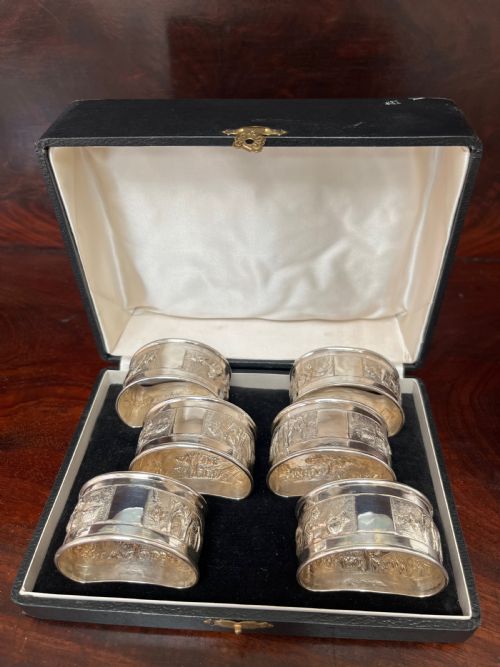
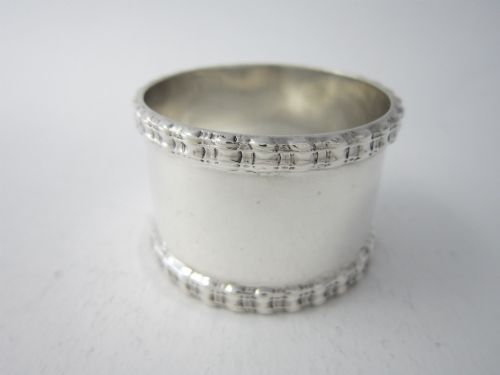
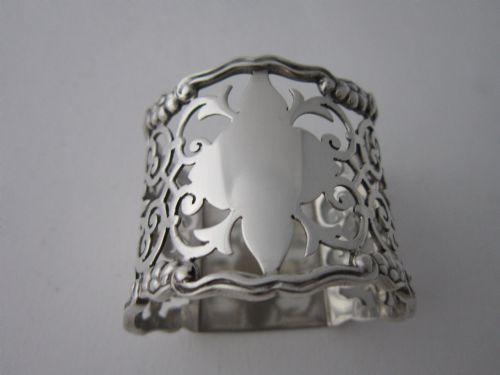
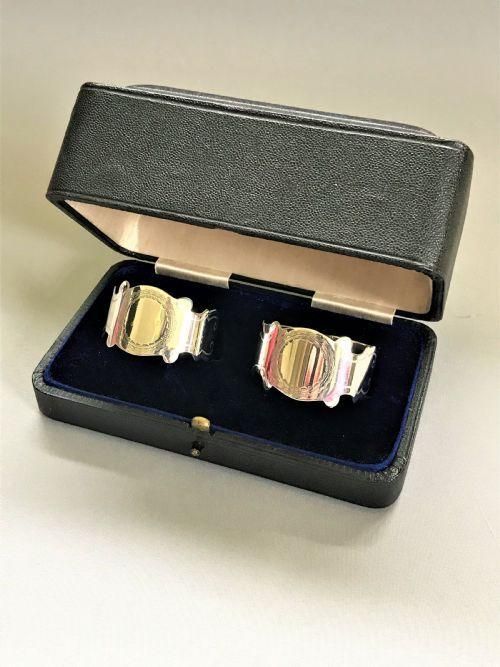
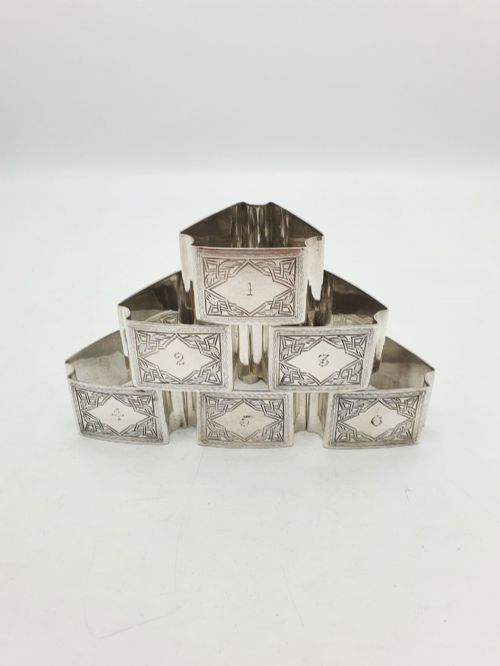
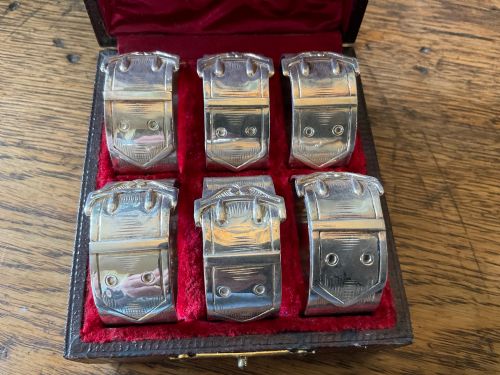
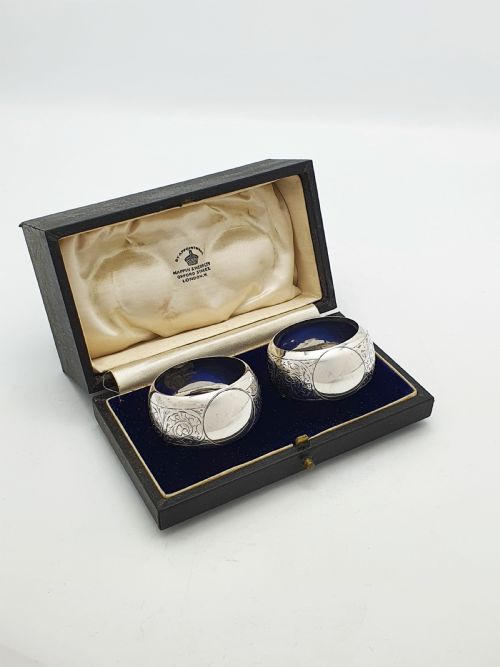
The most common forms on this page include individual napkin rings, pairs in fitted boxes, and larger sets of six. You also find specialised items like belt-buckle shaped rings and shield-shaped clips designed to attach linens securely.
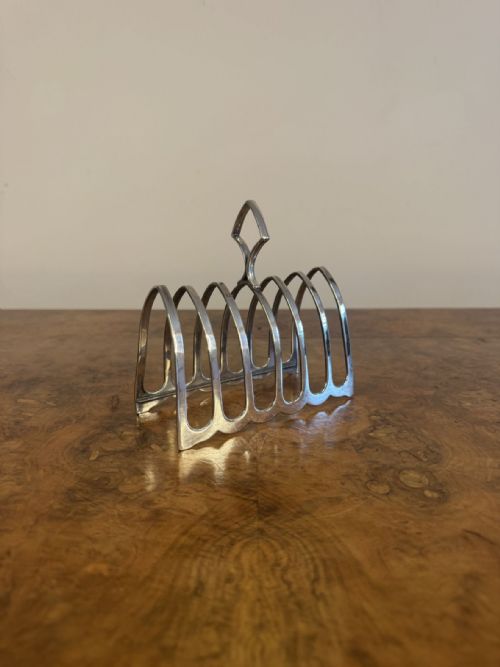
While the core of the selection belongs to the Edwardian and George V periods, related dining silver stretches from Victorian examples to mid-century sets. Objects appear alongside related table silver such as toast racks and christening sets.
How they were made
Makers shaped sterling silver and silver plate into rigid cylindrical bands and specialised clip forms using traditional metalworking techniques. Many pieces feature engraved decoration, numbered panels, or applied enamel details.
Fitted presentation cases lined with silk, velvet, or leatherette protect the finer multi-piece sets. Wood and leather also appear in the housing and construction of associated boxed items.
Edwardian Silver Napkin Holder Retail Price Guide 2026
Typical asking prices for edwardian silver napkin holder among the pieces listed under this phrase on Sellingantiques today, from the lower quarter to the upper quarter. They describe what is for sale here now, not the wider market.
Dining etiquette once demanded that your napkin ring be polished enough to check your hair before the roast arrived.
What varies in quality
Quality separates standard mass-produced items from pieces bearing the marks of notable silversmiths and design guilds. Heavier gauge silver provides a more substantial feel in the hand compared to lighter plated alternatives.
The presence of original fitted cases lined with silk or velvet elevates the desirability of a matched set. Artistry in surface decoration, such as Arts and Crafts hand-hammering or enamel work, distinguishes exceptional pieces from plain utilitarian rings.
C.T. Burrows & Sons·Tiffany & Co·Liberty & Co·Mappin & Webb·Guild of Handicraft·Hukin & Heath
The Edwardian Silver Napkin Holder Glossary
- Sterling silver
- A silver alloy containing 92.5 percent pure silver and 7.5 percent other metals, usually copper, chosen for durability in tableware. This standard has governed quality British silver for centuries.
- Silver plate
- A base metal object coated with a thin layer of pure silver. It offered a bright dining appearance at a lower cost than solid silver.
- Cased set
- A matched group of items housed in a custom fitted box lined with materials like silk or velvet. These sets were frequently given as wedding or christening gifts.
- Napkin clip
- A spring-loaded or shaped clip designed to secure a table napkin to clothing during a meal. They often feature decorative shields or terminals.
- Toast rack
- A small tabletop framework with vertical dividers used to hold slices of toast upright. They share the same silversmithing workshops as napkin rings.
Edwardian Silver Napkin Holder: Frequently Asked Questions
What is an edwardian silver napkin holder used for?
These items were used at formal dining tables to identify individual linen napkins between meals. Families placed them beside each setting to keep dining linens organised.
Today, collectors use them for everyday dining or display them in fitted presentation boxes. They remain practical accessories for modern breakfast and dinner tables.
How do I know if it is sterling silver?
British sterling pieces carry hallmark stamps indicating the metal standard, assay office, and date letter. Solid silver pieces feel heavier and show different wear patterns than plated items.
Silver plate items lack standard sterling hallmarks and often display maker marks specific to electroplate production. Examination under magnification reveals whether the base metal shows through the silver layer.
Why are some napkin rings numbered?
Numbered sets allowed Victorian and Edwardian households to assign specific napkins to family members or guests across multiple meals. Each diner retained the same number each day.
This practical system prevented confusion in large households where laundry was not done after every single meal. The numbers are usually engraved or applied clearly on the exterior band.
What is the difference between a ring and a clip?
A napkin ring is a rigid cylindrical band through which a folded linen is slid for storage. It sits quietly on the table beside the plate.
A napkin clip attaches directly to a diner's clothing to secure the linen during eating. Clips utilise spring tension or a grip mechanism rather than a closed loop.