



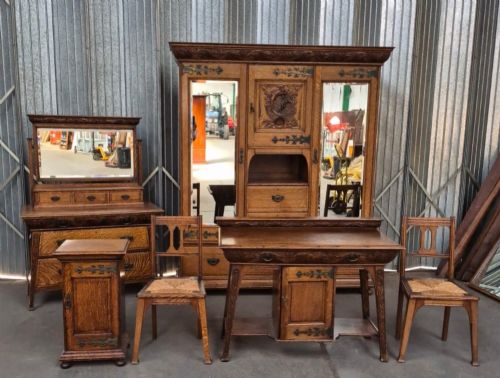
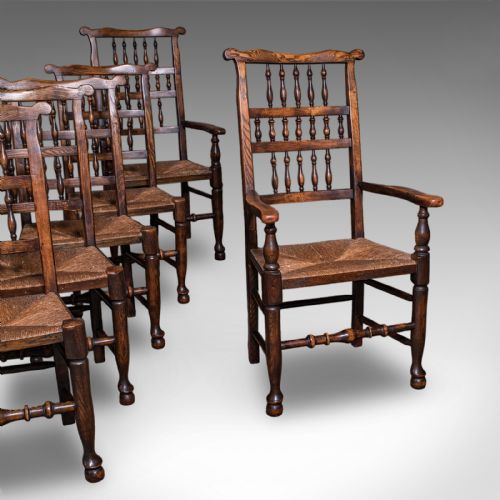


Edwardian Rush Chair
These edwardian rush chair examples bring honest craftsmanship and woven seats into the home, offering both sturdy utility and historic charm.
Edwardian Rush Chair
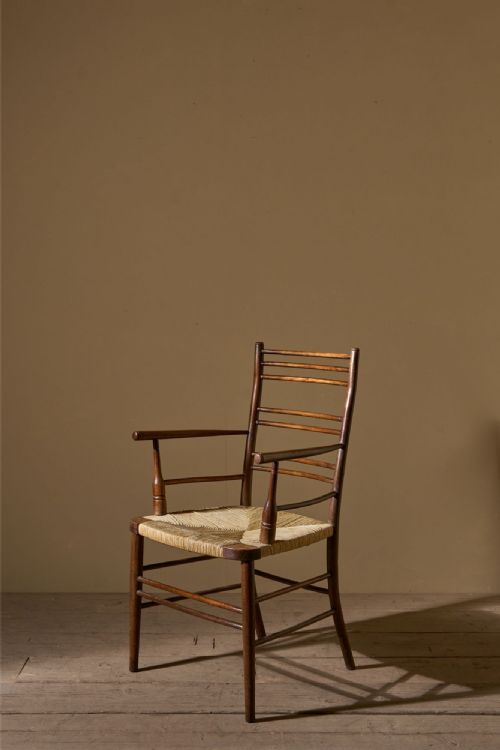
An edwardian rush chair brings together vernacular seating traditions and the simpler forms favoured during the early twentieth century. Most pieces you encounter here emerge from the Arts and Crafts movement or country workshops, featuring sturdy wooden frames paired with natural woven seats.
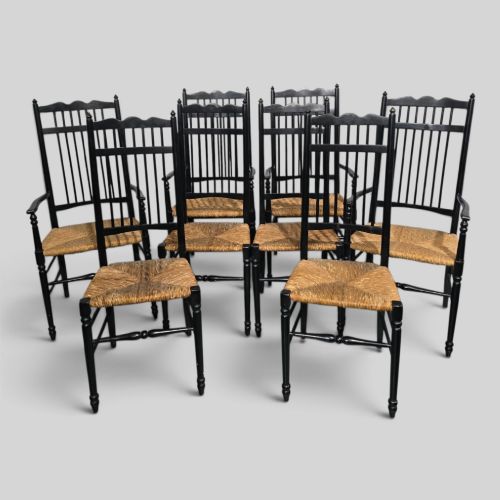
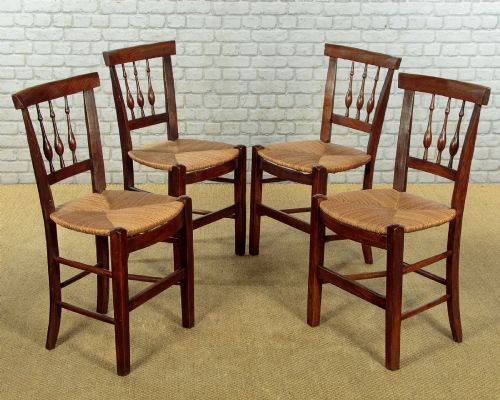
The selection encompasses various forms suited to different rooms, ranging from single dining chairs and side chairs to carvers, low armchairs, and corner chairs. Dining sets appear alongside individual kitchen armchairs and occasional pieces.
Makers and retailers such as Liberty, William Morris, and Heal are represented among the listings alongside uncredited country workshops. These pieces span the late nineteenth century through to the nineteen-twenties, reflecting enduring vernacular styles.
How they were made
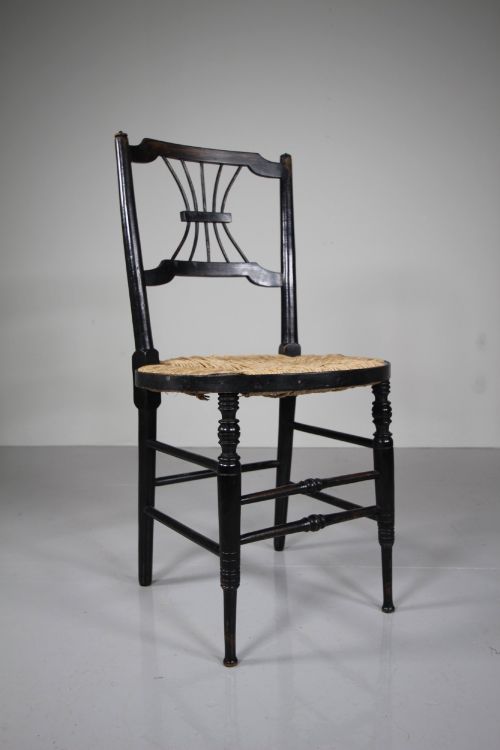
Frames are constructed predominantly from native timbers including oak, beech, and occasionally mahogany or ebonised wood. Some items incorporate marquetry inlay or ladder-back designs to articulate the woodwork.
Seats are woven by hand using natural rush materials, creating a durable and textured surface suspended within the wooden frame. Joinery relies on traditional methods to ensure stability across both dining chairs and heavier armchairs.
Edwardian Rush Chair Retail Price Guide 2026
Typical asking prices for edwardian rush chair among the pieces listed under this phrase on Sellingantiques today, from the lower quarter to the upper quarter. They describe what is for sale here now, not the wider market.
Some ladder-back chairs come in sets of ten, ready to seat a very large Victorian dinner party.
What varies in quality
The distinction between standard utility furniture and higher tier workshop production lies in the refinement of the timber and the tightness of the rush weaving. Marked pieces from established retailers command greater attention from collectors.
Condition varies from carefully restored examples retaining original surfaces to pieces showing heavier age-related wear. The integrity of the woven seat and the stability of the frame determine the overall standing of each piece.
William Morris·Liberty And Co·Heals
The Edwardian Rush Chair Glossary
- Rush
- A marsh plant used traditionally for weaving chair seats into a durable, patterned surface. It provides a flexible yet resilient platform for everyday seating.
- Ladder-back
- A chair design featuring horizontal slats or rails across the backrest. This form is common in vernacular and country seating traditions.
- Carver
- An armchair, traditionally placed at the head of a dining table, featuring supportive armrests. These pieces match the simpler side chairs in a dining set.
- Corner chair
- A seat designed specifically to fit into the corner of a room, often featuring a diagonal placement and a curved back rail supported by multiple posts.
- Ebonised
- Wood treated with a finish to imitate ebony, producing a dark, uniform appearance. This technique was frequently utilised during the late nineteenth and early twentieth centuries.
Edwardian Rush Chair: Frequently Asked Questions
Are these chairs comfortable for daily use?
The woven rush seats offer a surprisingly supportive and flexible surface that adapts well to sitting for moderate periods. Their ergonomic design reflects domestic practicality.
Pairing them with appropriate table heights ensures they function effectively as everyday dining or desk seating.
How do I clean a rush seat?
Natural rush requires gentle care to prevent the fibres from drying out or splitting over time. Using a soft brush attachment on a vacuum removes dust from the crevices.
Avoid soaking the material with water, wiping spills promptly with a barely damp cloth instead.
Can I mix these with modern furniture?
The understated timber frames and natural textures blend easily into contemporary interiors. They add warmth and historical contrast when placed alongside modern tables.
Single armchairs work well as occasional accent seating in living spaces or bedrooms.
How do I identify an Arts and Crafts piece?
Look for visible honesty in construction, simple ladder-back rails, and exposed timber grain rather than heavy ornamentation. Many pieces emphasise functional utility over decorative excess.
Associated maker marks or retailer stamps occasionally appear on the underside of the woodwork.