



Edwardian Ring Box
An edwardian ring box protects cherished small bands and keepsakes on a dressing table.
Edwardian Ring Box
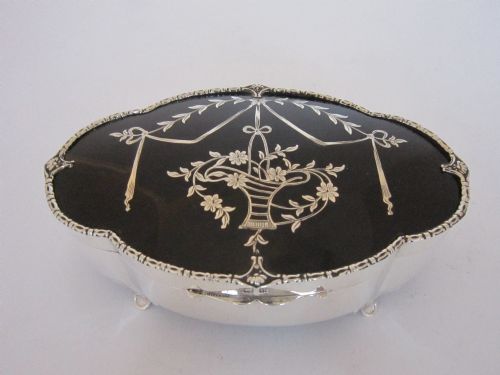
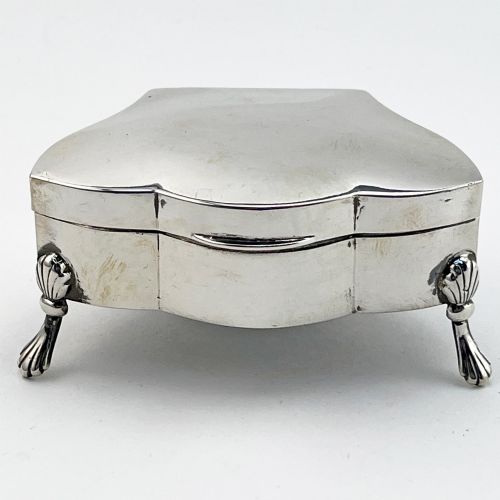
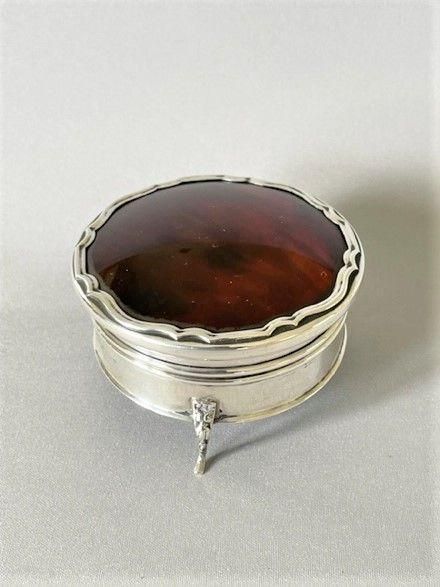
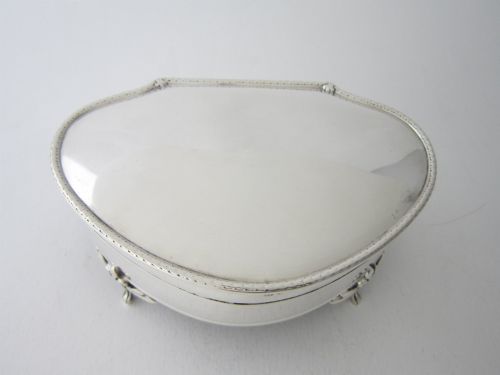
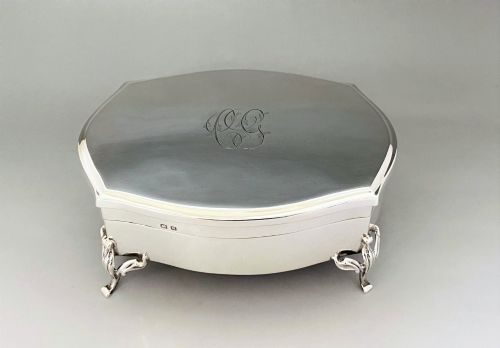
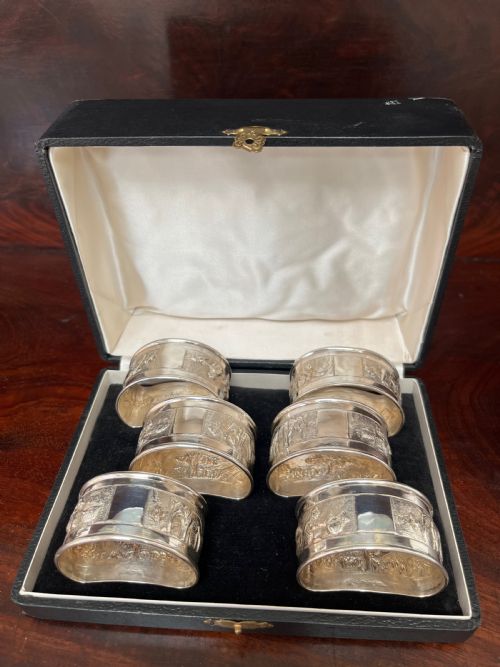
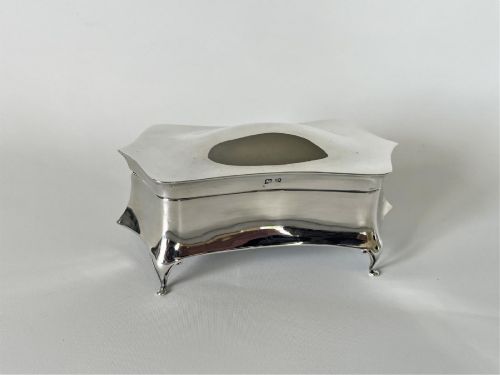
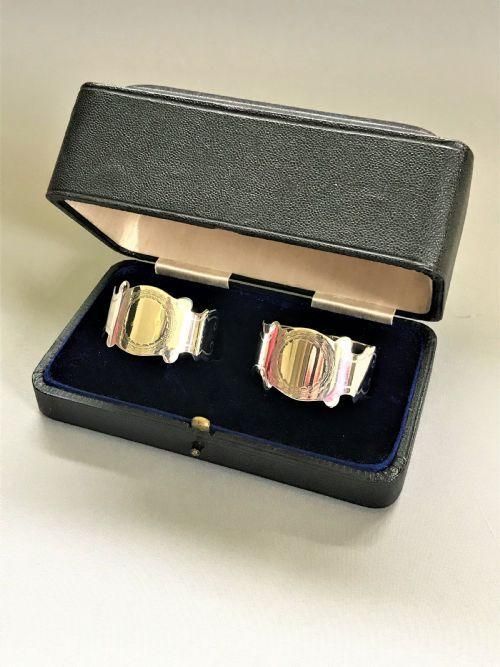
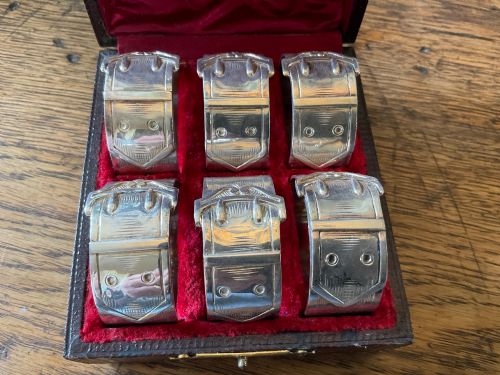
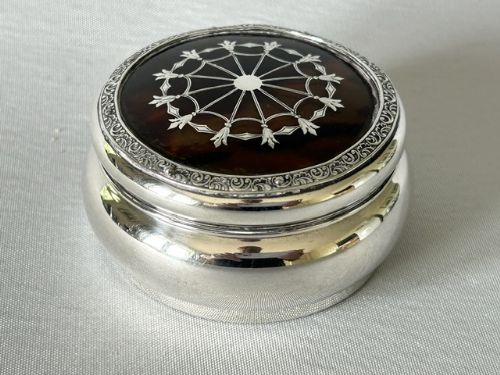
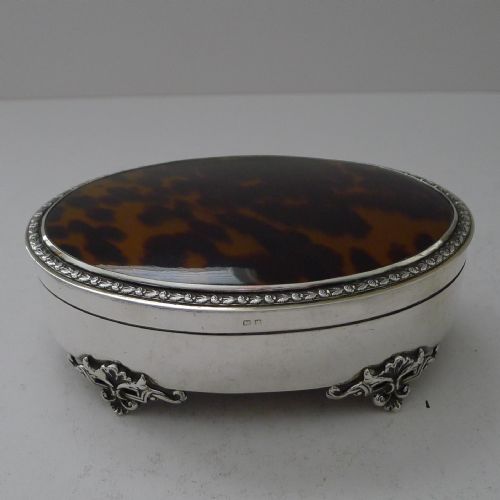
An edwardian ring box typically appears as a compact container designed specifically to hold small rings, often taking heart or oval shapes. These pieces emerge from the early twentieth century alongside broader dressing table wares.
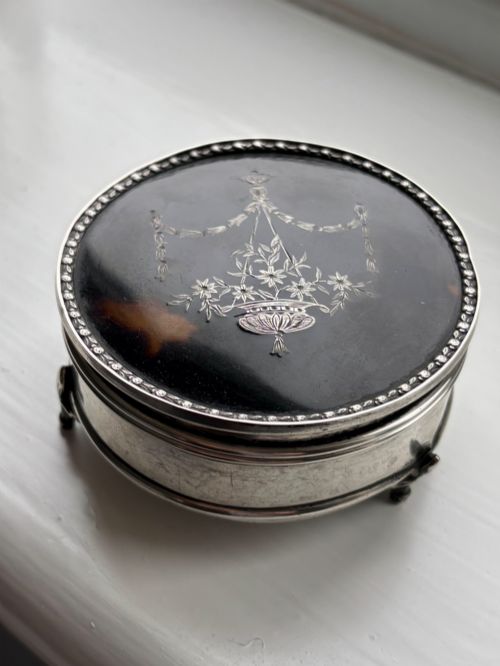
The selections encountered here span sterling silver, tortoiseshell, and silk lining, reflecting the domestic habits of the period. Makers also produced jewellery caskets and trinket boxes with similar decorative motifs.
Examples frequently carry hallmarks pointing to Birmingham, Chester, or London assay offices. The construction matches the broader output of Edwardian silversmiths who catered to dressing table elegance.
Quality Variations
Quality rests upon the crispness of the exterior silver relief and the integrity of any tortoiseshell inlay. Thicker gauge metal resists dents and maintains structural form over generations of use.
The condition of the internal silk or velvet lining heavily influences the overall appeal. Well preserved hinge mechanisms and clear assay office hallmarks distinguish superior workshop output.
Edwardian Ring Box Retail Price Guide 2026
Typical asking prices for edwardian ring box among the pieces listed under this phrase on Sellingantiques today, from the lower quarter to the upper quarter. They describe what is for sale here now, not the wider market.
Current listings feature sterling silver, tortoiseshell, and silk alongside Jugendstil and Art Nouveau styles.
Martin Hall And Co·Ollivant And Botsford·Asprey And Co·Erhard And Sohne·Ct Burrows And Sons·Tiffany And Co·William Comyns·Mappin And Webb·William Neale And Sons·Henry Williamson Ltd
The Edwardian Ring Box Glossary
- Hallmark
- Official stamps applied to precious metals indicating the assay office, maker, and year of testing. These marks provide the definitive date for silver items.
- Repoussé
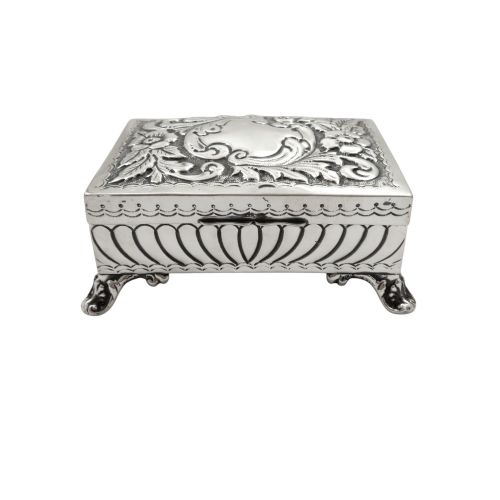
- A metalworking technique where the artisan hammers the design from the reverse side to form a raised relief on the front. This method creates decorative panels on box lids.
- Pique work
- Inlay technique involving tiny gold or silver pins pressed into tortoiseshell to form geometric or floral patterns. This delicate craft appears on luxury dressing table accessories.
- Sterling silver
- An alloy comprising ninety-two point five percent silver and seven point five percent other metals, mostly copper. This standard composition governs British silver manufacturing.
- Trinket box
- A small lidded container used for storing loose jewellery, pins, and personal keepsakes. These boxes match the scale of dedicated ring holders.
Edwardian Ring Box: Frequently Asked Questions
What is an edwardian ring box used for?
These small containers were designed to hold and protect valuable rings on a dressing table or vanity surface. The internal velvet or silk slots kept bands separated and safe from scratching.
Owners also used them overnight for daily wear jewellery pieces. Their compact size made them suitable for smaller rings and delicate bands.
How can I date an edwardian ring box?
Dating relies upon the stamped silver hallmarks located on the body or lid of the piece. These small marks reveal the specific assay office and the year letter corresponding to the maker's register.
Stylistic cues such as heart shapes or tortoiseshell panels also point towards the early twentieth century. Comparing the maker mark against historical records confirms the exact production era.
How do I care for silver and tortoiseshell?
Silver components benefit from gentle cleaning with a specialised soft cloth to remove natural tarnish. Avoid harsh chemical dips, especially when tortoiseshell or silk linings are attached.
Keep the boxes away from direct sunlight and excessive moisture to protect the fragile organic inlays. Storing them in stable room conditions preserves both the metal and the internal fabric.