

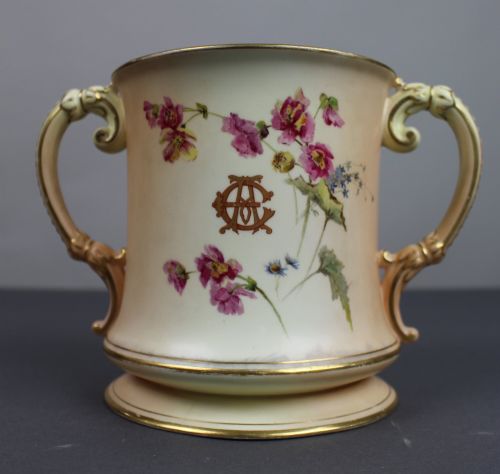


Edwardian Porcelain Cup
These Edwardian porcelain cup pieces bring fine ceramic artistry and delicate period charm to any table setting.
Edwardian Porcelain Cup
An edwardian porcelain cup encompasses delicate ceramic vessels produced during the early twentieth century and surrounding decades. Buyers searching for an edwardian porcelain cup encounter forms ranging from demitasse sets to loving cups and miniature tygs.
The selection includes tea services and coffee cups alongside cased sets from prominent English potteries. These pieces reflect the refined domestic habits and decorative tastes of the era.
Makers utilised fine bone china and standard porcelain, frequently pairing the white ceramic body with intricate hand-painted decoration. Such items served both functional dining purposes and decorative display within middle and upper class homes.
How they were made
Potteries shaped porcelain and bone china into cups, saucers, and specialised vessels before applying smooth glazes. Artisans then added detailed hand-painted motifs and rich gilding across the ceramic surface.
Gold leaf and gold gilt highlights were meticulously brushed onto handles, rims, and borders to accentuate the contours of each piece. Enamel details were frequently layered over the glaze to introduce vibrant colour and texture.
Specialised items like cased sets involved fitting the finished porcelain alongside matching saucers or spoons within lined presentation boxes. This manufacturing approach combined ceramic firing with careful decorative finishing.
Edwardian Porcelain Cup Retail Price Guide 2026
Typical asking prices for edwardian porcelain cup among the pieces listed under this phrase on Sellingantiques today, from the lower quarter to the upper quarter. They describe what is for sale here now, not the wider market.
Listings feature porcelain, bone china, gold leaf, and enamel across periods spanning the Victorian era through the nineteen forties.
What varies in quality
The standard of an edwardian porcelain cup is determined by the precision of the hand-painted artwork and the purity of the ceramic body. Pieces featuring intricate brushwork and delicate floral or pictorial subjects stand apart from simpler glazed wares.
The application of gold leaf and gilding dictates the overall refinement of the piece, with thicker, more consistent burnished gold indicating superior execution. Preservation of the original gilding and enamel without rubbing enhances desirability.
The completeness of sets, such as matched demitasse groups or original presentation cases, influences the character of the surviving object. Maker attribution also plays a role, with established factories achieving greater consistency in body thinness and translucency.
Coalport·Royal Worcester·Hadley Worcester·Royal Crown Derby·Picards·Wedgwood
The Edwardian Porcelain Cup Glossary
- Bone china
- A type of porcelain incorporating bone ash, known for high strength, chip resistance, and a warm white translucency. It allowed makers to produce thinner walls than standard hard-paste porcelain.
- Demitasse
- A small cup used to serve Turkish coffee or espresso, typically holding about half the volume of a standard tea cup. These diminutive vessels frequently appear in cased sets with matching saucers.
- Gilding
- The application of gold leaf or gold powder to the ceramic surface to create metallic highlights and borders. Artisans often burnished the fired gold to achieve a bright, reflective shine.
- Tyg
- A large drinking vessel featuring multiple handles designed for passing around a table among guests. Miniature versions also exist primarily as decorative cabinet pieces.
- Enamel
- Opaque vitreous material fused to the ceramic surface through firing to add raised coloured decoration. It provides durable polychrome patterns that resist fading over time.
Edwardian Porcelain Cup: Frequently Asked Questions
How do I clean my edwardian porcelain cup?
Wash these fragile ceramic pieces gently by hand using mild soap and lukewarm water. Avoid abrasive sponges and dishwashers to protect delicate hand-painted enamel and gold leaf details.
Dry each piece promptly with a soft linen cloth to prevent water spots on the glazed surface. Proper handling ensures the historic gilding remains intact for years to come.
Can I use these cups for daily tea?
While these items were originally made for dining use, their age and delicate bone china construction suggest careful handling. Many collectors prefer to reserve them for occasional display or gentle service.
Thermal shock from boiling water poured directly into cold antique porcelain can cause hairline cracks. Warming the cup gradually helps protect the historic ceramic body.
What is the difference between a teacup and a demitasse?
A demitasse is significantly smaller than a standard teacup and is specifically designed for serving strong coffee. They often accompany matching saucers within fitted presentation boxes.
Standard tea cups feature wider bowls suited for infusions with milk and sugar. Both forms showcase the delicate painting styles characteristic of early twentieth century ceramics.
How do I identify a Royal Worcester piece?
Look underneath the base for factory backstamps, date codes, and impressed ciphers that indicate the year of manufacture. Worcester pieces frequently feature specific pattern names or artist signatures near the footrim.
Blush ivory grounds and hand-painted floral motifs are also strong stylistic indicators of this factory's output. Comparing the mark against standard reference guides confirms the exact production period.