
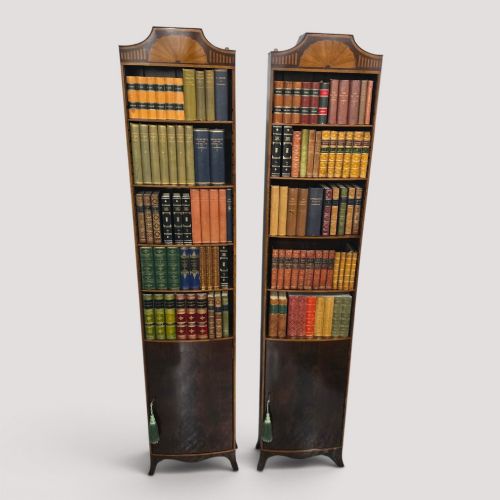
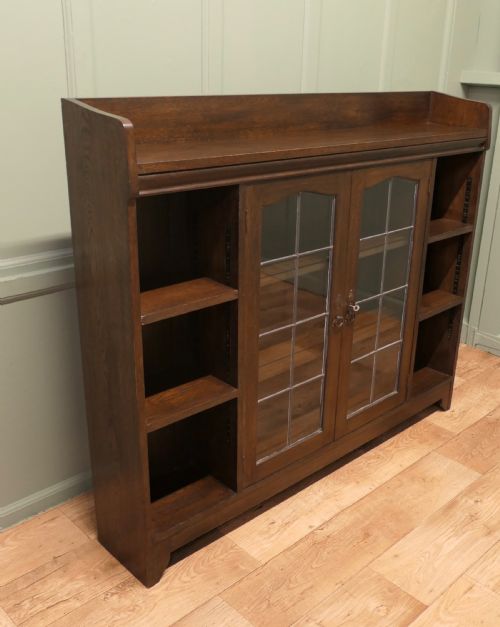
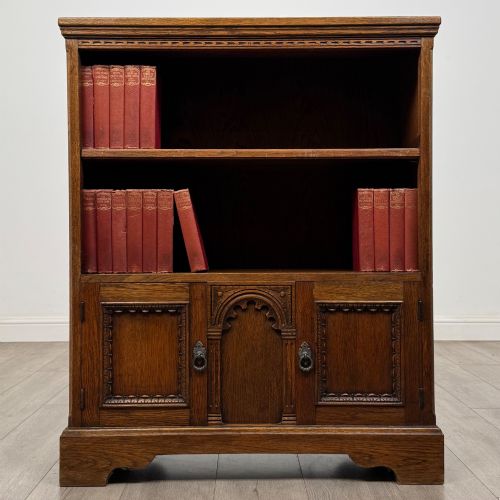
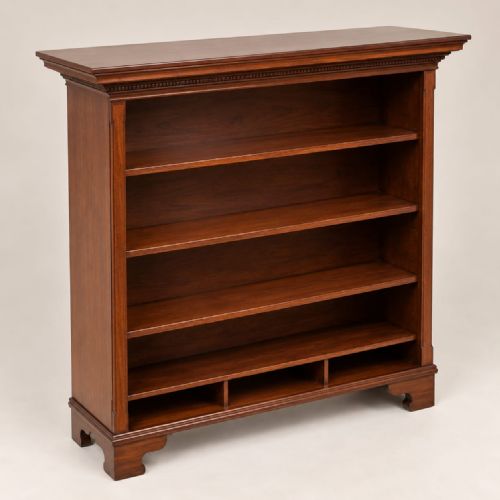

Edwardian Open Book Cabinet
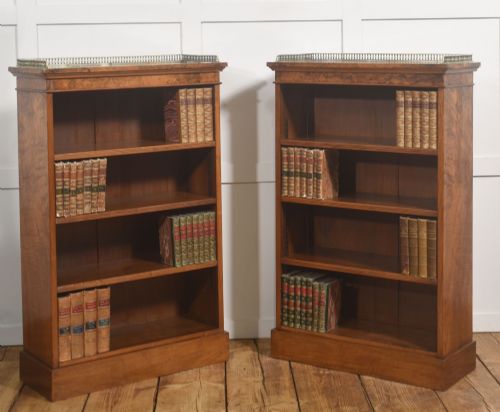
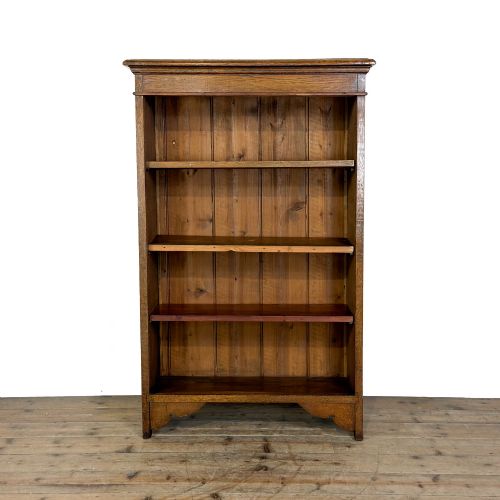
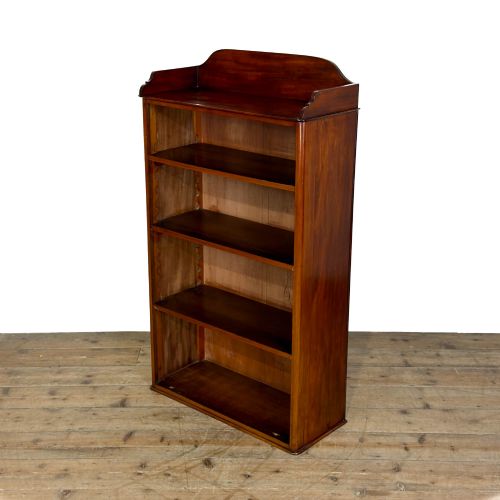
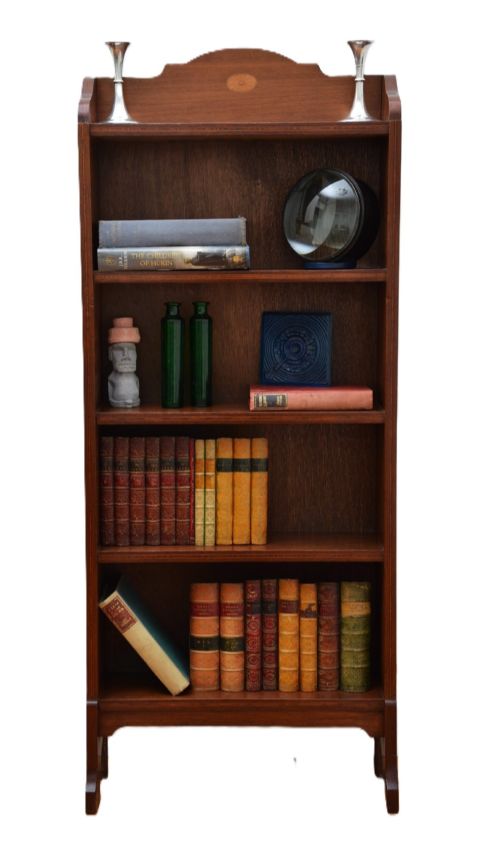
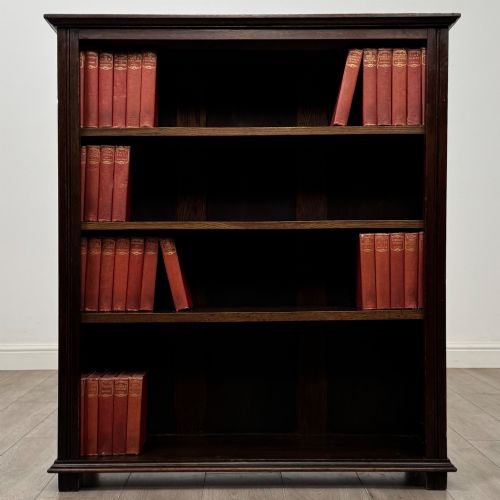
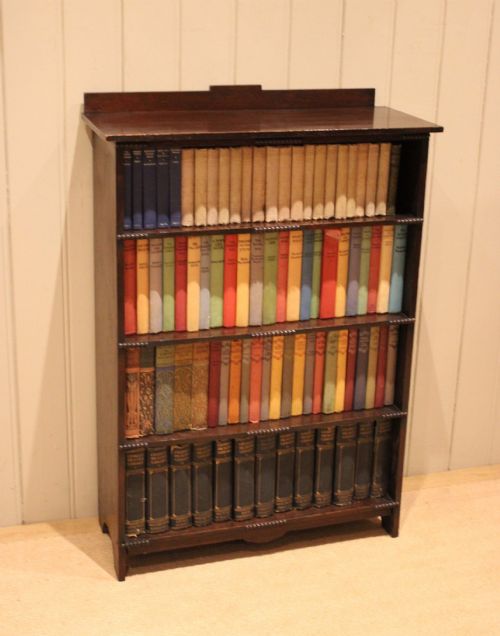
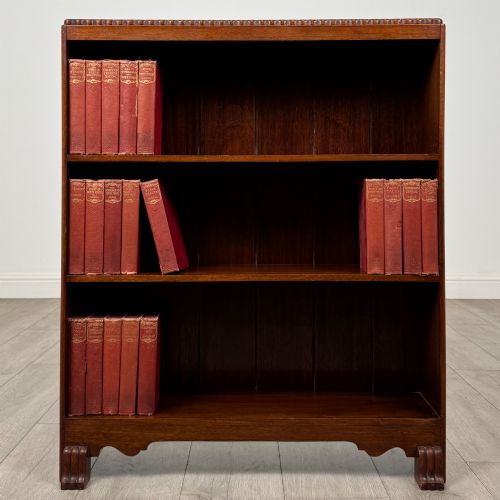
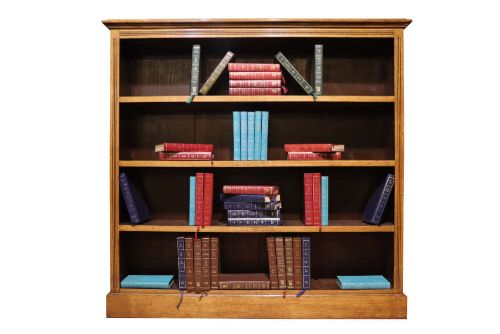
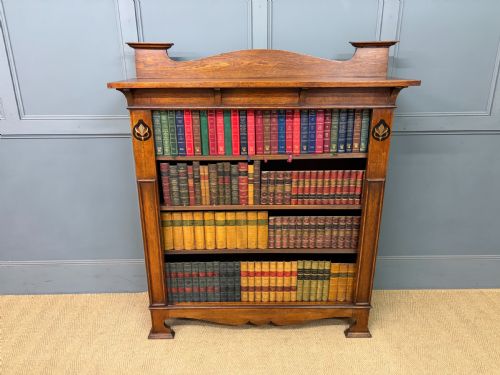
An edwardian open book cabinet provides accessible shelving for a collection of volumes while anchoring a room with period timber.
Edwardian Open Book Cabinet
When you search for an edwardian open book cabinet, you encounter pieces designed to hold volumes without glass doors, often featuring adjustable shelves for varying book heights. The most common examples on this page are constructed from oak or mahogany, aligning with the domestic tastes of the early twentieth century.
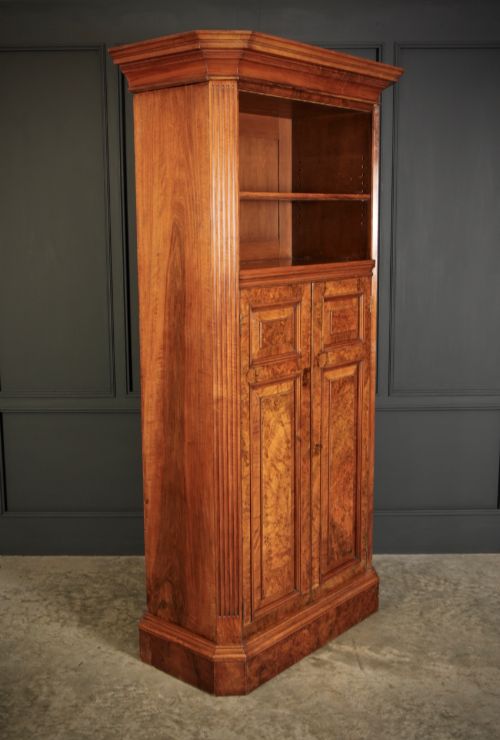
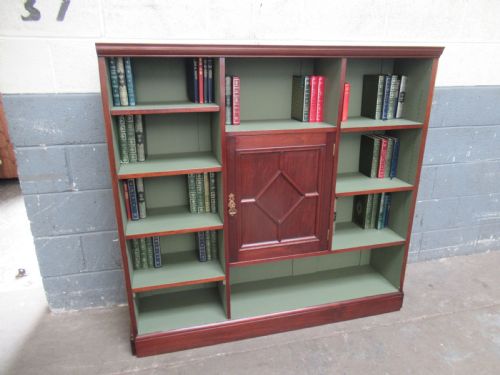
The form ranges from small, neat proportions suitable for bedside use to taller freestanding library furniture and breakfront designs. Alongside Edwardian pieces, the selection includes related Victorian and Arts and Crafts examples that share the open shelving layout.
Many of these cabinets incorporate functional variations such as lower cupboards, drawers, or graduated tiers in the manner of waterfall bookcases. The overarching characteristic is an unglazed front that places the contents directly on display within the room.
Assessing quality in construction and design
The distinction between standard examples and finer pieces rests on the selection of timber and the execution of decorative details. Finer cabinets display carefully matched mahogany or burr walnut veneers, precise inlaid friezes, and thoughtful integration of brass hardware.
Structural integrity also separates the range, visible in the joinery of the shelving and the stability of freestanding bodies. Pieces that incorporate functional drawers, lower cupboards, or specialised configurations like breakfronts demand a higher degree of joinery skill.
Listings span multiple decades, incorporating mahogany, oak, walnut, and specialist variations in marquetry and brass.
Shapland & Petter
The Edwardian Open Book Cabinet Glossary
- Waterfall bookcase
- A tiered shelving unit where each successive shelf steps back from the one below it. This form creates a sloping profile reminiscent of descending water.
- Breakfront
- A cabinet design where the central section projects forward from the flanking wings. This architectural arrangement adds depth and visual rhythm to the piece.
- Inlaid frieze
- A decorative horizontal band on the upper portion of a cabinet ornamented with contrasting wood veneers or materials. It draws the eye across the top structure of the bookcase.
- Beaded edge
- A narrow, rounded moulding run along the edge of shelving or framing timber. This detail softens hard angles and catches the light.
- Adjustable shelves
- Internal boards supported by movable pegs or ratchets rather than fixed housings. This adaptability accommodates volumes of varying heights.
Edwardian Open Book Cabinet: Frequently Asked Questions
How do I style an open cabinet?
Arrange books vertically and horizontally to create visual weight, leaving space for small decorative objects.
Keep shelves uncluttered to let the timber grain and proportions of the cabinet remain the focal point.
Were these cabinets used only for books?
While designed primarily for libraries and sitting rooms, many versions served as display space for ceramics and papers.
Examples with lower cupboards or drawers also provided concealed storage for household items.
How do I adjust the shelving?
Most period versions utilise wooden or metal support pins inserted into vertical rows of holes inside the cabinet walls.
Simply lift the shelf clear of the pins, reposition the supports to the desired height, and reset the board level.
Can these cabinets stand away from a wall?
Freestanding models are finished on the sides and front, but many traditional bookcases feature plain backboards intended to face a wall.
Check the back panel construction before placing a cabinet in the middle of a room.