



Edwardian Living Room Tables
Edwardian living room tables combine practical utility with refined cabinetmaking, offering versatile surfaces that suit modern interiors just as well as traditional ones.
Edwardian Living Room Tables
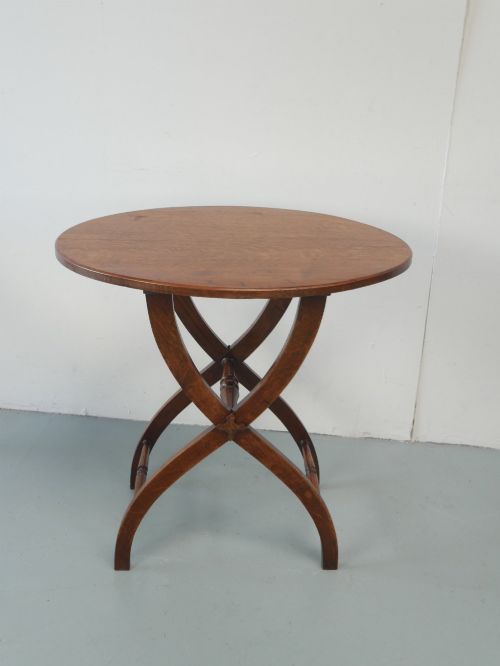
Edwardian living room tables encompass a diverse range of secondary furniture designed for domestic sitting rooms, including nests of tables, occasional tables, and coffee tables. Buyers searching for edwardian living room tables will encounter various forms spanning the Edwardian period alongside associated Victorian and later traditional revivals.
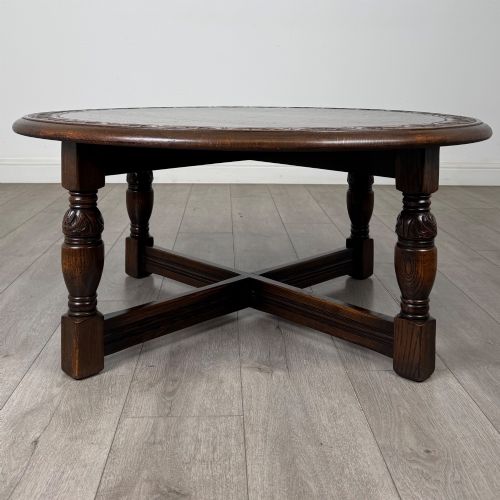
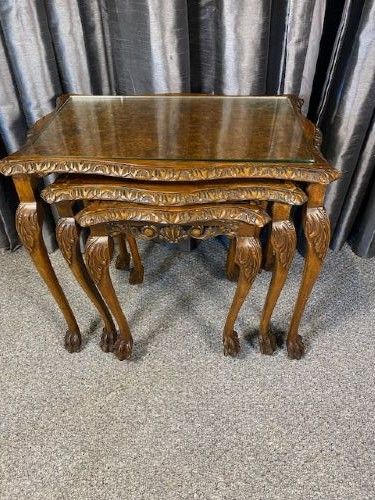
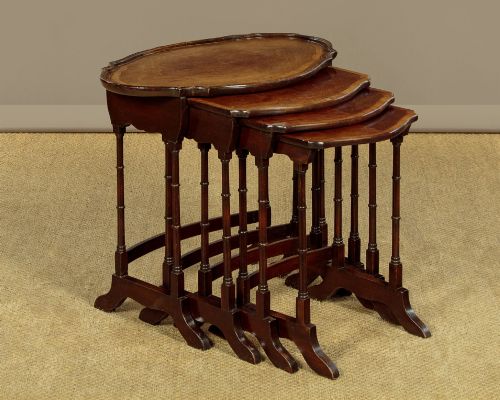
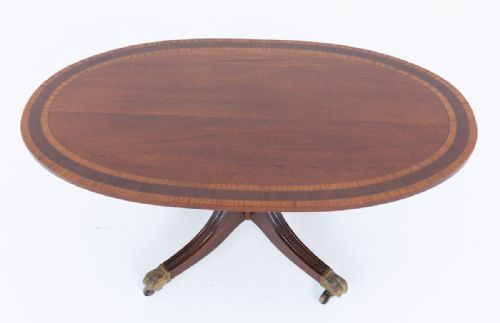
Nests of tables represent a dominant form within these listings, frequently constructed in sets of three or four graduating sizes that slide beneath one another. These portable pieces appear alongside round oak coffee tables, oval occasional tables, and occasional tables featuring dual tiers or inlaid satinwood decoration.
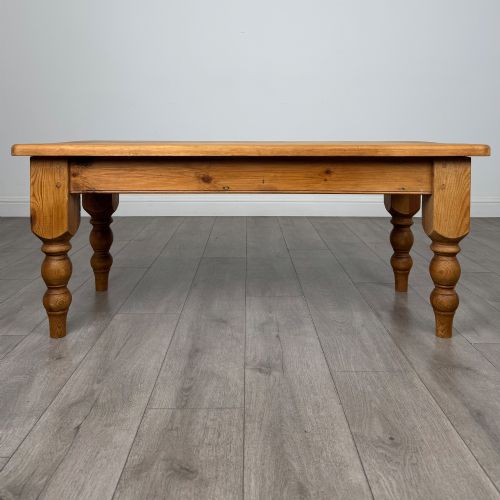
Materials and stylistic influences range from mahogany and walnut to oak and pine farmhouse variants. Pieces often incorporate revived design idioms such as Sheraton Revival and Queen Anne Revival alongside simpler vernacular forms.
Materials and construction techniques
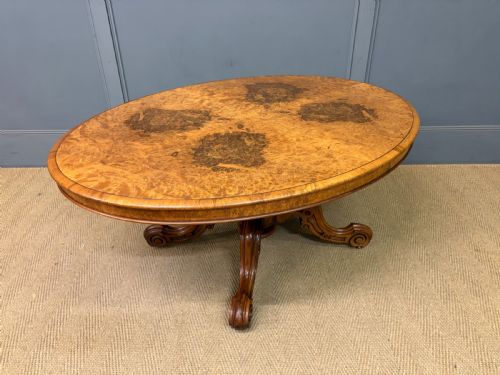
Cabinetmakers utilised primary hardwoods including mahogany, walnut, and oak for frames, tops, and structural supports. Burr walnut veneers and satinwood inlay provided contrasting decorative surfaces on select refined tables.
Secondary materials such as brass fittings and glass inserts appear in specific configurations, while turned legs, carved details, and shaped tops demonstrate standard woodworking methods of the period.
Edwardian Living Room Tables Retail Price Guide 2026
Typical asking prices for edwardian living room tables among the pieces listed under this phrase on Sellingantiques today, from the lower quarter to the upper quarter. They describe what is for sale here now, not the wider market.
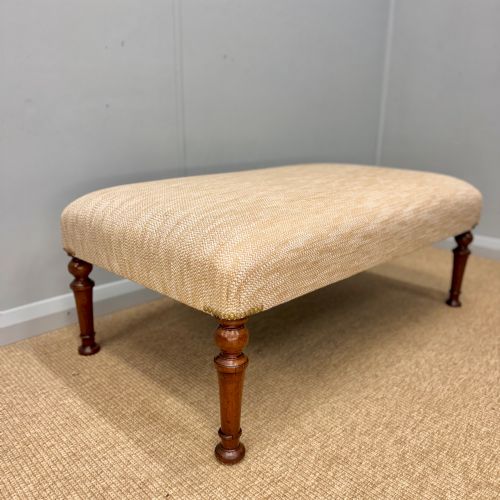
Chenille upholstery occasionally joins the wooden surfaces, adding a tactile textile element to the room.
Assessing quality and execution
Quality reveals itself in the selection of timber grains, particularly where burr walnut or figured mahogany veneers are employed. Finer examples display precise satinwood inlay and clean joinery on nested frames.
The integration of decorative elements like carved legs or shaped tops separates standard utility furniture from more ambitious pieces produced during the Edwardian era and its surrounding decades.
The Edwardian Living Room Tables Glossary
- Quartetto
- A set of four small tables designed to nest together. This term frequently describes nesting tables originating from the late nineteenth and early twentieth centuries.
- Suthenland table
- A narrow drop-leaf table featuring folding flaps supported by swinging gate legs. It was designed to occupy minimal space when closed.
- Occasional table
- A small, lightweight movable table intended for auxiliary use within a room. These pieces take various forms including two-tier designs and occasional tables with inlaid surfaces.
- Burr walnut
- Timber taken from a walnut tree growth containing distorted grain patterns. It is sliced into veneers to create decorative table surfaces.
Edwardian Living Room Tables: Frequently Asked Questions
How were occasional tables used?
Occasional tables served multiple purposes in period sitting rooms, holding lamps, books, or tea services. Their portability allowed them to be moved around the room as required.
Two-tier versions offered additional storage space on a lower shelf beneath the primary surface.
How do I identify Edwardian styles?
Edwardian furniture often draws inspiration from earlier eighteenth-century designs, featuring lighter proportions than heavy Victorian pieces. Look for Sheraton Revival details such as satinwood inlay and tapered legs.
Woods like mahogany and walnut predominate in formal reception room furniture from this era.
Are these tables suitable for modern homes?
Their compact dimensions and functional designs make these tables practical for contemporary living spaces. Nests of tables offer flexible surface area without permanent footprint.
Mixing antique occasional tables with modern upholstery creates a layered, collected interior.