



Edwardian Crystal Waterfall Light
An edwardian crystal waterfall light brings tiered brilliance and cascading glass prisms into a room, offering a focal point for high ceilings.
Edwardian Crystal Waterfall Light
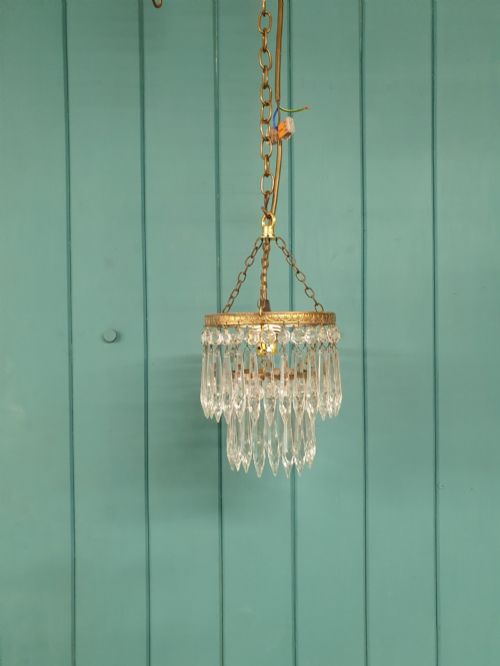
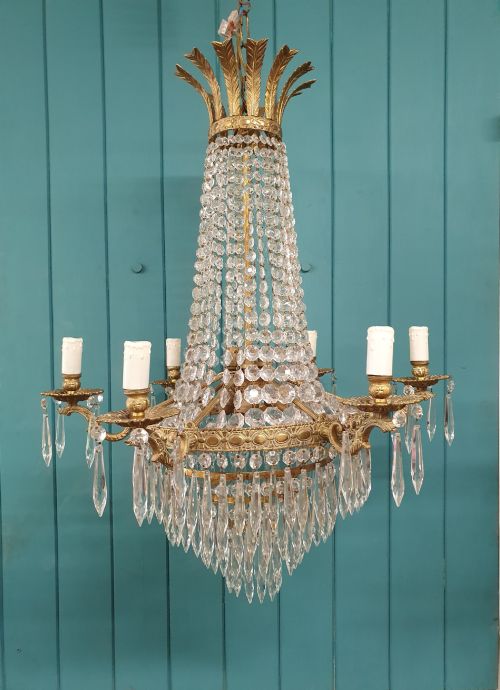
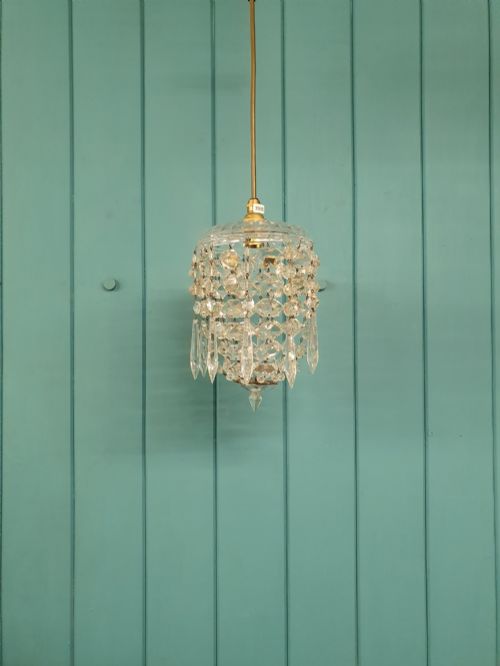
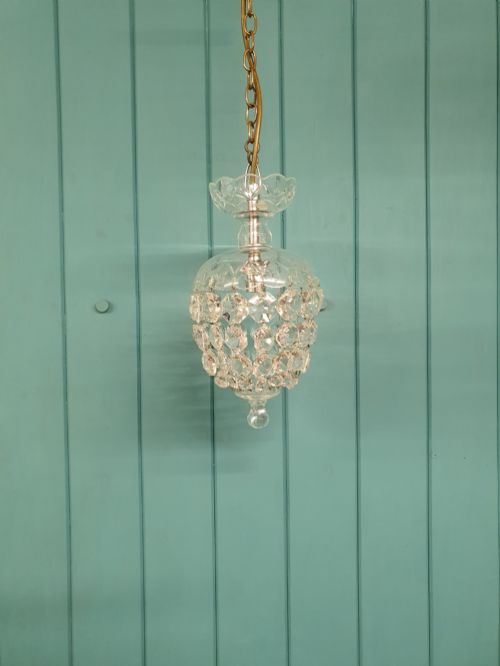
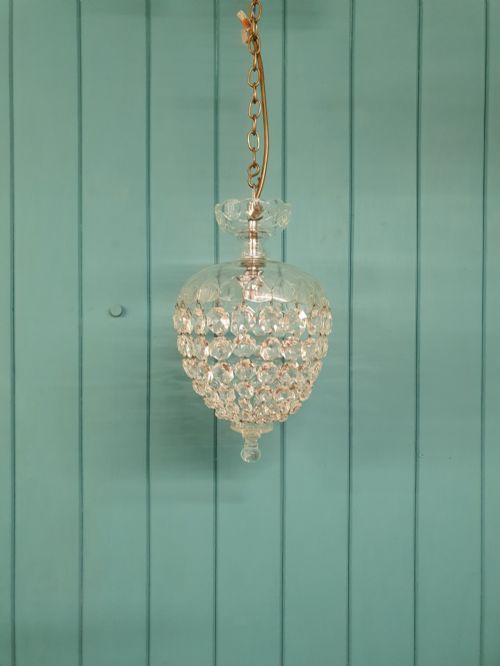
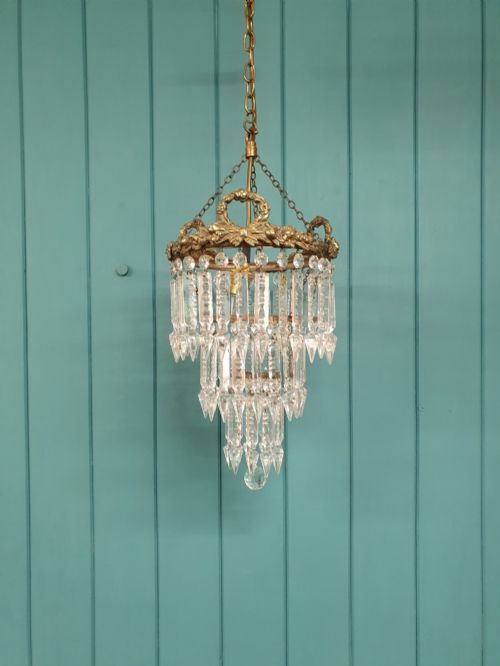
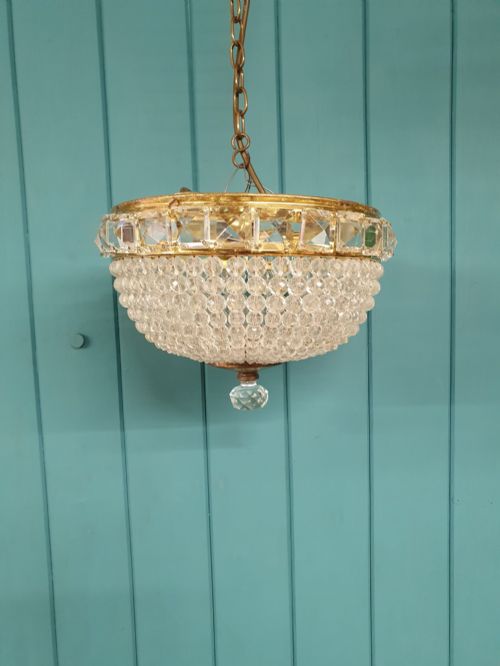
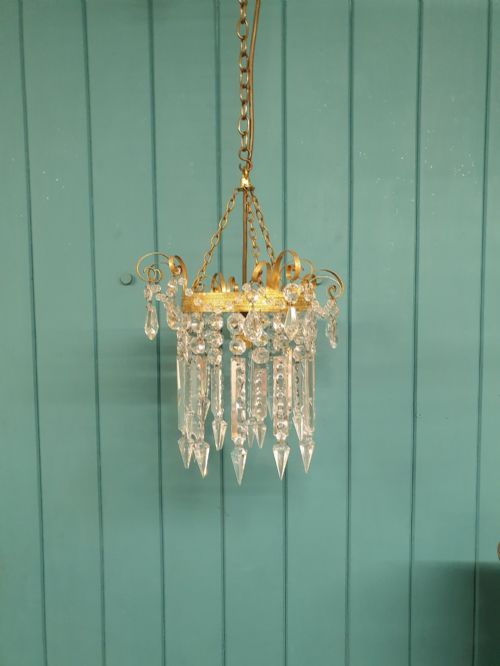
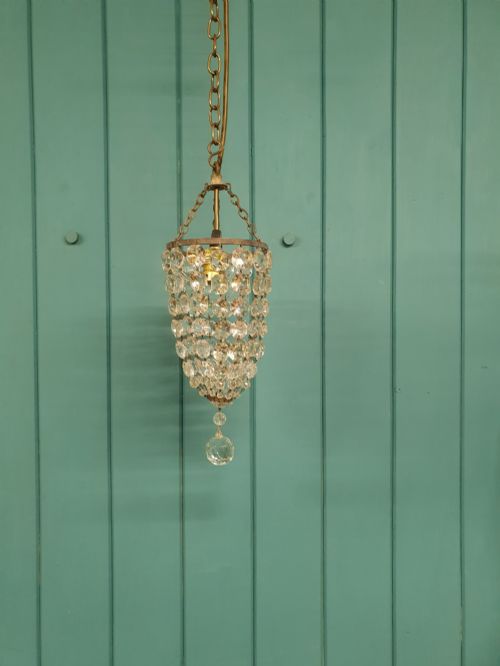
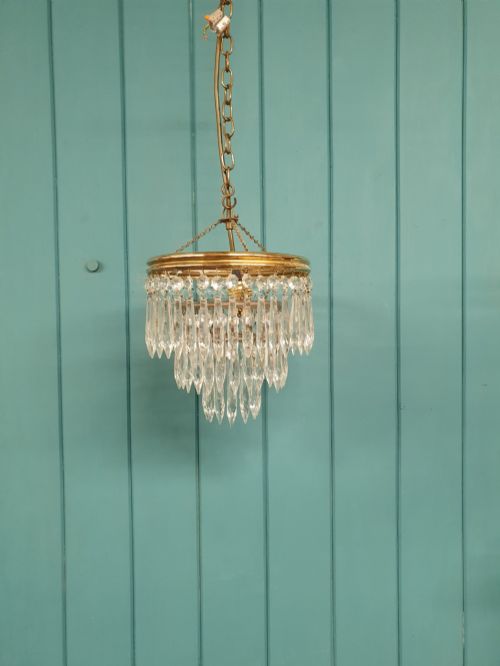
An edwardian crystal waterfall light encompasses a range of cascading forms, from dome top chandeliers and bag chandeliers to multi-tiered basket fixtures. The listings show these pieces frequently appearing in Edwardian and early twentieth century styles, alongside French Empire and Regency influences.
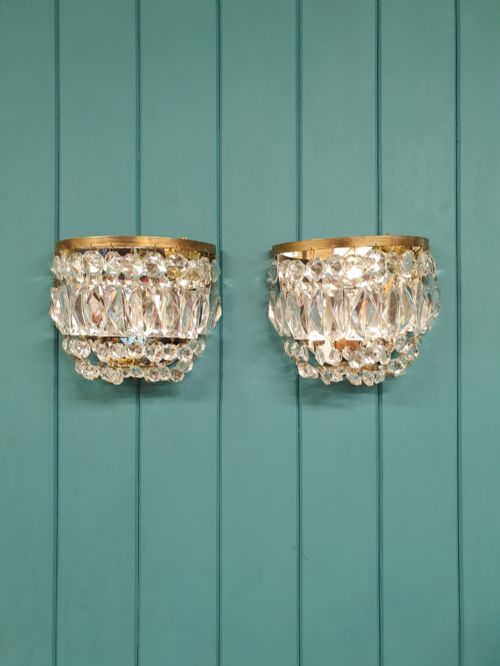
Buyers will encounter pendant lights, wall lights and ceiling fixtures featuring brass mounts and intricate glass drops. The forms span compact single light pieces to larger multi-tier designs incorporating spikes, swags and lustres.
Factors of Quality
Quality rests in the clarity and cutting of the crystal drops, where sharper facets yield superior light refraction compared to plain moulded glass. The density and weight of the brass mounts also indicate the standard of production.
The complexity of the tiering and the completeness of original glass swags, drops and lower bag sections determine the integrity of the piece. Matching components and intact wire bindings show careful historical maintenance.
Listings span periods from eighteen eighty to nineteen thirty, showing brass, wire, metal, cut glass and crystal materials across ceiling lights and wall fixtures.
The Edwardian Crystal Waterfall Light Glossary
- Bag chandelier
- A light fixture featuring a rounded upper tent that tapers down into a gathered bag shape filled with crystal drops. This construction directs illumination across lower glass prisms.
- Lustre
- A cut glass or crystal pendant hung from a lighting fixture to catch and reflect light. These elements dangle from the arms and tiers of the frame.
- Spike
- A pointed glass or crystal terminal suspended beneath a chandelier to finish the lower cascade. They anchor the visual weight at the base of the fixture.
- Tent and bag
- A combination form featuring an upper umbrella-like canopy connected by glass strings to a lower gathered basket. This layout creates the distinct waterfall silhouette.
Edwardian Crystal Waterfall Light: Frequently Asked Questions
Where should I hang a waterfall light?
These fixtures suit hallways, high-ceilinged reception rooms or above dining tables where their vertical drop can be appreciated.
Ensure adequate ceiling height so the cascading tiers hang safely clear of traffic paths while serving as a central feature.
How do I clean an antique crystal chandelier?
Use a mild solution of warm water and washing-up liquid applied gently with a soft cloth to individual glass pieces.
Avoid harsh chemical sprays that can damage the underlying brass framework and weaken the antique wire bindings.
Are these lights compatible with modern wiring?
Many period fixtures retain older internal components that require professional rewiring to meet current electrical safety standards.
A qualified electrician can adapt the bulb holders and ceiling connections while preserving the exterior brass and crystal structure.
How do I identify an Edwardian piece?
Look for specific combinations of brass mounts, cut glass tent sections and lower bag configurations typical of the early twentieth century.
The integration of specific lustre drops and spike terminals often points toward the Edwardian and nineteen-thirties stylistic overlap.