

Edwardian Blue Necklace
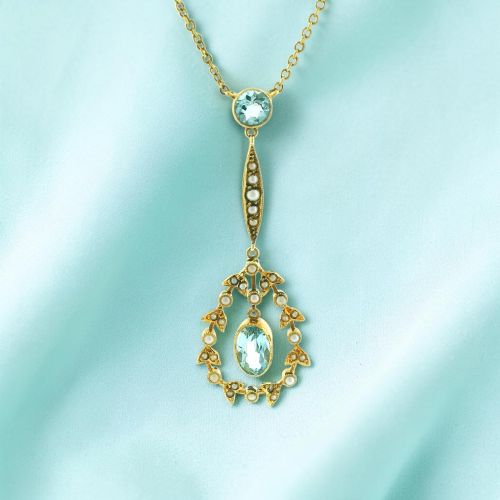
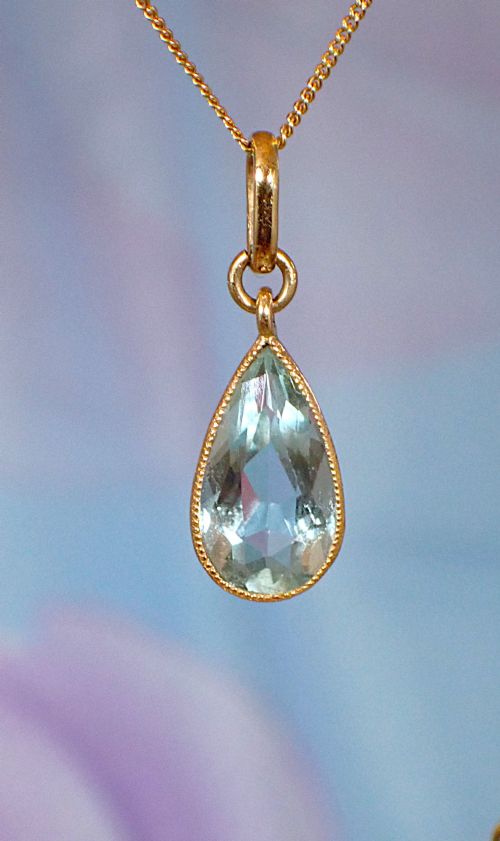
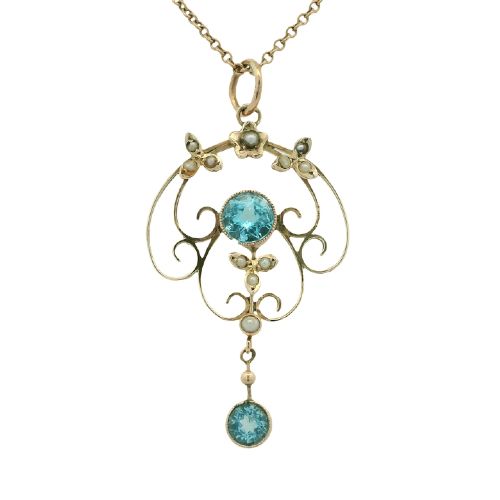
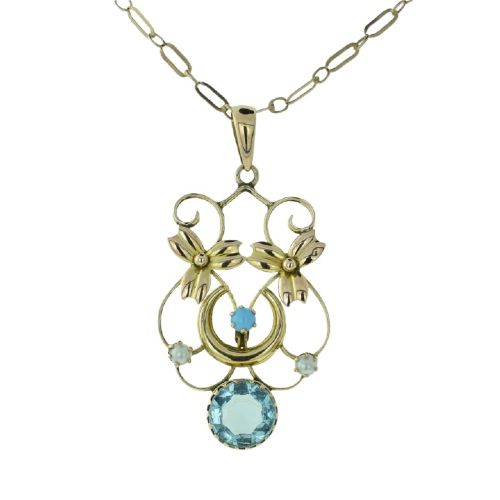
When you search for an edwardian blue necklace, you enter a sphere of delicate gold frames, pale aquamarines, and rich sapphires made to catch the low gaslight of the early twentieth century.
Edwardian Blue Necklace
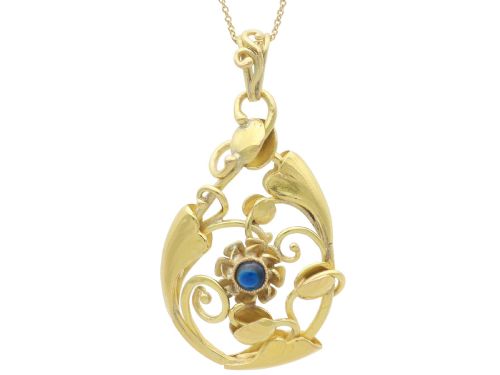
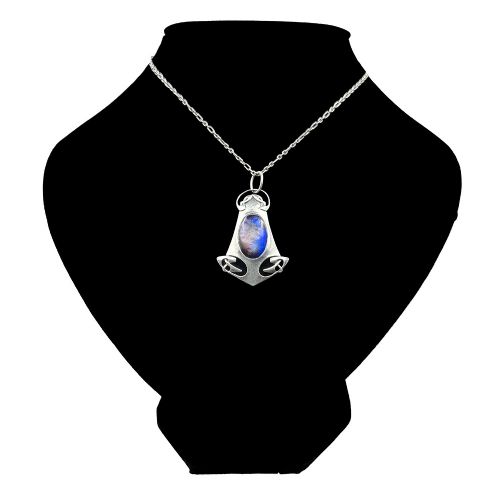
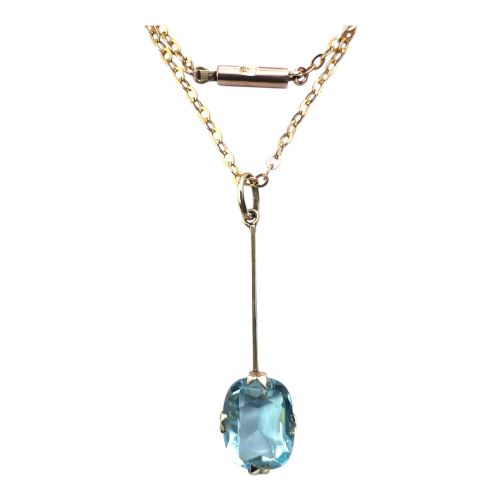
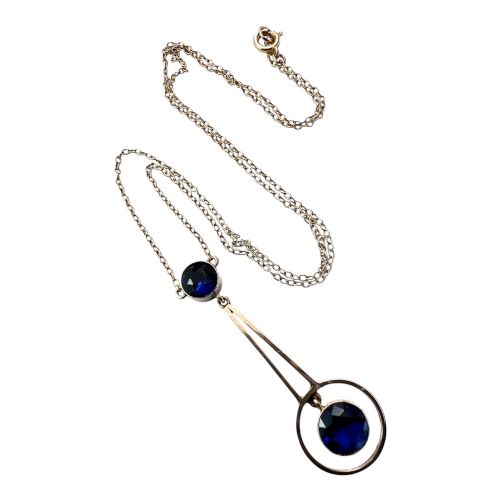
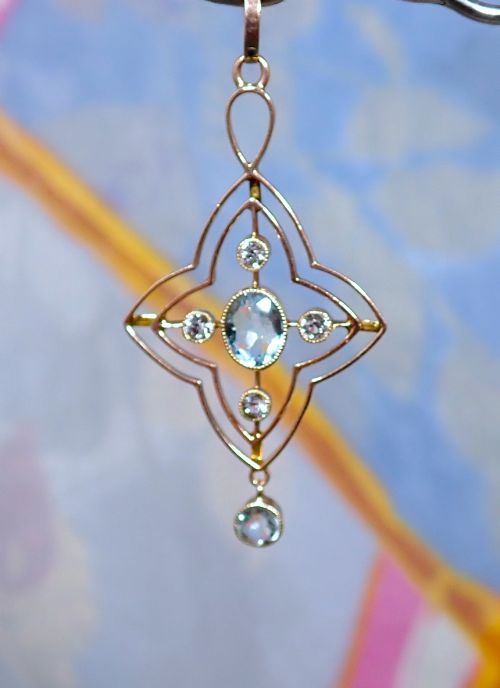
An edwardian blue necklace typically presents as a pendant or drop configuration suspended from a fine chain, heavily influenced by the graceful curves of Art Nouveau and the structured geometry of Arts and Crafts design.
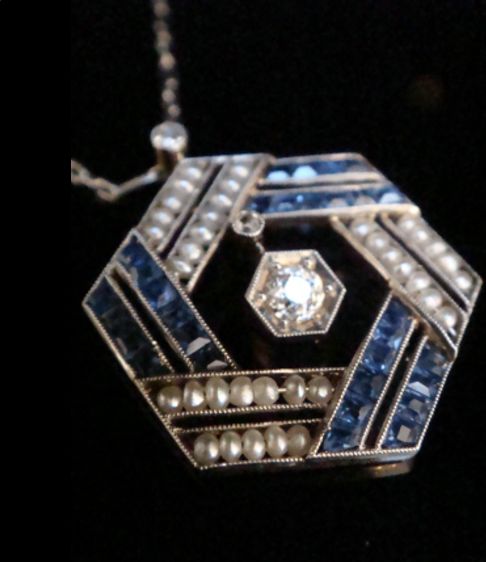
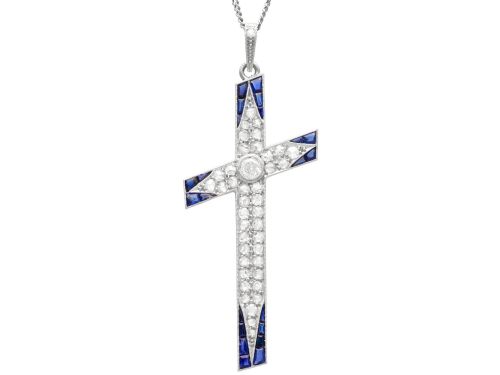
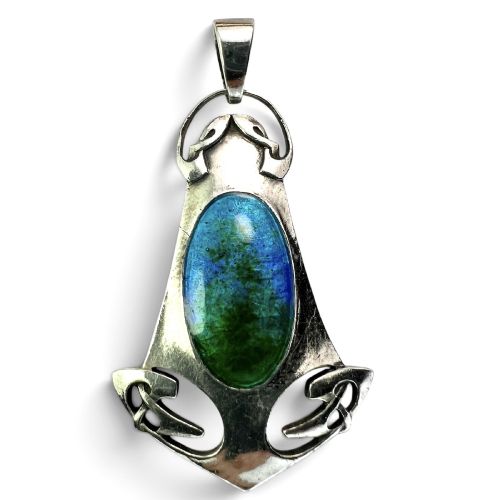
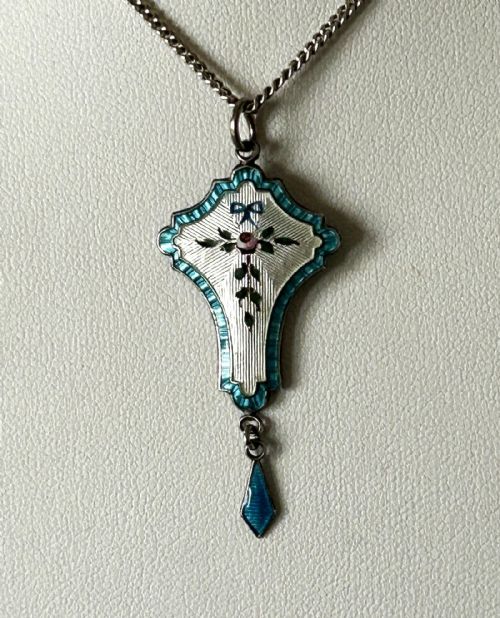
The pieces appearing under an edwardian blue necklace search span the opening decades of the twentieth century, bringing together pale blue aquamarines, deep blue sapphires, and vitreous enamel set against lighter gold alloys or silver.
While many examples date strictly to the Edwardian period or the surrounding 1900 to 1910 bracket, the listings also encompass earlier Victorian interpretations and later adaptations that share the same characteristic palette.
Materials and construction
Goldsmiths of the period utilised nine-carat, fifteen-carat, and eighteen-carat yellow and rose gold alongside platinum and sterling silver to fabricate intricate, lightweight wirework and pierced galleries.
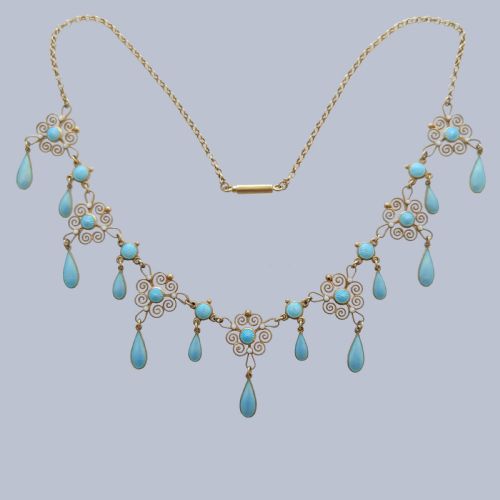
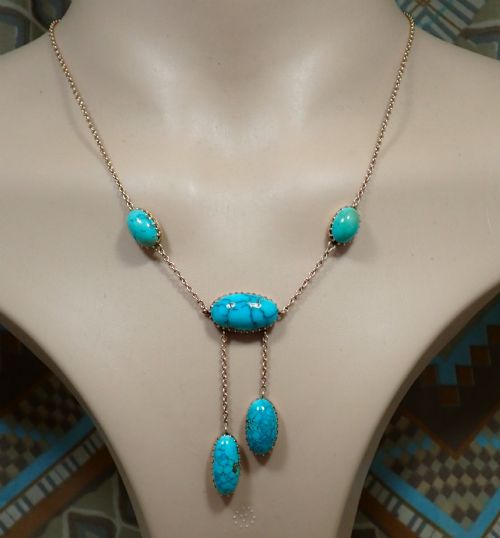
Blue stones such as aquamarine, sapphire, topaz, and turquoise were frequently paired with seed pearls, diamonds, and vibrant blue enamel, held in collet or claw settings designed to maximise light passage.
Edwardian Blue Necklace Retail Price Guide 2026
Typical asking prices for edwardian blue necklace among the pieces listed under this phrase on Sellingantiques today, from the lower quarter to the upper quarter. They describe what is for sale here now, not the wider market.
Listings combine Edwardian items with Victorian, Art Nouveau, and Arts and Crafts examples, utilising aquamarine, sapphire, enamel, and seed pearl.
Assessing quality
The distinction between ordinary and exceptional examples rests upon the crispness of the hand-craftsmanship in the metalwork and the originality of the matching chain and pendant drop.
Superior pieces display stones with strong saturation or clear crystallisation securely housed within balanced, harmonious mounts that reflect the specific design ethos of makers associated with the era.
Archibald Knox·Liberty and Co·Murrle Bennett·Dorrie Nossiter
The Edwardian Blue Necklace Glossary
- Negligee necklace
- A necklace featuring two unequal drops suspended from a central motif or bow, popular during the Edwardian era. This style creates a fluttering vertical movement against the wearer's chest.
- Seed pearl
- A tiny, naturally occurring or early cultured pearl, often un-drilled or half-drilled for mounting on fine wire. These small pearls provide a delicate, luminous border around coloured gemstones.
- Vitreous enamel
- A material made by fusing powdered glass to a substrate by firing, resulting in a smooth, coloured glassy surface. It was heavily employed in Arts and Crafts jewellery for vivid blue shading.
- Festoon necklace
- A necklace featuring draped chains, swags, or garlands suspended across the collarbone. This design often incorporates suspended gemstone drops or fringes.
- Collet setting
- A collar of metal that encircles the girdle of a gemstone to hold it in place. It offers a clean, low-profile alternative to prong settings.
Edwardian Blue Necklace: Frequently Asked Questions
How do I identify an Edwardian piece?
Edwardian pieces generally employ lighter metals like nine-carat gold, platinum, and silver alongside pale aquamarines, seed pearls, and intricate openwork. The designs favor garland motifs, light filigree, and flowing lines.
By contrast, Victorian pieces often feature heavier gold settings and deeper coloured stones, while Art Deco work introduces strict geometric symmetry.
Are these necklaces supplied with original chains?
Many listings include period-appropriate or matched chains alongside the pendants, though antique chains were frequently swapped or upgraded by previous owners over the decades.
Reviewing each individual description will confirm whether the pendant retains its original accompanying chain or is paired with a later replacement.
How should I care for antique enamel?
Antique enamel is essentially coloured glass fused to metal, meaning it requires protection from sharp impacts, harsh chemical dips, and ultrasonic cleaning jewellery baths.
Wiping the piece gently with a soft, damp cloth and storing it away from harder metals will preserve the vitreous surface.