






Ebonised Wood Framed Art
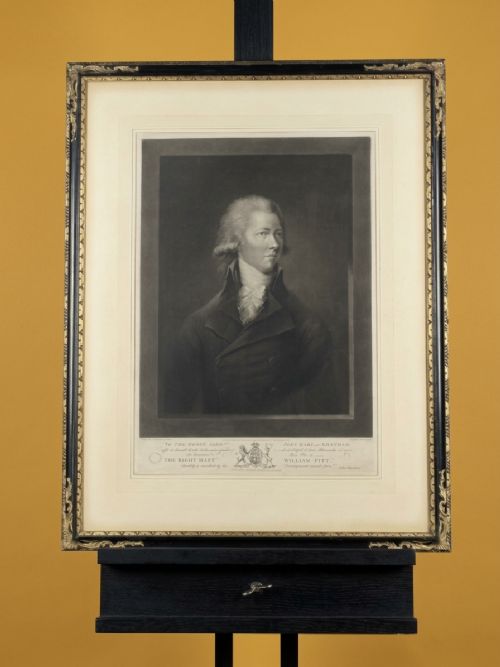
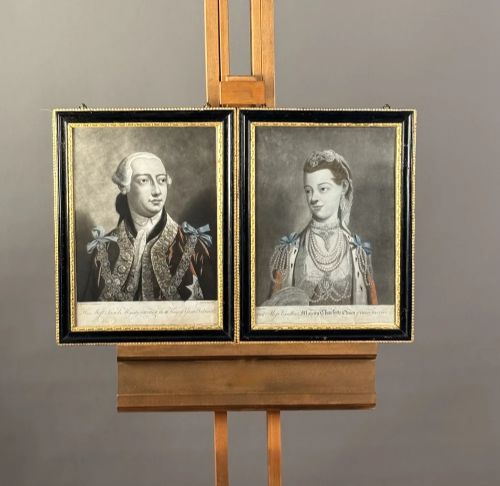
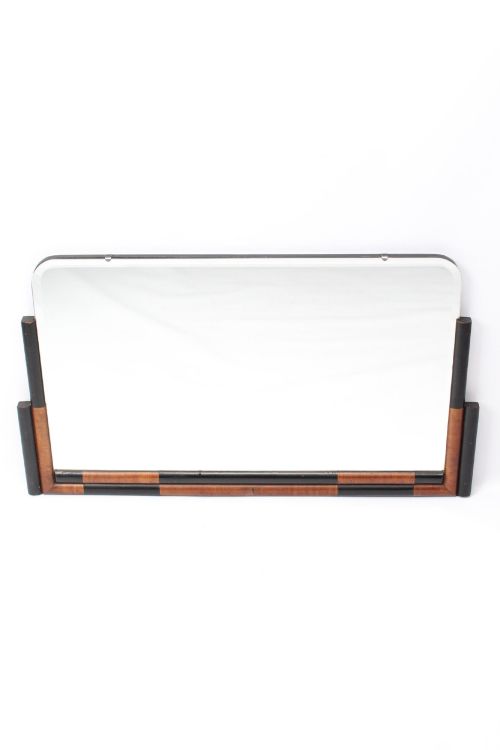
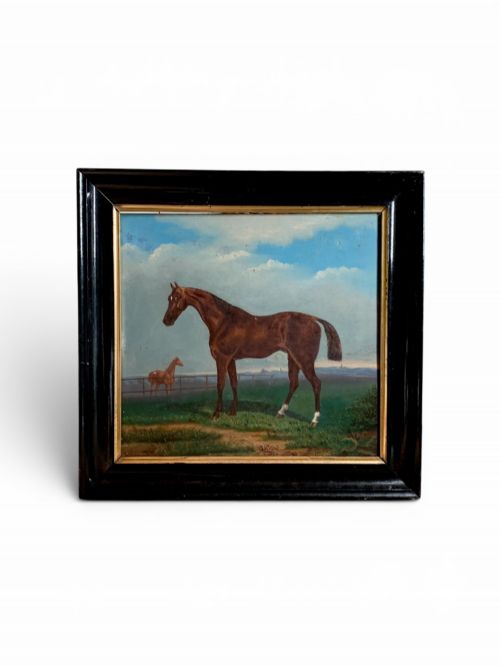
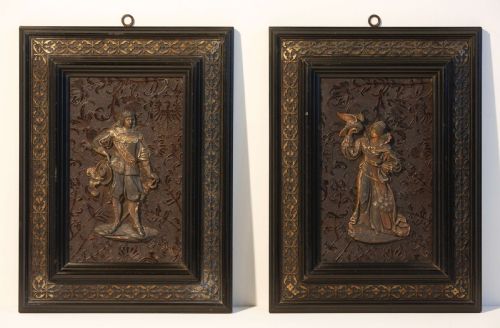
When you search for ebonised wood framed art, you find works housed in dark, dense timber frames that give portraits, prints and mirrors a sharp, formal edge.
Materials and Construction
Makers utilised wood, glass, paper and canvas as the foundational components for these framed works, applying oil paint, gold leaf, gilt and brass details. Ebonised finishes were achieved by staining or painting timber, such as walnut or local hardwoods, to replicate the heavy, dark appearance of true ebony.
Surrounding elements often incorporate reverse painting on glass, delicate ivory panels for miniatures, or detailed engraving on paper. Gilding and gold leaf frequently accent the dark timber frames, offering a deliberate contrast between the black perimeter and the luminous artwork within.
Assessing Quality
Quality rests in the harmony between the artwork and its mounting, where the depth of the ebonisation and the crispness of the framing profile complement the age of the piece. Superior examples display integration where neither the frame nor the painting overpowers the other.
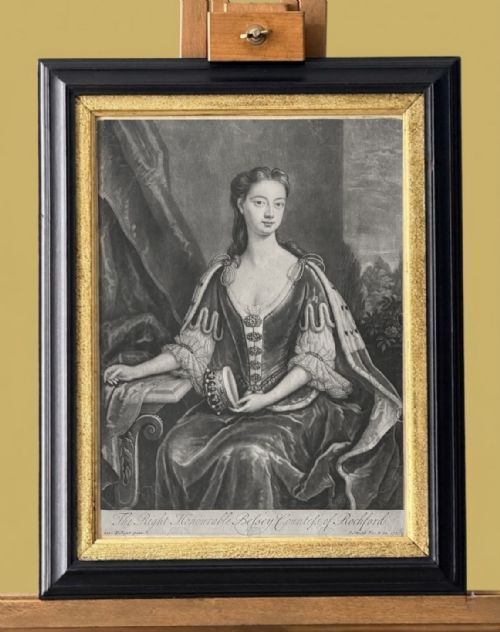
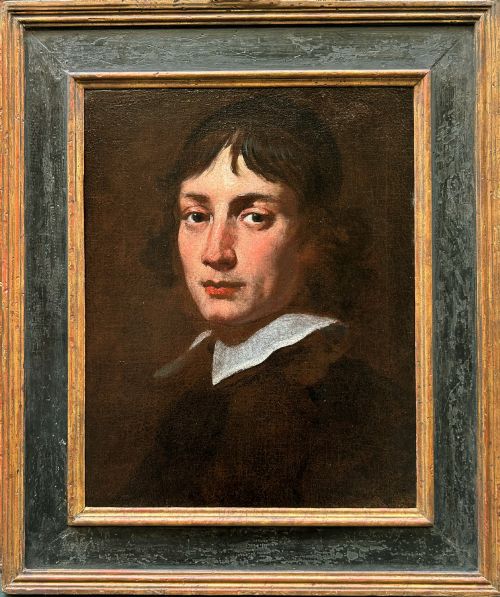
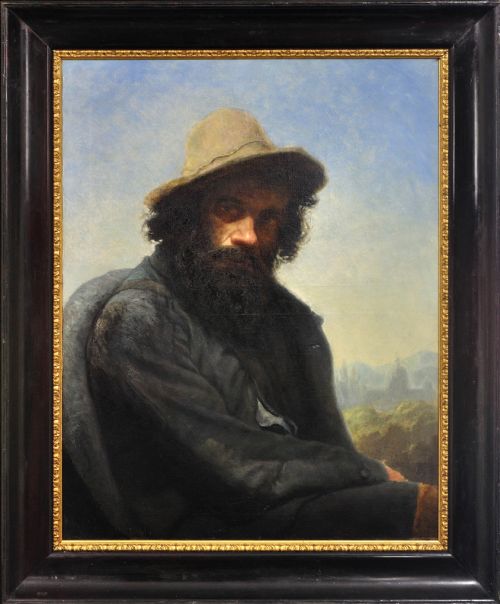
The execution of the underlying art - whether an oil on panel, a plumbago portrait or an engraving - determines the tier of the piece. Finer works demonstrate confident brushwork, precise line definition and well-preserved materials across both the picture and its dark wooden housing.
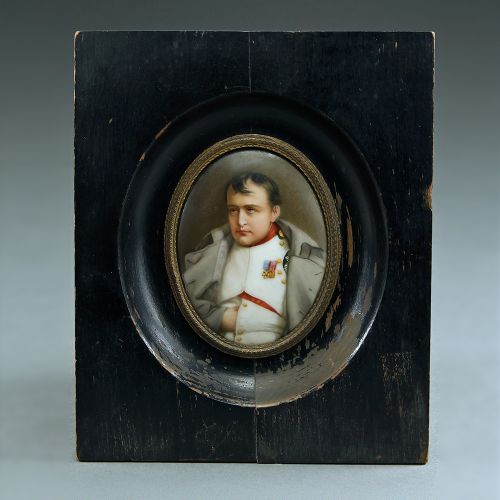
Several dogs chase rats in barns while Napoleon watches from his miniature frame.
John Smith·Guillaume Courtois·Albin Mattenheimer·John Taylor·Rowley Gallery·Nicolaes Maes·Otto Pilny
The Ebonised Wood Framed Art Glossary
- Ebonised
- Timber treated with stain, paint or chemical processes to imitate the dark, dense grain of ebony. This finish gained popularity in various periods to create a formal contrast with gilt highlights.
- Reverse painting on glass
- A technique where the artist applies paint directly to the back of a glass panel, viewed through the front. The finished work possesses a glossy, protected surface.
- Plumbago
- A drawing executed in graphite, named after the Latin word for lead ore. These detailed works often appear in early portraits.
- Mezzotint
- A printmaking process of the intaglio family where the plate is roughened to achieve tonal gradations. It allows for subtle shifts in light and shadow.
- Heraldic
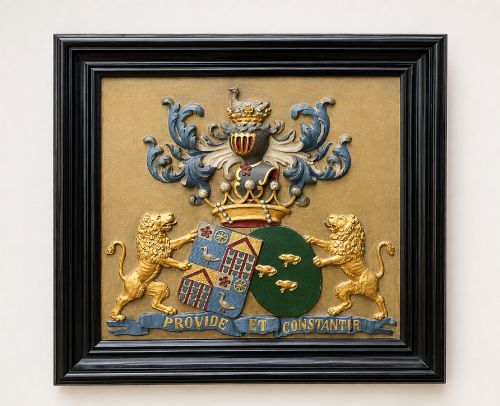
- Pertaining to heraldry, involving coats of arms and familial lineage. Such plaques and paintings record specific genealogical histories.
Ebonised Wood Framed Art: Frequently Asked Questions
How do I care for ebonised frames?
Keep the timber clean with a dry, soft cloth to remove dust without disturbing the dark finish. Avoid harsh chemical cleaners that might strip the ebonisation or damage adjacent gilt details.
Protect the piece from direct sunlight and dramatic humidity shifts. Stable indoor conditions prevent the wood from warping and protect the underlying painting, engraving or glass.
Are these frames original to the art?
Many antique works retain their original frames, particularly when the ebonising technique matches the historical period of the painting or print. Close inspection reveals consistent wear between the artwork and its surrounding timber.
Some pieces have been reframed over the centuries to suit changing interior tastes. Examining the backboards, fixings and joinery helps determine if the framing is contemporaneous with the image.
What is ebonised wood?
Ebonised wood is ordinary timber, such as walnut or fruitwood, treated to look like expensive ebony. Craftsmen achieved this effect using dark stains, black lacquer or chemical treatments.
This practice allowed makers to impart a luxurious, formal appearance to furniture and picture frames without relying on scarce tropical hardwoods.
How do I date these pieces?
Dating relies on stylistic clues within the artwork, the construction methods of the frame, and materials like old glass or hand-beaten fixings. Portrait clothing, hairstyles and painting techniques offer strong chronological indicators.
Secondary evidence includes old labels, maker stamps on the reverse, and the type of wood used. Comparing these details with known historical periods confirms the age of the object.