




Early English Box
Early english box forms are sturdy containers crafted in timber, offering tangible links to domestic life across centuries.
Early English Box
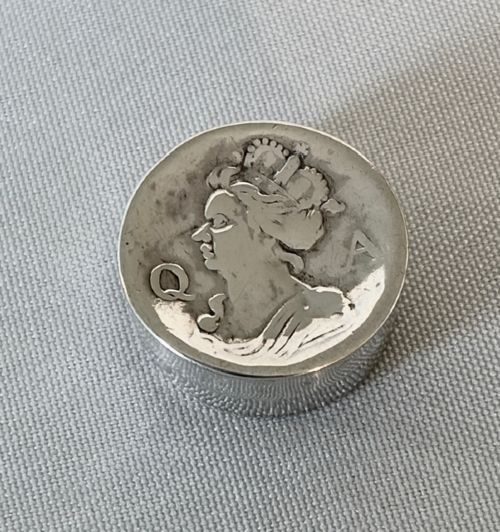
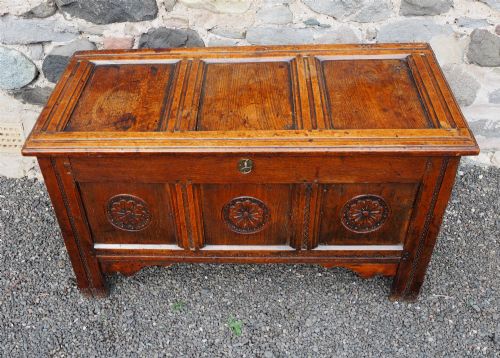
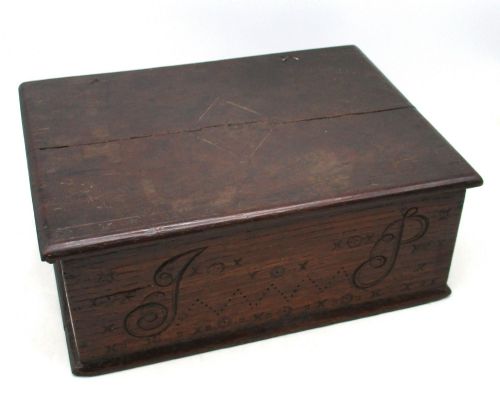
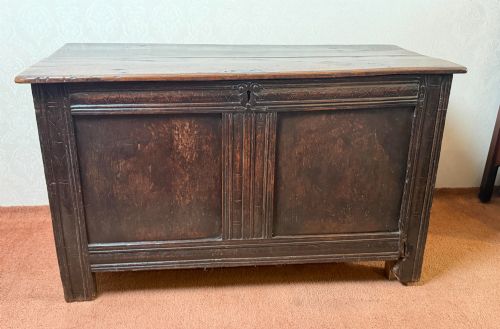
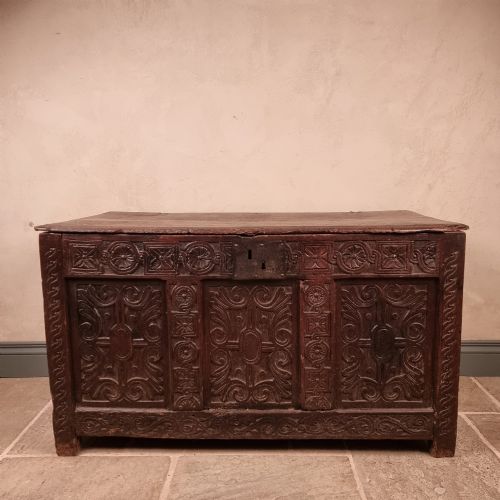
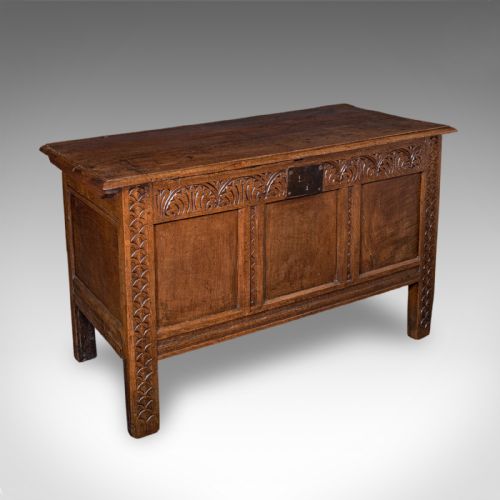
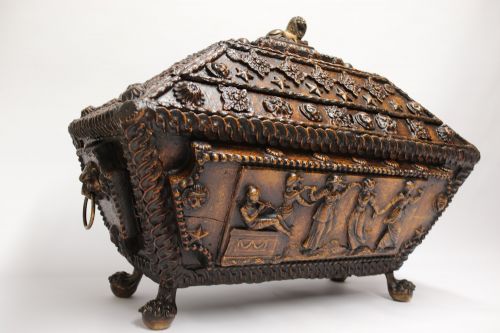
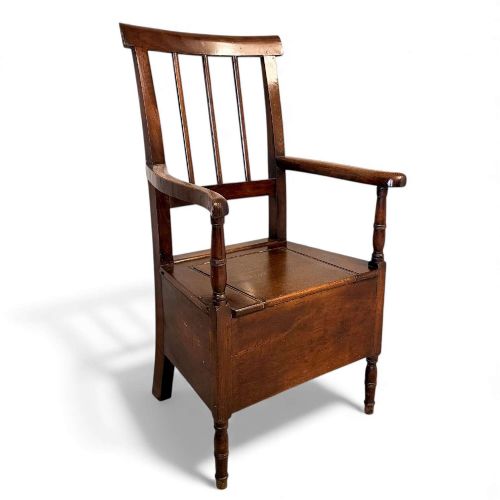
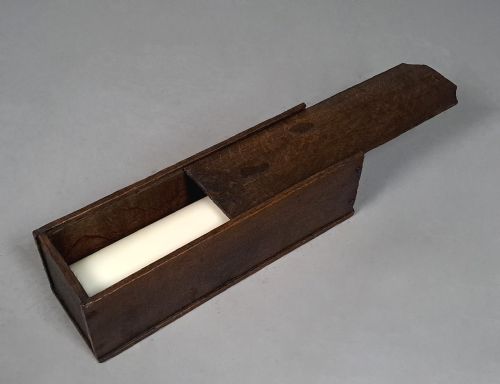
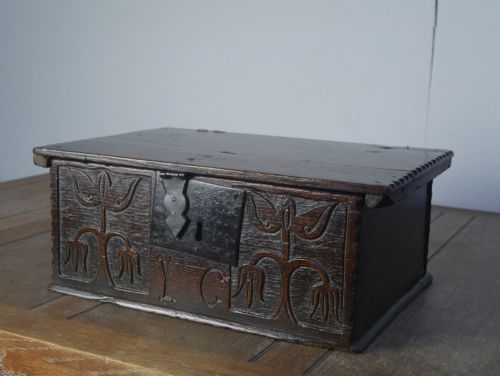
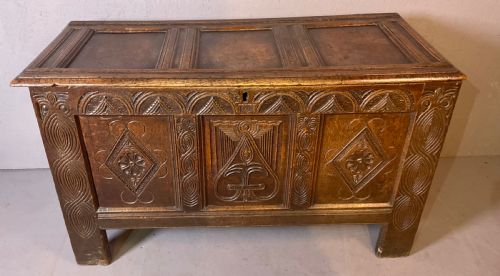
Buyers encounter forms ranging from small desk boxes, candle boxes, and spice cupboards to larger coffers, blanket chests, and box settles. Oak dominates the earliest examples from the Tudor and Jacobean eras, whilst later centuries introduce woods such as walnut, rosewood, and mahogany.
These items originate primarily from British workshops, reflecting regional carpentry traditions and shifting domestic requirements from security chests to refined tea-poys.
How they were made
Makers utilised solid timber, principally oak for early constructions, shaping planks with hand saws and joining them with dovetails, pegs, or simple edge-to-edge fastening in six-plank formats. Structural integrity relied on thick walls and iron or brass hardware such as hinges and locks.
Surface ornamentation on period pieces involved carved panels, linenfold motifs, arcading, and geometric designs executed with gouges and chisels. Later 19th-century items incorporated gesso decoration, brass inlay, or polished rosewood veneers.
Early English Box Retail Price Guide 2026
Typical asking prices for early english box among the pieces listed under this phrase on Sellingantiques today, from the lower quarter to the upper quarter. They describe what is for sale here now, not the wider market.
Listings span from the 16th century to the early 20th century, encompassing oak, walnut, rosewood, and brass materials across multiple chest and box forms.
What varies in quality
The standard of a piece depends on the crispness of the hand-carved decoration, the integrity of the original timber boards, and the retention of period hardware. Earlier constructions demonstrate mastery of joinery where boards meet without modern synthetic adhesives.
Proportion and surface patination differentiate standard utilitarian boxes from finer examples intended for parlour display. Pieces retaining unblemished primary surfaces and functional original locks command greater interest from collectors.
Gillows of Lancaster
The Early English Box Glossary
- Coffer
- A large wooden chest used historically for storing valuables, linen, or documents. These sturdy containers often feature hinged lids and heavy panel construction.
- Linenfold
- A style of carved wooden panelling that resembles folded linen fabric. It appears frequently on 16th-century Tudor furniture.
- Six plank coffer
- A simple chest constructed from six individual planks joined at the edges. This method represents one of the earliest forms of box-making.
- Tea-poy
- A small stand or box fitted with compartments for storing tea leaves. These receptacles became popular during the Regency period.
- Arcaded
- A decorative motif featuring a series of arches supported by piers or columns. Carvers applied this pattern to oak panels during the 17th century.
Early English Box: Frequently Asked Questions
What were early english boxes used for?
Historic households utilised these containers to secure valuable documents, currency, candles, or spices against theft and moisture.
Larger chests stored household textiles and garments before fitted wardrobes became standard domestic furniture.
How do I identify a 17th-century box?
Inspect the construction methods for hand-split timber, pegged joints, and absence of modern machine-cut screws.
Surface decoration typically displays heavy carved oak panels, geometric moulding, or simple joined board assembly.
Where should I place a coffer at home?
Position larger coffers at the foot of a bed or beneath a window to serve as functional storage and seating.
Smaller desk boxes and spice cupboards sit securely on sturdy side tables, tabletops, or dedicated display surfaces.
Are later boxes made differently?
19th-century examples incorporate exotic veneers like rosewood and mahogany alongside brass inlays and gesso decoration.
Construction techniques shifted from heavy pegged oak framing toward finer cabinet-making styles influenced by Regency and Victorian tastes.