
Drinking Glass
These drinking glass selections range from eighteenth century opaque twists to twentieth century silver gilt barware.
Drinking Glass
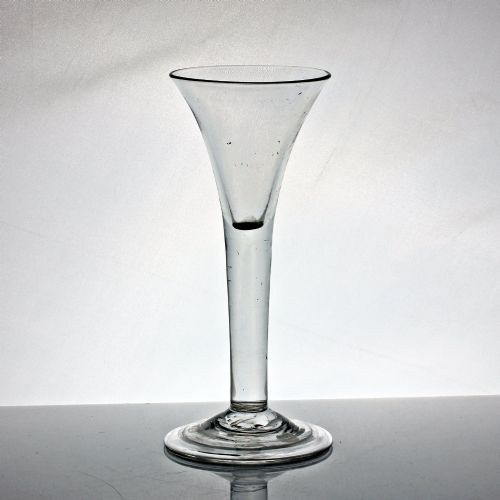
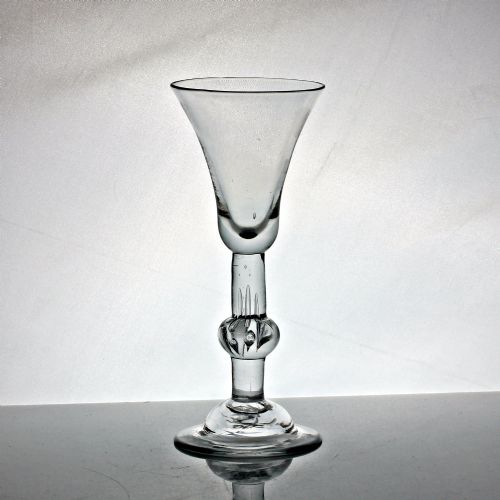
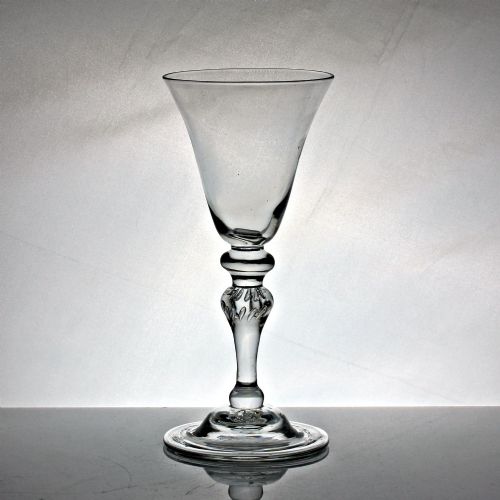
When you search for a drinking glass on this page, you encounter pieces spanning from the eighteenth century through the twentieth century, taking the form of wine glasses, ale glasses, dram glasses, rummers, and cocktail cups. The selection leans heavily towards Georgian lead glass examples alongside Victorian and Edwardian barware.
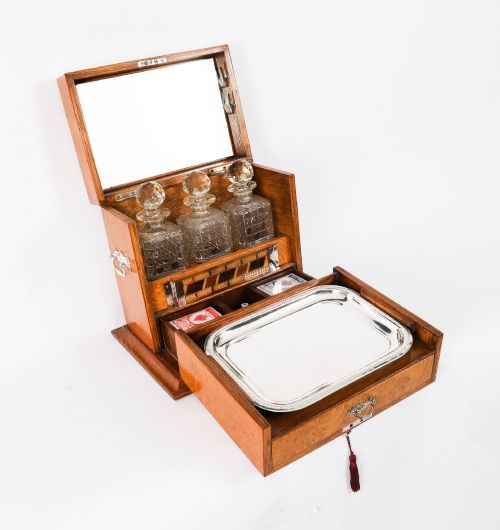
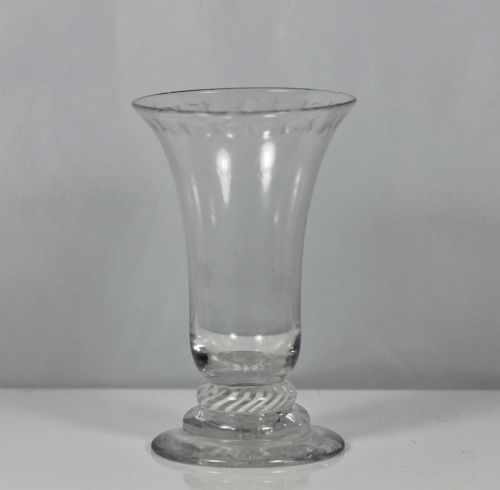
The objects include delicate jelly and bonnet glasses alongside robust decanter sets and tantalus cabinets housing multiple vessels. Many pieces originate from English workshops, while others reflect international silver and enamel work from the early twentieth century.
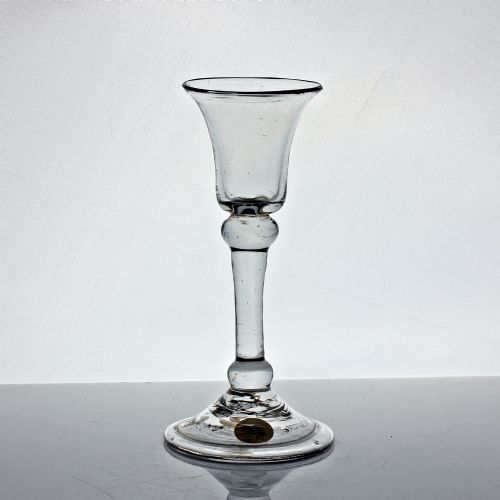
A buyer examining these categories finds functional tableware designed for wine, beer, spirits, and cordials. The forms shift from slender baluster stems and opaque twists to heavy faceted bowls and solid silver beakers.
How They Were Made
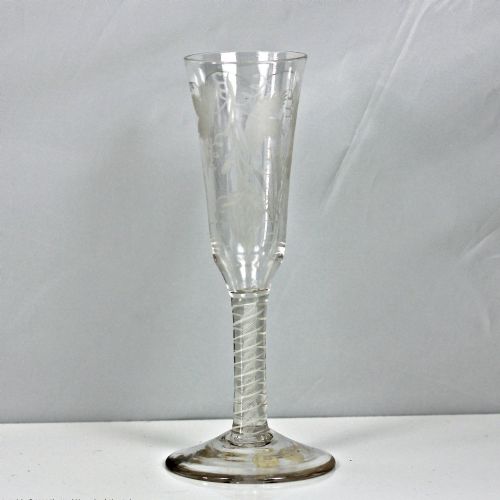
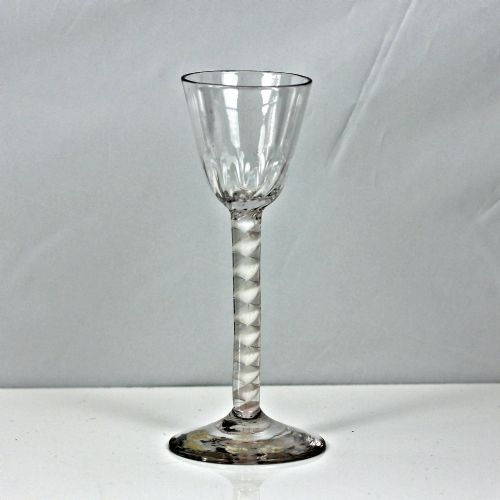
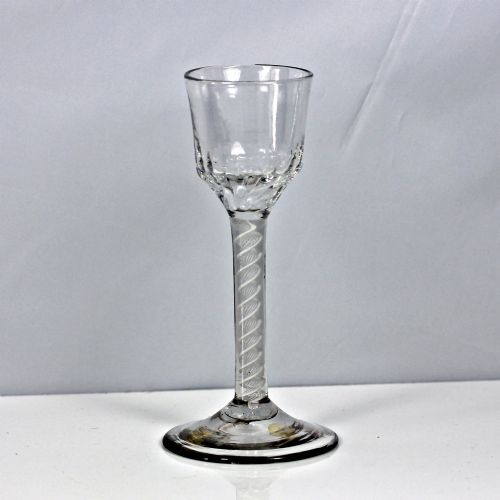
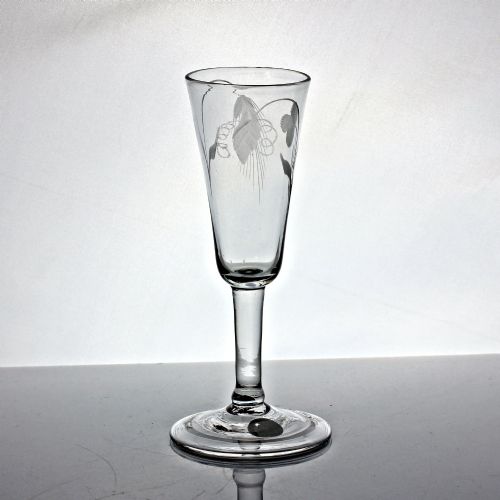
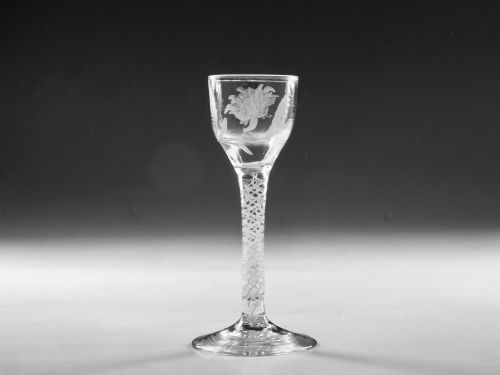
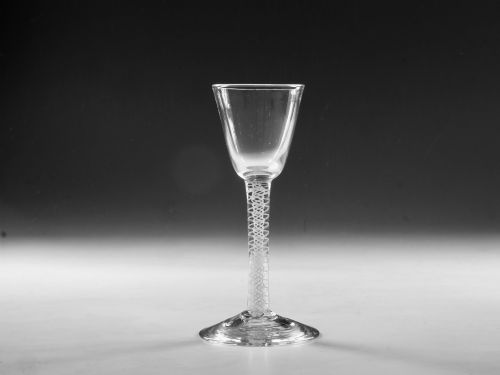
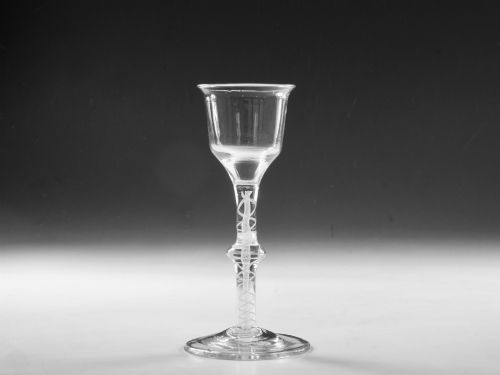
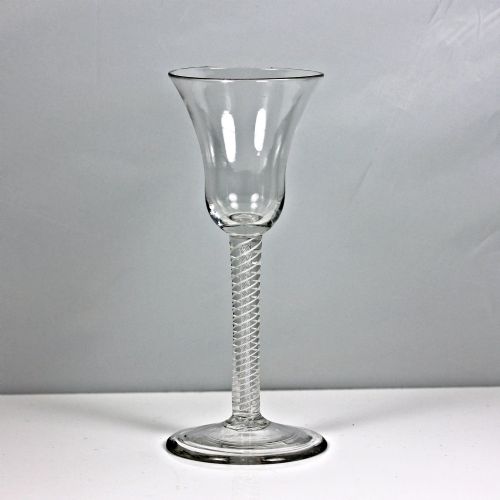
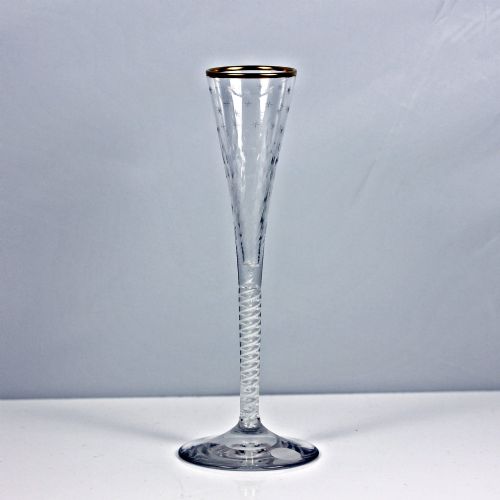
The eighteenth century pieces rely on lead glass and lead crystal formed through blowing and manipulation while hot, creating stems with air tears, plain profiles, or intricate opaque and mixed twists. Engraving and gilding are applied to bowls to decorate surfaces with hop and barley motifs.
Later nineteenth and twentieth century pieces incorporate mixed media, combining clear and green glass with silver plate, solid silver mounts, brass, and enamel work. Cabinetmakers constructed figured oak and walnut cabinets, trolleys, and tantalus frames to house these glass sets.
Listings feature lead glass, solid silver, enamel, and brass materials spanning the eighteenth, nineteenth, and twentieth centuries.
What Varies In Quality
The fineness of the twist formation within the stem and the clarity of the lead glass separate standard examples from superior ones. Engraved details on bowls, such as detailed hop and barley patterns or gilding, show distinct levels of artisan precision.
The structural integration of metal elements, from silver-plated stands to solid silver gilt enamel mounts on barware, dictates the overall execution. Fitted cabinetry in tantalus sets and trolleys shows variation in timber selection, such as figured oak or walnut.
James Dixon And Sons·Tiffany And Co
The Drinking Glass Glossary
- Lead glass
- A heavy glass composition containing lead oxide that increases brilliance and weight. This material allows for sharper wheel engraving and faceted cutting.
- Opaque twist
- A stem form containing white or coloured enamel glass threads twisted within the clear glass rod. These threads form single, double, or mixed spiral patterns.
- Air tear
- An elongated bubble trapped inside the stem or knop of a glass during blowing. Makers often left these intentionally as a decorative element.
- Rummer
- A capacious drinking glass with a thick bowl and short stem used for ale or wine. They frequently feature faceted lower bowls or engraved decoration.
- Tantalus
- A locking beverage cabinet that holds decanters securely in place while revealing their contents. The frame prevents removal of the bottles without a key.
Drinking Glass: Frequently Asked Questions
How do I identify a Georgian wine glass?
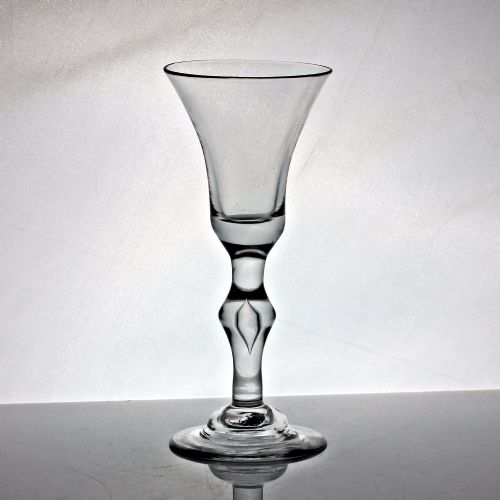
Georgian wine glasses display characteristics like lead glass composition, folded feet, and baluster or twisted stems. Bowls often take trumpet, bell, or ovoid forms.
Earlier examples from this era frequently show pontil marks on the underside of the foot where the punty rod was detached.
What were rummers used for?
Rummers served as heavy drinking vessels for ale, beer, or wine during the late eighteenth and nineteenth centuries. Their sturdy proportions suited communal tavern use and domestic dining.
Many surviving examples feature engraved barley or hop motifs reflecting their contents.
What is a tantalus set?
A tantalus set is a locking wooden frame that holds decanters secure to prevent unauthorized access to the spirits inside. They typically appear in figured oak or walnut.
Victorian and Edwardian versions often include storage for glasses and games compendiums beneath the bottle section.