
Dining Room Table
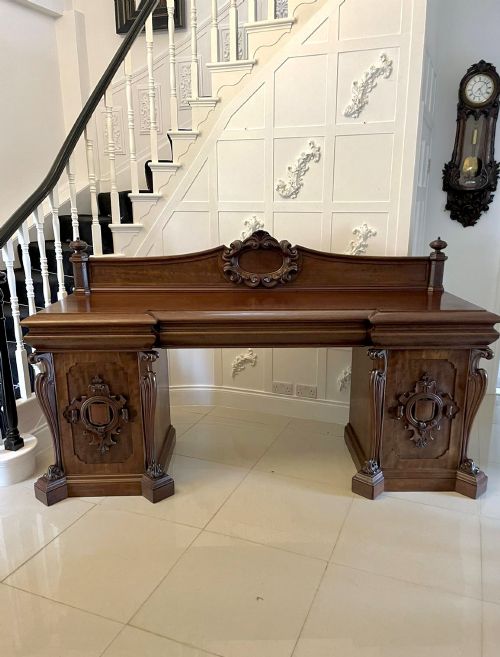
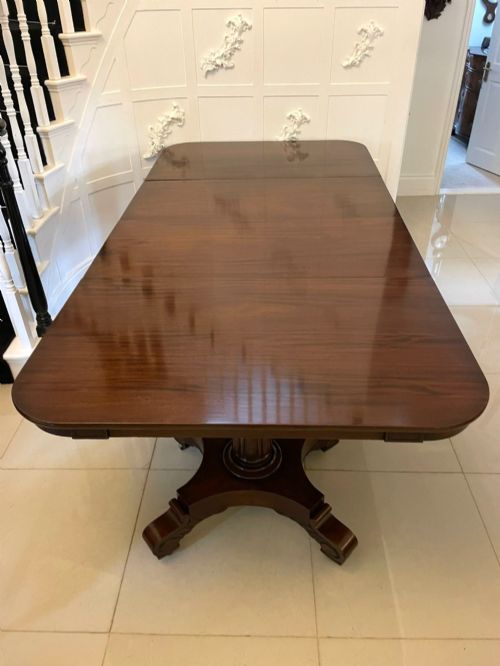
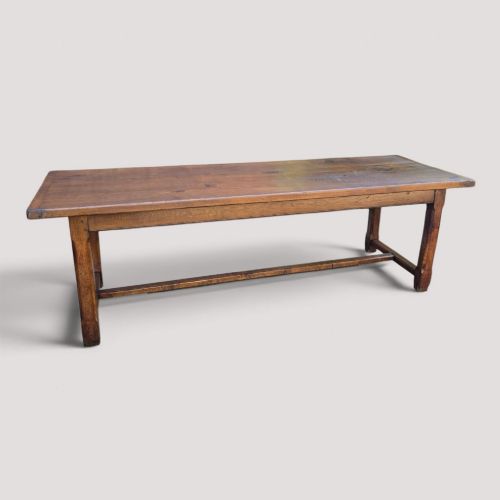
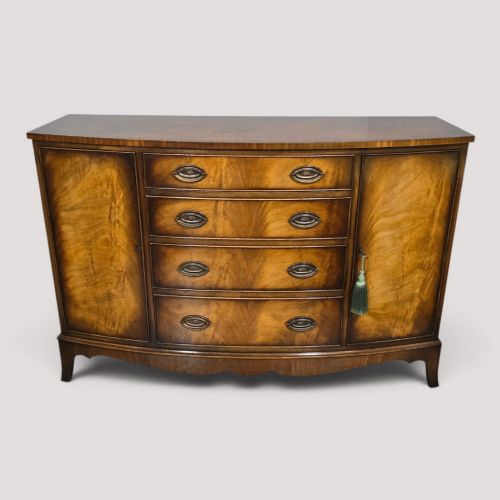
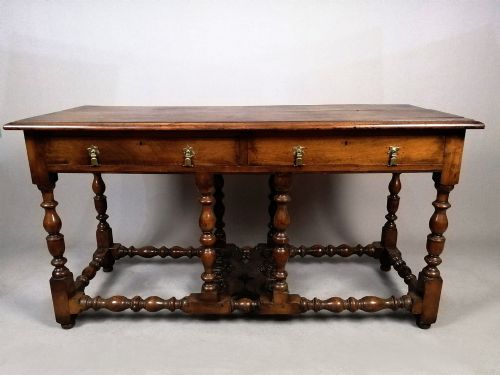
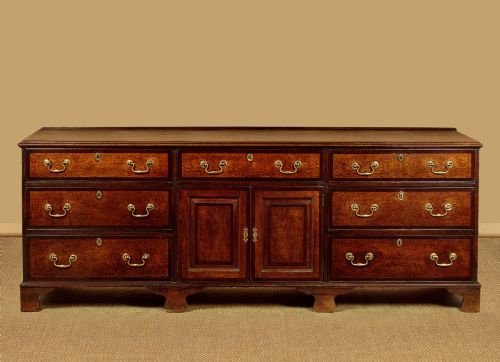
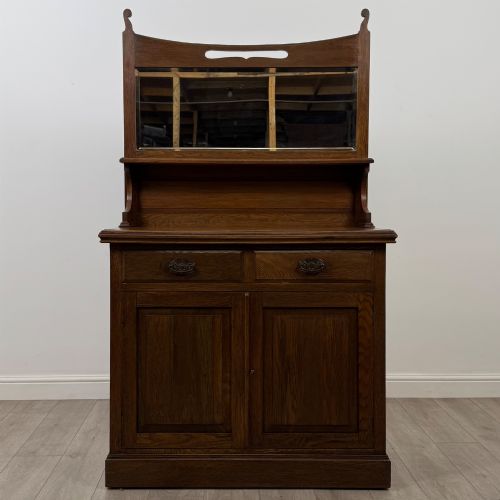
A dining room table serves as the heavy centrepiece of the home, built from mahogany, oak and walnut across Georgian, Victorian and Edwardian periods.
Dining Room Table
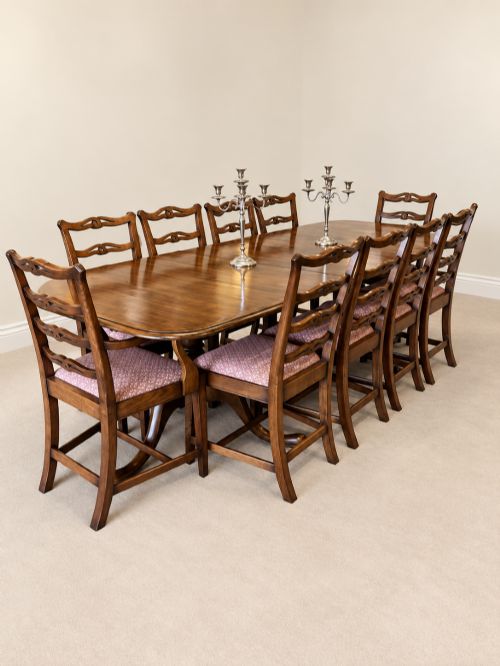
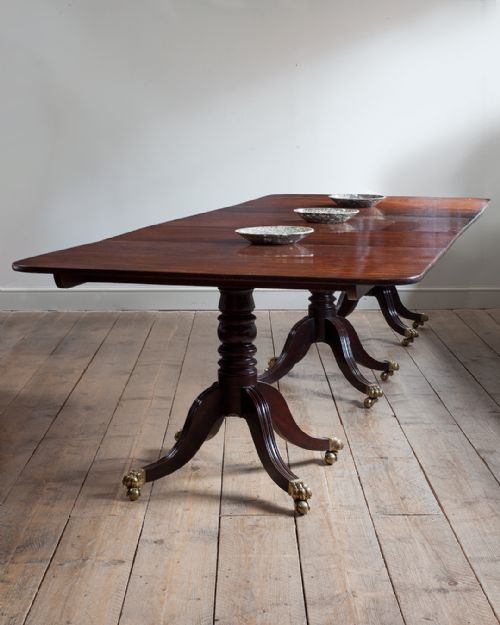
A dining room table gathers people around timber surfaces shaped across centuries, from 18th Century oak and mahogany designs to 19th Century Regency pedestal examples.
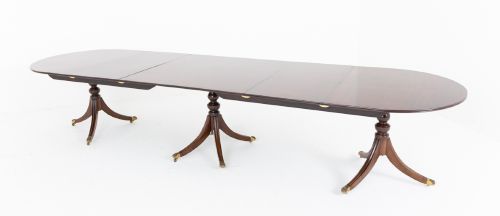
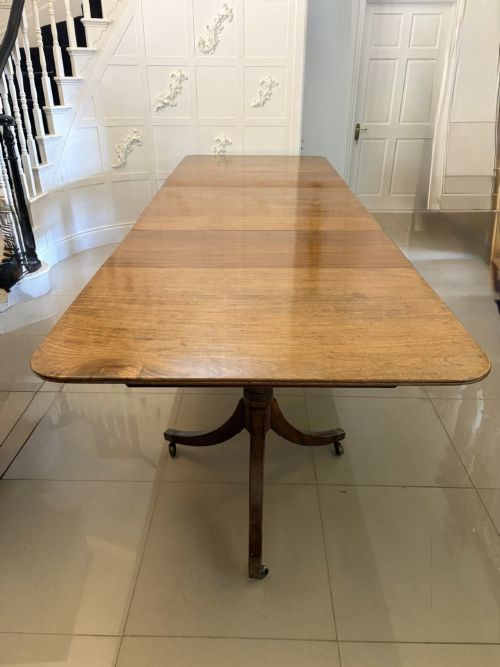
The selections on this page range from compact Edwardian and 1920s kitchen variants to large extending twin-pillar and triple-pillar tables designed to accommodate multiple leaves and diners.
Makers and workshops constructed these pieces in styles spanning George III, Victorian, Art Deco and Grand Regency, providing functional furniture built for daily meals and formal gatherings alike.
Gradations of quality
The calibre of a dining room table rests on the selection of timber, visible in the grain pattern of flame mahogany, walnut or oak surfaces.
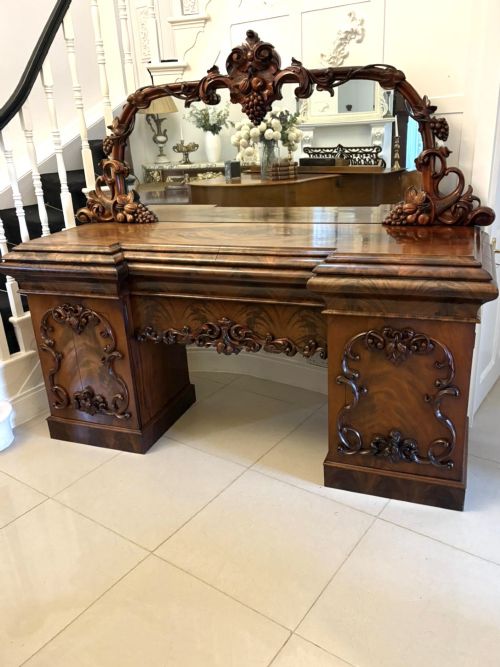
Execution of carved details, brass inlay and the precision of extending pillar mechanisms distinguish standard production from exceptional craftsmanship.
Proportion and structural integrity define the higher end, ensuring that large extending tables remain level and stable across all joints.
Listings feature dining tables constructed from solid oak, mahogany and walnut, alongside pieces finished with flame mahogany veneer and satinwood inlay.
Harry and Lou Epstein·M. D. Miller and Sons
The Dining Room Table Glossary
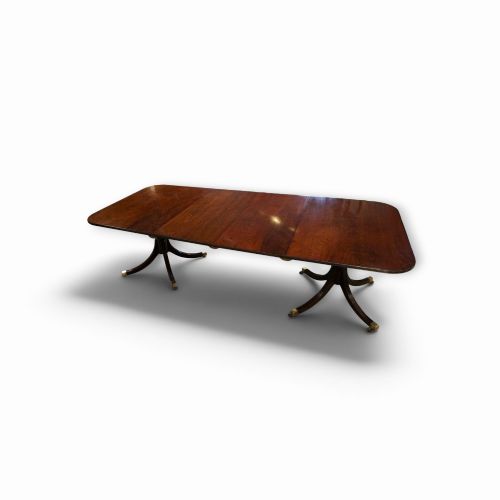
- Pedestal table
- A table supported by one or more central columns rather than four corner legs. This construction allows greater legroom around the perimeter.
- Extending dining table
- A table equipped with internal leaves or pull-out mechanisms to lengthen the surface area. Such designs accommodate varying numbers of guests.
- Draw-leaf table
- A table with auxiliary leaves stored beneath the main top that slide out to extend the surface. This mechanism provides quick expansion without removing separate panels.
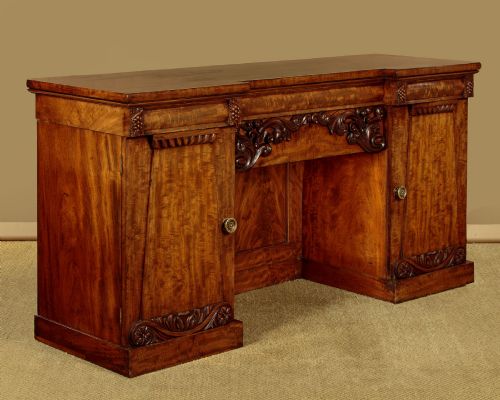
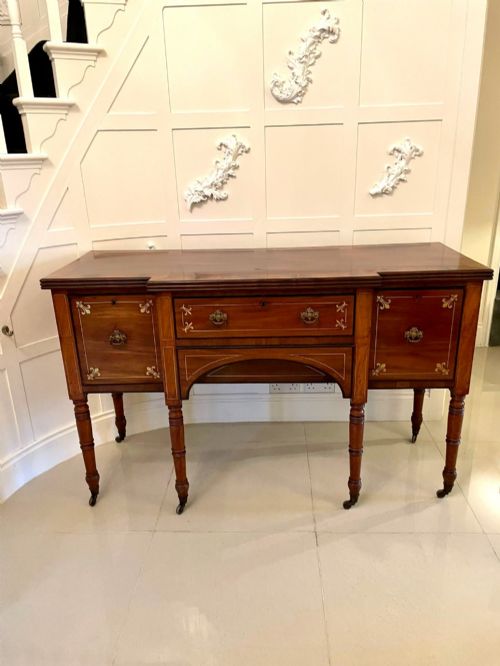
- Breakfront
- A cabinet or sideboard whose central section projects forward from the flanking sides. This arrangement creates visual depth and architectural interest.
- Dumbwaiter
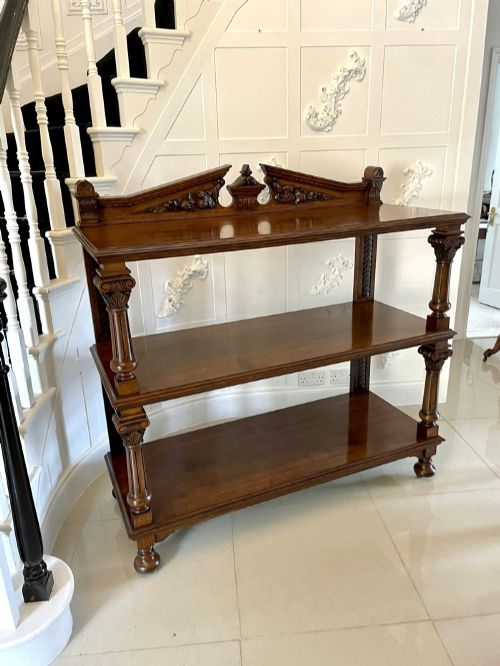
- A multi-tiered freestanding piece of furniture used for serving food and beverages without attendants. These tiers rotate or graduate in size from top to bottom.
Dining Room Table: Frequently Asked Questions
How do I measure for an extending table?
Measure your dining room space while allowing sufficient clearance around the perimeter for chairs to pull out comfortably when seated.
Take into account the maximum length of the table with all its leaves inserted to ensure it fits the room without crowding.
How do I care for antique wood surfaces?
Keep wooden dining surfaces away from direct sunlight and strong heat sources to prevent the timber and veneers from drying out or splitting.
Apply natural beeswax periodically to nourish the grain and protect the finish from everyday moisture and use.
How do I distinguish pedestal tables from standard legs?
Pedestal tables use central pillars mounted on heavy feet to bear the weight of the top, which leaves the corners entirely free of vertical legs.
Standard tables rely on four or more corner legs, which can sometimes restrict where chairs are placed.
What periods do these dining tables come from?
The listings encompass items built during the Georgian, Victorian, Edwardian and Art Deco periods, alongside 1920s revivals.
Each era introduced distinct proportions, decorative inlay work and structural mechanisms that reflect the prevailing taste of its time.