

Diamond Dress Jewellery
Diamond dress jewellery brings together precious stones and fine metals across decades of design.
Diamond Dress Jewellery
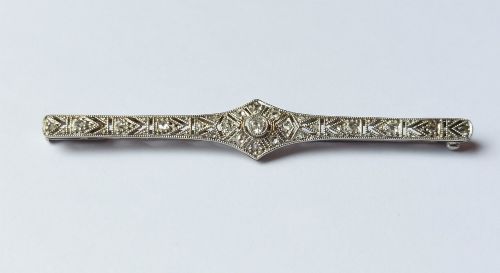
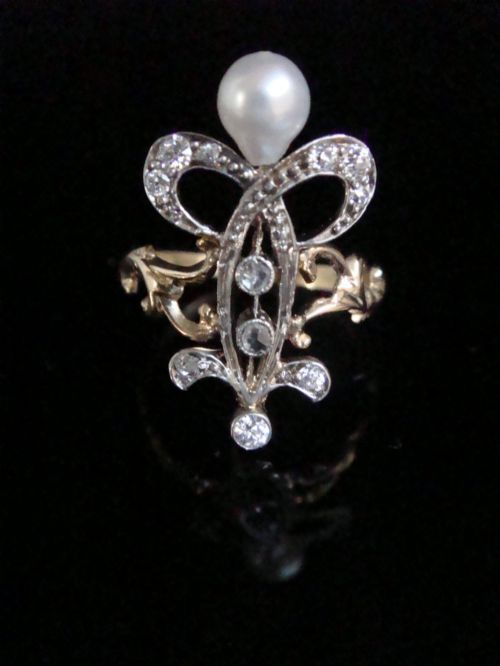
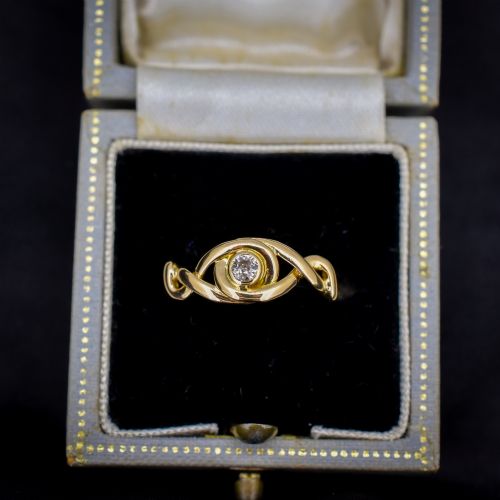
Diamond dress jewellery encompasses rings, brooches, and cufflinks designed for decorative wear rather than everyday utility. Pieces range from Victorian and Edwardian examples to Art Deco and mid-century modern items.
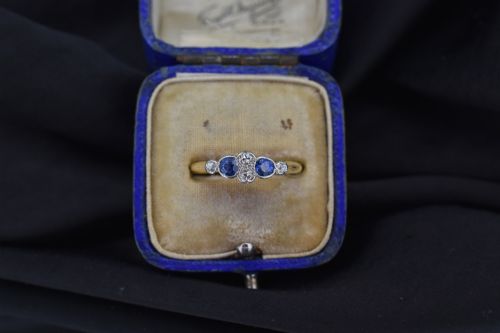
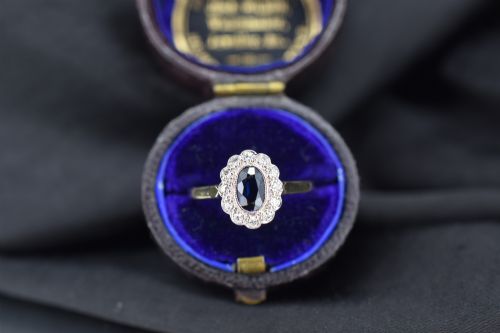
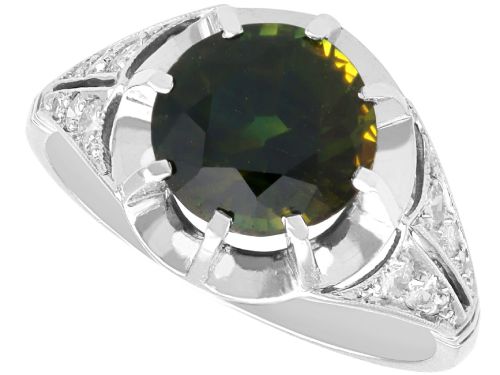
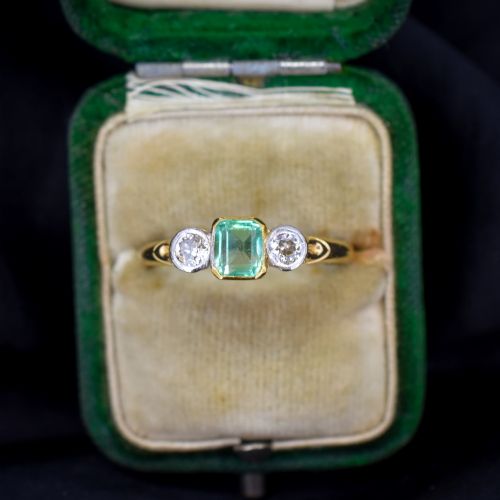
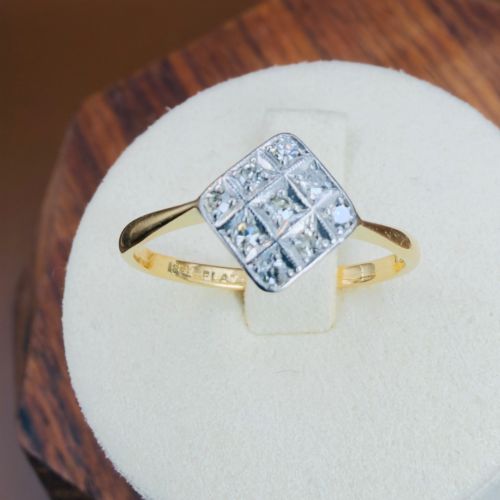
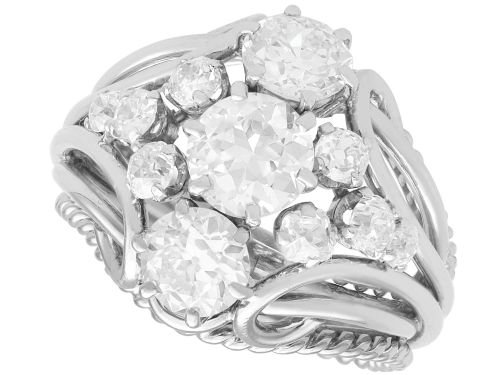
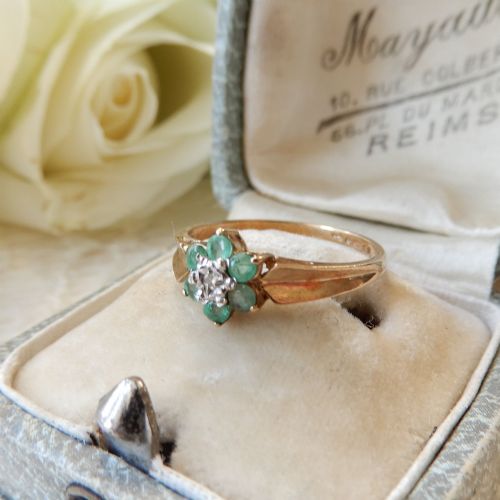
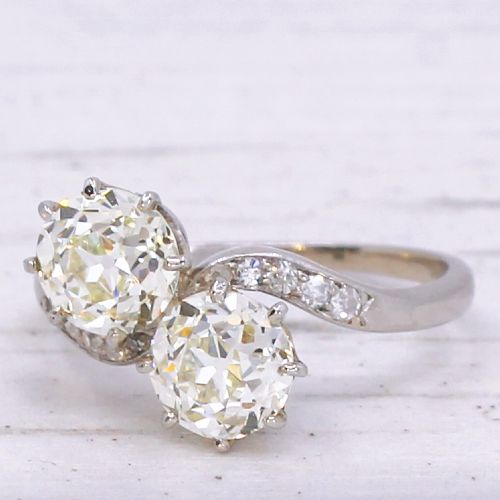
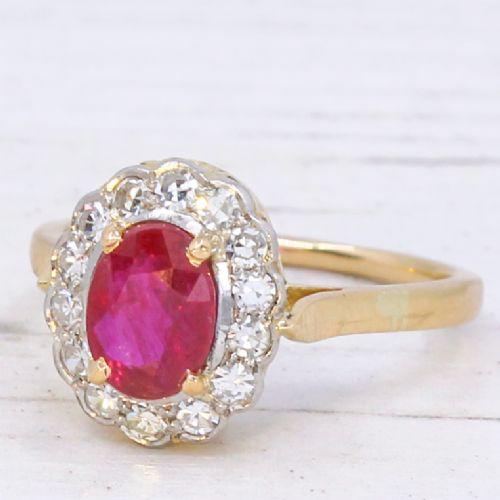
The selection here draws heavily on the 1920s and 1930s, featuring platinum and gold settings adorned with gemstones. Rings dominate the offerings, including cluster forms, trilogy settings, and cocktail designs.
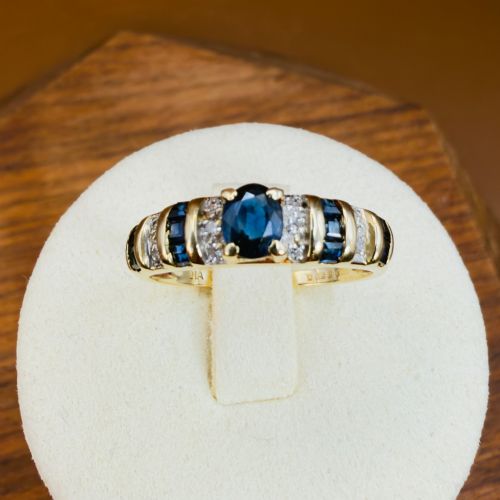
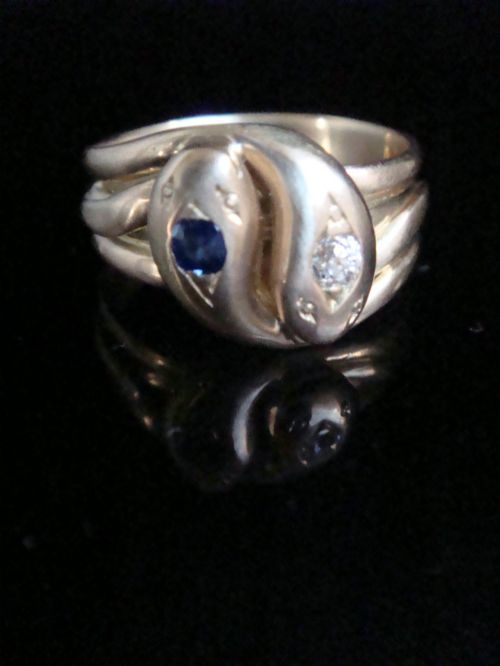
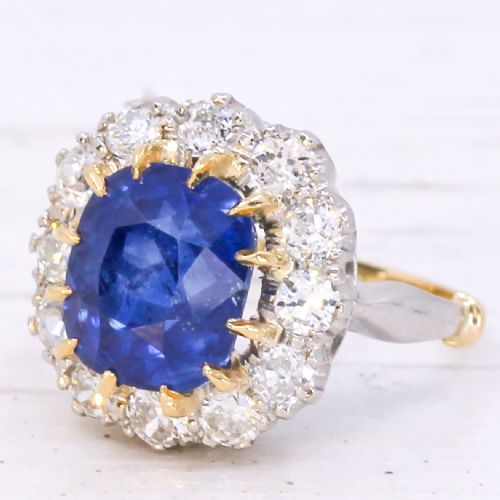
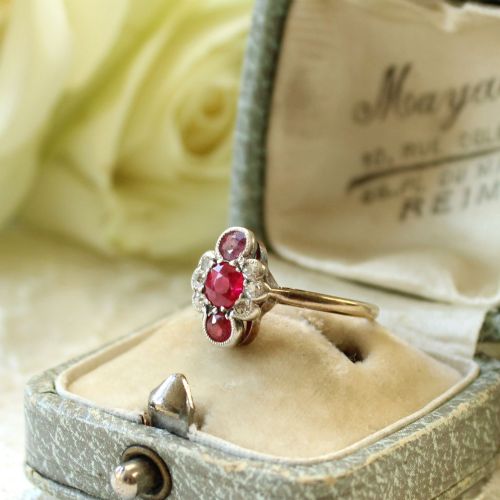
Beyond diamonds, these items often incorporate coloured stones such as sapphires, rubies, emeralds, opals, and aquamarines. Each piece reflects the aesthetic of its period, from scroll boat rings to geometric clusters.
How they were made
Maker construction relies on precious metals including platinum, 18ct yellow gold, 18ct white gold, and rose gold. Platinum gained favour during the Edwardian and Art Deco eras for its strength in holding intricate stone settings.
Gems receive traditional cuts, notably old cut diamonds paired with calibré or clustered coloured stones. Setting techniques secure stones within navette, square, and daisy configurations using detailed metalwork.
Diamond Dress Jewellery Retail Price Guide 2026
Typical asking prices for diamond dress jewellery among the pieces listed under this phrase on Sellingantiques today, from the lower quarter to the upper quarter. They describe what is for sale here now, not the wider market.
Listings feature periods spanning from the Victorian era through Edwardian, Art Deco, 1940s Retro, and Mid-Century styles.
What varies in quality
Quality differences emerge in the selection and matching of central stones alongside supporting diamonds. Fine examples show careful proportioning between the primary gem, such as a Ceylon sapphire or emerald, and its surrounding diamond cluster.
The integrity of the metalwork also distinguishes pieces, with crisp platinum milling or precise gold scrollwork indicating skilled bench work. Balance in design and the preservation of original settings define the finer tiers.
The Diamond Dress Jewellery Glossary
- Art Deco
- A design style spanning the 1920s and 1930s characterised by geometric symmetry and clean lines. This period frequently paired diamonds with platinum and striking coloured gemstones.
- Old cut
- A diamond cutting style prevalent in antique and vintage pieces before modern brilliant cuts were standardised. These stones feature smaller tables and deep pavilions that capture candlelight.
- Navette
- A boat-shaped mounting style that tapers to points at either end. This elongated form flatters the hand and accommodates multi-stone clusters.
- Cluster ring
- A setting style featuring a central gemstone encircled by a ring of smaller stones, typically diamonds. This arrangement maximises visual impact and light reflection.
Diamond Dress Jewellery: Frequently Asked Questions
What defines diamond dress jewellery?
Diamond dress jewellery consists of ornamental pieces created for social occasions rather than daily wear. These items incorporate diamonds alongside precious metals and occasionally coloured stones.
Examples span several decades, showcasing distinct stylistic shifts from early twentieth-century scrollwork to mid-century modern geometry.
How do I care for antique rings?
Antique rings require gentle handling to protect delicate settings and softer gemstones like opals or pearls. Store them individually to prevent metal and stone contact.
Professional cleaning checks the security of old cut diamonds and coloured stones within their platinum or gold claws.
What periods are represented?
The selection includes items from the Victorian and Edwardian eras, progressing through Art Deco and 1940s retro designs. Mid-century modern pieces also feature.
Each era brings specific metal choices and stone arrangements, such as platinum geometric clusters or yellow gold trilogy settings.
Are coloured stones common?
Coloured gemstones frequently accompany diamonds in these designs, including sapphires, rubies, emeralds, and aquamarines. They appear in navette clusters, three-stone rings, and cocktail settings.
These additions reflect the palette preferences of periods like the 1920s and 1930s.