





Decorative Wooden Shelf
A decorative wooden shelf brings character to plain walls, offering a practical stage for small treasures through centuries of craftsmanship.
Decorative Wooden Shelf
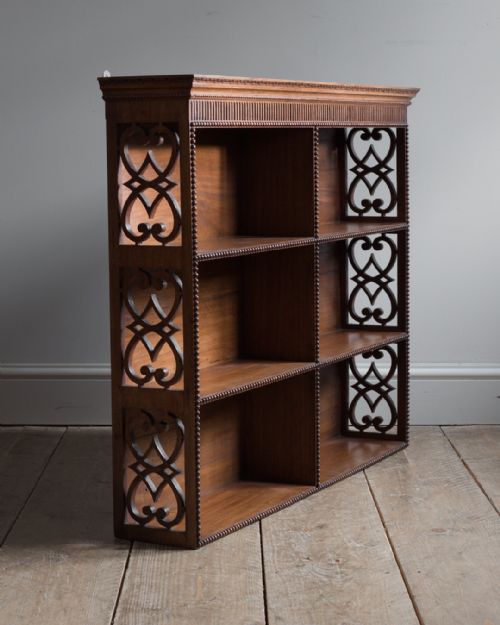
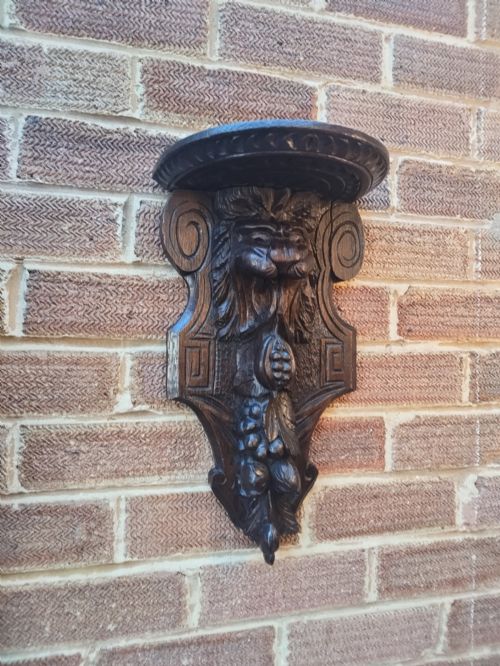
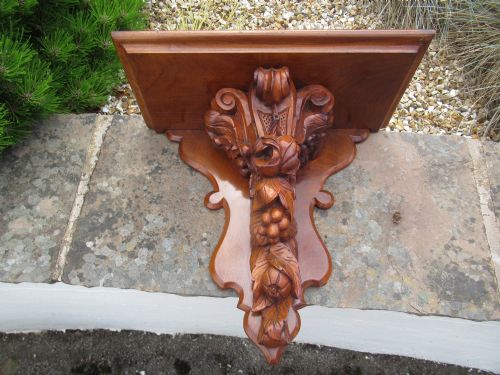
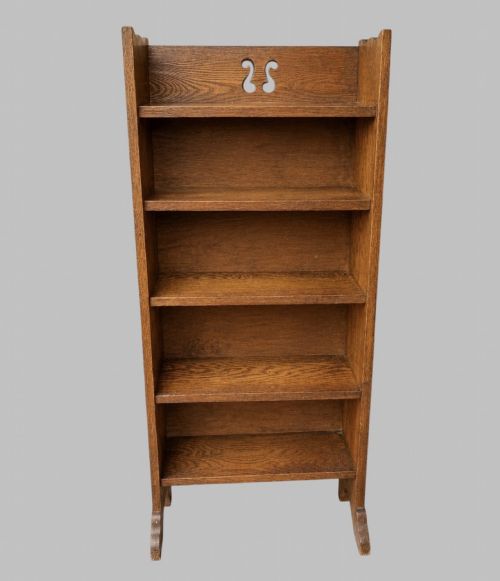
A decorative wooden shelf encompasses wall brackets, display shelves, and hanging racks designed to display ornaments while adding architectural interest to a room. These pieces appear in forms ranging from simple Arts and Crafts open bookcases to ornate Baroque-style carved wood cherub brackets.
The versions most commonly met on this page span the nineteenth century, including Victorian walnut display brackets, Edwardian hand-painted shelves, and Georgian or Regency pieces. Makers utilised various timbers and finishes, creating items that served both utilitarian storage and decorative display functions.
Moorish inlaid wall brackets and Anglo-Indian variants show how global design influences reached British and European homes during these periods. Buyers select these items to introduce texture, warmth, and period detail into domestic spaces.
Materials and construction
Makers constructed these pieces using woods such as oak, walnut, mahogany, elm, pine, and hardwood, often enhancing the timber with marquetry, ebonising, or hand-painted details. Gilded gesso and giltwood appear frequently on display brackets and architectural elements, providing a reflective, ornate surface.
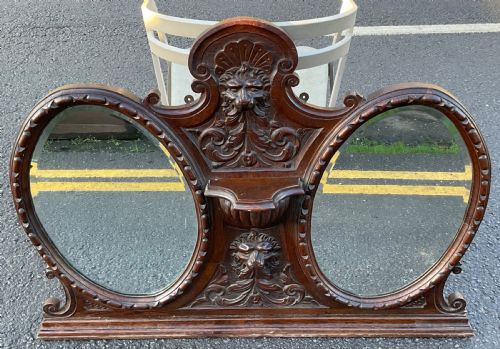
Carving remains a primary technique across the selection, seen in elaborate corbels, cherubs, and foliate motifs executed by hand. Inlaid elements, brass accents, and glass components further distinguish the construction of these decorative shelves and associated furniture.
Decorative Wooden Shelf Retail Price Guide 2026
Typical asking prices for decorative wooden shelf among the pieces listed under this phrase on Sellingantiques today, from the lower quarter to the upper quarter. They describe what is for sale here now, not the wider market.
Current listings feature pieces spanning the 17th, 18th, and 19th centuries alongside Edwardian and 1930s examples, constructed from oak, walnut, giltwood, and gesso.
Judgments of quality
Quality in a decorative wooden shelf rests upon the crispness of the hand-carving and the depth of the timber's grain and finish. Superior pieces display intricate detailing in elements like acanthus leaves or figural carvings, whereas simpler items rely on clean lines and sound joinery.
The choice of materials also dictates the tier of the piece, with burr walnut, finely figured mahogany, and genuine giltwood marking out works from more utilitarian pine or basic elm constructions. Original finishes and intact gilding elevate the standing of antique examples significantly.
The Decorative Wooden Shelf Glossary
- Bracket
- A projecting support built into or affixed to a wall to hold a shelf or heavy weight. These structural elements frequently double as decorative focal points.
- Corbel
- A structural piece of stone, wood, or metal jutting from a wall to carry a superincumbent weight. In decorative shelving, they are often heavily carved in scroll or figural motifs.
- Giltwood
- Wood that has been treated with gold leaf or a gold-coloured finish. This technique was widely utilised during the Baroque, Victorian, and later revival periods.
- Marquetry
- Decorative inlay work where pieces of wood veneer are fitted into a backing to form geometric or pictorial designs. It frequently ornaments the surfaces of walnut display pieces.
- Whatnot
- An open set of multi-tiered shelves used for displaying ornaments or books. Originating in the nineteenth century, these pieces combine utility with decorative presence.
Decorative Wooden Shelf: Frequently Asked Questions
How do I hang a heavy wooden wall bracket safely?
Check the weight of the timber and any carved projections before mounting the bracket to ensure it meets wall fixings correctly.
Consult a professional if the wall substrate is brittle plaster or lathe, as antique brackets often carry substantial weight.
What rooms suit a Victorian walnut display shelf?
These shelves suit sitting rooms, studies, or hallways where small ceramics, clocks, or books require a dedicated focal point.
Pairing the dark timber with neutral walls allows the grain and any carved details to stand out clearly.
How do I tell Arts and Crafts shelves apart from Victorian ones?
Arts and Crafts pieces typically feature plain timber, visible construction joints, and cut-out motifs that emphasise utility and handcraft.
Victorian examples lean towards heavier ornamentation, dark walnut or ebonised finishes, and elaborate gilding or carvings.
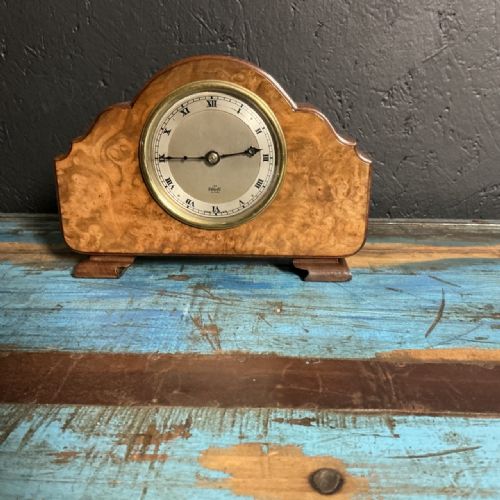
Can I place a small mantel clock on a wall bracket?
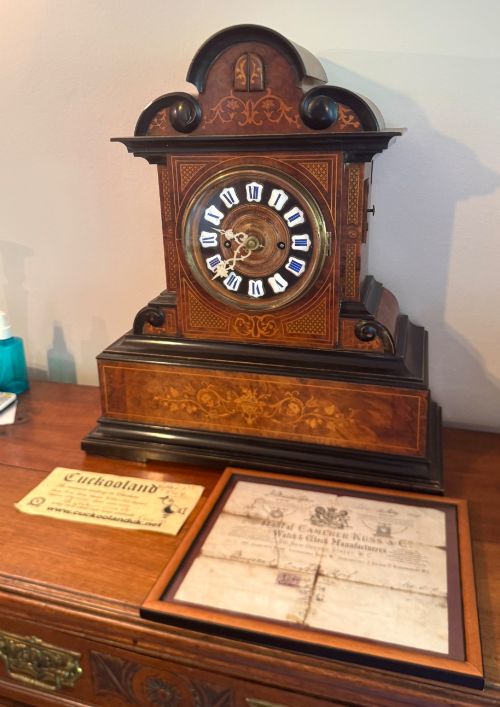
Many wall brackets and architectural ledges were specifically built to support small clocks, figures, or urns.
Ensure the shelf depth and weight capacity accommodate the base of the clock securely before placing it.