



Decorative Wood Chairs
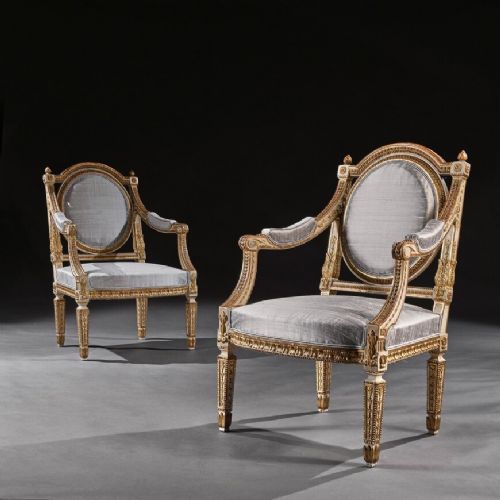
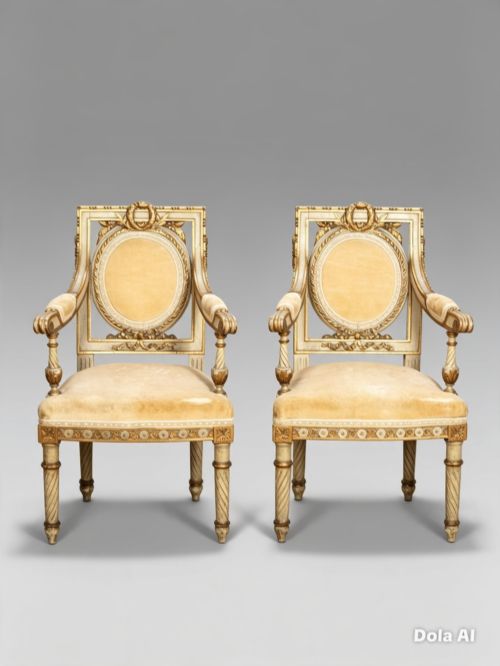
These decorative wood chairs bring centuries of carving, gilding, and regional craftsmanship straight into a room.
Decorative Wood Chairs
Decorative wood chairs encompass a wide variety of seating options designed to catch the eye, ranging from side chairs and armchairs to hall chairs and spinning chairs. Buyers searching for decorative wood chairs will encounter pieces spanning the nineteenth century, Regency era, and early twentieth century, showing influences from Victorian, Edwardian, and Neoclassical styles.
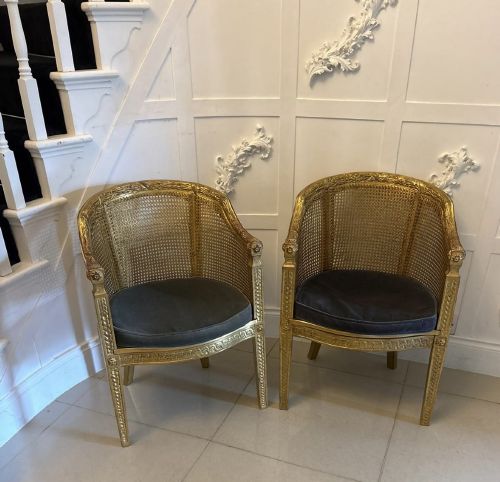
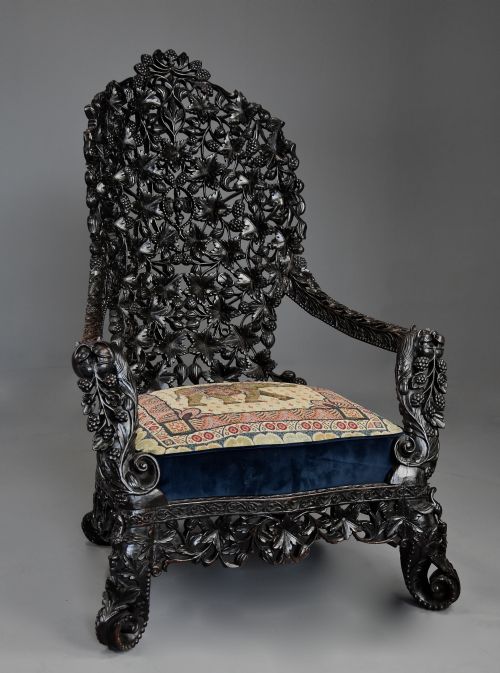
The selection on this page leans heavily into French giltwood, Italian painted finishes, and walnut frame constructions. Many pieces double as functional seating and sculptural accents, taking forms such as children's salon chairs, benches, window seats, and deeply carved Flemish or Anglo-Indian models.
How they were made
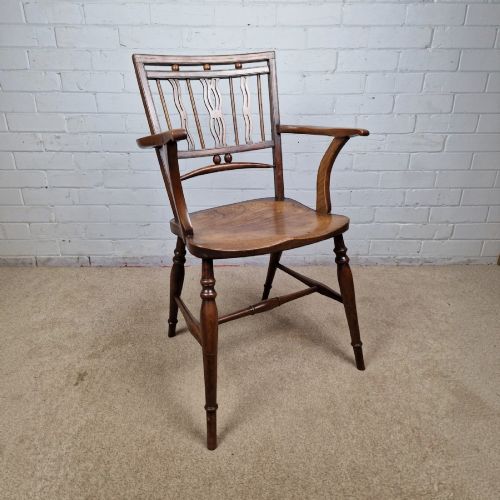
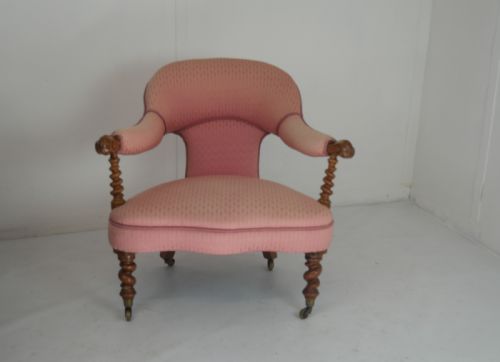
Cabinetmakers and carvers utilised solid hardwoods including walnut, mahogany, rosewood, oak, and blackwood to build these resilient frames. Detailed execution relies on hand carving, turning, and bobbin work to shape structural elements and ornamentation alike.
Surface finishes define much of the visual character, combining giltwood, parcel gilt, and painted accents with natural timber patination. Seating surfaces often incorporate cane panels or traditional upholstery in fabric and velvet.
The page records pieces from the Regency era through to the Edwardian period.
What varies in quality
The standard of carving and surface decoration dictates the visual success of each piece, distinguishing simple regional items from elaborate salon seating. Crisp depth in floral or figural relief work separates superior examples from softer, flatter detailing.
The integrity of the timber and the preservation of original gilding, paintwork, or cane panels influence the overall character. Coherence between the chosen style - whether Louis XVI, Renaissance Revival, or Arts and Crafts - and the execution of the frame determines the piece's standing.
The Decorative Wood Chairs Glossary
- Giltwood
- Wood that has been coated with gold leaf or a gold-coloured metallic finish. This technique highlights carved details on formal nineteenth-century frames.
- Bergere
- An enclosed upholstered armchair with wooden framing exposed around the sides and back. French examples often feature giltwood or painted surfaces.
- Parcel Gilt
- A decorative treatment where only specific portions of a wooden object are highlighted with gold leaf. It creates contrast against a painted or natural timber base.
- Bobbin Chair
- Seating constructed with turned wooden segments resembling spools or bobbins threaded together. This style became popular during the nineteenth century using woods like rosewood and walnut.
- Spinning Chair
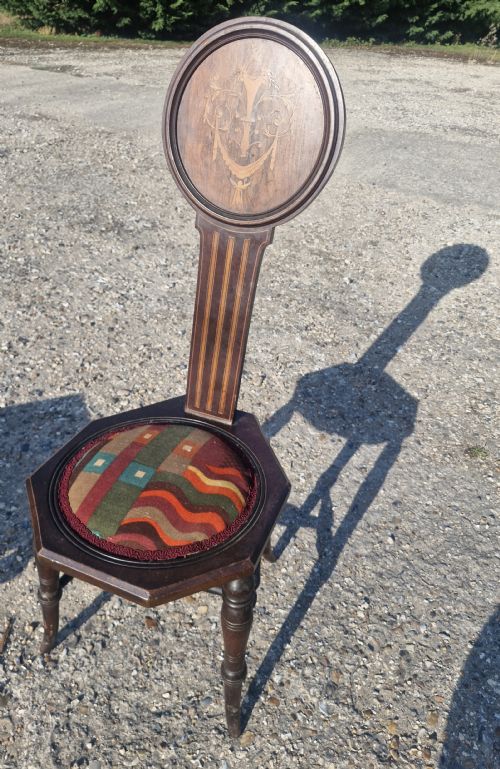
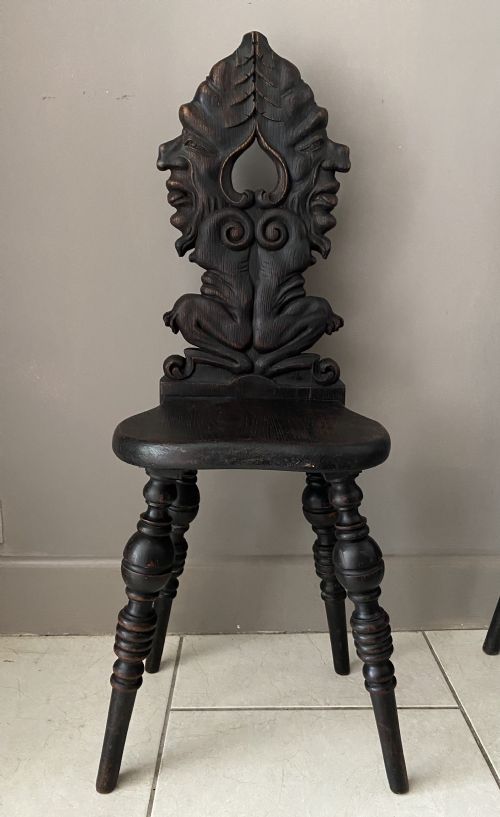
- A low-backed, highly decorative seat traditionally used beside a hearth or spinning wheel. These pieces frequently showcase intricate regional wood carving.
Decorative Wood Chairs: Frequently Asked Questions
What periods do these chairs come from?
The selections span the nineteenth century, including the Regency period, up to the early twentieth century.
Styles range from Victorian country regional pieces to formal French Louis XVI and Italian Neoclassical designs.
How were spinning chairs used?
Spinning chairs were historically designed with low seats for domestic textile work near the fire.
Over time, they evolved into decorative household items valued for their compact proportions and carved backs.
How do I identify a hall chair?
Hall chairs are typically constructed entirely of solid wood with rigid, upright backs designed for occasional use in entranceways.
They often feature carved crests, heraldic motifs, or architectural woodwork such as gargoyles.
What is the difference between giltwood and painted finishes?
Giltwood involves applying metallic leaf over a prepared wooden base to create a reflective, gilded surface.
Painted and parcel gilt finishes use colour pigments combined with selective gold leaf highlights to define the carved details.