





Decorative Silver Tableware
Decorative silver tableware brings form and lustre to the dining table through pieces shaped across the Victorian and twentieth-century eras.
Decorative Silver Tableware
Decorative silver tableware encompasses a varied selection of items designed for dining and serving, ranging from napkin rings and knife rests to fruit baskets and tea strainers. When searching for decorative silver tableware, buyers encounter forms spanning the nineteenth century through to the mid-twentieth century, including works from the Victorian and George V periods.
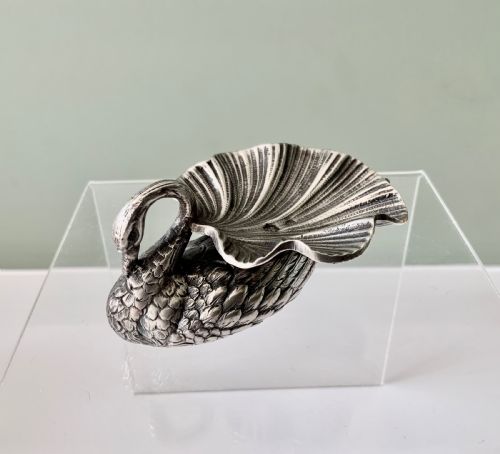
The objects listed on this page include sterling silver and silver-plated items alongside continental silver, nickel silver, and combinations featuring wood or stoneware. Functional serving pieces like tongs, grape shears, and salad bowls sit alongside decorative accessories such as swan salts and caviar ice server sets.
Victorian and George V examples dominate the selection, often showcasing historical revivals like the Neoclassical style or the distinctive output of the Arts and Crafts movement. Continental silver and Scandinavian modern designs also appear, providing a broad geographical spread of dining table artefacts from various past decades.
Materials and Techniques
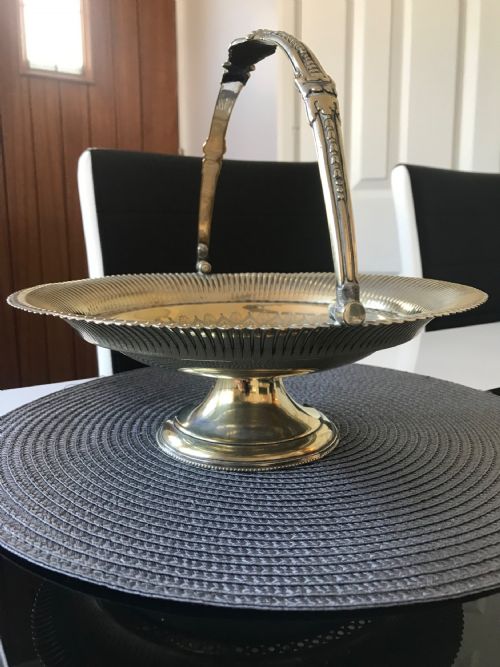
The manufacture of these dining pieces relies heavily on sterling silver and silver plate, alongside electroplated nickel silver and brass as base metals. Artisans utilised techniques such as casting, piercing, and plating to transform metal sheets and ingots into intricate baskets, bowls, and flatware.
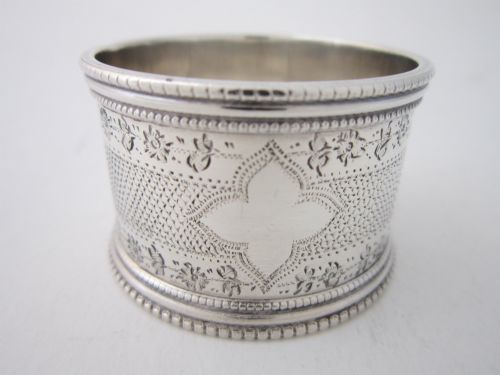
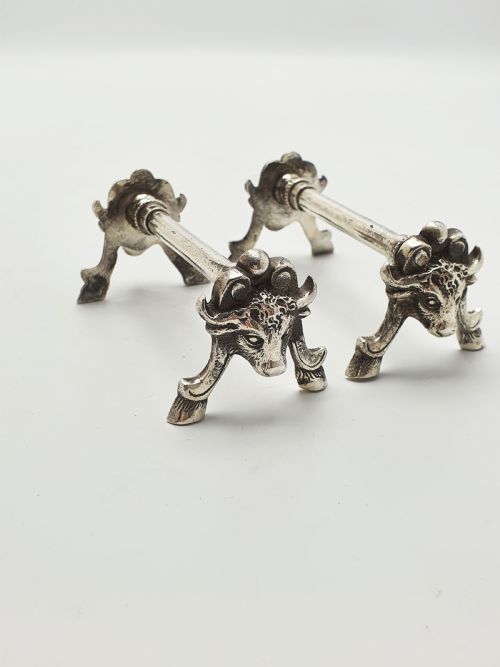
Certain items incorporate organic and ceramic elements to complement the metalwork, evidenced by turned wooden handles on tea strainers and stoneware bodies in salad bowls. Specialised makers applied hand-finishing, as seen in sculpted bull head knife rests and chased detailing on grape shears and napkin rings.
Decorative Silver Tableware Retail Price Guide 2026
Typical asking prices for decorative silver tableware among the pieces listed under this phrase on Sellingantiques today, from the lower quarter to the upper quarter. They describe what is for sale here now, not the wider market.
Dining tables of the past gained unexpected charm from fierce little silver bull heads tasked entirely with keeping butter knives off the linen.
Assessing Quality and Execution
The standard of decorative silver tableware is determined by the weight of the metal, the crispness of any chased or cast ornamentation, and the preservation of the original plating where applicable. Heavier gauges of sterling silver and substantial silver plate provide a more substantial feel in the hand and resist denting during daily use.
Maker attribution and the complexity of the design elevate particular examples above standard production pieces, distinguishing factory-made items from those bearing individual workshop signatures. The integrity of secondary materials, such as firmly turned wooden handles and undamaged stoneware bodies, also marks out superior pieces.
Elkington & Co·Frank Butler
The Decorative Silver Tableware Glossary
- Sterling silver
- An alloy containing a high proportion of pure silver combined with other metals to increase durability. This standard material is frequently hallmarked to indicate its metallic purity.
- Silver plate
- A layer of silver applied to a base metal core, such as copper or nickel silver, to provide the appearance of solid silver at a different cost. Plating thickness and wear determine the longevity of the finish.
- Knife rest
- A small support placed on the dining table to keep the blade of a carving or dining knife elevated above the tablecloth between courses. These often take figurative forms, such as animals.
- Caddy spoon
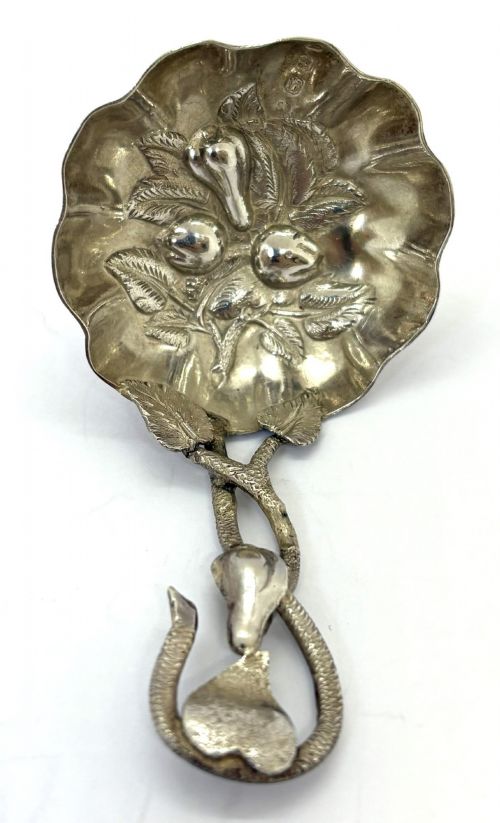
- A short-handled spoon specifically designed for measuring loose tea leaves from a caddy into a teapot. They often feature decorative bowls shaped like shells or leaves.
- Grape shears
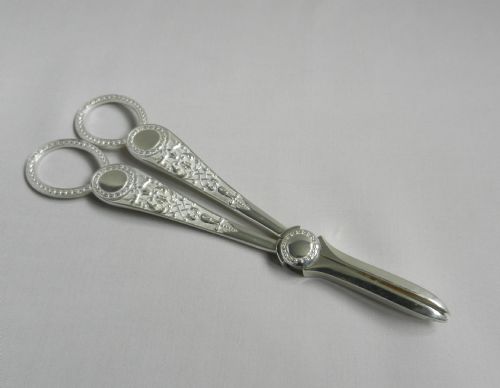
- A specialised pair of scissors used for cutting portions of fruit from a larger bunch at the table. Their handles and blades are frequently decorated with vine motifs.
Decorative Silver Tableware: Frequently Asked Questions
What is decorative silver tableware used for?
These items serve both functional and ornamental roles during dining, from holding napkins and serving fruit to straining tea and presenting condiments.
Many pieces were designed for specific rituals of the dining room, while others add sculptural interest to a table setting.
How do I clean silver tableware?
Maintenance involves gentle washing with warm water and mild soap, followed by drying with a soft cloth to prevent water spots.
Polishing should be done sparingly with a specialised silver cloth to protect the metal surface and any underlying plating.
How do I identify Victorian silver pieces?
Victorian items often display hallmarks corresponding to the nineteenth-century reign of Queen Victoria, alongside characteristic stylistic traits like Neoclassical revival motifs.
Heavier ornamentation and distinct manufacturing techniques from that era also help separate them from twentieth-century equivalents.