



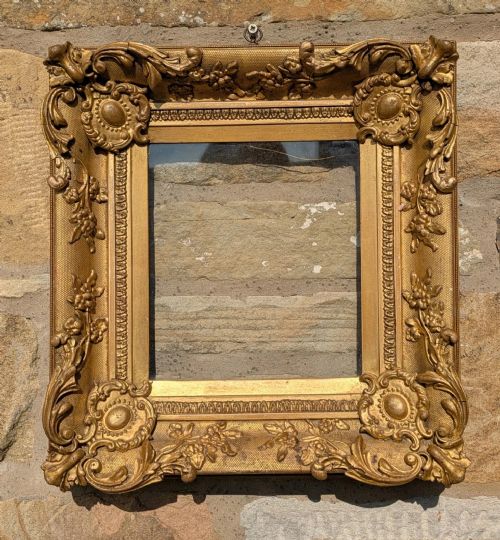


Decorative Photo Frame
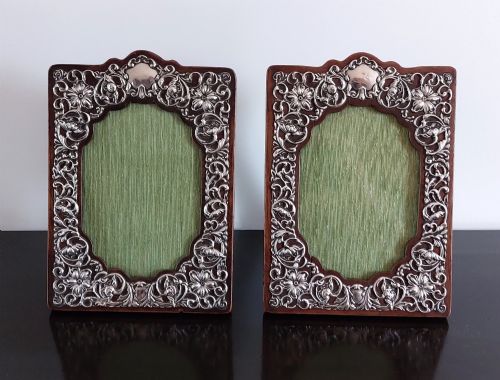
These decorative photo frame pieces bring period charm to a mantelpiece, offering intricate metalwork, wood, and velvet from the Victorian and Edwardian eras.
Decorative Photo Frame
A decorative photo frame brings tactile history into a room, often combining precious metals and rich backing materials. Buyers seeking a decorative photo frame encounter works spanning the late nineteenth century through the early twentieth century.
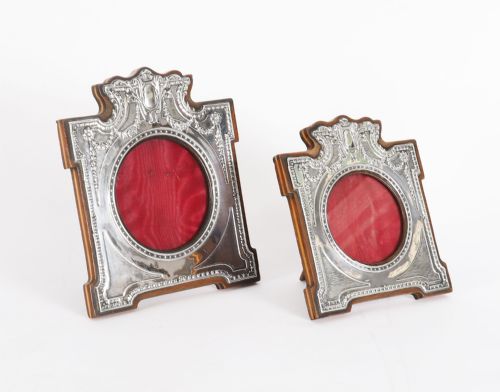
The selection includes matched pairs and single mounts in varied shapes, serving both wall hanging and desk display. Styles range from restrained Edwardian silver to flamboyant Victorian Rococo Revival and sinuous Art Nouveau.
Makers utilised diverse media, mounting sterling silver, brass, pewter, and ormolu around glass viewing windows. Backings frequently employ blue velvet, silk, paper, or carved walnut to complement the front presentation.
Materials and construction
Silversmiths and bronze workers cast, chased, and pierced metal mounts to create elaborate borders. Sterling silver, gilt bronze, and brass form the structural facades of these objects.
Backings rely on turned wood, particularly Kashmiri walnut, alongside stiffened paper and velvet panels. Easel struts and hinged supports allow these items to stand independently on surfaces.
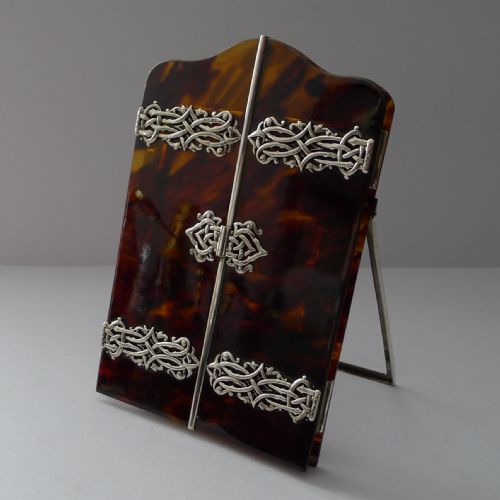
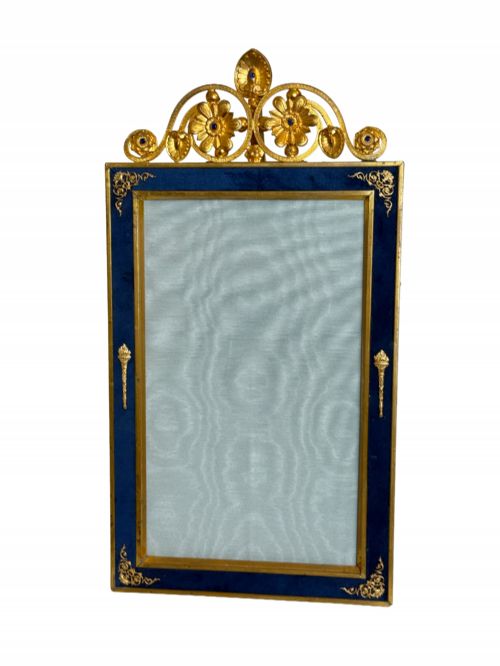
Gilding and ormolu finishes enrich bronze and base metals, while inset agate, paste stones, and tortoiseshell add colour and texture. Glass panes protect the watercolours, crystoleums, and photographs held within.
Decorative Photo Frame Retail Price Guide 2026
Typical asking prices for decorative photo frame among the pieces listed under this phrase on Sellingantiques today, from the lower quarter to the upper quarter. They describe what is for sale here now, not the wider market.
A gentleman's portrait peers out from beneath antique gesso, forever trapped in nineteenth-century contemplation.
Judging the standard
Quality rests on the crispness of the chasing and the weight of the sterling silver or bronze casting. Superior examples retain their original gilding, pins, and structural backing components without replacement.
The sophistication of the stylistic motifs, such as flowing Art Nouveau tendrils or precise French Empire details, separates standard items from exceptional ones. Intricate additions like inset paste stones or tortoiseshell panels elevate the craftsmanship.
Mappin Bros·Hardy Brothers
The Decorative Photo Frame Glossary
- Ormolu
- Gilded bronze used extensively for decorative mounts and frames during the nineteenth century. The technique involves applying a mercury and gold amalgam to bronze.
- Crystoleum
- A method of applying hand-coloured painting to the inside of concave glass during the Victorian era. The paper backing is subsequently rubbed away to leave only the pigment.
- Giltwood
- Wood that has been coated with a thin layer of gold leaf or powder. It provides rich luminosity on Victorian picture frames.
- Aesthetic Movement
- A late nineteenth-century design style emphasising visual beauty over narrative content. It often incorporates Japanese motifs and refined pewter work.
- Sterling silver
- An alloy containing ninety-two point five percent silver by mass, with the remainder being copper. It forms the primary metal for high-grade Edwardian and Victorian frames.
Decorative Photo Frame: Frequently Asked Questions
What periods do these frames represent?
The pieces span the late nineteenth and early twentieth centuries, encompassing Victorian, Edwardian, and Art Nouveau aesthetics. Makers produced them across various European and British workshops.
Dates generally range from the eighteen-eighties through the nineteen-thirties, reflecting shifting tastes in interior display and metalworking techniques.
How do I display a vintage frame?
Many examples feature built-in easel backs for tabletop placement on desks, mantelpieces, or chests of drawers. Others include rings for secure wall hanging.
Consider the weight of silver and bronze models when selecting a placement surface, ensuring the support structure remains stable.
What materials are behind the metal fronts?
Backings commonly utilise rich textiles such as blue velvet or silk, alongside turned woods like Kashmiri walnut. Paper linings also appear frequently.
These backing materials often feature hinged wooden struts that allow the frame to stand at an angle.
How do I distinguish Edwardian from Victorian styles?
Victorian pieces frequently display heavier ornamentation, including Rococo Revival curves or deep gilt moulding. They often employ rich tortoiseshell and elaborate silver mounts.
Edwardian designs tend toward lighter proportions, cleaner lines, and refined silverwork, reflecting a transition towards early twentieth-century elegance.