



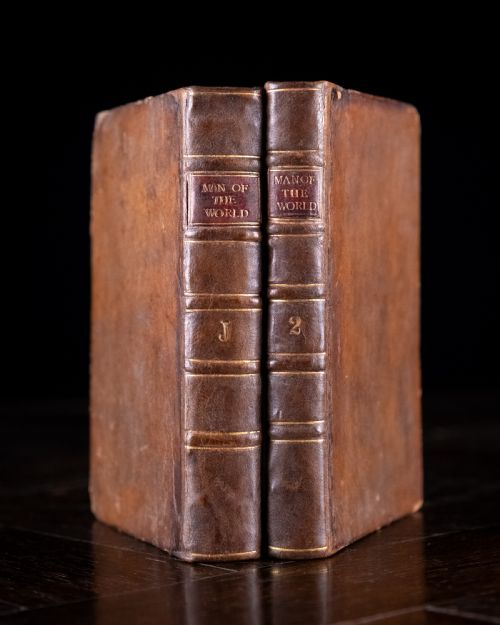


Decorative Leather Spines
Decorative leather spines transform library walls and study desks through tactile bindings of calfskin, vellum and gold leaf.
Decorative Leather Spines
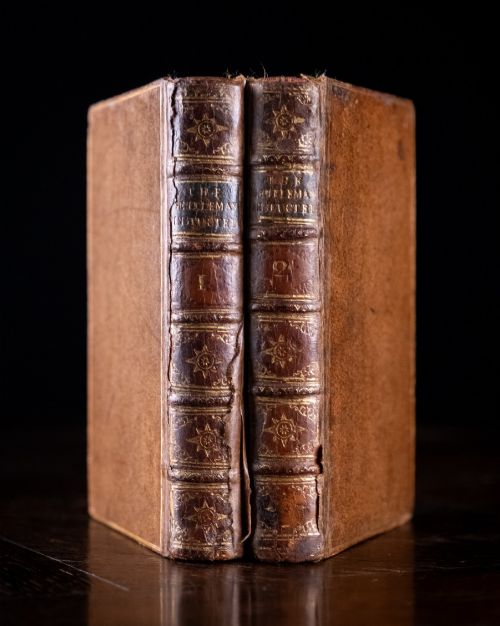
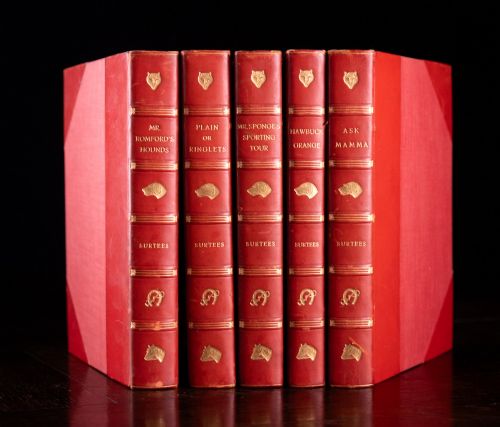
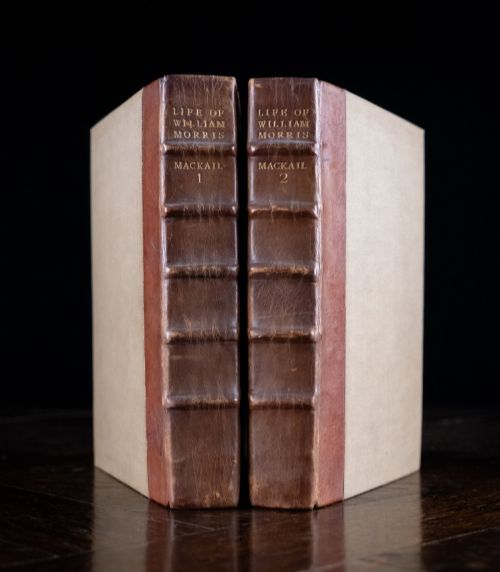
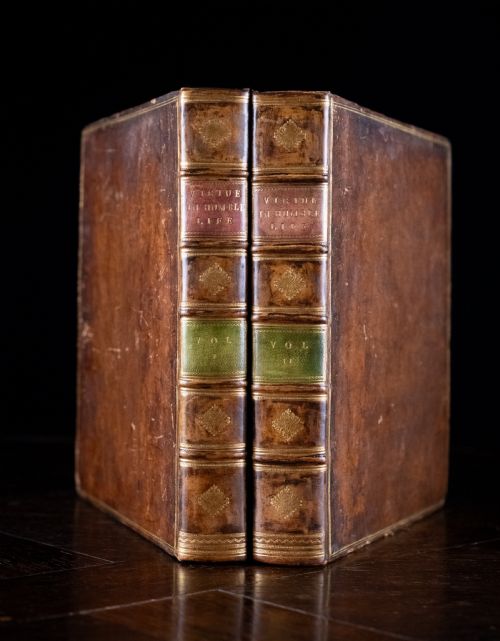
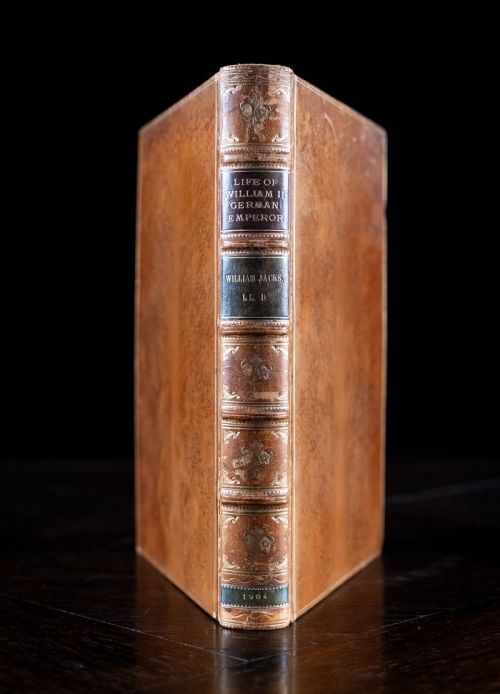
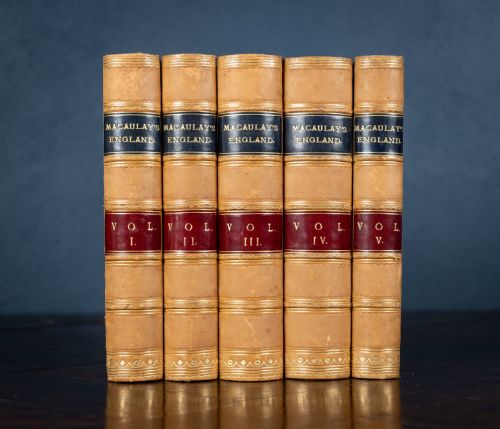
Decorative leather spines encompass antique books, multi-volume sets and bound periodicals originating from the eighteenth, nineteenth and early twentieth centuries. These volumes include collected works of literature, historical surveys, sporting novels and memoirs.
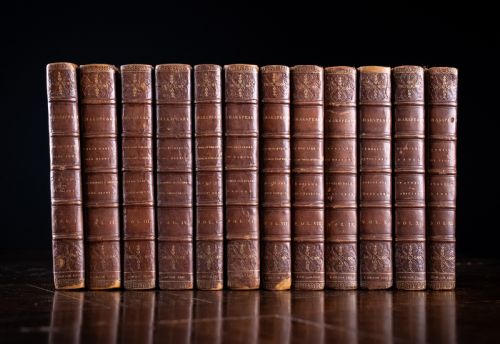
The most common formats on this page are multi-volume book sets and individual leather bound volumes spanning the Georgian, Victorian and Edwardian periods. Buyers also encounter specialty items such as vellum covered volumes and decorative boxes.
Originating largely from British and European presses, these pieces range from single volumes on philosophy to forty-seven volume sets of historical fiction. Each item displays period binding techniques designed for domestic display and study.
Materials and construction
Binders utilised durable natural skins including calf leather, calfskin and vellum over paper or cloth text blocks to ensure longevity. Spines were reinforced with raised bands to support the structure during frequent opening.
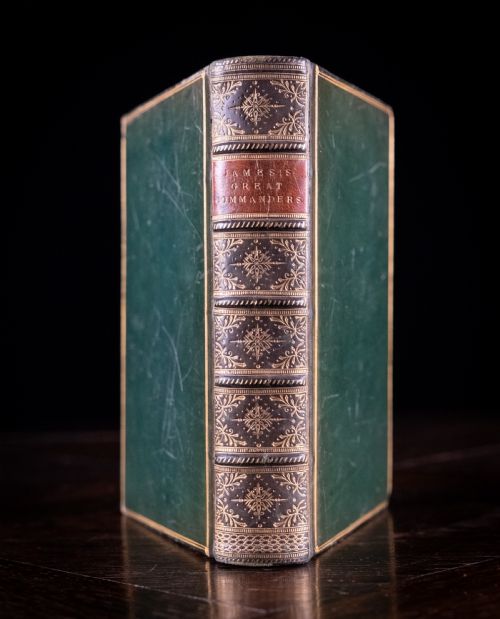
Tooling required the application of gold leaf pressed into heated leather surfaces to create lettering, decorative panels and floral motifs. Endpapers and internal pages utilised rag paper suited to traditional printing methods.
Several Victorian volumes disguised as genuine literature are actually decorative boxes, offering a hidden compartment for storing small secrets.
Assessing quality in bindings
Superior examples demonstrate crisp, deep impressions of gold leaf tooling and well-preserved lettering that remains legible across the entire spine. Hand-tooled details and uniform coloration across multi-volume sets indicate careful workshop production.
The integrity of the material dictates the grade, with supple leather and intact vellum outperforming dry, cracked or heavily faded surfaces. Complete sets where every volume shares identical contemporary binding exhibit higher archival cohesion than assembled runs.
The Decorative Leather Spines Glossary
- Vellum
- A fine parchment material prepared from calfskin, noted for its smooth pale surface and durability. It was frequently used for classical texts and luxury editions.
- Calfskin
- A soft, high-grade leather tanned from the hide of a calf. Binders valued it for its smooth grain which accepted gold tooling cleanly.
- Gold leaf
- Extremely thin gold beaten into sheets, applied to leather bindings using heated brass tools. This technique created metallic lettering and ornamentation.
- Raised bands
- Horizontal ridges across a book spine formed by the underlying cords or thongs holding the gatherings together. They indicate traditional hand-sewn binding methods.
- First edition
- The earliest printed appearance of a text from type set specifically for that run. Collectors prize these alongside uniform contemporary bindings.
Decorative Leather Spines: Frequently Asked Questions
How should I clean leather spines?
Dust bindings regularly with a soft, dry cloth to prevent particulate accumulation in the crevices of the tooling.
Avoid applying liquid cleaners or household polishes to the leather, as moisture damages historical hide and gold leaf.
Can I store these books in direct sunlight?
Keep leather and vellum bindings away from direct sunlight and strong artificial spotlights to prevent fading and drying.
Stable room temperatures and moderate humidity protect the natural materials from warping and cracking over time.
What periods do these bindings represent?
The listings span from the mid-eighteenth century through the Georgian and Victorian eras into the Edwardian period.
Victorian and Edwardian multi-volume sets form the majority of the current selection alongside eighteenth-century historical texts.
How are multi-volume sets assembled?
Publishers issued comprehensive works across multiple uniform volumes, often bound by the same bindery to ensure visual consistency on library shelves.
Some sets combine individual volumes published over several years that share matching contemporary leather bindings.