
Decorative Bronzes
Decorative antique bronzes bring the warmth of nineteenth-century foundry work and international craftsmanship into a room.
Decorative Bronzes
Decorative antique bronzes encompass a wide range of metalwork objects, spanning from nineteen-century French candelabra and mantel clocks to Japanese Meiji period vases and animal sculptures. These pieces function as ornamental accents in domestic interiors, merging utility with detailed sculptural form.
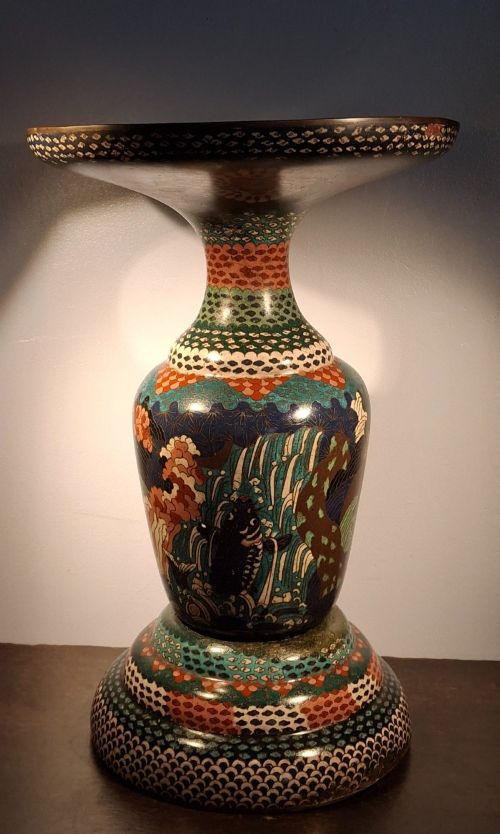
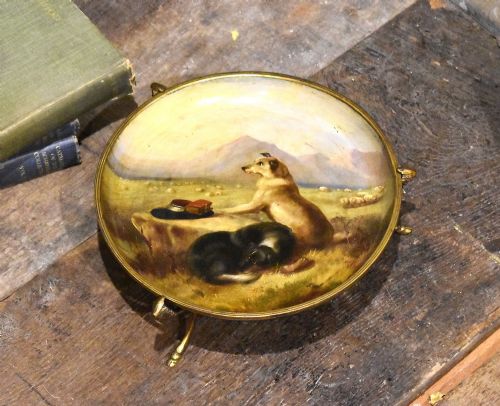
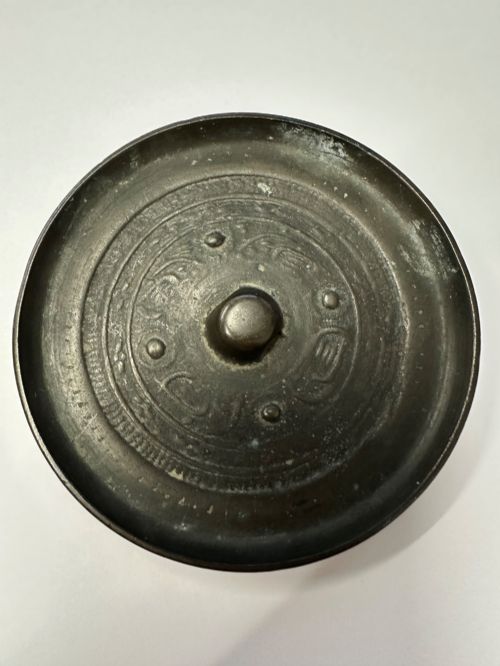
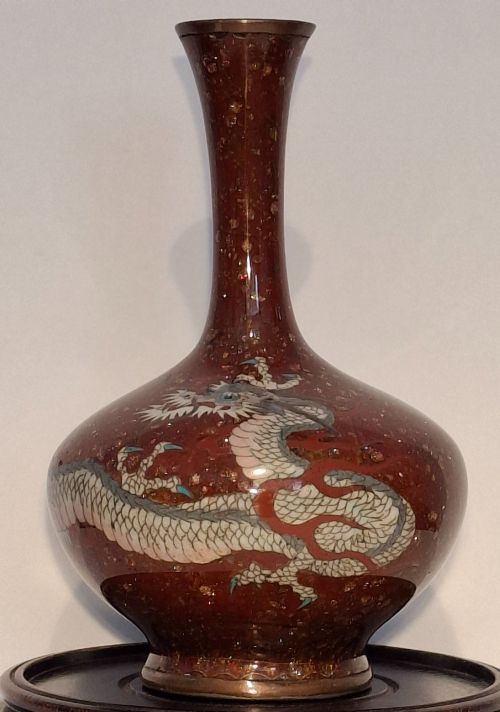
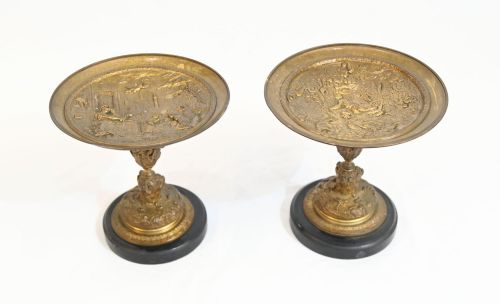
The selections most frequently met on this page include nineteenth-century French gilt bronze items and Japanese bronze or cloisonné vessels. Buyers encounter figures of animals, decorative tazzas mounted on marble bases, and architectural wall lights originating from the 1800s and early 1900s.
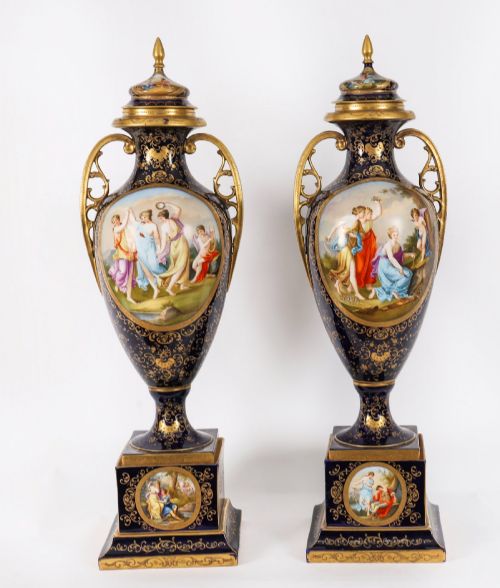
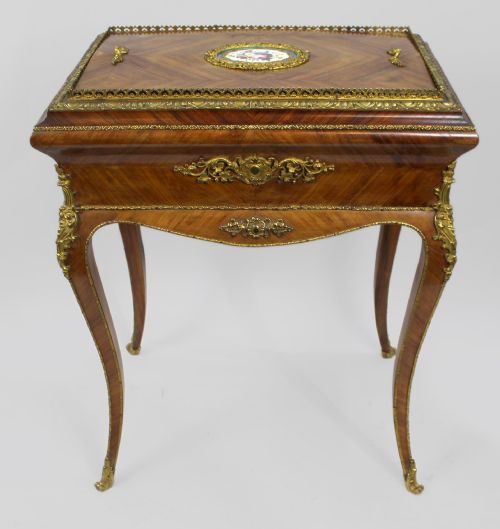
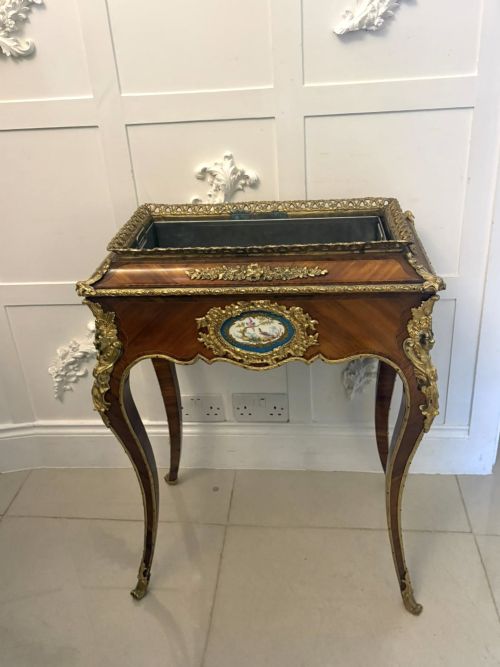
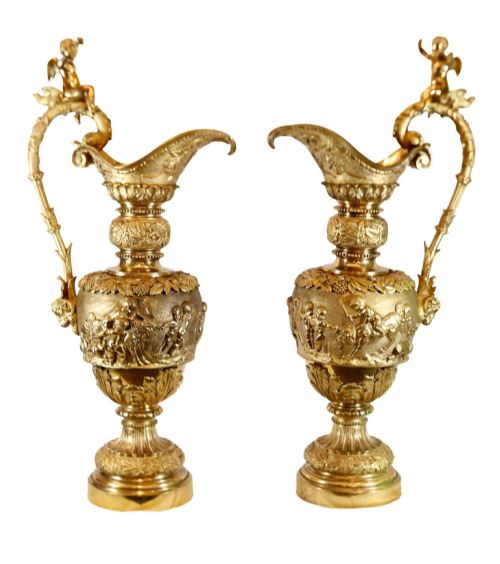
Originating largely from European and Japanese workshops, these items often incorporate mixed media. Bronze and ormolu combine with porcelain, marble, and enamel to create decorative objects intended to catch the light and anchor a room's aesthetic.
How they were made
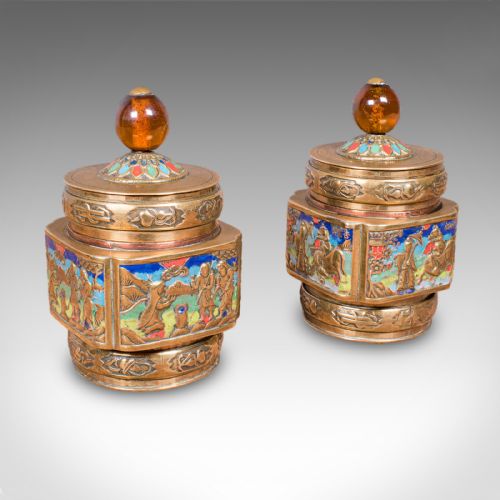
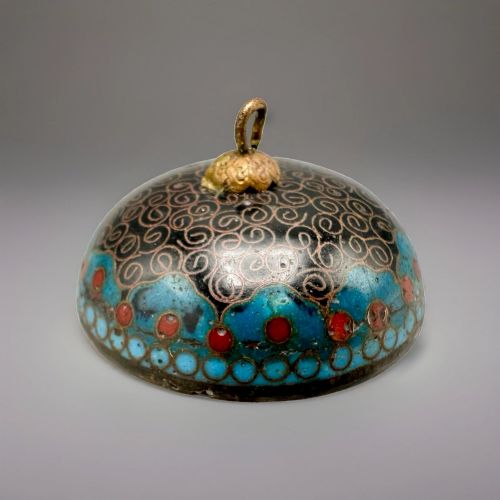
Foundries utilised traditional casting methods to shape the bronze, often finishing the metal with fire gilding to create ormolu or applying cold-painted enamels for surface colour. Artisans also worked with champlevé enamel techniques, recessing patterns into the metal body to hold coloured glass pastes before firing.
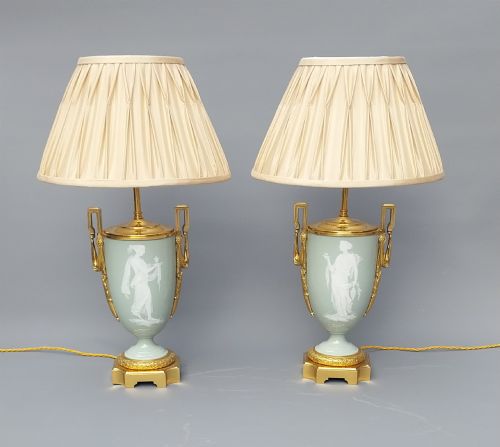
Many items incorporate contrasting structural elements, pairing bronze mounts with Sevres porcelain bodies, carved marble pedestals, or glass crystals. These mixed-material creations demand precision fitting between the cast metal mounts and the ceramic or stone components.
Listings feature 19th-century and early 20th-century decorative pieces, incorporating gilt bronze, marble, porcelain, and cloisonné enamel.
What varies in quality
The finesse of the chasing and hand-finishing on the metal surface distinguishes finer examples from standard production pieces. Sharp relief in cast details, such as the feathers on bird sculptures or the foliage on French rococo mounts, indicates skilled foundry work.
The integration of secondary materials dictates overall quality, seen in the seamless fit of ormolu mounts to porcelain bodies or the depth and clarity of champlevé and cloisonné enamel work. Heavier, more substantial marble bases and heavier metal gauges generally accompany superior craftsmanship.
Poix Blin·KANASAWA·Ferdinand Preiss·Barbedienne·Raymond Subes·Henry Marc
The Decorative Bronzes Glossary
- Ormolu
- Gilded bronze, typically produced by applying a mercury-gold amalgam to a bronze base and heating it. This technique imparts a rich golden surface finish common in French decorative arts.
- Champlevé
- An enamelling technique where troughs or cells are hollowed out of the metal surface and filled with enamel powder before firing. It creates vibrant patterns alongside exposed metallic lines.
- Tazza
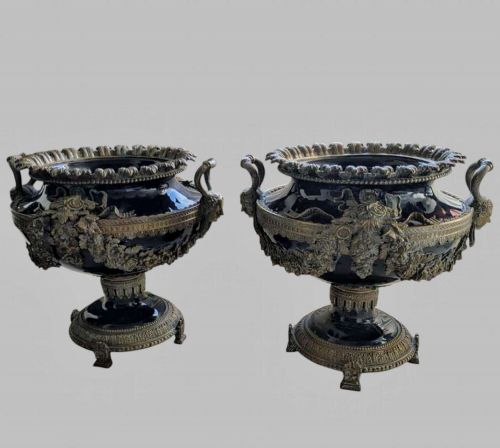
- An ornamental shallow cup or vase set on a pedestal foot. These pieces frequently feature in nineteenth-century decorative metalwork.
- Chenets
- Metal firedogs placed at the hearth to support logs. Antique versions often feature elaborate cast bronze or ormolu figural designs.
- Cloisonné
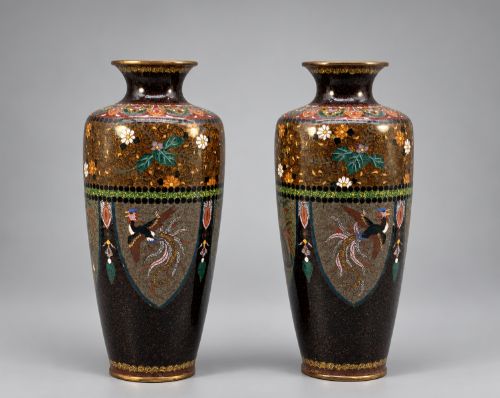
- An ancient technique for decorating metal object surfaces, using wires to create compartments that are filled with enamel paste. Japanese Meiji period examples display exceptional mastery of this method.
- Spelter
- A zinc alloy frequently used as a cheaper substitute for bronze. It mimics the appearance of true bronze when patinated, though it is softer and lighter.
Decorative Bronzes: Frequently Asked Questions
How do I identify french ormolu?
French ormolu exhibits a distinctive golden warmth derived from historical mercury-gilding techniques. Under close inspection, the surface shows hand-chased details rather than uniform machine finishing.
Heavier pieces often demonstrate the substantial weight characteristic of nineteenth-century foundry work. The gilding should follow the contours of the underlying bronze casting with precision.
How do I clean antique bronze?
Antique bronze requires minimal intervention to preserve its historical patination and surface integrity. Gentle dusting with a soft dry cloth removes everyday surface particles without harming the metal.
Harsh chemical polishes should be avoided because they strip away desirable aged patinas. Professional conservation advice is recommended for pieces with delicate gilding or enamel work.
What is the difference between bronze and spelter?
Bronze is a durable copper alloy that takes fine chisel work and develops a stable patina over time. Spelter is a softer, lighter zinc-based metal that was often used as an economical alternative.
Items cast in spelter generally feel lighter in the hand than true bronze pieces. Magnetic tests and visual inspection of the metal grain help differentiate the two materials.