


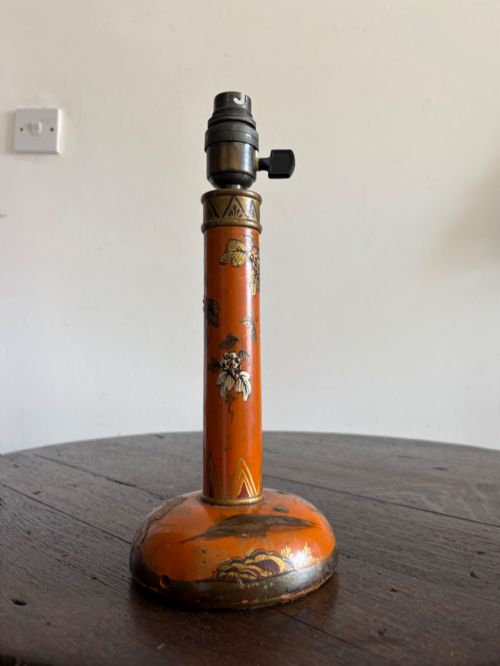


Deco Style Light
These deco style light fittings combine geometric forms and industrial metals to illuminate interiors with period character.
Deco Style Light
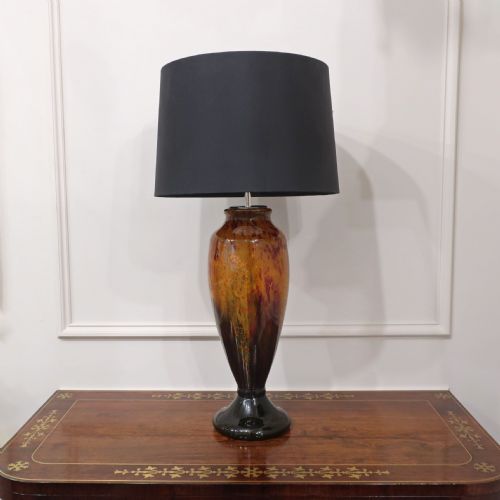
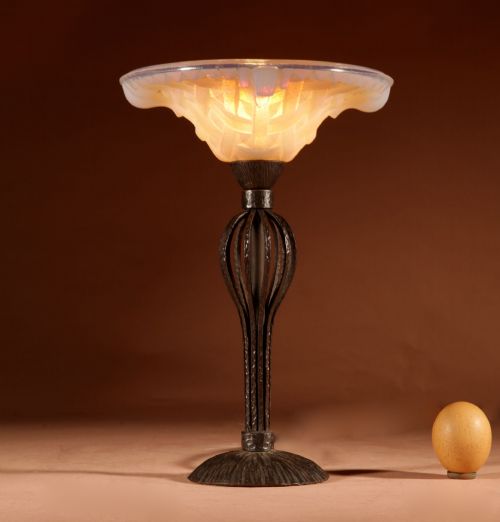
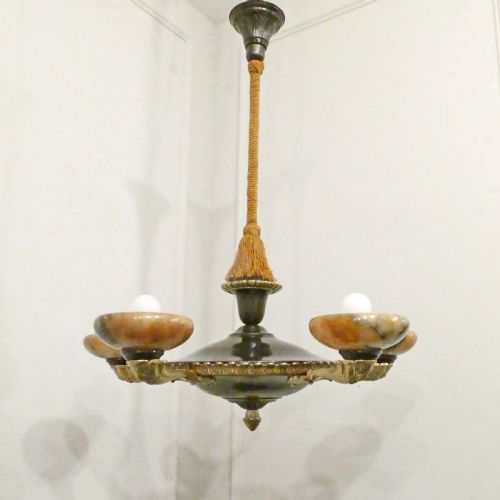
A deco style light brings distinct early twentieth-century design into modern rooms, drawing on the aesthetics of the nineteen-twenties and nineteen-thirties. Buyers encounter various lighting forms here, ranging from ceiling fixtures and chandeliers to floor lamps and table lamps.
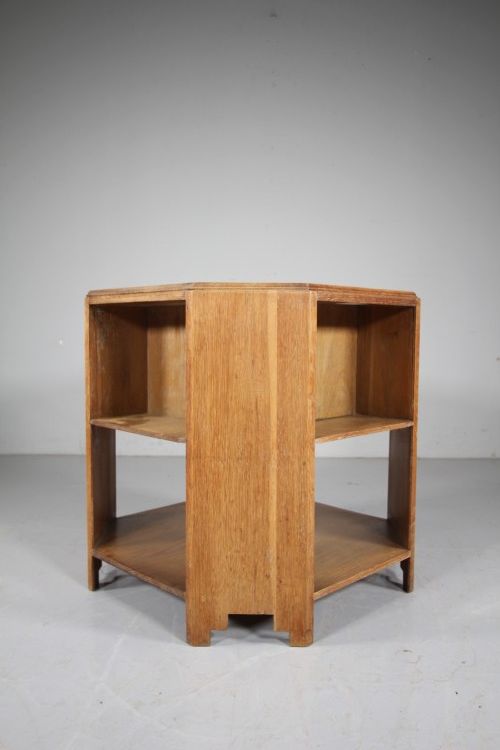
The selection includes pieces influenced by specific regional movements such as the Amsterdam School, Dutch Art Deco, and the Bauhaus style. Alongside standard lighting, the listings incorporate related decorative objects and occasional furniture from the same eras.
Materials and construction
Workshops utilised durable metals including brass, bronze, copper, chrome, and wrought iron to form structural frames and wall mounts. These metal elements frequently appear paired with mottled glass, opalescent glass, or crystal shades.
Wooden components like oak and birds-eye maple support specific table lamps and floor lamps. Makers also employed fabric shades and applied hand-painted finishes to achieve distinct decorative effects.
Deco Style Light Retail Price Guide 2026
Typical asking prices for deco style light among the pieces listed under this phrase on Sellingantiques today, from the lower quarter to the upper quarter. They describe what is for sale here now, not the wider market.
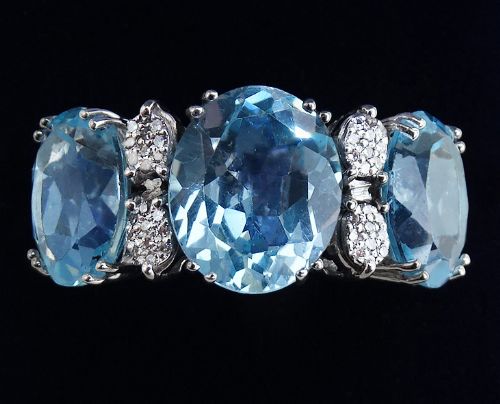
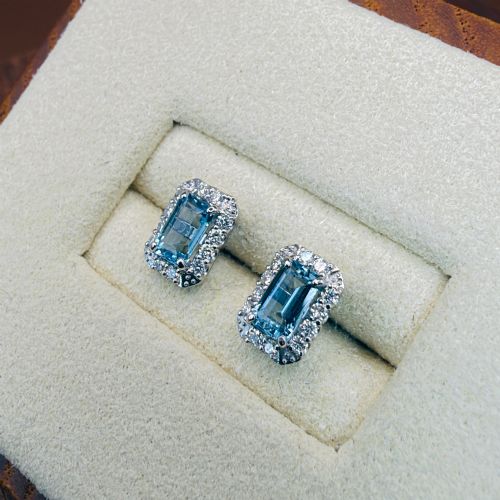
The listings incorporate several materials, including brass, oak, glass, chrome, aquamarine, diamond, platinum, and fabric.
Judging quality in lighting
Quality separates through the substance of the metalwork and the clarity of the glass elements. Heavier cast brass or bronze frames display crisper detailing than pressed alternatives.
The integration of design motifs, such as organic curves versus strict geometric lines, indicates the execution standard. Original patination and intact glass shades preserve the integrity of the piece.
Charles Schneider·Wilhelm Wagenfeld·Harry and Lou Epstein·Lalique
The Deco Style Light Glossary
- Art Deco
- A design style characterised by sleek geometric shapes, streamlined forms, and industrial motifs. It dominated decorative arts during the nineteen-twenties and nineteen-thirties.
- Amsterdam School
- An architectural and design movement originating in the Netherlands around nineteen hundred. It focuses on rounded organic forms and expressive brickwork or woodwork.
- Bauhaus
- A German school of design emphasising functionalism and industrial manufacturing methods. Objects from this tradition feature stripped-back utilitarian configurations.
- Chandelier
- A branched ornamental light fixture suspended from the ceiling. These pieces hold multiple bulbs or candles and often incorporate crystal drops.
- Odeon style
- An architectural and decorative idiom inspired by cinema design. It utilises stepped skyscraper profiles and concentric curved tiers.
Deco Style Light: Frequently Asked Questions
What materials define these lights?
These fixtures commonly feature metals such as brass, bronze, and chrome paired with glass shades. Wooden elements like oak and maple also appear in certain lamp bases.
Craftsmen utilised these durable substances to construct sturdy frames that supported the distinctive geometric aesthetics of the period.
How do I date a fixture?
Dating relies on stylistic clues, construction methods, and material usage characteristic of specific decades. Pieces often reflect design movements ranging from early twentieth-century arts and crafts to nineteen-thirties industrial modernism.
Examining the metal patina and glass-blowing techniques provides further confirmation of the production era.
Where were they used?
Original owners installed these light fixtures in domestic rooms, offices, and grand public halls. Table lamps illuminated desks and side tables, while chandeliers hung centrally in main living spaces.
Different formats suited specific illumination needs within interior architecture.
How do I maintain the metal?
Maintenance involves gentle dusting with a soft dry cloth to prevent dirt accumulation on the metal and glass surfaces. Avoid harsh chemical cleaners that strip original patination.
Preserving the historic finish maintains the visual character of the brass, bronze, or chrome components.