

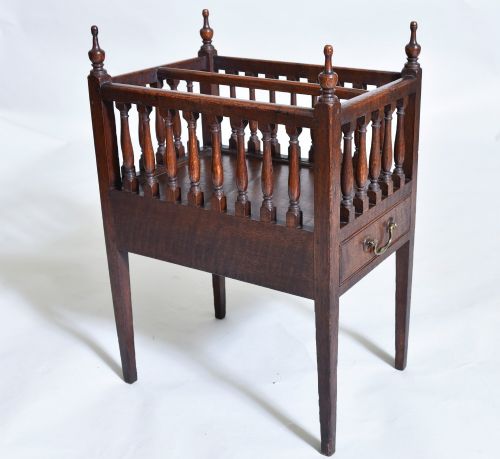
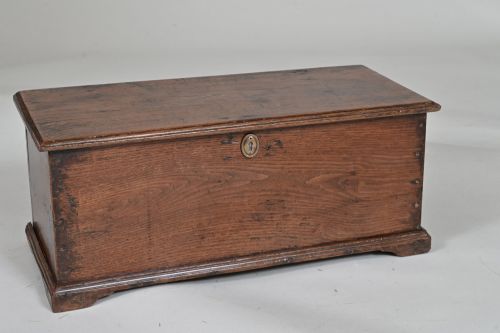
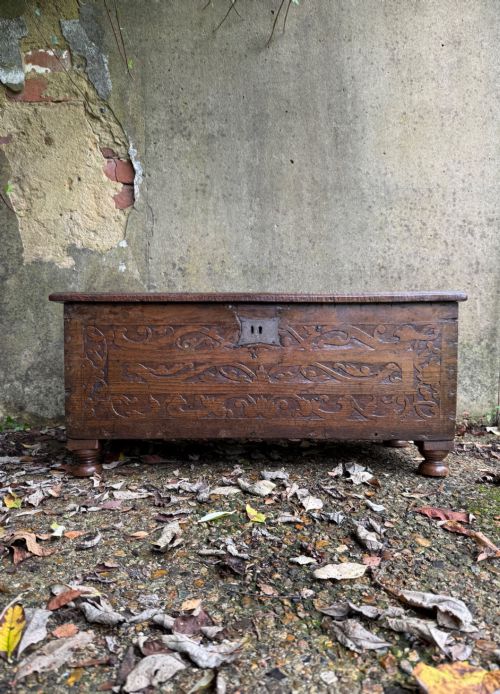
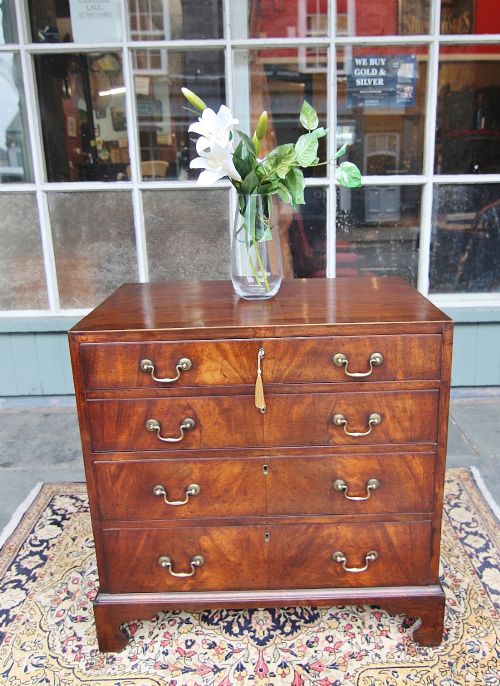
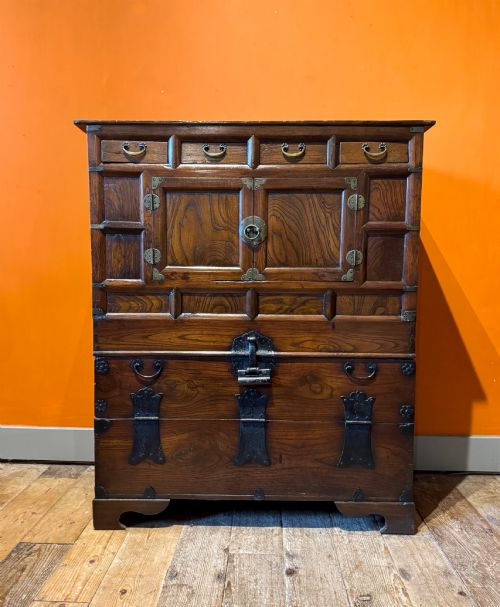
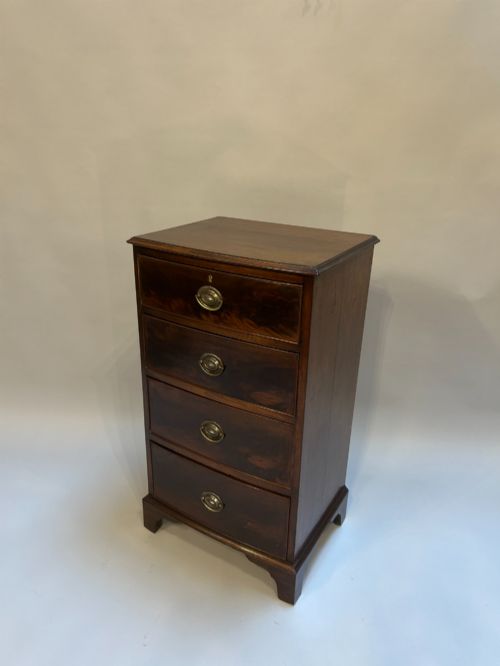
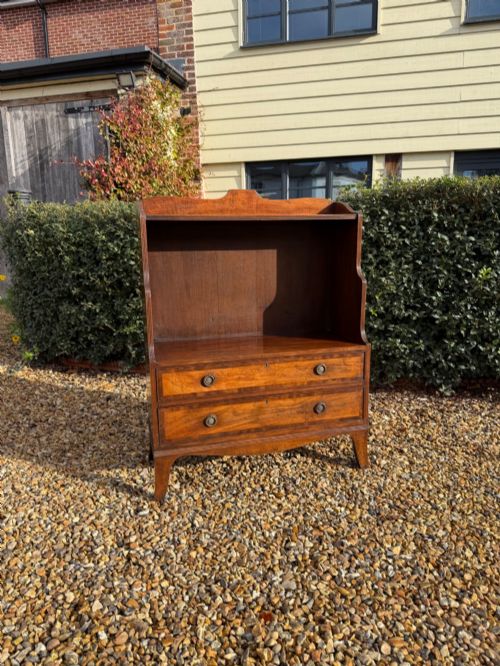
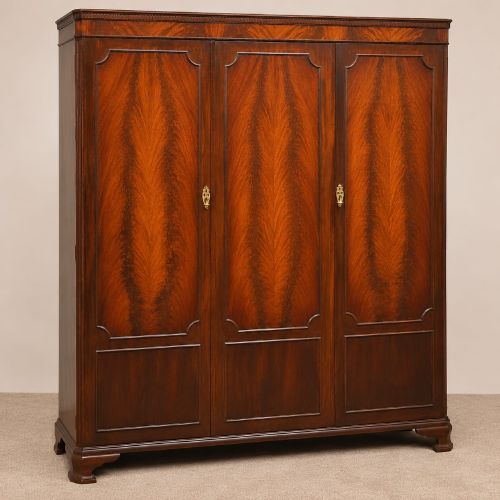
Dark Wood Storage
Dark wood storage encompasses sturdy timber chests, cabinets, and dressers designed to organise domestic spaces across centuries of British and continental craftsmanship.
Dark Wood Storage
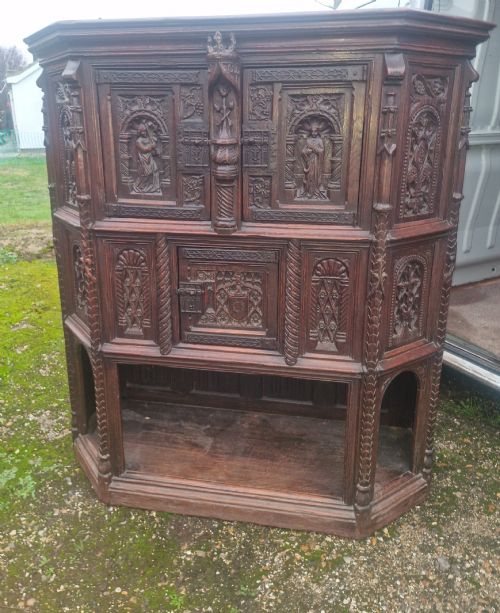
Dark wood storage pieces span from seventeenth-century Jacobean oak furniture to twentieth-century mahogany cabinets and chests of drawers.
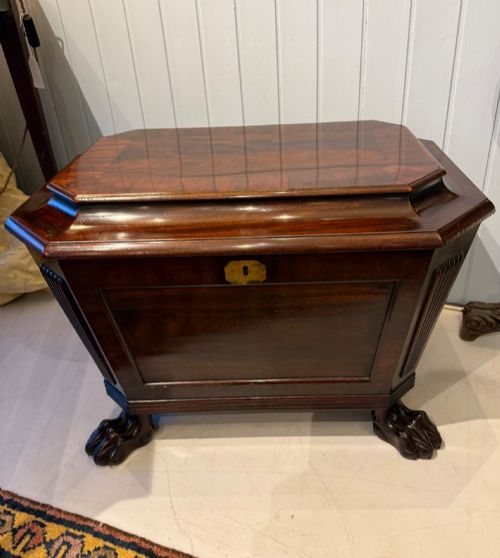
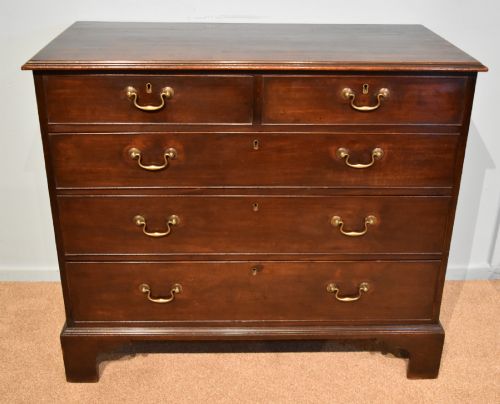
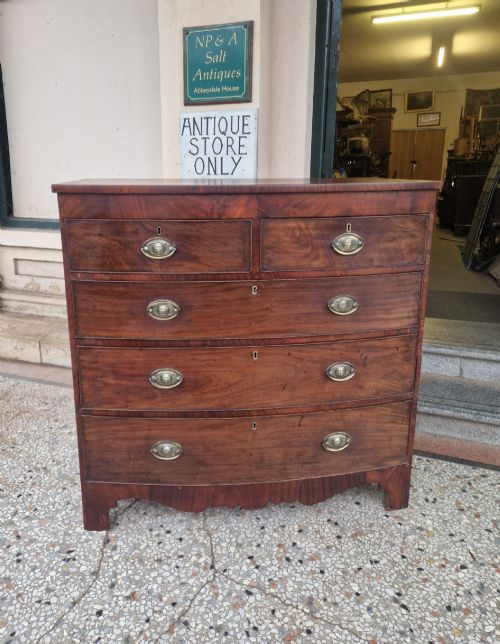
Chests of drawers, bookcases, sideboards, and smaller boxes dominate this selection, frequently utilising dense timbers like oak, mahogany, and rosewood.
Origins range from formal Georgian and Victorian workshops to regional Arts and Crafts outputs and imported nineteenth-century carved hardwood benches.
Distinguishing Quality in Timber Storage
Superior examples display careful timber selection with harmonious grain patterns, alongside original hardware such as brass ring handles and working keys.
Mastery shows in proportion and structural integrity, where fine dovetail joints and balanced cabinetry separate standard utility items from high-status furniture.
Dark Wood Storage Retail Price Guide 2026
Typical asking prices for dark wood storage among the pieces listed under this phrase on Sellingantiques today, from the lower quarter to the upper quarter. They describe what is for sale here now, not the wider market.
Functional forms range from massive Welsh dresser bases and open bookcases down to portable folding sports wardrobes.
The Dark Wood Storage Glossary
- Brushing slide
- A pull-out shelf located above drawers, historically used for grooming or folding clothes.
- Purdonium
- A specialised timber box or coal scuttle featuring a sloping front and an interior metal liner.
- Tea caddy
- A lidded box partitioned for storing loose tea leaves, often fitted with a small glass mixing bowl.
- Serpentine front
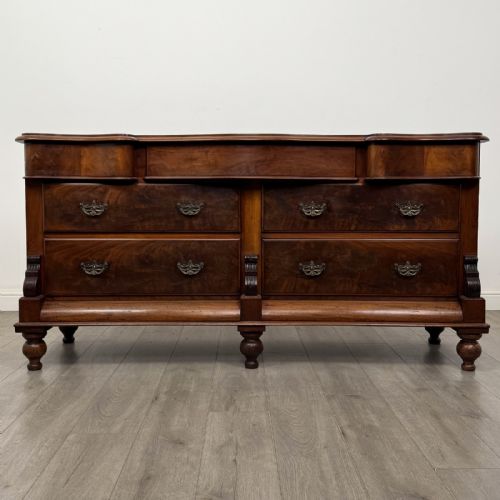
- A cabinet or chest profile curving outward at the centre and inward at the sides in an undulating line.
- Bow front
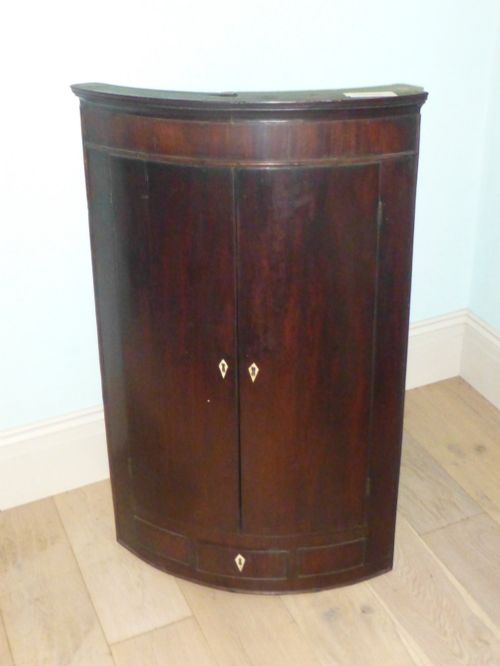
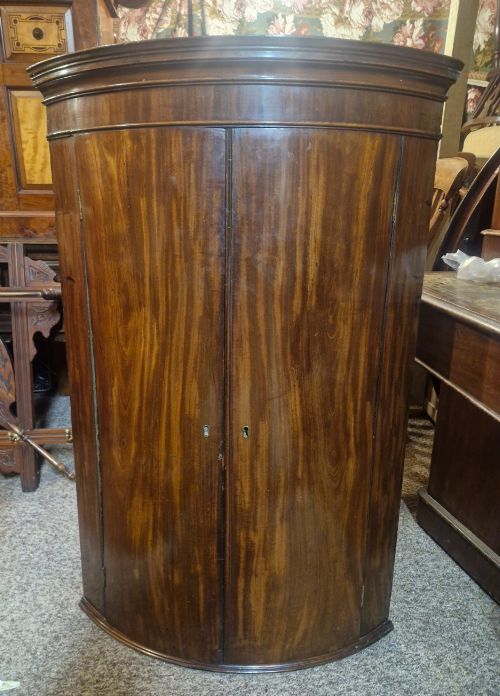
- A convex furniture front that curves gently outward to maximise internal space and soften room angles.
Dark Wood Storage: Frequently Asked Questions
How do I date a mahogany chest of drawers?
Dating relies on examining construction methods, timber thickness, and hardware styles. Earlier pieces from the eighteenth century typically exhibit hand-cut dovetails and native oak secondary woods.
Later Victorian and twentieth-century iterations introduce machine-sawn components, standardised drawer linings, and different brass handle typologies that correspond to manufacturing shifts.
What was a purdonium used for?
A purdonium served as a domestic coal container placed beside a fireplace. The hinged or sloping lid kept fuel neatly contained while hiding the messy contents from view.
Inside, a removable metal liner protected the surrounding timber structure from soot, moisture, and heavy coal chunks during daily household refuelling.
Are tea caddies considered storage furniture?
Tea caddies function as portable tabletop storage units rather than large case furniture. Their internal compartments safeguarded expensive, imported tea leaves under lock and key.
Many surviving examples also incorporated glass mixing bowls for blending different tea varieties before brewing in the parlour.
Where should I place a Welsh dresser?
Welsh dressers work well in kitchens or dining rooms to display tableware on upper shelves while concealing linens below. Their substantial oak frames anchor larger wall spaces effectively.
Ensure placement avoids direct heat sources and strong sunlight to protect the aged timber surface and prevent historic joints from drying out.
How do I care for antique rosewood?
Antique rosewood requires minimal intervention, benefiting primarily from dusting with a soft, dry cloth. Avoid modern silicone sprays that build up residue over time.
Maintaining stable room humidity prevents the dense tropical timber from cracking or warping, preserving the natural oils and rich colour of the grain.