


Dark Tone Canvas Paintings
Dark tone canvas paintings gather centuries of portraiture and still life in deep, atmospheric oils.
Dark Tone Canvas Paintings
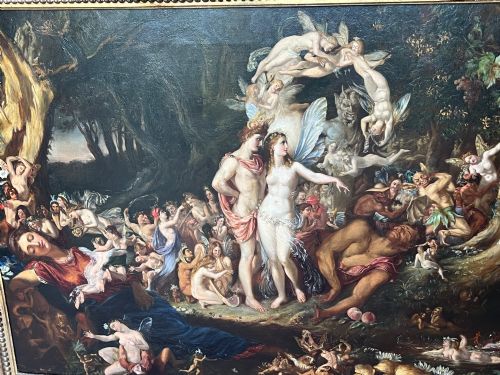
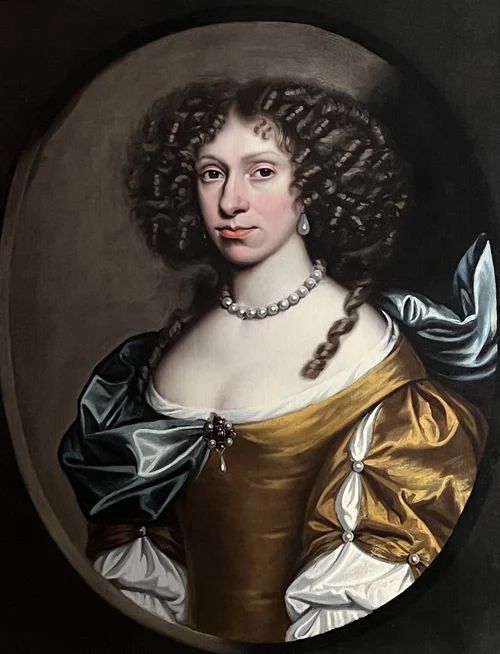
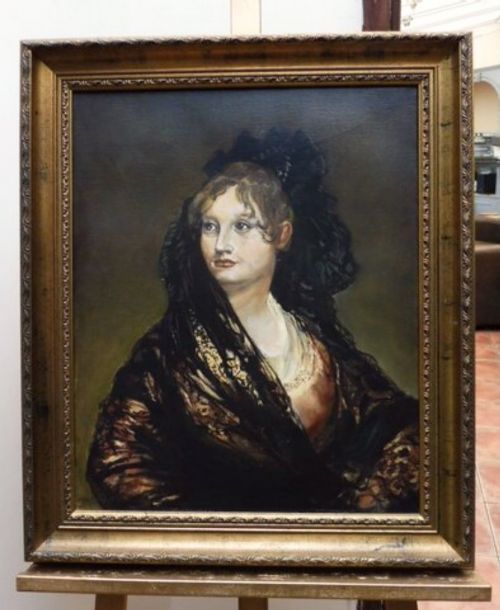
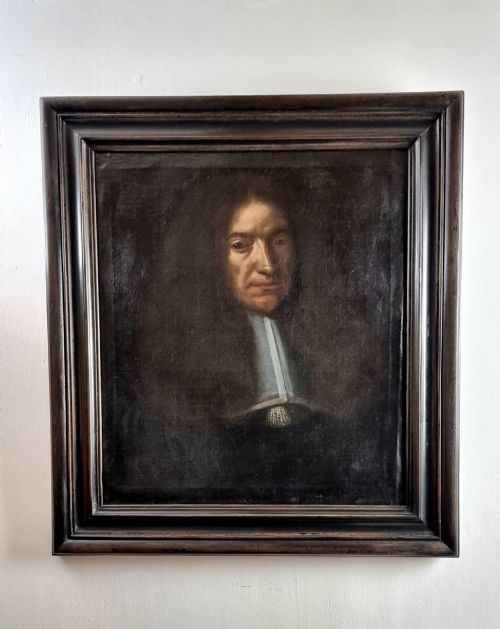
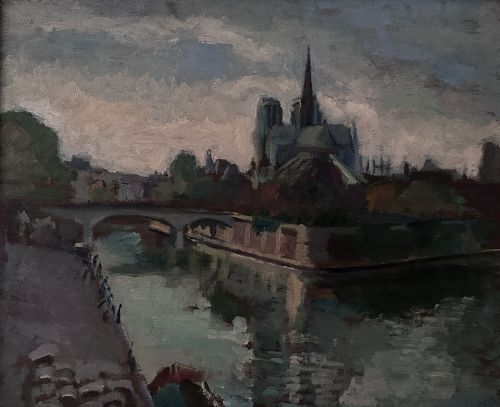
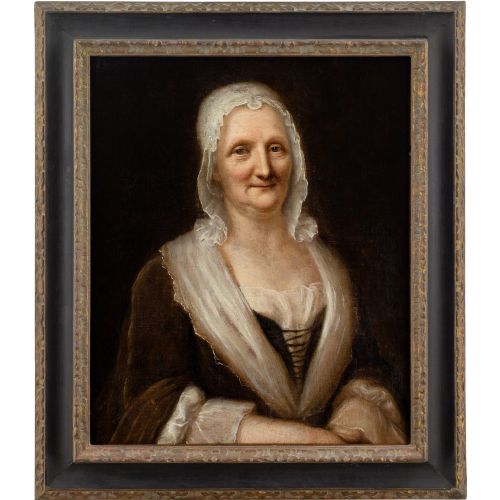
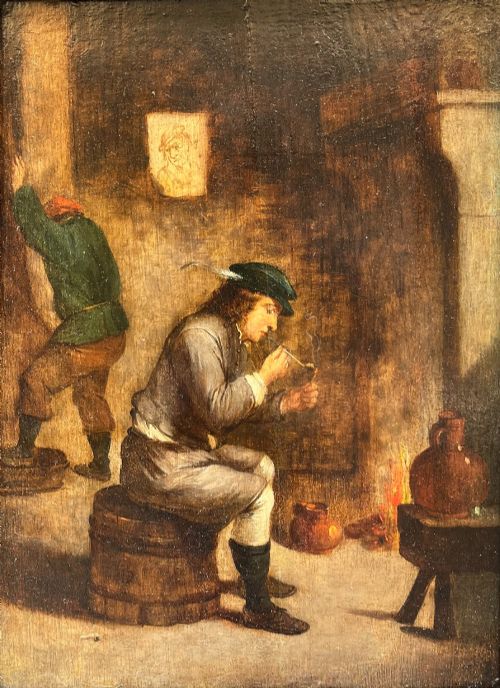
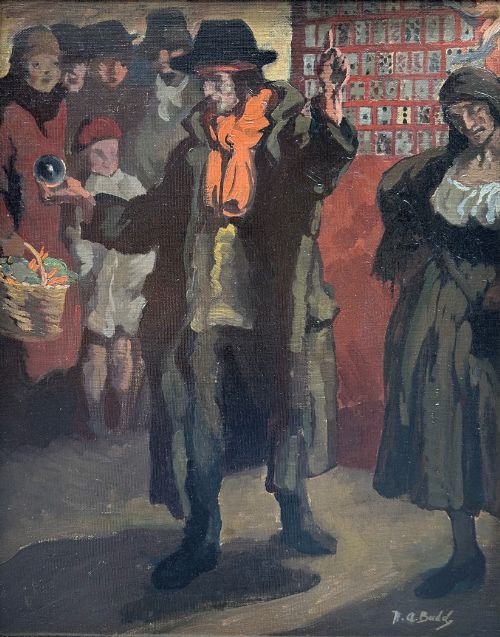
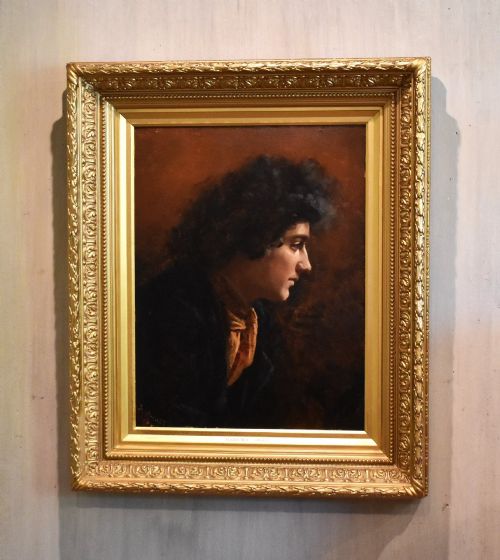
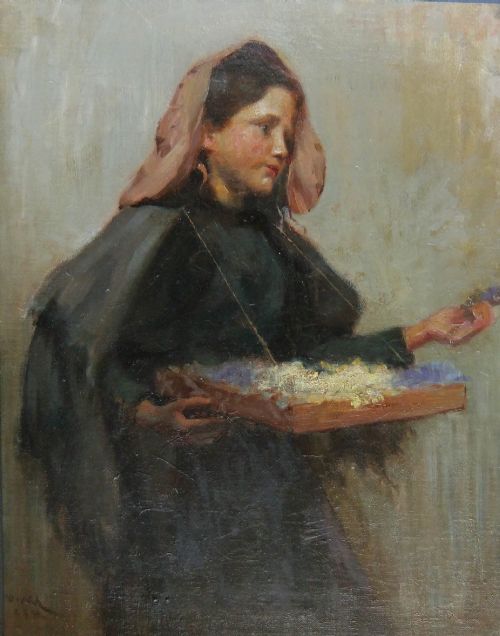
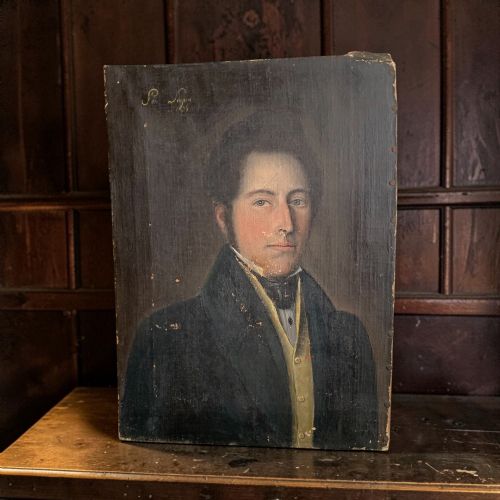
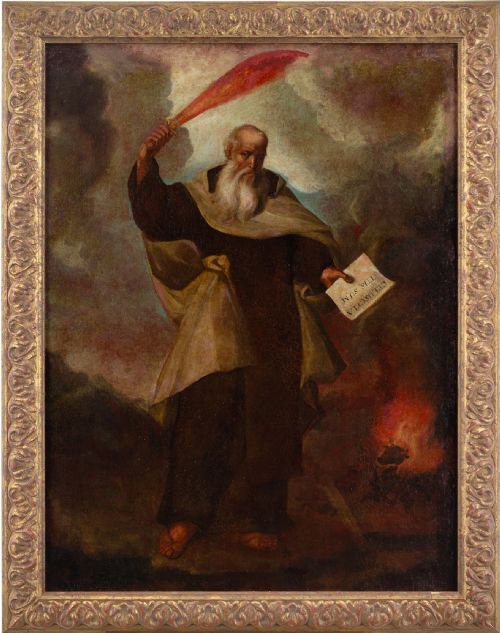
Dark tone canvas paintings encompass historic oil works ranging from the seventeenth century through to the early twentieth century. These pieces frequently present solemn portraits, sombre interior scenes, and rich still life arrangements on woven supports. Buyers encounter works from various European schools, including French, Spanish, Dutch, and British traditions.
The selection on this page leans heavily toward nineteenth-century compositions and seventeenth-century portraiture. Subjects vary from dignified judges and merchants to domestic laborers, street sellers, and religious figures. The overarching aesthetic relies on muted palettes and deep shadows to create a moody atmosphere.
How they were made
Artists built these works using oil paint applied to stretched canvas, often supported by wooden frames or stretchers. The technique involves layering rich pigments to achieve deep chiaroscuro effects and heavy tonal contrasts. Some framed pieces incorporate ornate giltwood surrounds that complement the dark surfaces.
The material combination of oil and canvas allowed painters to manipulate light and shadow with considerable subtlety. Pigments were worked into the fabric grain, creating textured grounds that absorbed ambient light and enhanced the sombre depth of each scene.
Materials recorded across the inventory include oil paint, canvas, wood, and giltwood frames.
What varies in quality
The preservation of the pigment layer and the stability of the canvas also dictate the standing of a piece. Works that retain their original tonal balance without excessive overpaint offer a truer encounter with the creator's initial intent.
Sir Joseph Noel Paton·DAVID SCOUGALL·David Teniers·Herbert Ashwin Budd·Florence Small·William Watt Milne·Thomas Sidney Cooper·Bartolome Murillo·Thomas Beach·Roberto Venturi·Henry Collins·Ralph Hedley·John Phillip·James G Faulds·John Partridge·George Hayter·Jan Steen·Robert Ker Porter
The Dark Tone Canvas Paintings Glossary
- Canvas
- A heavy woven fabric typically made of hemp or flax that serves as the primary support surface for oil paintings. Painters prime this material with a ground layer before applying pigments.
- Chiaroscuro
- An artistic technique employing strong contrasts between light and dark to give a sense of volume to three-dimensional objects and figures. This method underpins the moody atmosphere of dark tone works.
- Giltwood
- Wood carved and coated with a thin layer of gold leaf or gold paint, frequently used for historic picture frames. These surrounds add reflective contrast to deep, sombre canvases.
- Provenance
- The chronological ownership history of a work of art, used to establish authenticity and historical context. Documented lineage adds significant weight to antique paintings.
- Still life
- A painting depicting inanimate subject matter, typically commonplace objects such as food, larder items, or flowers. In darker compositions, these arrangements often carry symbolic or allegorical meanings.
Dark Tone Canvas Paintings: Frequently Asked Questions
How do I care for an old oil painting?
Keep the canvas away from direct sunlight and sudden temperature shifts to prevent the paint layer from cracking. Dust the surface very gently with a soft, dry brush without applying pressure.
Avoid using water, chemical cleaners, or damp cloths on the painted surface. Professional conservators should handle any deeper cleaning or structural repairs to the canvas.
What periods do these paintings cover?
The selections span multiple centuries, starting from seventeenth-century Baroque works and moving through the eighteenth and nineteenth centuries. You will also find pieces originating in the early decades of the twentieth century.
Different eras brought distinct approaches to portraiture and genre scenes, though the dark, moody palette remains a unifying thread across the centuries represented.
Are these paintings signed by the artists?
Some canvases bear visible signatures or monogram markings left by the painter, while many historic works remain unattributed or assigned to a specific school. School attributions indicate a piece was created within the circle or tradition of a known master.
Documentation, style analysis, and historical records often help experts attribute unsigned portraits and landscape studies to particular regions and periods.
How should I hang a heavy canvas?
Secure the picture wire or heavy-duty D-rings directly into wall studs using appropriate hardware rated for the weight of the frame and canvas. Ensure the hanging height places the centre of the painting at eye level for optimal viewing.
Avoid placing heavy oil paintings on damp walls or directly above active heat sources. Stable indoor climates protect both the wooden stretcher bars and the canvas fabric from warping.