





Dark Oak Armchair Pair
These dark oak armchair pair selections combine solid timber frames with historic revival styles, offering substantial seating for traditional interiors.
Dark Oak Armchair Pair
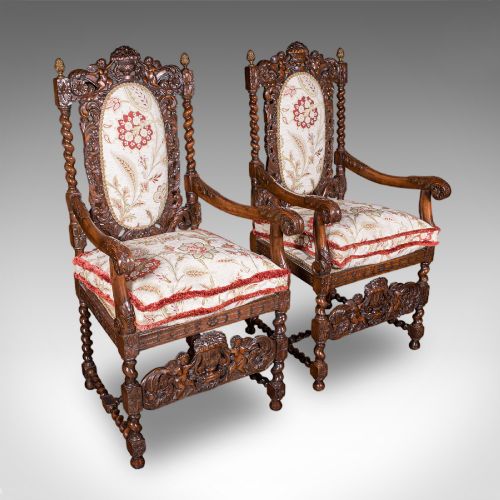
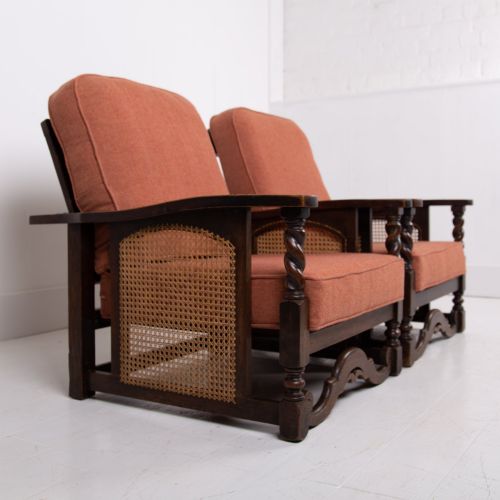
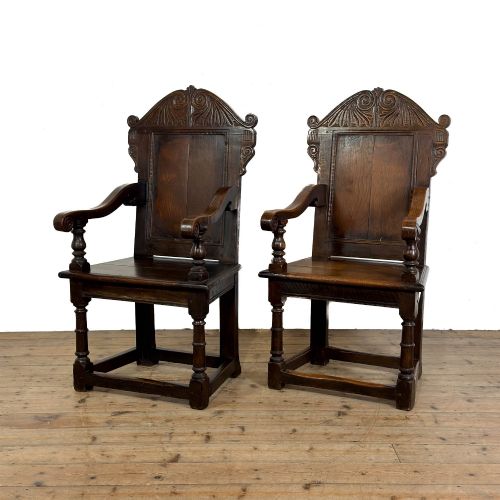
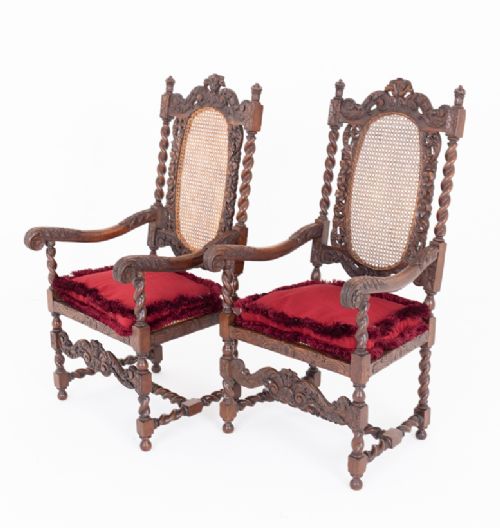
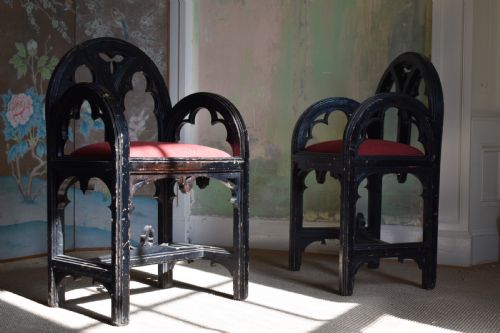
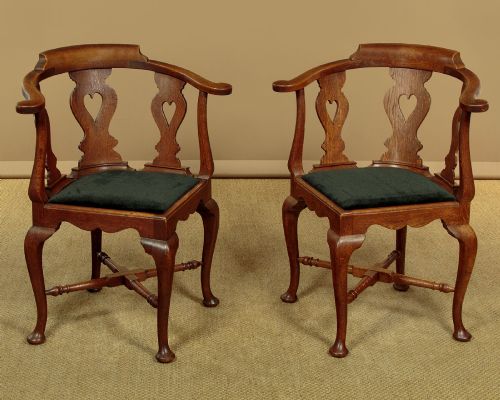
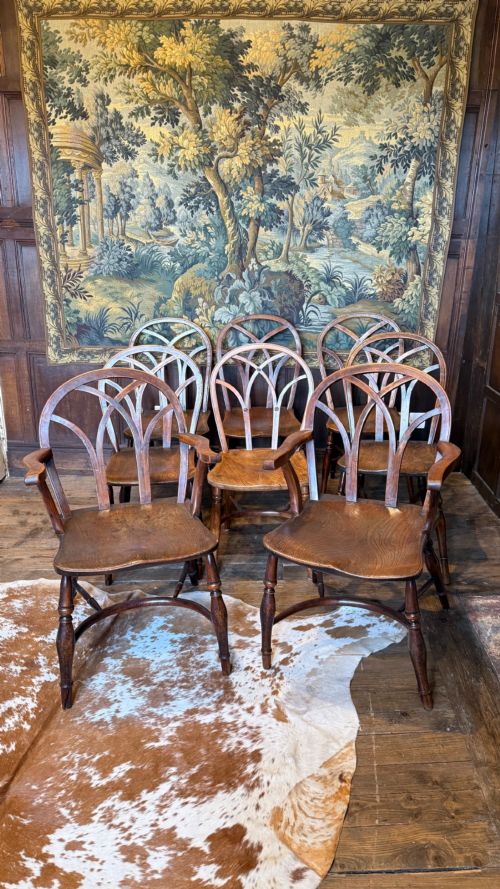
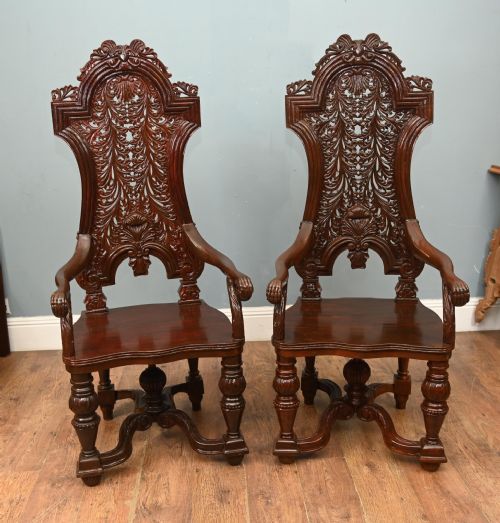
A dark oak armchair pair comprises matched seats constructed predominantly from sturdy oak timber, spanning periods from the nineteenth century into the early twentieth century. Buyers seeking a dark oak armchair pair will encounter numerous revival aesthetics, including Jacobean, Gothic, and Arts and Crafts interpretations.
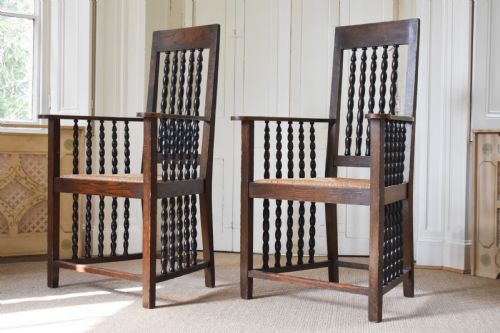
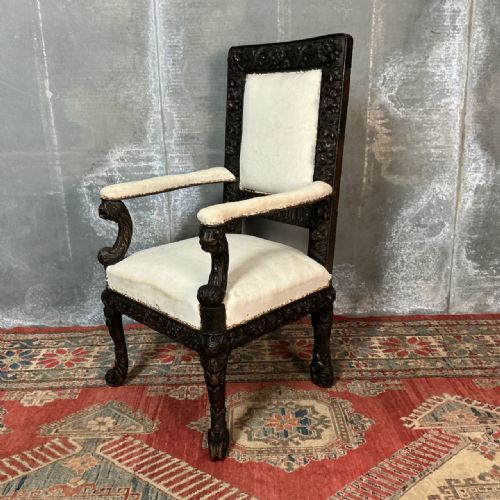
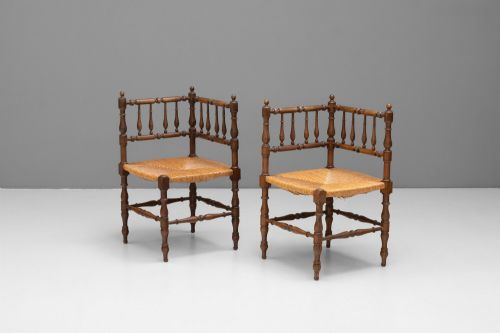
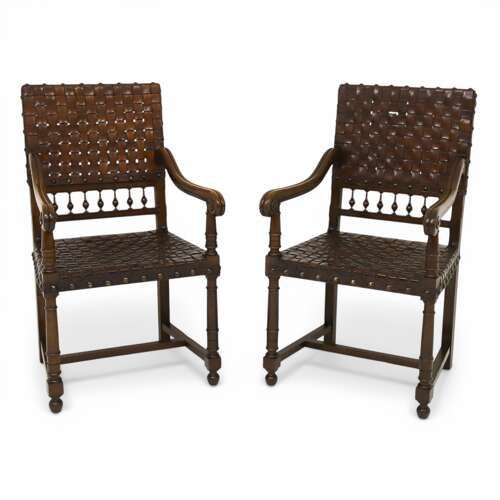
The forms range from heavy throne chairs and panelled wainscot designs to lighter occasional and corner seating. Most examples rely on substantial wooden frames paired with upholstery in leather, fabric, or tapestry.
Originating largely from British and European workshops, these matched sets provide symmetrical seating arrangements for studies, halls, and libraries.
Distinguishing quality across examples
Quality rests upon the depth and crispness of the hand carving on the oak frames, distinguishing simpler production from deeply sculpted throne and revival pieces. The integrity of the original timber framing and the execution of turned elements dictate the structural merit.
The standard of the upholstery materials, from supple woven leather to heavy tapestry and secure brass detailing, elevates the execution of the seating.
Dark Oak Armchair Pair Retail Price Guide 2026
Typical asking prices for dark oak armchair pair among the pieces listed under this phrase on Sellingantiques today, from the lower quarter to the upper quarter. They describe what is for sale here now, not the wider market.
Listings feature oak material predominantly, alongside auxiliary elements like brass, leather, and rush across nineteenth and twentieth-century periods.
A.W.N. Pugin
The Dark Oak Armchair Pair Glossary
- Wainscot chair
- A solid wooden armchair featuring a panelled back, typically constructed from oak during earlier periods and emulated in later revivals.
- Glastonbury chair
- A portable folding armchair design with an X-frame base and a sloping back panel, often associated with Gothic revival styling.
- Barley twist
- A decorative turning technique resembling a spiralling rope, frequently utilised on the legs and arm supports of revival furniture.
- Bobbin chair
- Seating characterised by turned wooden components shaped like a series of spools or bobbins stacked end to end.
- Curule chair
- An X-framed stool or armchair derived from ancient Roman magistrate seats, sometimes referenced in Renaissance revival designs.
Dark Oak Armchair Pair: Frequently Asked Questions
Where should I place a dark oak armchair pair?
These matched chairs suit formal libraries, large entrance halls, or drawing rooms where symmetrical placement enhances the interior composition. Their substantial frames demand adequate spatial clearance to be appreciated fully.
They function effectively as fireside seating or facing pairs across a central hearth, providing both visual weight and practical comfort.
How do I care for leather upholstery on old armchairs?
Maintain the leather by applying appropriate conservation balms periodically to prevent the hide from drying and cracking over time. Avoid placing the chairs in direct sunlight or near intense heat sources.
Dust wooden frames gently with a soft cloth and avoid modern chemical polishes that can degrade historic finishes.
How do I distinguish Gothic revival from Jacobean styles?
Gothic revival pieces incorporate architectural motifs such as pointed arches, tracery, and quatrefoils carved into the dark oak panels. These designs reflect medieval ecclesiastical influences.
Jacobean style focuses on geometric panel moulding, heavy turned supports, and strapwork ornamentation characteristic of seventeenth-century British cabinet making.
Are these chairs comfortable for daily use?
Many examples feature generous proportions and upholstered leather or tapestry pads that offer a firm, supportive seat. Some configurations prioritised formal posture over relaxed lounging.
Adding appropriate supportive cushions can adapt firmer wooden seats for extended periods of reading or sitting.