
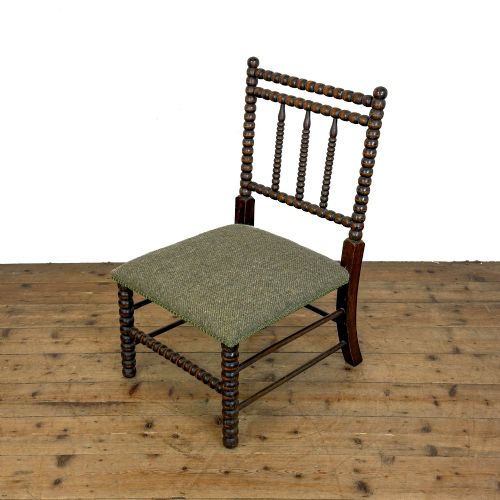


Dark Green Desk Chair
A dark green desk chair brings together period timber and rich hide to anchor a study with enduring character.
Dark Green Desk Chair
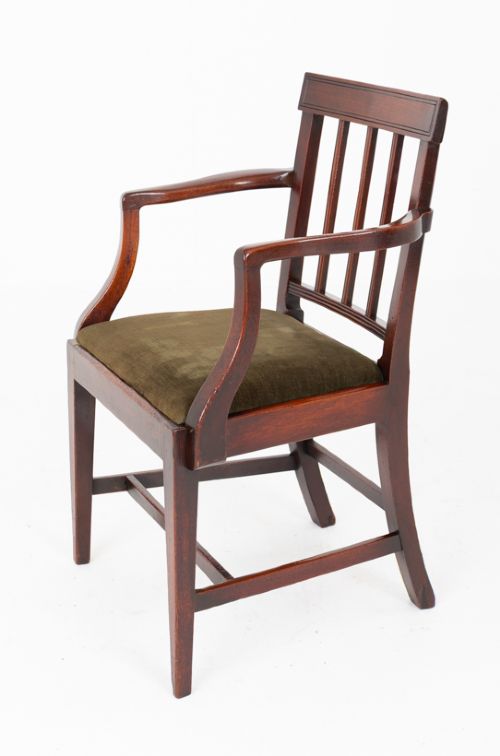
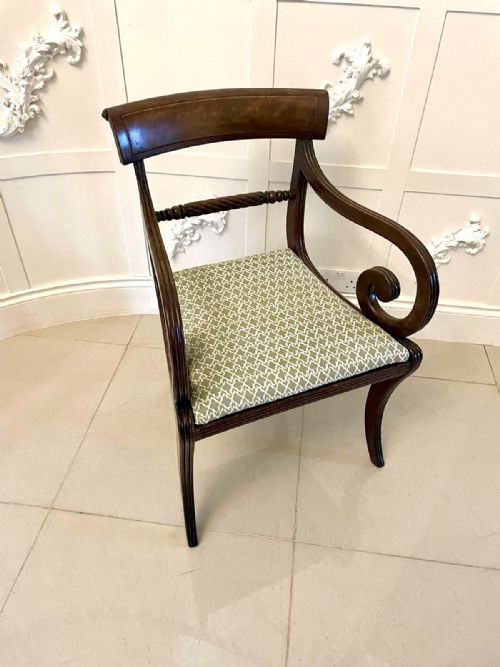
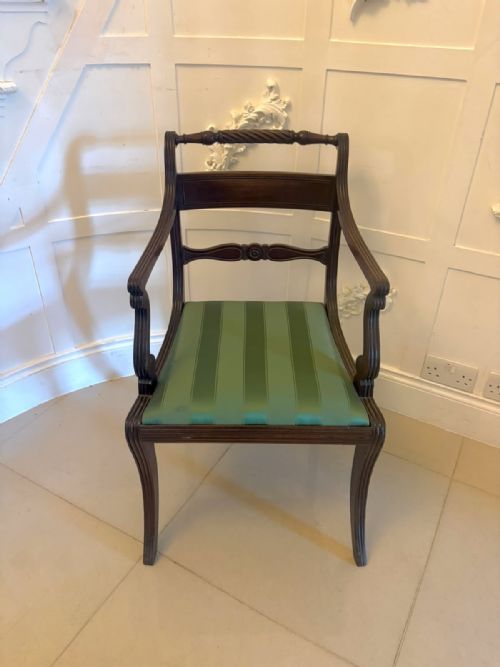
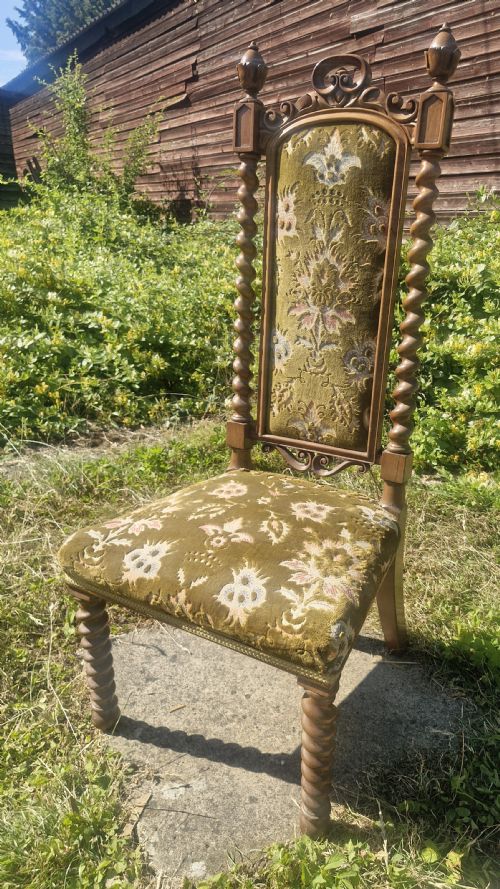
The materials recorded in these selections show a strong preference for mahogany, oak, and rosewood, frequently paired with leather, velvet, and upholstery fabric. While the specific shade of green usually appears through leather desk inserts or velvet and fabric upholstery, the frames themselves reflect distinct historical revivals including Chippendale, Jacobean, and Victorian Gothic styles.
The version most commonly met on this page combines a solid timber framework with a dark green leather or fabric seat designed for practical study use. These items bridge the gap between antique decorative arts and functional workspace seating.
Materials and construction methods
Makers relied heavily on dense hardwoods such as mahogany, oak, and rosewood to build frames capable of withstanding daily use. These timbers were frequently hand-carved, utilising techniques like the X-frame construction or traditional joinery to ensure structural stability.
Upholstered elements involved stretching leather, velvet, or specialised fabric across padded seats, sometimes secured with hand-stitched detailing or brass tacks. The integration of brass fittings and revolving mechanisms in specific office models added mechanical utility to traditional cabinetmaking skills.
An eccentric eighteenth-century Chinese export hardwood corner armchair waits here alongside standard European study seats.
Distinctions in quality
Quality in these seating options rests upon the selection of timber and the precision of the carving. Dense, well-figured mahogany or solid oak frames exhibit greater structural integrity than softer woods, while crisp hand-carving distinguishes superior workshop output from simpler production.
The condition and grade of the dark green leather or fabric upholstery play a significant role in overall excellence. Original hide with patination and careful hand-stitching elevates a piece above later replacements, ensuring both historical coherence and enduring tactile appeal.
Louis Majorelle
The Dark Green Desk Chair Glossary
- Carver armchair
- An armchair designed with solid wooden arms, traditionally placed at the head of a dining table or used as a desk seat. These pieces often feature stylistic flourishes on the arm supports.
- Gainsborough chair
- A type of wide, open-armed armchair with a low back, padded seat, and upholstered arms, originating in the mid-eighteenth century. They are frequently utilised as comfortable study or desk seats.
- Revolving office desk arm chair
- A swivel seat mounted on a central pivot, engineered for movement in a study or library. These items prioritize mechanical function alongside traditional timber framing.
- Chippendale style
- A design framework drawing from eighteenth-century cabinetmaker aesthetics, characterised by intricate woodwork and refined proportions. Pieces in this style often display carved cabriole legs or ornate splat backs.
- X framed desk chair
- A seating form utilising intersecting diagonal wooden supports beneath the seat to provide lateral strength. This geometric configuration appears frequently in nineteenth-century study furniture.
Dark Green Desk Chair: Frequently Asked Questions
How do I identify a genuine period desk chair?
Examine the timber framing for signs of age, tool marks, and traditional joinery methods appropriate to the nineteenth or eighteenth centuries. Original patination on the wood and wear patterns on the seat provide reliable indicators of authenticity.
Compare the overall proportions and decorative motifs against documented examples from specific periods like the Regency or Victorian eras. Secondary woods used in the underframe should also match the expected regional practices of the stated era.
Can I use an antique armchair at a modern desk?
Many historical armchairs and desk chairs suit modern desk heights, provided you check the clearance beneath the writing surface. The arms must fit under the desk drawer or top edge to allow a comfortable seating position.
Consider adding a supportive cushion if the seat height requires adjustment for daily computer work. This preserves the antique frame while accommodating contemporary ergonomic needs.
How should I care for antique leather upholstery?
Maintain the dark green leather by applying specialised leather balms periodically to prevent drying and cracking. Avoid placing the chair in direct sunlight or near heat sources, which can fade the hide and warp the underlying timber.
Clean the surface gently with a dry or slightly damp cloth, avoiding harsh chemical cleaners that strip the original finish. Regular, gentle maintenance preserves the natural patination built up over decades.