
Dark Brown Wood Stool
A dark brown wood stool brings tactile warmth to a room, offering practical seating through sturdy timbers and honest joinery.
Dark Brown Wood Stool
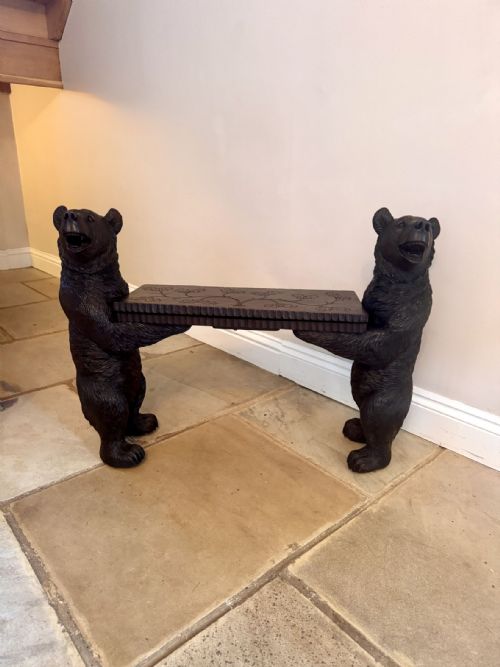
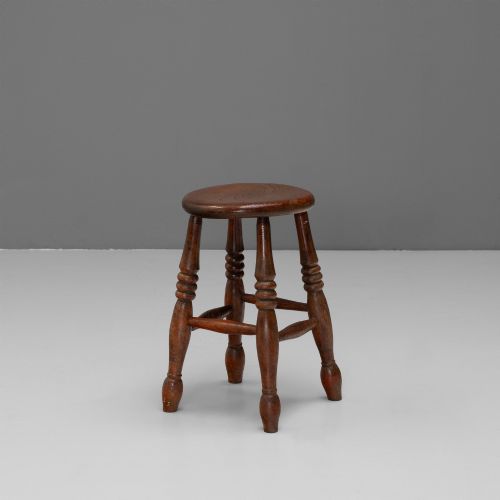
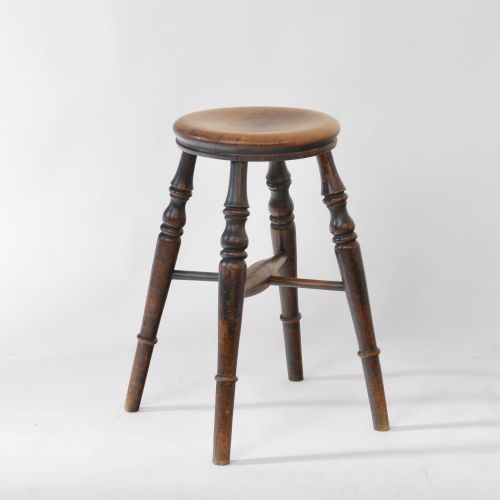
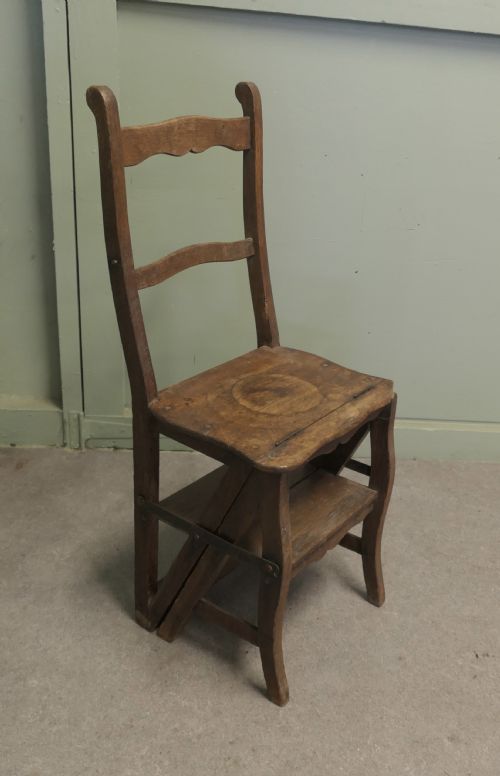
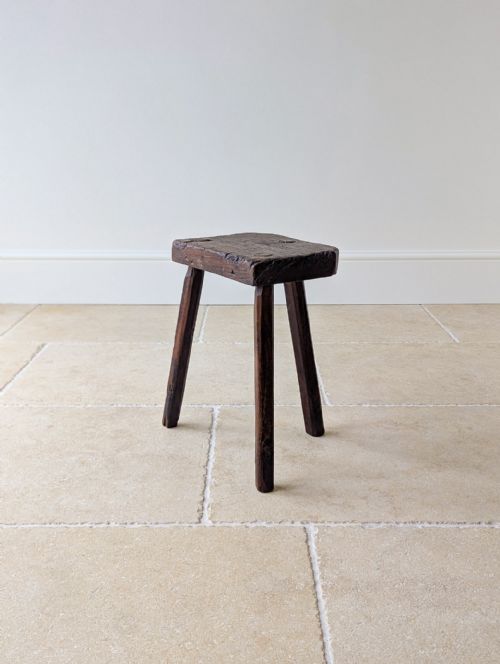
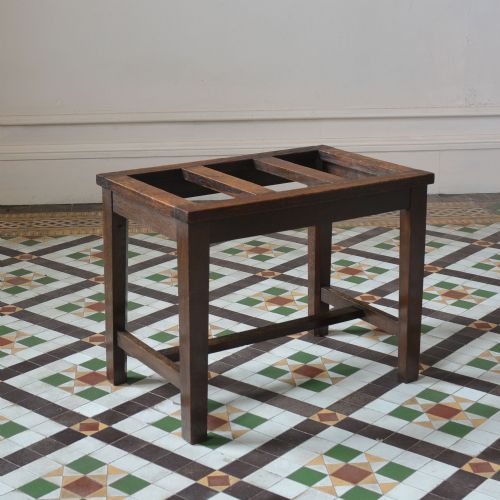
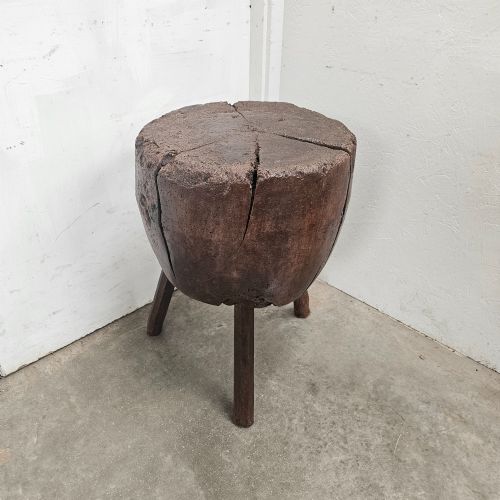
A dark brown wood stool encompasses everything from simple country seating and workshop benches to luggage stands and piano stools. These pieces arrive from various periods including the nineteenth century, the Edwardian era, and the Victorian age.
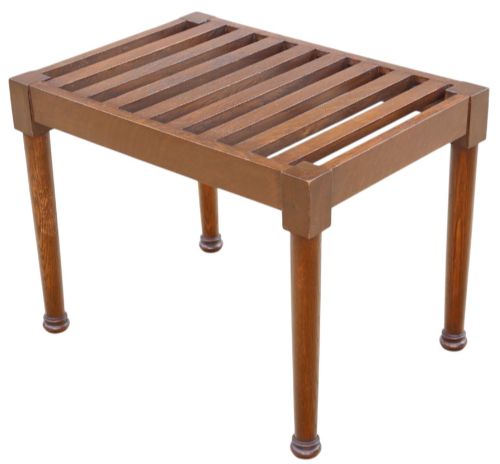
The buyer frequently encounters rustic vernacular designs alongside refined mahogany or oak examples. Functional items such as bar stools, tavern stools, and luggage racks appear frequently across these listings.
Origins span English country workshops, French provincial makers, and industrial settings, providing diverse seating options with rich timber tones.
Materials and Construction
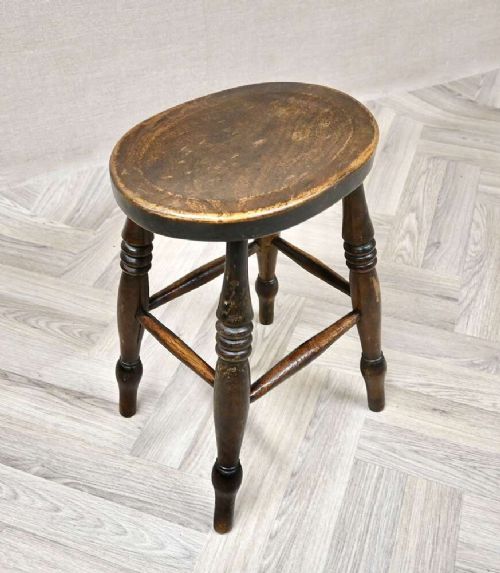
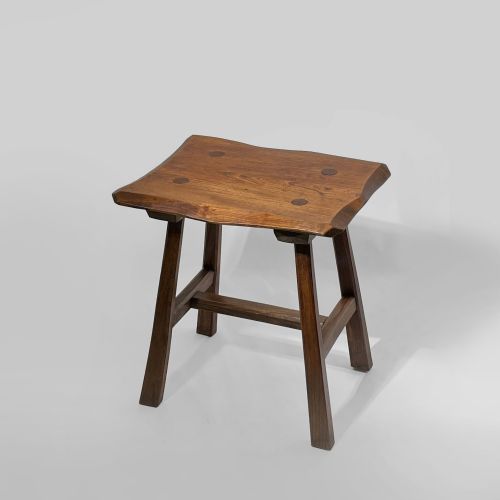
Craftsmen utilised robust timbers like oak, mahogany, elm, beech, and sycamore to build these seats. Pegged construction, turned legs, and sculpted seats define the traditional joinery seen in many of these examples.
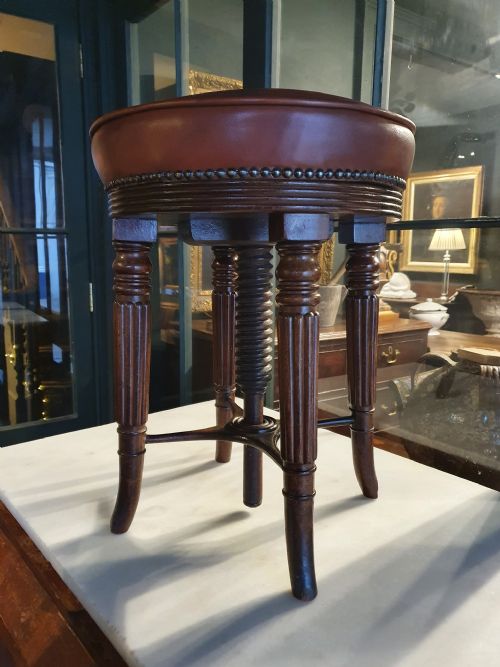
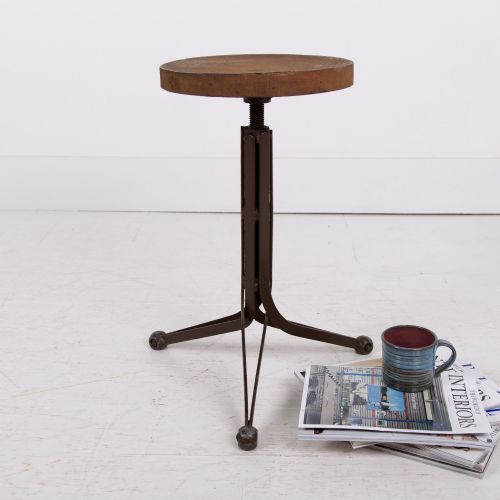
Workshop and industrial variants incorporate functional metal elements alongside wood, while occasional pieces feature leather upholstery or brass details for added utility.
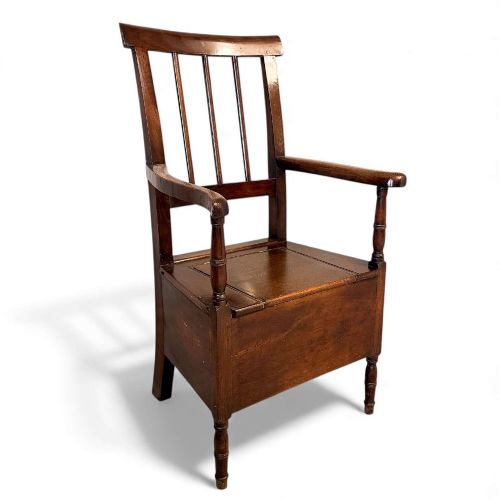
Several pieces double as clever disguises, including commode stools that quietly conceal chamber pots beneath neat octagonal lids.
Assessing Quality
Quality rests upon the integrity of the timber and the honesty of the construction, distinguishing humble utility items from finer cabinet-made examples. The depth of the wood's natural grain and the retention of original surface patination elevate certain pieces above standard workshop output.
Proportion and balance dictate the success of a design, whether in the subtle dishing of an elm seat or the precise turning of a mahogany leg.
Brown and Lamont·Rubery Owen·Thonet·Liberty
The Dark Brown Wood Stool Glossary
- Joint stool
- A sturdy wooden seat constructed with mortise and tenon joints, common in early English domestic interiors.
- Luggage stand
- A folding or fixed rack designed for suitcases, typically standing at bench height with wooden slats and webbing.
- Vernacular
- Everyday objects built by local craftspeople for specific domestic or working tasks, prioritizing function over high-style ornament.
- Bergere
- A type of woven cane or wicker paneling utilised on seats and stools, offering flexible support.
- Commode stool
- An enclosed wooden stool housing a chamber pot or sanitary receptacle within its frame.
Dark Brown Wood Stool: Frequently Asked Questions
What is a dark brown wood stool used for today?
These versatile pieces serve as impromptu seating, bedside tables, or display surfaces for plants and lamps in contemporary rooms.
Their compact scale allows them to fit easily into narrow hallways, bathrooms, and living spaces where larger furniture proves impractical.
How do I care for antique wooden stools?
Maintain the finish by dusting regularly with a dry cloth and occasionally applying a quality beeswax to nourish the timber.
Keep wooden furniture away from direct heat sources and strong sunlight to prevent the grain from drying out or splitting.
Are industrial stools comfortable to sit on?
Industrial and workshop stools often feature sculpted wooden or metal seats designed for long hours of manual labour.
While lacking plush upholstery, their ergonomic wooden contours provide surprisingly supportive seating for daily use.
How do I identify a country stool?
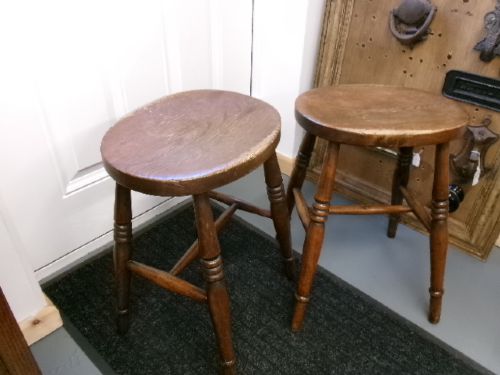
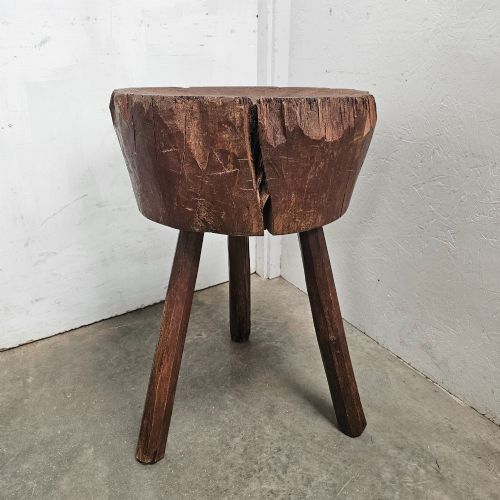
Country pieces generally display simpler joinery, thicker timber boards, and utilitarian forms dictated by local workshop traditions.
Turned legs, unpretentious finishes, and woods like elm or beech usually signal a regional or vernacular origin.